Source Flexible Stone Wall Cladding for Offices, Hotels, and Villas
Compare 30 Flexible Stone Wall Cladding options from verified Chinese manufacturers. These lightweight, waterproof tiles feature modern designs and are suitable for interior and exterior applications in offices, hotels, and villas.
Key considerations
Products List


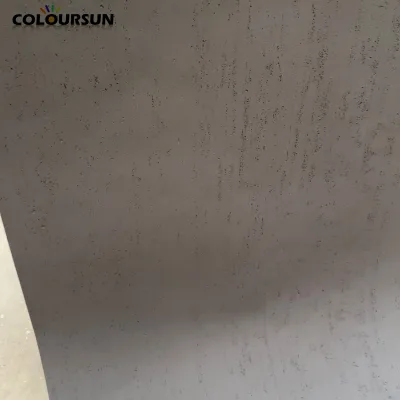
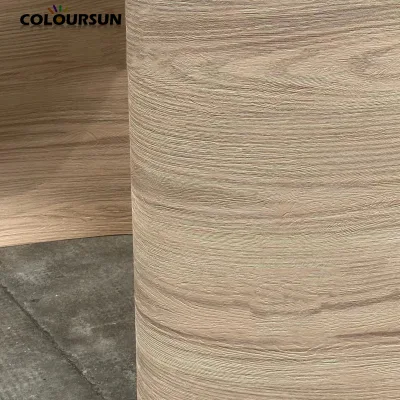
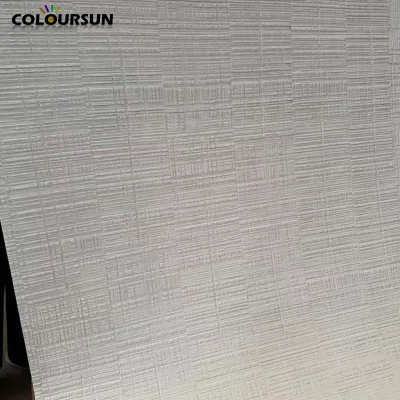
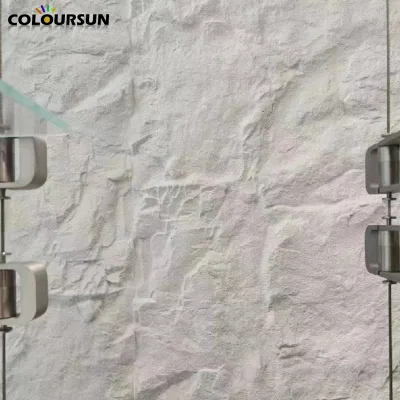
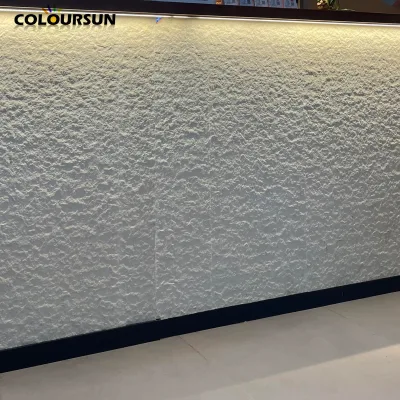


Wall Decor Clay Flexible Soft Cladding Stone Wall Tiles Flexible Stone
$6.29 - $11.77
MOQ: 200 Square Meters

Outdoor Flexible Stone Veneer Wall Cladding Flexible Stone Fire Resistance Wall Cladding Stone
$6.29 - $11.77
MOQ: 200 Square Meters

Ultra Thin Flexible Natural Wall Cladding Stone Panels Backlit Flexible Stone
$6.29 - $11.77
MOQ: 200 Square Meters


Bendable Flexible for Column Curved Wall Cladding Flexible Stone Wall Panel
$2.63 - $4.90
MOQ: 200 Square Meters

Waterproof Flexible Stone Wall Panel for Exterior Building Cladding
$2.63 - $4.90
MOQ: 200 Square Meters


Factory Artificial Stone Flexible Cladding Panels Soft Cultured Stone Wall Panel
$4.50 - $12.00
MOQ: 1 Square Meters

China Artificial Stone Flexible Cladding Panels Soft Cultured Stone Wall Panel CE
$4.50 - $12.00
MOQ: 1 Square Meters
Comprehensive Sourcing Guide
Strategic Sourcing Guide for Flexible Stone Wall Cladding
The global construction and interior design markets have witnessed a significant shift toward lightweight, versatile, and aesthetically rich cladding solutions. Among these innovations, Flexible Stone Wall Cladding has emerged as a high-performance alternative to traditional natural stone and rigid ceramic tiles. This material, often composed of stone powder and modified clay, offers the visual authenticity of natural rock with the adaptability required for complex architectural geometries. For procurement professionals, navigating this category requires a disciplined approach to verifying technical specifications, understanding cost structures, and ensuring supplier reliability. This guide provides a comprehensive framework for sourcing Flexible Stone Wall Cladding, grounded in observable product attributes and industry standards.
Technical Specifications and Material Composition
Understanding the fundamental composition of Flexible Stone Wall Cladding is the first step in any procurement process. Unlike traditional stone, which is quarried and cut into rigid slabs, flexible stone is engineered. The core material typically consists of stone powder mixed with modified clay and other binding agents. This composite structure allows the material to possess a thickness ranging from 3 to 4 mm, significantly reducing the dead load on building structures compared to natural stone slabs. The flexibility of the material is a defining characteristic, enabling it to be bent and curved without cracking, making it suitable for columns, arches, and curved facades where rigid tiles would fail.
Dimensional consistency is critical for large-scale projects. Standard sheet sizes often include dimensions such as 600x1200mm, though custom models like LS-03, LS-06, and LSW-14 indicate that manufacturers offer specific configurations to meet unique project needs. The surface treatment plays a vital role in the final aesthetic and functional performance. Many products feature a sanded or split surface finish, mimicking the texture of natural rock. Some variants offer a "lotus leaf effect" for waterproofing, while others provide specific textures designed for anti-slip applications. The material is generally available in a range of colors, including white, brown, and grey, with options for custom color matching to align with specific design palettes.
Compliance, Standards, and Certification Verification
When sourcing building materials, verifying compliance with national and international standards is non-negotiable. In the context of Flexible Stone Wall Cladding, buyers must look for adherence to specific standards that govern material safety and performance. For instance, certain product lines reference standards such as GB/T 18600, which may relate to surface treatment or specific material properties. However, the mere presence of a standard number on a product listing does not guarantee universal compliance; it often refers to a specific batch or a particular manufacturing process.
Buyers should explicitly request documentation regarding fire resistance, as the material is often marketed as fireproof. Additionally, environmental certifications are increasingly important for green building projects. While specific certification bodies are not universally mandated for this category, the "Eco-Friendly" attribute suggests that the manufacturing process may utilize low-emission materials or recycled content. It is essential to verify if the product meets local building codes regarding fire ratings and VOC (Volatile Organic Compounds) emissions. Since the product origin is frequently listed as China, specifically from regions like Guangdong, buyers must ensure that the supplier can provide third-party test reports that validate these claims against the destination country's regulatory requirements.
Cost Drivers and Pricing Dynamics
The pricing of Flexible Stone Wall Cladding is influenced by a complex interplay of factors, including material composition, surface treatment, and customization requirements. The observed price range in the market spans from approximately $1.2 to $22.5 per unit, reflecting the diversity of product tiers available. Several key drivers influence where a specific product falls within this range. First, the thickness and density of the stone powder content directly impact material costs. Thicker variants or those with higher stone powder ratios generally command a premium.
Secondly, surface treatment and finishing processes add significant value. Products with specialized textures, such as split surfaces or sanded finishes, require additional manufacturing steps compared to standard smooth sheets. Customization is another major cost factor. While standard models like LS-03 are available, custom models and bespoke color matching incur additional tooling and setup costs. The Minimum Order Quantity (MOQ) also plays a role in unit pricing. The market observes an MOQ range from 1 to 500 units, with bulk orders typically securing more favorable per-unit rates. Packaging requirements, such as paper box inner packaging combined with fumigated crates for export, also contribute to the final landed cost. Buyers should request detailed breakdowns of these costs to understand the value proposition of each supplier quote.
Typical Applications and Design Versatility
Flexible Stone Wall Cladding is uniquely suited for a wide array of applications due to its lightweight nature and adaptability. Its primary use cases include interior and exterior wall decoration, ceiling installations, and landscaping projects. The material's ability to be installed on curved surfaces makes it ideal for modern architectural designs that incorporate organic shapes and fluid lines. In commercial settings, it is frequently specified for office buildings, hotels, villas, apartments, hospitals, schools, and shopping malls. The "Modern" design style often associated with this material aligns well with contemporary architectural trends that favor clean lines and natural textures.
The application scope extends beyond vertical surfaces. The material is also utilized for countertops, table tops, vanity tops, and even flooring in specific contexts. Its resistance to acid and erosion, as noted in product attributes, makes it suitable for environments that require durability against chemical exposure. The "Easy Installation" attribute suggests that the material can be adhered to various substrates using standard adhesives, reducing labor time and costs compared to traditional stone masonry. Furthermore, the seamless joint capability allows for large, uninterrupted visual planes, enhancing the aesthetic appeal of large commercial spaces. Whether for a park, farmhouse, courtyard, or warehouse, the versatility of flexible stone allows designers to maintain a consistent material language across different zones of a project.
Supplier Evaluation and Quality Control
Selecting the right supplier is critical to ensuring project success. Buyers should evaluate suppliers based on their project solution capabilities, specifically their ability to provide graphic design support and total project solutions. A supplier that offers "Online Technical Support" and "Other" after-sale services demonstrates a commitment to long-term client relationships. The brand name "COLOURSUN" is one example of a supplier operating in this space, but buyers should not limit their search to a single entity. Instead, they should assess the supplier's track record in delivering custom models and handling complex logistics.
Quality control measures must be rigorous. Buyers should verify the tensile strength of the material, which is observed to range between 81 and 130 MPa in certain product lines. This metric is crucial for ensuring the material can withstand structural stresses during installation and service. Additionally, the contraction percentage should be less than 0.4% to prevent warping or cracking over time. Water absorption rates, typically between 1.5% and 3.5%, are also key indicators of durability; lower absorption rates generally imply better resistance to moisture damage and freeze-thaw cycles.
Suppliers should provide clear specifications regarding their packing methods. The use of paper box inner packaging and outer fumigated crates is a standard practice for international shipping, ensuring that the product arrives in pristine condition. Buyers must also confirm the single gross weight, which is often around 5.000 kg per package, to calculate accurate freight costs. It is advisable to request physical samples before placing large orders to verify the texture, color consistency, and flexibility firsthand.
Long-Term Procurement Considerations
Sourcing Flexible Stone Wall Cladding is not merely a transactional exercise but a strategic decision that impacts the long-term performance of a building. Buyers should consider the lifecycle costs, including maintenance and repairability. The material's "Repairable" feature is a significant advantage, as damaged sections can often be replaced without dismantling large areas of the facade. The "Seamless Joint" capability further reduces the risk of water infiltration and dirt accumulation, lowering long-term cleaning costs.
Environmental sustainability is another long-term consideration. The "Eco-Friendly" attribute suggests that the material may have a lower carbon footprint compared to traditional stone quarrying and transportation. However, buyers should verify the specific environmental claims with the supplier. Additionally, the "Anti-pollution" and "Heat Resistant" features ensure that the cladding will maintain its appearance and structural integrity in various climatic conditions.
Finally, procurement strategies should account for lead times and supply chain resilience. While specific lead times are not universally standardized, the availability of custom models may extend production schedules. Buyers should establish clear communication channels with suppliers to manage expectations regarding delivery dates. By focusing on these long-term factors, procurement professionals can secure a cladding solution that delivers aesthetic value, functional performance, and cost efficiency over the lifespan of the building.
FAQs
What is the material composition of Flexible Stone Wall Cladding?
Flexible Stone Wall Cladding is engineered from stone powder and modified clay. This composite structure allows for a thin profile of 3-4 mm while maintaining the visual authenticity of natural rock.
Can flexible stone be used for exterior wall decoration?
Yes, this material is suitable for exterior wall decoration and interior applications. It features waterproof properties with a lotus leaf effect and is designed for use in hotels, villas, and office buildings.
How flexible is the material for curved architectural designs?
The material is soft and anti-crack, allowing it to bend without breaking. This flexibility makes it ideal for columns, arches, and curved facades where rigid tiles would fail.
What is the typical tensile strength of this cladding product?
The tensile strength ranges between 81 and 130 MPa. This metric ensures the material can withstand structural stresses during installation and long-term service without cracking.
Which surface treatments are available for this stone product?
Available surface treatments include sanded and split finishes that mimic natural rock textures. Some variants also offer specific textures designed for anti-slip applications and waterproofing.
What are the standard dimensions for flexible stone sheets?
Standard sheet sizes often include 600x1200mm, though custom models like LS-03 are available. Other specifications may list lengths of 2 to 14 inches and widths of 1 to 6 inches.
How is the product packed for international shipping?
The product is packed with paper box inner packaging and outer fumigated crates. This method ensures the material arrives in pristine condition and meets export requirements.