Source Flexible Travertine Wall Panels for School Kitchen Commercial
Compare 30 listings of Flexible Travertine Wall Panels featuring self-adhesive installation and eco-friendly materials. Buyers can evaluate options for indoor applications like schools, kitchens, and commercial spaces with varying dimensions and fire ratings.
Key considerations
Products List

Soft Porcelain Travertine Flexible Stone Panels for Wall Decoration
$6.10 - $7.00
MOQ: 200 Square Meters


Waterproof and Flame-Retardant Flexible Stone Travertine Wall Panels
$7.10 - $8.30
MOQ: 200 Square Meters


Travertine Marble Slate Granite Wall Veneer Flexible Stone Wall Panel
$2.63 - $4.90
MOQ: 200 Square Meters
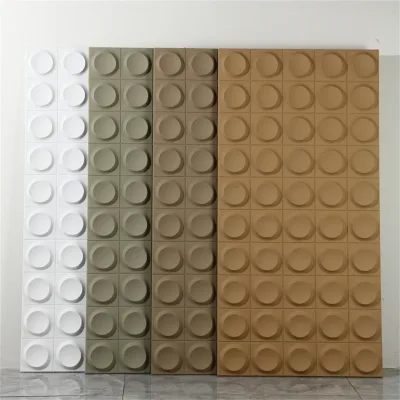
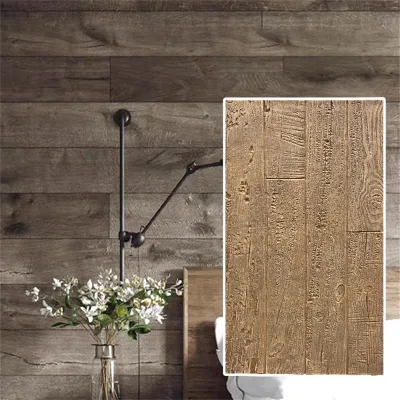


Flexible Stone Panel, Natural Travertine Flexible Stone for Interior Background Wall Decoration
$12.80 - $16.80
MOQ: 50 Square Meters


Comprehensive Sourcing Guide
Strategic Sourcing Guide for Flexible Travertine Wall Panels
The global construction and interior design markets have witnessed a significant shift toward lightweight, durable, and aesthetically versatile cladding solutions. Among these, Flexible Travertine Wall Panels have emerged as a high-value alternative to traditional stone, offering the natural elegance of travertine with the adaptability of synthetic or composite materials. For B2B procurement professionals, navigating this category requires a disciplined approach to verifying technical specifications, understanding cost drivers, and ensuring compliance with international safety standards. This guide synthesizes observed market data and verified product attributes to provide a framework for sourcing these materials effectively without relying on unverified supplier claims.
Technical Specifications and Material Composition
Understanding the physical and chemical properties of flexible travertine panels is the first step in any procurement process. Unlike natural stone slabs, which are rigid and heavy, flexible variants are engineered to bend around curves and corners, making them ideal for complex architectural designs. Based on available product data, the core material composition often involves cement-based matrices or specialized stone veneers that mimic the porous, pitted texture of natural travertine.
The dimensional standards for these panels vary significantly across the supply chain. Observed product specifications indicate a wide range of sizes, including 600mm x 1200mm, 1200mm x 2400mm, and 1200mm x 3000mm. Thickness is a critical variable, with common specifications ranging from 2.5mm to 6mm. For instance, specific product models list a standard thickness of 3mm to 6mm, while others may adhere to a precise 2.5mm profile. Buyers must verify the exact thickness required for their specific application, as thinner panels (around 2.5mm) offer greater flexibility but may require specific substrate preparation compared to thicker variants (up to 6mm) which provide more rigidity.
The surface treatment is another crucial technical attribute. Many flexible travertine panels feature a glazed finish or a UV coating to enhance durability and aesthetic appeal. The surface can be customized to match specific design requirements, and some products are described as having a "Natural" style to replicate the authentic look of quarried stone. The color palette observed in the market is predominantly grey, though customization options are frequently available to meet specific project color schemes.
Compliance, Certification, and Safety Standards
In the B2B sector, compliance with safety and environmental standards is non-negotiable. Flexible travertine panels are often marketed for their fire-resistant properties, with specific data points indicating a "Class A" (Non-Combustible) rating and a "B1" flame retardant classification. These ratings are vital for projects in commercial buildings, schools, and hospitals where fire safety codes are stringent. Procurement teams must request valid test reports to confirm these ratings, as the terminology can vary by region.
Water absorption is another key compliance metric. High-quality flexible stone panels typically exhibit a water absorption rate of ≤0.5%, making them suitable for wet areas such as bathrooms and kitchens. This low absorption rate also contributes to their resistance against acid and wear, which are essential for high-traffic commercial environments.
Regarding certifications, the market data references CE marking and ISO standards. While specific ISO 9001 certification status should be verified directly with the manufacturer, the presence of CE certification is a strong indicator of compliance with European safety and health requirements. Buyers should also look for attributes indicating the product is "Eco-Friendly" and "Recyclable," as sustainability is increasingly a requirement for modern construction projects. The functional properties often listed include non-slip capabilities, heat insulation, antibacterial features, and acid resistance, all of which should be validated through independent testing documentation.
Cost Drivers and Pricing Structures
The pricing of Flexible Travertine Wall Panels is influenced by several factors, including material composition, thickness, surface treatment, and order volume. The observed market price range spans from $0.50 to $25.00 USD per unit, a wide variance that reflects differences in quality, brand reputation, and specific product features. The lower end of the spectrum likely corresponds to standard thicknesses and basic finishes, while the higher end may reflect premium UV coatings, custom colors, or specialized fire ratings.
Minimum Order Quantity (MOQ) is a significant cost driver in this category. Data indicates an MOQ range from 1 unit to 5,000 units. For small-scale projects or sample acquisition, buyers can often source small quantities, but bulk orders typically yield better unit economics. The packaging method also impacts logistics costs; options range from standard cartons to wooden crates and wooden cases. Wooden packaging is generally more robust for international shipping but adds to the overall weight and cost.
Typical Applications and Usage Scenarios
Flexible travertine panels are highly versatile, suitable for a broad spectrum of applications ranging from residential to heavy commercial use. The observed usage categories include schools, kitchens, commercial spaces, bathrooms, living rooms, dining rooms, markets, and outdoor areas. This versatility stems from the material's durability and aesthetic flexibility.
In interior decoration, these panels are frequently used in villas, hotels, hospitals, and commercial offices. The "Self-Adhesive" installation method is a notable feature for many products, allowing for quick and efficient application on existing walls without the need for heavy mortar or complex mechanical fixing. This makes them particularly attractive for renovation projects where minimizing construction time and dust is critical.
The "Indoor" and "Outside" usage attributes suggest that these panels are engineered to withstand varying environmental conditions. However, buyers should confirm the specific weather resistance ratings for outdoor applications, as not all flexible stone products are designed for direct exposure to harsh elements. The "Natural" style and "Travertine" model names indicate a strong preference for authentic stone aesthetics in modern interior design, allowing architects to achieve a high-end look without the structural load of natural stone.
Supplier Evaluation and Origin Verification
When evaluating suppliers, the geographic origin of the product is a key indicator of supply chain dynamics. The market data identifies production origins in China, with specific regions including Shandong, Guangdong, and Hebei. These regions are known for their manufacturing capabilities in building materials. However, the specific brand names and supplier identities should be treated as observations rather than endorsements.
Buyers should prioritize suppliers who provide transparent documentation regarding their production processes. The "Customized" attribute is prevalent, meaning suppliers can tailor dimensions, colors, and surface treatments. This flexibility is a significant advantage for large projects with unique design requirements. However, the availability of customization should be confirmed early in the sourcing process, as it may impact lead times and costs.
The packaging standards vary, with options including carton boxes, wooden cartons, and wooden crates. The choice of packaging should align with the shipping method and the fragility of the product. For international shipments, wooden crates or frames are often preferred to prevent damage during transit.
Quality Control and Long-Term Procurement Considerations
Ensuring consistent quality in flexible travertine panels requires a robust quality control (QC) strategy. Buyers should verify that the product meets the specified standards, such as the 600mm x 1200mm dimensions and the 3-6mm thickness range. The "Product Thickness" and "Size" specifications must be strictly adhered to, as deviations can affect the installation process and the final aesthetic.
Long-term procurement considerations include the availability of replacement materials and the consistency of the product line. Since these panels are often used in large commercial projects, maintaining a consistent batch of material is crucial to avoid color or texture variations between shipments. The "Eco-Friendly" and "Recyclable" attributes suggest a focus on sustainability, which should be a priority for organizations with green building certifications.
Furthermore, the "Advantage" attributes such as being "Flame Retardant" and "Waterproof" should be validated through ongoing performance checks. While the initial purchase may meet specifications, long-term durability in high-traffic or wet environments should be monitored. The "Surface Treatment" and "Glazed Tiles" processes should be inspected for consistency to ensure the panels remain resistant to wear and staining over time.
Comparative Analysis of Product Attributes
To facilitate decision-making, the following table summarizes key attributes observed in the flexible travertine wall panel market. This comparison highlights the variability in specifications that buyers must navigate.
| Attribute Category | Observed Specifications | Verification Requirement |
|---|---|---|
| Dimensions | 600x1200mm, 1200x2400mm, 1200x3000mm, 1220x2440mm | Confirm exact size for project layout |
| Thickness | 2.5mm, 3mm, 6mm | Verify thickness for structural load |
| Material | Cement, Travertine, Flexible Stone Veneer | Check material composition for durability |
| Fire Rating | Class A (Non-Combustible), B1 | Request fire test reports |
| Water Absorption | ≤0.5% | Verify water resistance for wet areas |
| Installation | Self-Adhesive | Confirm substrate compatibility |
| Packaging | Carton Box, Wooden Crate, Wooden Case | Assess shipping protection needs |
| Origin | China (Shandong, Guangdong, Hebei) | Verify supply chain reliability |
| Certification | CE, ISO (Functionality) | Validate certification documents |
Conclusion
Sourcing Flexible Travertine Wall Panels requires a meticulous approach to balancing aesthetic desires with technical realities. The market offers a diverse range of options, from standard 600x1200mm panels to custom-sized solutions, with varying thicknesses and fire ratings. Buyers must prioritize verification of critical attributes such as fire safety, water absorption, and dimensional accuracy. By focusing on verified specifications and maintaining a clear understanding of cost drivers like MOQ and packaging, procurement professionals can secure high-quality materials that meet the rigorous demands of modern construction projects. The flexibility and durability of these panels make them an excellent choice for a wide array of applications, provided that the supplier selection process is grounded in evidence and rigorous quality control.
FAQs
What are the standard dimensions for Flexible Travertine Wall Panels?
Standard dimensions include 600x1200mm, 1200x2400mm, and 1200x3000mm. Buyers should verify specific size requirements as options also include 1220x2440mm and 600x3000mm depending on the manufacturer.
How thick are the Flexible Travertine Wall Panels available?
Thickness typically ranges from 2.5mm to 6mm. Specific models may offer a 3mm profile, while others provide thicker options up to 6mm for increased rigidity or flexibility.
Can these panels be installed using a self-adhesive method?
Yes, many Flexible Travertine Wall Panels feature a self-adhesive installation method. This allows for quick application on existing walls without the need for heavy mortar or complex mechanical fixing.
What fire rating do these flexible stone panels achieve?
These panels often achieve a Class A non-combustible rating or a B1 flame retardant classification. Buyers must request valid test reports to confirm these safety ratings for commercial projects.
Which certifications are commonly associated with these wall panels?
Common certifications include CE marking and compliance with ISO standards. These indicate adherence to European safety requirements and general quality management systems for the building materials.
What is the water absorption rate for these stone veneer panels?
High-quality panels typically exhibit a water absorption rate of 0.5% or less. This low absorption makes them suitable for wet areas like bathrooms and kitchens while resisting acid and wear.
Where are these flexible travertine panels primarily manufactured?
Production origins are primarily in China, specifically in regions like Shandong, Guangdong, and Hebei. Buyers should verify the specific location to ensure supply chain reliability and logistics planning.