Source Flexible Tinned Wire Mining Cable for Underground, Construction, Industrial
Find 30 listings for Flexible Tinned Wire Mining Cable suitable for underground, construction, and industrial applications. Buyers can compare specifications including voltage ratings, core materials, and certifications from verified suppliers.
Key considerations
Products List


Flame-Retardant Coal-Mining Cable Flexible Heavy Duty Rubber Mining Cable
$0.20 - $99.00
MOQ: 5000 Meters


UL Listed Copper Conductor Mining Cable Rubber Cable Flexible Mine Cable
$0.20 - $100.00
MOQ: 1000 Meters




Comprehensive Sourcing Guide
Strategic Sourcing Guide for Flexible Tinned Wire Mining Cables
Understanding Technical Specifications and Material Composition
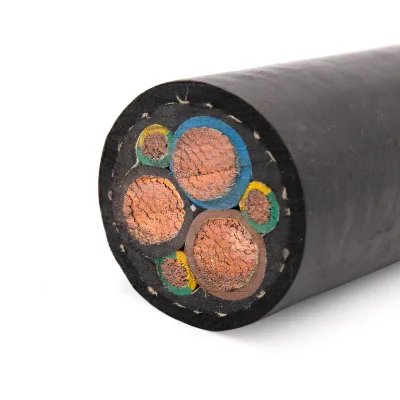
When sourcing flexible tinned wire mining cables, buyers must first establish a clear understanding of the fundamental technical specifications that define product performance in harsh underground environments. The core material composition is a primary determinant of conductivity and durability. Observed product attributes indicate that the wire core material is frequently specified as tinned wire or bare copper wire, with some listings explicitly noting red copper wire as the base material. The tinning process is critical, as it provides a protective layer against oxidation and corrosion, which is essential for cables operating in damp or chemically aggressive mining conditions. The coating process for these wires often involves hot-dipped or electroplating methods, ensuring a robust bond between the copper conductor and the tin coating.
The physical geometry of the cable is equally significant. The wire core material is consistently described as round wire, and the final product shape is round. This geometry facilitates flexibility, allowing the cable to be coiled and uncoiled repeatedly without structural fatigue. The insulation material is predominantly rubber, a choice driven by the need for high flexibility and resistance to mechanical abrasion. In the context of mining applications, the rubber insulation must withstand dynamic stress, which is why product attributes often list the cable status as soft, semihard, or hard, depending on the specific flexibility requirements of the application.
Electrical characteristics are defined by the voltage rating and current capacity. Listings for these cables frequently cite voltage ratings of 640/1100V or 2kV, indicating suitability for both low and medium voltage applications. The current type is specified as both DC and AC, or specifically as AC cable, suggesting versatility in power distribution systems within mining infrastructure. The number of cores varies, with common configurations including 3 cores, 3+2+1 core arrangements, and specific standard sizes ranging from 1.5mm² up to 500 square meters. This wide range of cross-sectional areas allows procurement teams to select the appropriate gauge for specific current loads, ensuring that voltage drop remains within acceptable limits over long underground distances.
Compliance and Certification Verification Protocols
Navigating the regulatory landscape for mining cables requires rigorous verification of certifications and standards. The mining industry operates under strict safety mandates, and non-compliant products can lead to severe operational disruptions or safety hazards. Based on observed product data, a comprehensive certification profile for high-quality mining cables typically includes CCC (China Compulsory Certification), ISO standards, RoHS (Restriction of Hazardous Substances), and UL (Underwriters Laboratories) listings. Additional certifications such as CE, VDE, SGS, and Reach are also frequently cited, indicating adherence to international environmental and safety directives.
Buyers must treat these certifications as mandatory verification points rather than optional marketing claims. The presence of ISO9001 certification, for instance, signals that the manufacturer maintains a quality management system, which is crucial for consistent product quality. Similarly, RoHS compliance ensures that the cable materials do not contain restricted hazardous substances, a requirement for export to many global markets. The VDE certification is particularly relevant for European markets, while UL is essential for North American applications.
It is important to note that while specific standards like IEC 60502 are often associated with power cables, buyers should verify the exact standard applicable to the specific product model. Observed product standards vary significantly, ranging from specific cross-sectional areas like 16mm², 25mm², 35mm², 50mm², 70mm², and 95mm² to AWG measurements like 3/0 AWG. Some listings reference specific model numbers such as "Type 61" or "Type 41," which often correspond to specific trailing cable designs used in mining machinery. Procurement teams must ensure that the product model number aligns with the technical requirements of the mining equipment it will power. Furthermore, the origin of the product, often listed as China, Hebei, Jiangsu, or Tangshan, should be cross-referenced with the certification documents to ensure the factory location matches the certified production site.
Cost Drivers and Pricing Structure Analysis
The pricing of flexible tinned wire mining cables is influenced by a complex interplay of raw material costs, manufacturing complexity, and logistical factors. The primary cost driver is the copper content. Since the wire core material is typically copper (tinned, bare, or red), fluctuations in global copper prices directly impact the final unit cost. The amount of copper required is determined by the cross-sectional area of the cable, which can range from small gauges like 0.07mm up to large industrial sizes like 500 square meters. Consequently, cables with larger cross-sections will inherently command higher prices due to the increased volume of precious metal required.
The insulation material also contributes to cost variability. Rubber insulation, while offering superior flexibility and durability, is generally more expensive than PVC alternatives. The specific type of rubber compound and the thickness of the insulation layer, which must meet voltage rating requirements (e.g., 640/1100V or 2kV), add to the material cost. Additionally, the tinning process itself incurs costs related to the tin coating and the energy required for electroplating or hot-dipping.
Packaging and logistics represent another significant cost component. Products are often shipped on drums, with common drum sizes being 100m or 300m per drum. Some listings specify standard export packaging, while others mention plastic reel packaging, carton vacuum packaging, or iron bobbin packaging. The choice of packaging affects the weight and volume of the shipment, influencing freight costs. Furthermore, the Minimum Order Quantity (MOQ) can vary widely, from as low as 1 unit to as high as 10,000 units. Buyers with smaller order volumes may face higher per-unit costs due to the fixed costs of production setup and packaging. The observed price range in the market spans from $0.01 to $10,000, reflecting the vast difference between small gauge wires and large industrial mining cables.
Typical Applications and Operational Environments
Flexible tinned wire mining cables are engineered for demanding environments where reliability is paramount. The primary application is underground mining, where cables must withstand constant movement, crushing loads, and exposure to moisture and dust. These cables are specifically designed as trailing cables, meaning they are dragged behind heavy machinery such as shearers, loaders, and conveyors. The "Type 61" and "Type 41" designations often refer to specific trailing cable configurations used in this context.
Beyond underground mining, these cables are also utilized in construction and industrial settings. The observed product attributes list applications including construction, industrial power stations, and general underground infrastructure. The versatility of the cable allows it to be used in power transmission and distribution networks, as well as in railway systems. The ability to handle both DC and AC currents makes these cables suitable for a variety of power systems, from direct current electric locomotives to alternating current industrial motors.
The environmental resistance of the cable is a key factor in its application suitability. The rubber insulation and tinned copper core provide protection against oil, grease, and chemical exposure, which are common in mining and industrial facilities. The flexibility of the cable, achieved through the stranded construction and specific rubber compounds, ensures that it can bend around corners and move with machinery without breaking. This durability is essential for maintaining continuous operation in 24/7 mining environments where downtime can result in significant financial losses.
Supplier Evaluation and Origin Verification
Selecting the right supplier is a critical step in the procurement process. Buyers should prioritize suppliers with a proven track record in manufacturing mining-specific cables. The origin of the product is a key indicator of supply chain stability. Many observed listings indicate origins in China, specifically in provinces like Hebei, Jiangsu, and Tangshan. These regions are known for their manufacturing capabilities in electrical components. However, buyers must verify that the supplier's factory location matches the location listed on the certification documents to avoid counterfeit or substandard products.
Supplier evaluation should also focus on the breadth of their product range. A supplier offering a wide variety of core materials, insulation types, and voltage ratings is more likely to meet specific project requirements. The ability to provide customization is another important factor. Product attributes indicate that customization is available, allowing buyers to request specific core counts, insulation thicknesses, or color codes (white, red, black) to meet site-specific safety and identification standards.
When evaluating suppliers, buyers should request detailed product data sheets that confirm the specifications mentioned in the marketing materials. This includes verifying the exact wire core material, the insulation material, and the voltage rating. Suppliers who can provide test reports and certification documents from recognized bodies like SGS or UL demonstrate a commitment to quality and compliance. Additionally, the supplier's ability to handle various packaging requirements, such as drum packaging or vacuum packaging, indicates logistical flexibility.
Quality Control and Long-Term Procurement Considerations
Implementing a robust quality control (QC) process is essential to ensure that the flexible tinned wire mining cables meet the required performance standards. Buyers should establish clear acceptance criteria based on the technical specifications, including voltage rating, current capacity, and mechanical strength. Regular inspections during the manufacturing process can help identify defects early, reducing the risk of receiving substandard products.
Long-term procurement considerations involve building a sustainable relationship with suppliers. This includes negotiating favorable terms for repeat orders, ensuring consistent supply, and establishing clear communication channels for technical support. Buyers should also consider the total cost of ownership, which includes not just the purchase price but also the maintenance and replacement costs. High-quality cables with superior insulation and robust construction may have a higher upfront cost but can offer significant savings over time by reducing downtime and replacement frequency.
Furthermore, buyers should stay informed about changes in industry standards and regulations. As mining safety requirements evolve, the specifications for cables may change. Maintaining a close relationship with suppliers who are aware of these changes can help buyers stay compliant and avoid obsolescence. Finally, buyers should consider the environmental impact of their procurement choices, selecting suppliers who adhere to environmental standards like RoHS and ISO9001 to support sustainable mining practices.
Comparative Analysis of Cable Specifications
To assist buyers in making informed decisions, the following table summarizes key specifications observed in the market for flexible tinned wire mining cables. This comparison highlights the variability in product attributes and helps identify the features that align with specific project needs.
| Specification Category | Common Attributes Observed | Verification Requirement |
|---|---|---|
| Wire Core Material | Tinned Wire, Bare Copper Wire, Red Copper Wire | Confirm alloy type and tinning thickness via test report. |
| Insulation Material | Rubber | Verify rubber compound grade for oil and abrasion resistance. |
| Voltage Rating | 640/1100V, 2kV, Low & Medium Voltage | Ensure rating matches the specific power system voltage. |
| Current Type | DC & AC, AC Cable | Confirm compatibility with the power source (AC/DC). |
| Cross-Sectional Area | 1.5mm² to 500m², 3/0 AWG, 16-95mm² | Select based on current load and voltage drop calculations. |
| Core Count | 3 Cores, 3+2+1 Core | Verify core configuration matches machinery requirements. |
| Certifications | CCC, ISO, RoHS, UL, CE, VDE, SGS | Check validity of certificates and scope of certification. |
| Origin | China (Hebei, Jiangsu, Tangshan) | Verify factory location matches certification documents. |
| Packaging | Drum (100m/300m), Plastic Reel, Vacuum Carton | Confirm packaging type suits logistics and storage needs. |
By carefully analyzing these specifications and adhering to the verification protocols outlined in this guide, buyers can effectively source high-quality flexible tinned wire mining cables that meet the rigorous demands of modern mining operations.
FAQs
What certifications are available for flexible tinned wire mining cables?
Available certifications include CCC, ISO, RoHS, UL, CE, VDE, SGS, and Reach. These ensure compliance with international safety and environmental standards for underground and industrial applications.
Which wire core materials are used in these mining cables?
The wire core material is typically tinned wire, bare copper wire, or red copper wire. These materials provide high conductivity and resistance to corrosion in harsh mining environments.
What voltage ratings do flexible tinned wire mining cables support?
These cables support voltage ratings of 640/1100V and 2kV for low and medium voltage applications. They are designed to handle both DC and AC current types effectively.
Can buyers request customization for flexible tinned wire mining cables?
Yes, customization is available for core count, insulation thickness, and color options like white, red, or black. Buyers can also specify packaging methods such as drums or vacuum packaging.
What are the standard cross-sectional areas for these cables?
Standard sizes range from 1.5mm² to 500 square meters, including specific gauges like 16mm², 25mm², 35mm², and 50mm². This variety allows selection based on specific current load requirements.
Where are flexible tinned wire mining cables typically manufactured?
Products originate from China, specifically in provinces like Hebei, Jiangsu, and Tangshan. Buyers should verify that the factory location matches the certification documents for authenticity.