Source Flame Retardant Reflective Work Pant for Oil, Construction, and Mining
Explore 30 listings for Flame Retardant Reflective Work Pant designed for oil, construction, and mining sectors. Buyers can compare features like anti-static properties, fire proof capabilities, and customized sizing from verified suppliers in China.
Key considerations
Products List
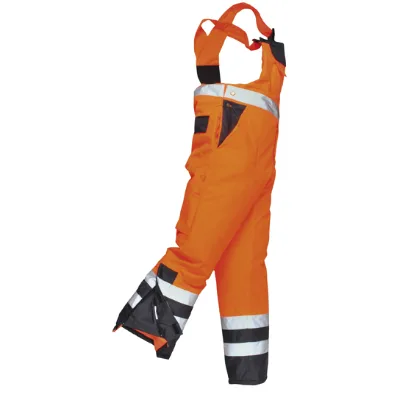
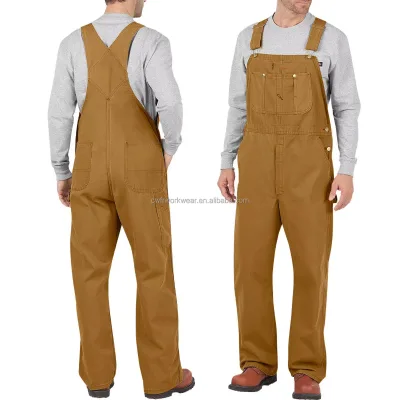
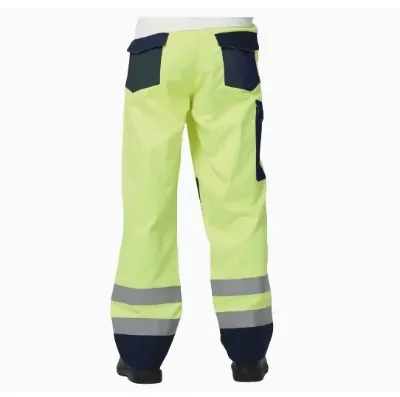
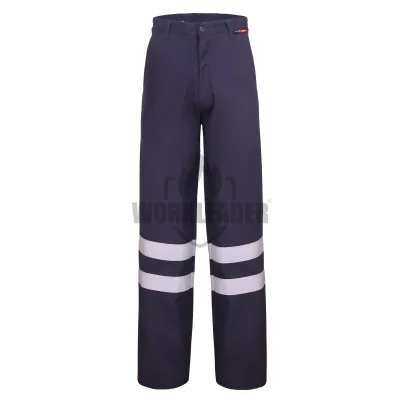
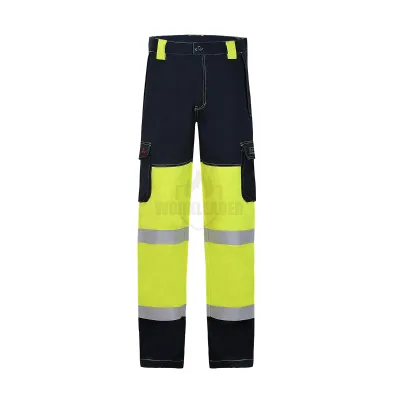


High Visibility Trousers Industrial Grade Work Wear Waterproof Safety Reflective Pants
$8.86 - $9.80
MOQ: 1000 Pieces


High Visibility Waterproof Trousers Workwear Work Pants with Reflective Tape
$14.20 - $16.60
MOQ: 1000 Pieces


High Visibility Trousers Industrial Grade Work Wear Waterproof Safety Reflective Pants
$7.90 - $12.90
MOQ: 1000 Pieces
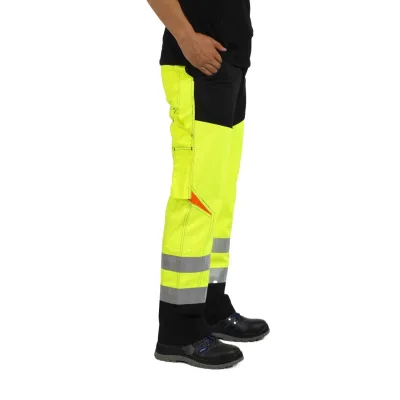
Comprehensive Sourcing Guide
Strategic Sourcing Guide for Flame Retardant Reflective Work Pants
Understanding Technical Specifications and Material Composition
When sourcing flame retardant reflective work pants, the primary objective is to identify garments that provide a reliable barrier against thermal hazards while maintaining high visibility in low-light environments. The technical foundation of these products lies in their material composition and construction methods. Based on available market data, the material composition for such workwear varies significantly between suppliers. Some manufacturers utilize a blend of 65% polyester and 35% cotton, engineered to be anti-static with a weight of 230gsm, while others offer 100% cotton variants. This distinction is critical because the ratio of synthetic to natural fibers directly influences the garment's durability, comfort, and inherent flame-retardant properties.
The functional attributes required for these pants extend beyond simple fire resistance. Buyers must verify that the product possesses a multi-layered defense system, including anti-static capabilities to prevent ignition from static electricity and water-proofing to ensure protection in wet conditions. The reflective component is equally vital; specifications often cite the use of silver FR (Flame Retardant) reflective tape. This tape must be applied in a manner that ensures it remains visible and intact even after repeated washing and exposure to harsh industrial environments. Furthermore, the construction quality is often highlighted by features such as seamless fusing, which can enhance the structural integrity of the garment and reduce potential failure points under stress.
The sizing and customization options are also key technical considerations. While standard sizing exists, the market frequently offers customized sizes to fit diverse workforce demographics. The color palette is not limited to a single hue; options often include red, blue, acid blue, and navy, with the flexibility for custom color requests. This customization extends to branding, where suppliers may offer customized logo printing or customer-specific branding to meet corporate identity requirements. The product type is generally categorized as work wear clothing uniform, specifically designed for construction and industrial fields where high-visibility and flame protection are non-negotiable.
Compliance and Certification Verification
Navigating the regulatory landscape for flame retardant workwear requires a rigorous verification of compliance and certification. In the European market, specific standards serve as the benchmark for safety. The supplied data indicates that products may adhere to EN 11611, which relates to protective clothing for welding and allied processes, and EN ISO 11611, which covers protective clothing for use in welding and allied processes. Additionally, EN ISO 11612 is a critical standard for protective clothing against heat and flame, ensuring the garment can withstand specific thermal exposures.
Electrostatic properties are governed by standards such as EN 1149-5, which tests the electrical resistance of the material to prevent static buildup. For environments involving electric arc flashes, compliance with IEC 61482-2 is essential, as this standard defines the requirements for protective clothing against the thermal hazards of an electric arc. It is important to note that while some data points mention ASTM F1506, this standard is considered low-confidence in the current context and should not be assumed as a universal requirement without explicit confirmation from the supplier.
Certification bodies play a pivotal role in validating these claims. Buyers should look for products that carry CE marking, indicating conformity with health, safety, and environmental protection standards for products sold within the European Economic Area. Furthermore, ISO9001 certification for the manufacturer's quality management system is a strong indicator of a supplier's commitment to consistent production standards. However, the presence of a certification mark on a product listing does not automatically guarantee that every unit meets the standard; buyers must request specific test reports or certificates of conformity for the specific batch being ordered.
Cost Drivers and Pricing Structures
The pricing of flame retardant reflective work pants is influenced by a complex interplay of material costs, certification requirements, and order volume. The observed market price range for these items spans from 1 to 30 USD, a wide variance that reflects differences in material quality, brand positioning, and the extent of customization. A lower price point often correlates with standard cotton blends or basic reflective tape applications, whereas higher prices may indicate advanced inherent flame-retardant fibers, higher GSM weights, or specialized branding services.
Minimum Order Quantity (MOQ) is a significant factor in the total cost of procurement. The market data shows an MOQ range from 1 to 1000 units, with a specific observation of 500 PCS as a common threshold for certain suppliers. Ordering at or above the MOQ can significantly reduce the unit cost, but it also increases the upfront capital required. For buyers with smaller needs, suppliers offering lower MOQs may charge a premium per unit to cover setup and production inefficiencies.
Additional cost drivers include the customization of logos, colors, and sizes. Customized logo printing and customer-specific branding often incur extra fees. Similarly, the requirement for customized sizes or specific color combinations like acid blue or navy may affect the production timeline and cost. The packaging requirements also contribute to the final price; for instance, a single package size of 40x35x30 cm versus 30x25x3 cm will impact shipping logistics and volume costs. Buyers should request a detailed breakdown of costs to understand how much of the price is attributed to the base garment versus value-added services like branding or specialized packaging.
Typical Applications and Hazard Protection Levels
Flame retardant reflective work pants are designed for specific industrial environments where the risk of fire, heat, and low visibility is prevalent. The primary application areas include construction sites, welding operations, and general industrial workfields. In these settings, workers are exposed to sparks, molten metal, and open flames, making the flame-retardant property of the pants essential for preventing severe burns. The hazard protection type is often classified as Level D (Basic Protective Suits), which implies that the garment provides a basic level of protection against specific hazards but may not be sufficient for all extreme scenarios without additional protective gear.
The "Hi-vis" aspect of these pants is crucial for workers operating in areas with moving machinery, low-light conditions, or high traffic. The combination of flame retardancy and high visibility ensures that workers are not only protected from thermal hazards but are also easily seen by equipment operators. The usage is explicitly defined for "Working Fields Workwear Uniform," indicating that these are not casual garments but specialized equipment designed for professional safety compliance.
The specific features of the pants, such as being anti-static and fire-proof, make them suitable for environments where static electricity could ignite flammable gases or dust. The reflective tape, typically silver and flame-retardant, ensures that the wearer remains visible even in smoky or dusty conditions where visibility is compromised. It is important for buyers to match the specific hazard profile of their workplace with the protection level offered by the pants. For instance, while Level D protection may suffice for general construction, environments with high-risk electric arc exposure may require additional testing against IEC 61482-2 standards.
Supplier Evaluation and Quality Control
Evaluating a supplier for flame retardant workwear requires a deep dive into their manufacturing capabilities and quality assurance processes. The place of origin for many of these products is Henan, China, a region known for its textile industry. However, the location alone does not guarantee quality. Buyers should verify the supplier's "Supply Type," which often includes OEM (Original Equipment Manufacturer) services, allowing for customization of the product to meet specific corporate needs.
Quality control should be a central part of the supplier evaluation. Look for suppliers who explicitly state "High Quality" as a product attribute, but more importantly, request evidence of their internal QC processes. This includes checking for consistent stitching, the durability of the reflective tape, and the uniformity of the flame-retardant treatment. The presence of a "Seamless Fusing" feature is a positive indicator of advanced manufacturing techniques that can enhance the longevity of the garment.
When assessing suppliers, consider their ability to provide consistent product attributes across different batches. Variations in material composition, such as switching between 100% cotton and a polyester-cotton blend, can significantly alter the performance of the pants. Buyers should also verify the "Brand Name" associated with the product; while some suppliers may use generic names like "cw" or "WORKLEADER," the reputation of the brand can be a proxy for the reliability of the product.
Long-Term Procurement Considerations
Sourcing flame retardant reflective work pants is not a one-time transaction but a long-term commitment to worker safety. Buyers must consider the lifecycle of the product, including its washability and durability. The material composition, such as the 230gsm weight, suggests a balance between durability and comfort, but the long-term performance depends on the supplier's ability to maintain the flame-retardant properties after multiple wash cycles.
Inventory management is another critical consideration. With MOQs ranging from 1 to 1000 units, buyers need to align their order quantities with their consumption rates to avoid overstocking or stockouts. The packaging details, such as "1pc/polybag /50pcs/carton," should be factored into storage and logistics planning. Additionally, the lead time for customized orders, which may vary based on the complexity of the logo printing or color customization, must be accounted for in the procurement schedule.
Finally, buyers should establish a relationship with suppliers who are responsive to feedback and willing to adapt to changing safety standards. As regulations evolve, the ability of a supplier to update their product lines to meet new EN or ISO standards will be crucial. By focusing on suppliers with robust certification records and a track record of high-quality production, buyers can ensure a steady supply of reliable protective gear that meets the evolving needs of their workforce.
FAQs
What certifications do these flame retardant reflective work pants have?
These pants typically carry CE and ISO9001 certifications. They also adhere to standards like EN 11611, EN ISO 11612, and EN 1149-5 to ensure safety against heat, flame, and static electricity in industrial environments.
Which materials are used to make these flame retardant reflective work pants?
Materials vary between 100% cotton and a blend of 65% polyester with 35% cotton. The fabric often weighs 230gsm and is treated to be anti-static while maintaining inherent flame-retardant properties for worker safety.
Can I get customized sizes and logos for these flame retardant reflective work pants?
Yes, both customized sizes and logo printing are available. Suppliers offer OEM services allowing buyers to specify colors like navy or acid blue and add customer-specific branding to the protective uniform.
What is the typical minimum order quantity for these flame retardant reflective work pants?
The minimum order quantity ranges from 1 to 1000 units, with 500 pieces being a common threshold. Lower MOQs may incur higher unit costs, while larger orders often benefit from reduced pricing structures.
How do these flame retardant reflective work pants protect against hazards?
They provide Level D protection with features like anti-static, fire-proof, and water-proof capabilities. Silver FR reflective tape ensures high visibility, while seamless fusing enhances structural integrity against sparks and heat.
Where are these flame retardant reflective work pants manufactured?
The place of origin is primarily Henan, China. This region is known for its textile industry, and suppliers there offer various supply types including OEM services for customized protective workwear clothing.