Source Floor Mounted Fume Extraction Arm for Labs
Compare 30 Floor Mounted Fume Extraction Arm options from China. These units feature PP or aluminum alloy construction, wall or ceiling mounting, and 5-year warranties for hospital, lab, school, and factory applications; compare the available evidence and request quotations based on your requirements.
Key considerations
Products List
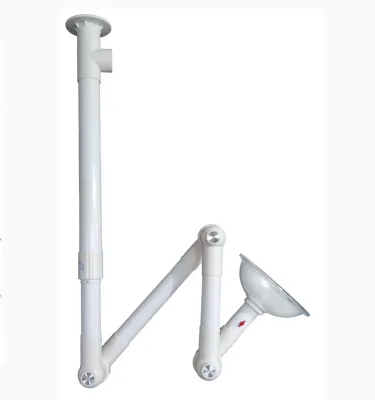


Innovative Removable Dust and Fume Extractor with Double Flexible Arms
$400.00 - $550.00
MOQ: 1 Pieces

High Quality Air Cleaning Equipment Fume Extractor with Dust Extrac Arm
$400.00 - $550.00
MOQ: 1 Pieces

High Quality Air Cleaning Equipment Fume Extractor with Dust Extrac Arm
$400.00 - $550.00
MOQ: 1 Pieces


Comprehensive Sourcing Guide
Floor Mounted Fume Extraction Arm Sourcing Guide
Procurement professionals must first distinguish between wall-mounted and ceiling-mounted configurations when evaluating floor-mounted fume extraction arms, as the supplied data explicitly lists these as primary structure types. While the core keyword suggests a floor-based installation, the available product attributes indicate that the physical mounting mechanism often involves wall-fixed or ceiling-suspended units that extend into the workspace. Buyers should verify if the "floor mounted" description refers to a mobile base unit or a mislabeled wall/ceiling system, ensuring the selected model aligns with the specific spatial constraints of the laboratory or factory environment.
The observed product range includes variations in material composition, such as polypropylene (PP), aluminum alloy, stainless steel, and carbon steel, which directly influence the suitability for different chemical environments. Sourcing teams must cross-reference the specific application requirements, such as hospital or school settings, against the available material options to ensure corrosion resistance and durability. It is critical to confirm whether the arm's construction supports the intended load and chemical exposure, as the listed attributes show a mix of plastic and metal components that serve different functional roles in the extraction system.
Product Scope and Observed Listing Signals
The product listings reveal a diverse range of specifications, including hood sizes like 375mm and customizable options, alongside elastic pipe diameters of 75mm or 110mm. Buyers should scrutinize these dimensions to ensure compatibility with existing ventilation ductwork and fume hood interfaces within their facility. The presence of multiple model numbers, such as Frp75, JH-FE003, and EH-DN200, suggests a modular approach where specific components can be tailored to the unique airflow requirements of different laboratory setups.
Commercial signals indicate a wide price variance from approximately 51 USD to 10,000 USD, reflecting differences in material quality, customization levels, and included accessories like filter cartridges. The minimum order quantity (MOQ) ranges from 1 to 5 units, offering flexibility for small-scale procurement while potentially requiring bulk commitments for larger industrial projects. Procurement officers must analyze the total cost of ownership, considering that higher-priced units may include advanced features like anti-static properties or specific temperature resistances up to 140 degrees.
Technical Specifications to Verify
Technical due diligence requires confirming the exact installation method, as the data lists both horizontal installation and wall-mounted fixed installation as distinct options. Buyers must verify if the "floor mounted" requirement can be met through a compatible base or if the system is strictly designed for overhead or wall attachment. The listed activity performance of 360-degree horizontal rotation is a critical feature for operator flexibility, and this capability must be validated against the specific movement patterns required in the target workspace.
Material specifications vary significantly across the listings, with options including PP, PVC, stainless steel, carbon steel, and fire-proof materials. It is essential to match the material selection to the specific chemical hazards present in the laboratory or factory to prevent degradation or failure. Additionally, the dust collecting method described as "half dry" and the operation type listed as "automatic" must be confirmed to ensure they align with the facility's safety protocols and maintenance capabilities.
Compliance and Safety Documentation
Safety compliance is paramount, and buyers should request documentation verifying that the products meet recognized standards such as SGS, ISO, and CE. The presence of these certifications in the listing signals a baseline level of quality assurance, but procurement teams must ensure that the specific batch or model ordered carries valid, up-to-date certification documents. Relying on general certification claims without verifying the scope of coverage can lead to non-compliance with local occupational health and safety regulations.
The warranty period of five years is a significant commercial and safety indicator, suggesting manufacturer confidence in the product's longevity and structural integrity. However, buyers must clarify the specific terms of this warranty, including what components are covered and the process for claiming repairs or replacements. Understanding the warranty scope is crucial for risk management, as it directly impacts the long-term operational costs and the availability of spare parts for the fume extraction system.
Cost Drivers and Commercial Terms
Pricing is heavily influenced by the customization options available, such as specific hood sizes, pipe lengths ranging from 2m to 10m, and material choices like stainless steel versus carbon steel. Buyers should request detailed quotes that break down the costs associated with these variables to understand the true cost drivers. The single package size of 101x41x29 cm and a gross weight of 8 kg are standard metrics that affect shipping logistics and freight costs, which should be factored into the total landed cost calculation.
Commercial terms must address the packaging details, which are listed as cartons or plywood packing depending on the model, to ensure safe transit of the delicate extraction arms. The selling unit is typically a single item, but the MOQ of 1 to 5 units may impact the unit price through volume discounts. Procurement teams should negotiate clear terms regarding lead times and delivery schedules, as the variability in model numbers and customization can significantly affect the time required to fulfill an order.
Supplier Qualification and Quality Control
Supplier qualification should focus on verifying the place of origin, which is consistently listed as Shandong, China, and assessing the manufacturer's capacity to meet the specific model requirements. Buyers must evaluate the supplier's ability to provide the full range of models, from JH-FE003 to EH-DN200, and ensure they can maintain consistent quality across different production batches. The condition of the products is listed as new, but on-site audits or third-party inspections may be necessary to confirm this status before shipment.
Quality control processes must include verification of the product standard, such as the 1x20'GP container standard mentioned, to ensure proper handling and storage during transit. The supplier's ability to provide test results or performance data for the anti-static features and temperature resistance is essential for validating the product's safety claims. Establishing a clear communication channel for quality assurance issues is vital, especially given the complex nature of the mechanical and material specifications involved in fume extraction systems.
Long-Term Procurement Checks
Long-term procurement strategies should prioritize the availability of spare parts and the ease of maintenance for the fume extraction arms. The listed elastic pipe diameters and hood sizes suggest a need for compatible replacement components, which must be readily available from the supplier to minimize downtime. Buyers should inquire about the supplier's inventory management for parts like filter cartridges and flexible pipes to ensure a steady supply chain for ongoing operations.
Regular performance reviews are necessary to ensure the extraction arms continue to meet the safety and efficiency standards required in hospital, laboratory, school, and factory environments. The five-year warranty provides a framework for long-term support, but buyers must establish a schedule for routine inspections to detect wear and tear early. Maintaining a relationship with the supplier for technical support and potential upgrades will help adapt the fume extraction systems to evolving safety regulations and operational needs.
FAQs
What materials are used for the fume extraction arm?
The product is constructed from PP, PVC, and metal fiber. Inner supports utilize PP or aluminum alloy. Stainless steel and carbon steel options are also available for specific industrial applications requiring durability and chemical resistance.
Can the fume extraction arm be customized?
Yes, customization is available for this equipment. Buyers can select specific hood sizes, such as 375mm or custom dimensions. Elastic pipe diameters of 75mm or 110mm are offered. Lengths range from 2m to 10m to fit various laboratory layouts.
What certifications does the fume extraction arm have?
The product holds ISO and CE certifications. It also meets SGS standards. These credentials ensure compliance with international safety and quality requirements for laboratory and hospital environments, providing assurance for global procurement projects.
How is the fume extraction arm installed?
Installation methods include wall-mounted, ceiling-mounted, or horizontal fixed setups. The unit supports 360-degree horizontal rotation for flexible positioning. It is designed for straightforward mounting in hospitals, schools, and factories to ensure stable operation.
What is the warranty period for the arm?
The manufacturer provides a 5-year warranty for this product. This coverage applies to the new condition unit weighing 8kg. It ensures long-term reliability for laboratory fume extraction needs in various institutional settings.
What is the MOQ for this product?
The minimum order quantity ranges from 1 to 5 units. This flexible MOQ allows small labs or large factories to order suitable quantities. The selling unit is a single item, simplifying the procurement process for buyers.