Source Floor Register Options for Offices, Data Centers, and Surveillance Systems
Find and compare 30 Floor Register products tailored for offices, data centers, and surveillance systems. Evaluate specifications such as material, size, and certification to select the right solution for your ventilation or mounting needs.
Key considerations
Products List


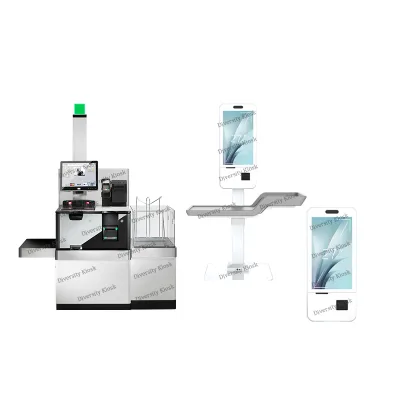
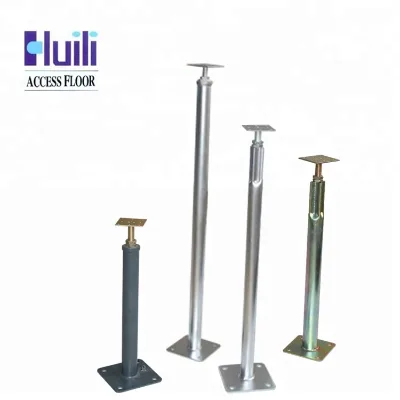


Custom Stainless Steel Electric Cash Register Automatic Cashier Counter
$200.00 - $250.00
MOQ: 10 Sets




Comprehensive Sourcing Guide
Floor Register Sourcing Guide
Procuring floor registers requires a clear distinction between standard HVAC air distribution components and specialized flooring systems that may share similar naming conventions in global marketplaces. While the core keyword often points to ventilation grilles, the available supply data reveals a broader spectrum of industrial and commercial flooring solutions, including raised access floors and network cabinets that serve as foundational infrastructure for modern building management. Buyers must first clarify whether the requirement is for a simple air vent or a complex structural flooring system, as the technical verification steps and compliance needs differ significantly between these categories.
The observed market signals indicate a diverse range of product models and origins, primarily sourced from major manufacturing hubs in China such as Hebei, Zhejiang, and Jiangsu. Listings show variations in material composition, ranging from stainless steel and general metal alloys to specialized composite structures with cement infills and carpet coverings. This diversity necessitates a rigorous initial screening process to ensure that the specific product model, such as the JSQ-2E or FS662-FS1500, aligns with the intended application, whether it is for office environments, video surveillance systems, or general HVAC airflow management.
Product Scope and Observed Listing Signals
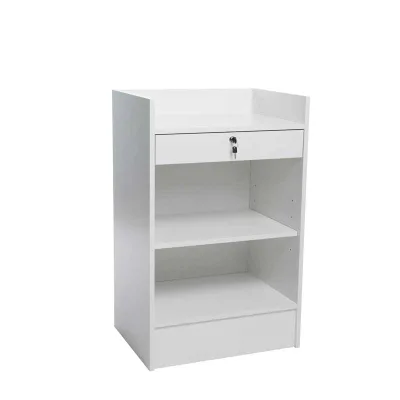
Buyers should expect to encounter a wide array of product attributes that define the functional scope of the listed items, including specific dimensions like 600*600mm panels and thicknesses of 33mm. The supply chain data highlights products designed for specific environments, such as offices, with features like anti-static, waterproof, soundproof, and fireproof capabilities. These attributes suggest that the "Floor Register" category in this context often encompasses raised access flooring systems or specialized industrial flooring rather than simple air vents, requiring the buyer to verify the exact functional intent before proceeding with an order.
The observed listing signals also include detailed packaging and shipping configurations, ranging from yellow paper cartons and bubble bags to palletized panels and plywood cases. Some products are explicitly described as having a "Corner Lock System" for installation, while others feature mesh iron doors for network cabinets, indicating a mix of structural flooring and equipment housing solutions. Understanding these physical characteristics is critical, as the packaging method and installation system directly impact logistics planning and on-site assembly requirements for the procurement team.
Technical Specifications to Verify
Technical verification must begin with the precise model number and material composition, as the data shows specific identifiers like JSQ-2, OEM, and TUL-RACK alongside materials such as stainless steel and various metal types. Buyers need to confirm whether the product requires a specific machining method, such as extrusion, and verify the tolerance levels, which are observed to be as tight as +/-0.01mm for certain precision components. Ensuring that the material grade matches the environmental demands, such as corrosion resistance for industrial settings or aesthetic finishes like brushed surfaces, is essential for long-term performance.
Dimensional accuracy and functional specifications are equally critical, with observed data pointing to standardized sizes like 600*600mm and custom options for screen sizes or rack models. The infill material, such as cement, and the covering type, like carpet, must be validated against the load-bearing requirements and acoustic needs of the installation site. Additionally, the installation method, whether it involves a vertical setup or a corner lock system, must be compatible with the existing building infrastructure to prevent structural failures or installation delays.
Compliance and Safety Documentation
Compliance verification should focus on the presence of recognized international certifications, as the supply data frequently lists ISO 9001, SGS, and TS 16949 as standard credentials for these products. Buyers must ensure that the specific batch of goods carries valid certificates for the relevant standards, including ASME, EN, and GB, which are cited in the product attributes. These certifications serve as a baseline for quality management and safety, confirming that the manufacturing processes adhere to established industry norms for material integrity and production consistency.
In addition to general quality certifications, specific product types may require compliance with environmental and safety standards such as RoHS, CE, TUV, and Intertek. For applications involving electronic monitoring systems or network integration, verifying that the materials used are non-toxic and meet fire safety regulations is paramount. The presence of a 100% inspection before shipping protocol is a strong indicator of a supplier's commitment to quality, but buyers should still request independent test reports to validate claims regarding fireproofing, anti-static properties, and thermal insulation performance.
Cost Drivers and Commercial Terms
Cost drivers in this sector are heavily influenced by the complexity of the product, including the material type, such as stainless steel versus general metal, and the level of customization required. The observed price range of 0.5 to 3000 USD reflects the vast difference between simple components and complex, fully assembled systems like network cabinets or raised access floors. Buyers should anticipate that custom models, those with specialized surface treatments like brushing, or those with unique infill materials will command a premium over standard, off-the-shelf inventory.
Commercial terms are defined by the observed lead times and minimum order quantities, which range from 30 to 50 days for production and 1 to 500 units for MOQs. The lead time is a critical factor for project scheduling, as it encompasses the manufacturing, quality inspection, and packaging phases. Buyers must negotiate clear terms regarding payment schedules and shipping responsibilities, especially when dealing with large palletized shipments or custom orders that require specific packaging like plywood cases to ensure safe transit.
Supplier Qualification and Quality Control
Supplier qualification should prioritize manufacturers with a proven track record in the specific region of origin, such as Hebei, Zhejiang, or Jiangsu, where the data indicates a concentration of production facilities. The presence of multiple certifications like ISO 9001 and TS 16949 suggests a mature manufacturing ecosystem, but buyers must verify that the specific factory has the capacity to handle the required volume and customization levels. Checking the supplier's history with similar projects, particularly those involving video surveillance systems or office flooring, can provide insight into their reliability and technical competence.
Quality control protocols must be explicitly defined in the procurement agreement, leveraging the observed "100% Inspection Before Shipping" standard as a baseline requirement. Buyers should insist on detailed inspection reports that cover dimensional tolerances, surface finish quality, and functional testing of features like anti-static properties or door mechanisms. Establishing a clear communication channel for pre-shipment samples and third-party verification can mitigate the risk of receiving non-conforming goods, ensuring that the final product meets the rigorous technical specifications outlined in the initial order.
Long-Term Procurement Checks
Long-term procurement success depends on establishing a robust relationship with suppliers who can consistently deliver products that meet evolving project needs. Buyers should monitor the supplier's ability to maintain consistent quality over time, particularly for custom orders where the risk of variation is higher. Regular audits of the production process and periodic reviews of the certification status of the supplied goods are essential to ensure that the supplier continues to adhere to the required standards and safety protocols.
Finally, buyers must plan for the lifecycle management of the installed products, considering factors such as the "Long Life of Usage" attribute observed in the product data. This involves verifying the availability of spare parts, the durability of the installation systems like corner locks, and the ease of maintenance for features such as carpet coverings or mesh doors. By focusing on these long-term operational aspects, procurement teams can ensure that the initial investment in floor registers and related infrastructure delivers sustained value and minimizes future replacement costs.
FAQs
What certifications do the floor registers have?
The products hold ISO 9001, SGS, and TS 16949 certifications. Additional certificates include CE, RoHS, TUV, and Intertek depending on the specific model. These ensure compliance with international quality and safety standards for industrial applications.
How long is the lead time for orders?
The standard lead time ranges from 30 to 50 days for production. This duration accounts for manufacturing processes like extrusion and surface treatments such as brushing. Buyers should plan their procurement schedules accordingly to ensure timely delivery.
Can the products be customized for specific needs?
Yes, customization is available for various product attributes including models and standards. Buyers can request specific dimensions or functional requirements like anti-static or waterproof properties. This flexibility allows the products to meet diverse industrial and commercial specifications.
What materials are used in manufacturing these registers?
The primary materials include stainless steel and general metal types like steel. Some specific models feature infill materials such as cement and coverings like carpet. These material choices ensure durability and suitability for environments requiring thermal insulation or fireproofing.
Which inspection methods are applied before shipping?
A 100% inspection is conducted before shipping to ensure quality control. This process verifies that all units meet the specified tolerances of plus or minus 0.01mm. Buyers can rely on this rigorous checking to receive defect-free products.
What are the standard packaging options for delivery?
Packaging options include yellow paper cartons, bubble bags, and pallets with plywood cases. Panels are often packed on pallets while pedestals are packed separately. These methods protect the products during transit and facilitate efficient handling upon arrival.
Where are these products manufactured?
The products originate from China, specifically from regions like Hebei and Zhejiang. Some items are also sourced from Jiangsu. These locations are known for their manufacturing capabilities in metal processing and industrial component production.