Source Floor Polishing Electric Motor for Concrete and Stone
Find 30 Floor Polishing Electric Motor options for concrete, marble, and terrazzo surfaces. Compare working widths, power ratings, and dust collection features to select the right tool for your construction needs; compare the available evidence and request quotations based on your requirements.
Key considerations
Products List


Electric Automatic Engineering Construction Machinery Concrete Floor Polisher
$550.00 - $1500.00
MOQ: 1 Pieces


Terrazzo Concrete Marble Electric Motors Floor Polisher and Cleaner Grinder Equipment
$755.00 - $2403.00
MOQ: 1 Pieces


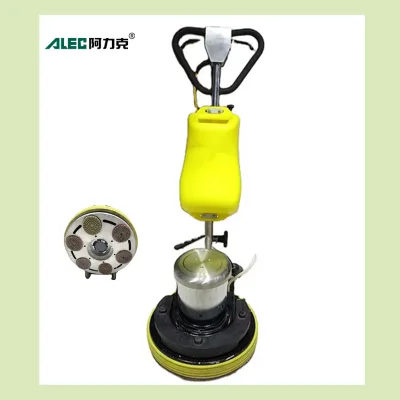


Comprehensive Sourcing Guide
Floor Polishing Electric Motor Sourcing Guide
Procuring electric floor polishing equipment requires a clear understanding of the specific mechanical and electrical parameters that define performance in industrial and commercial settings. Buyers must distinguish between general surface preparation tools and specialized units designed for high-gloss finishes on materials like concrete, marble, and terrazzo. The market offers a variety of configurations, from hand-push models to more complex automatic systems, each serving distinct operational needs. Understanding these distinctions is the first step in aligning procurement with actual site requirements, ensuring that the selected machinery delivers the necessary torque, speed, and coverage area for the intended project scope.
This guide focuses on the technical and commercial aspects of sourcing electric floor grinders and polishers, emphasizing verification of critical specifications such as motor power, working width, and dust extraction capabilities. By examining observed listing signals and standard industry practices, buyers can navigate the complexities of international trade and supplier evaluation. The objective is to provide a structured approach to identifying reliable equipment that meets safety standards and operational efficiency goals, thereby minimizing the risk of procurement errors and ensuring long-term value for the investment.
Product Scope and Observed Listing Signals
The current market landscape for floor polishing machines reveals a diverse range of products primarily categorized by their application and working type. Listings frequently highlight tools suitable for construction environments, including hotels, garment shops, and building material stores, indicating a broad utility across various commercial sectors. The observed product range includes concrete floor grinders with working widths spanning from 250mm to 700mm, catering to both narrow corridors and expansive open spaces. These machines are often marketed with keywords such as "dustless concrete grinder" and "electric concrete floor grinder," signaling a focus on clean operation and electric power sources, which are critical for indoor environments where air quality and noise levels are concerns.
Further analysis of listing attributes shows that many units are designed for manual operation, described as "hand push" or controlled artificially, rather than fully autonomous systems. This distinction is vital for buyers who need to assess the physical labor requirements of their teams. Additionally, the presence of customization options suggests that suppliers can tailor certain features to specific client needs, such as adjusting the voltage to match local electrical infrastructure, which often ranges from 220V to 380V. Buyers should carefully review these signals to ensure that the machine's physical dimensions and operational mode align with their site's logistical constraints and workforce capabilities.
Technical Specifications to Verify
When evaluating technical specifications, the motor power and speed are paramount indicators of a machine's grinding efficiency and versatility. Observed data indicates that working motors typically range from 3kW to 15kW, with specific models featuring 5.5kW engines, while vacuum motors may vary from 750W to 2400W to ensure effective dust collection. Buyers must verify that the rated voltage matches their facility's power supply, as options often include 220V or 380V configurations. Additionally, the motor speed, often observed around 1410-1750 RPM, influences the finish quality and the rate of material removal, so selecting the appropriate speed range is essential for achieving the desired surface texture on materials like granite, terrazzo, or polished concrete.
The physical dimensions and structural components of the grinder also require close scrutiny to ensure compatibility with the job site. Working widths observed in listings range from 250mm to 700mm, with specific models offering a 630mm width, which directly impacts the coverage area and the number of passes required for a complete job. Buyers should also check the weight of the unit, as heavier machines like those weighing 180kg may offer better stability and grinding pressure, while lighter units at 68kg might be easier to maneuver in tight spaces. Furthermore, the number of grinding heads, such as the six heads found in some models, affects the uniformity of the finish, making this a critical specification to confirm before purchase.
Compliance and Safety Documentation
Safety and regulatory compliance are non-negotiable aspects of sourcing industrial floor polishing equipment, particularly when operating in regulated environments. Buyers must ensure that the machinery meets relevant international standards, such as CE, ISO, and EPA certifications, which are often listed as product standards in supplier catalogs. These certifications indicate that the equipment has undergone rigorous testing for electrical safety, mechanical integrity, and environmental impact, particularly regarding dust emission levels. Verifying the presence of these documents is essential for avoiding legal liabilities and ensuring that the equipment can be legally operated in various jurisdictions, especially when importing from regions like China where manufacturing standards may vary.
In addition to formal certifications, buyers should request detailed safety manuals and operational guidelines that outline proper usage procedures and maintenance schedules. These documents should clearly specify the required personal protective equipment (PPE) for operators, such as hearing protection and respiratory masks, especially when using machines with vacuum motors that may not capture all fine particulates. It is also important to verify that the electrical components, including the power source and control modes, are designed to prevent accidental startup or electrical faults. Ensuring that the supplier provides comprehensive safety documentation helps in training staff effectively and maintaining a safe working environment, thereby reducing the risk of workplace accidents and associated costs.
Cost Drivers and Commercial Terms
The cost of floor polishing machines is influenced by several key factors, including motor power, working width, and the inclusion of additional features like dust extraction systems. Higher power motors and wider working widths generally command higher prices due to the increased material and engineering costs involved. Buyers should also consider the impact of customization options, which may add to the base price but can provide significant long-term value by tailoring the machine to specific operational needs. Additionally, the packaging method, whether in wooden boxes or cartons, can affect shipping costs and the risk of damage during transit, so it is important to factor these logistical considerations into the total cost of ownership.
Commercial terms such as minimum order quantity (MOQ), payment terms, and lead times also play a crucial role in the procurement process. Observed MOQs range from 1 to 500 units, allowing for flexibility depending on the scale of the project. Buyers should negotiate clear payment terms that protect their interests, such as using secure payment methods or escrow services, and clarify lead times to ensure timely delivery. It is also advisable to inquire about warranty coverage and after-sales support, as these factors can significantly impact the long-term reliability and cost-effectiveness of the equipment. Understanding these commercial dynamics helps buyers make informed decisions that balance upfront costs with long-term operational efficiency.
Supplier Qualification and Quality Control
Selecting a qualified supplier is critical to ensuring the reliability and performance of the floor polishing equipment. Buyers should verify the supplier's manufacturing capabilities, including their production capacity and quality control processes, to ensure that the machines meet the specified technical standards. Requesting detailed product specifications, including motor ratings, working widths, and voltage options, allows buyers to compare offerings objectively and identify any discrepancies between advertised features and actual capabilities. Additionally, checking for certifications such as CE, ISO, and EPA can provide assurance that the supplier adheres to recognized industry standards for safety and environmental compliance.
Quality control measures should be a key part of the supplier evaluation process, with buyers requesting evidence of rigorous testing procedures before shipment. This may include factory audits, third-party inspections, or sample testing to verify the machine's performance under real-world conditions. Buyers should also assess the supplier's responsiveness and willingness to provide technical support, as this can be invaluable in resolving any issues that arise during installation or operation. By prioritizing suppliers with a strong track record of quality and customer service, buyers can mitigate the risk of receiving substandard equipment and ensure a smoother procurement experience.
Long-Term Procurement Checks
Long-term procurement success depends on establishing a robust framework for ongoing supplier evaluation and equipment maintenance. Buyers should implement regular performance reviews to assess the reliability and efficiency of the floor polishing machines in their operations, tracking metrics such as downtime, maintenance costs, and finish quality. This data can help identify potential issues early and inform future purchasing decisions, ensuring that the equipment continues to meet operational needs. Additionally, maintaining open communication with suppliers for updates on new technologies or improvements can help buyers stay ahead of industry trends and optimize their fleet of polishing machines.
It is also important to establish a comprehensive maintenance and spare parts strategy to ensure the longevity of the equipment. Buyers should verify the availability of replacement parts, such as grinding heads and vacuum motors, and ensure that they have access to technical support for repairs and troubleshooting. Regular training for operators on proper usage and maintenance procedures can also extend the lifespan of the machines and reduce the risk of premature wear and tear. By focusing on these long-term checks, buyers can maximize the return on their investment and maintain a high standard of floor finishing quality over time.
FAQs
What is the working width range for these concrete floor grinders?
The working width ranges from 330mm to 700mm depending on the specific model selected. This variation allows operators to choose equipment suitable for different project scales, from narrow residential areas to wide commercial spaces. The G-300/600/630/700 series offers distinct widths to match specific operational requirements efficiently.
Can these machines operate on standard electrical voltages?
Yes, the machines support both 220V and 380V rated voltages to accommodate various power infrastructure setups. This dual-voltage capability ensures compatibility with different regional electrical standards. Operators should verify the specific voltage requirement for their site before connecting the power source to ensure safe and optimal motor performance.
How much does the S650 model weigh?
The S650 model weighs approximately 180kg. This weight contributes to the machine's stability during high-precision grinding operations on concrete and stone surfaces. The substantial mass helps maintain consistent contact with the floor, ensuring uniform material removal and a smooth finish without excessive vibration or bouncing during use.
What certifications do these floor polishing machines hold?
These machines hold CE, ISO, and EPA certifications, indicating compliance with international safety and environmental standards. These credentials assure buyers of the product's quality and regulatory adherence. The certifications cover electrical safety, manufacturing quality management, and emissions control, providing confidence for global procurement and deployment in regulated markets.
What is the dust box capacity for these grinders?
The dust box capacity ranges from 20L to 24L across the product line. This volume allows for extended operation periods before emptying, reducing downtime during large-scale flooring projects. The integrated dust collection system supports a cleaner working environment by capturing debris generated during the grinding and polishing of concrete and marble surfaces.
Are customization options available for these concrete grinders?
Yes, customization is available for these concrete grinders to meet specific client requirements. Buyers can request modifications to suit particular application fields or operational preferences. This flexibility allows for tailored solutions in various industries, including hotels, garment shops, and building material shops, ensuring the equipment aligns precisely with unique workflow needs.