Find Floor-Standing 120kw Ev Charger With Pos Terminal for Fleets, Public Lots, and Commercial Sites
Source 30 verified options for a floor-standing 120kw ev charger with pos terminal designed for fleet depots, public parking facilities, and commercial charging hubs. Buyers can compare power ratings, connector types, and installation requirements across multiple listings.
Key considerations
Products List


OEM 160kw DC Fast EV Charger Commercial Floor-Mounted Charging Stations
$11000.00 - $12000.00
MOQ: 1 Pieces


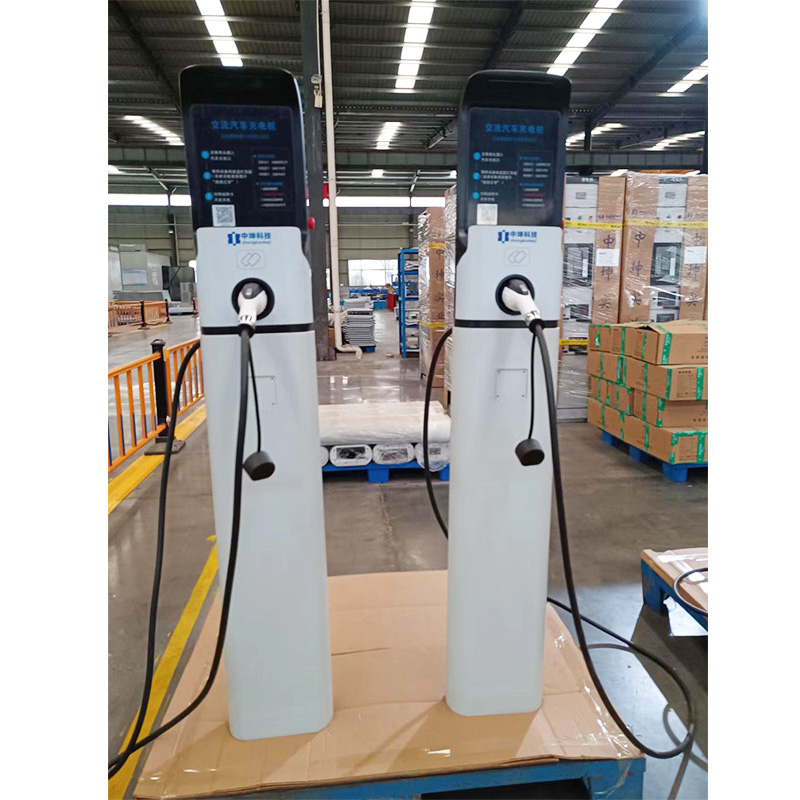


240kw Floor Mounted Fast EV Charging Station Charger for Electronic Vehicle
$30158.00 - $33158.00
MOQ: 1 Pieces


120/160kw Floor-Standing Dual Connector EV DC Charging Station DC EV Fast Charger
$11241.00 - $12500.00
MOQ: 1 Pieces

Comprehensive Sourcing Guide
Strategic Sourcing Guide for Floor-Standing 120kW EV Chargers with POS Integration
Understanding the Technical Architecture of High-Power DC Charging Stations
When sourcing a floor-standing 120kW EV charger equipped with a Point of Sale (POS) terminal, buyers must first distinguish between the physical form factor and the electrical architecture. The market for these units is characterized by a specific set of technical parameters that define their operational capability. The core specification for a unit in this category typically centers on a rated power output of 120kW, though the observed data indicates a broader range where units can deliver outputs from 80kW up to 240kW, with specific models designated as 120kW DC chargers. The physical installation method is a critical differentiator; while some units are designed for wall mounting, the specific requirement for a "floor-standing" unit implies a robust cabinet structure designed for ground-level deployment in public or commercial parking environments.
The electrical input requirements for these high-power units are substantial. Data suggests that the input voltage typically operates on a three-phase system, with observed ranges including 380V AC and 400VAC/480VAC. The input frequency is generally compatible with global standards, supporting 50Hz or 60Hz. On the output side, the charger must support a wide voltage range to accommodate various battery chemistries. Observed specifications indicate an output voltage range spanning from 150VDC to 1000VDC, with a constant power voltage range often starting at 300VDC and extending to 1000VDC. This wide range is essential for fast-charging modern electric vehicles that operate at high voltage platforms. The maximum output current for a 120kW system is observed to reach approximately 342A, while higher-power variants in the same product line can reach up to 685A.
Connectivity and interface standards are equally vital. The charging piles must support multiple connector types to ensure compatibility with the diverse fleet of electric vehicles. The observed data lists support for GB/T, CCS2, CCS1, CHAdeMO, and NACS connectors. The physical cable length is another specification to verify, with standard lengths observed at 5 meters, though customization options are available for specific site requirements. The cooling method is another technical consideration; while some high-power units utilize active cooling, the provided data notes "Natural Cooling" as a configuration for certain models, which impacts the thermal management strategy and the physical size of the unit.
Compliance, Safety Standards, and Environmental Durability
For a public-use charging station, compliance with safety and environmental standards is non-negotiable. The procurement process must verify that the unit meets specific protection ratings and safety protocols. The observed data highlights an IP54 protection rating, which indicates that the unit is protected against dust and water jets from any direction, making it suitable for outdoor floor-standing installations. However, buyers must confirm if this rating applies to the entire enclosure or specific components, as higher-end public stations often require IP55 or IP65 ratings for enhanced weather resistance.
Safety protection mechanisms are critical for preventing equipment failure and ensuring user safety. The observed specifications list several layers of protection, including overvoltage protection and lightning protection. These features are essential for preventing damage from grid surges or atmospheric events. Additionally, the operating temperature range is a key compliance metric. The data indicates a range of -30°C to 75°C, suggesting the unit is designed to function in extreme climates. Buyers should verify that the specific model they select is certified for the local climate conditions of the installation site.
The electrical standards and dimensions also play a role in compliance. Observed product standards list physical dimensions such as 720x560x1750mm and 1660x900x1940mm, which vary by model. It is crucial to ensure that the chosen unit fits the designated parking space and complies with local building codes regarding clearance and accessibility. The input voltage range of 323VAC to 437VAC suggests a tolerance for grid fluctuations, but buyers must verify that this aligns with the local utility infrastructure. Furthermore, the presence of a POS terminal implies compliance with financial data security standards, which must be verified separately from the electrical safety certifications.
Cost Drivers and Pricing Dynamics in the 120kW Segment
The pricing of a floor-standing 120kW EV charger with a POS terminal is influenced by several complex factors. The observed price range in the market spans from $280 to $38,000. This wide disparity indicates that the final cost is highly dependent on the specific configuration, brand positioning, and included features. The lower end of the price spectrum likely represents basic units or components, while the higher end reflects fully integrated systems with advanced POS terminals, multiple charging interfaces, and premium build quality.
Key cost drivers include the rated power output, the number of charging interfaces, and the complexity of the cooling system. A unit with a single pile capable of multiple charges, as observed in the data, may offer different pricing tiers compared to a dual-output system. The inclusion of a POS terminal adds significant cost, as it requires integration with payment gateways, secure hardware, and software licensing. The choice of connector types also impacts price; units supporting a wider array of standards (GB/T, CCS1, CCS2, CHAdeMO, NACS) often command a premium due to the complexity of the internal switching and cabling.
The Minimum Order Quantity (MOQ) is another factor influencing the unit cost. The observed MOQ range is between 1 and 2 units, suggesting that buyers can source single units for pilot projects or small deployments. However, bulk purchasing may unlock better pricing tiers. The warranty period, observed at 2 years for some models, also affects the total cost of ownership. Buyers should consider the long-term maintenance costs and the availability of spare parts when evaluating the total price. Additionally, the origin of the product, noted as China, can influence shipping costs and import duties, which must be factored into the final budget.
Typical Applications and Deployment Scenarios
The floor-standing 120kW EV charger with a POS terminal is designed for high-traffic commercial and public environments. The "Public Use" classification observed in the data points to deployment in locations such as shopping centers, highway rest stops, municipal parking lots, and commercial fleet depots. These locations require a robust unit that can handle frequent use and provide a seamless payment experience for users. The POS terminal integration is particularly valuable in these settings, allowing for immediate payment processing without the need for a separate kiosk or mobile app dependency.
The installation type, specified as "Floor Type," makes these units ideal for locations where wall mounting is not feasible or where the charging station needs to be freestanding to accommodate multiple parking spots. The dimensions observed, such as 720x560x1750mm, indicate a footprint that must be carefully planned to ensure accessibility for all users, including those with disabilities. The ability to support multiple connector types (GB/T, CCS2, CCS1, CHAdeMO, NACS) makes these chargers versatile for mixed fleets of vehicles, which is common in public charging stations.
The rated power of 120kW is suitable for fast charging, reducing the dwell time for vehicles at the station. This is critical for high-turnover locations where users expect quick service. The operating temperature range of -30°C to 75°C ensures reliability in diverse climates, making these units suitable for deployment in both cold northern regions and hot southern areas. The customization options available for cable length and other attributes allow for tailored solutions that fit specific site layouts.
Supplier Evaluation and Service Capabilities
When evaluating potential suppliers for these high-power charging stations, buyers should focus on service capabilities and customization options. The observed data indicates that OEM/ODM services are available, allowing buyers to brand the units and customize specific features to meet their operational needs. This is particularly important for businesses looking to integrate the chargers into their existing ecosystem or to offer a branded charging experience.
The "After Sale" service rating of 5 suggests a high level of customer support, but buyers must verify the specific terms of this service, including response times, availability of technical support, and the scope of the warranty. The warranty period of 2 years is a standard baseline, but buyers should negotiate for extended coverage or specific service level agreements (SLAs) that guarantee uptime. The availability of customization for the length of the charging cable and other attributes is a positive indicator of a flexible supplier capable of meeting unique site requirements.
Buyers should also assess the supplier's experience with the specific standards and certifications required for their market. While the data mentions compliance with certain standards, the buyer must verify that the supplier has a track record of delivering units that meet local regulatory requirements. The "Public Use" classification implies that the supplier must have experience with large-scale deployments and the ability to manage logistics for heavy equipment.
Quality Control and Long-Term Procurement Considerations
Quality control is paramount when procuring high-power EV charging infrastructure. Buyers should implement a rigorous inspection process that includes verifying the IP54 rating, checking the integrity of the cooling system, and testing the electrical output parameters. The observed peak efficiency of ≥96% is a strong indicator of quality, but buyers should request independent test reports to confirm this performance metric under real-world conditions.
Long-term procurement considerations include the availability of firmware updates, the ease of maintenance, and the scalability of the system. The "One Pile with Multiple Charges" configuration suggests a modular approach, which can be beneficial for future expansion. Buyers should also consider the energy efficiency of the unit, as higher efficiency translates to lower operational costs over the lifespan of the charger. The input current range of ≤231A for a 120kW unit and ≤462A for a 240kW unit highlights the need for robust electrical infrastructure, which should be factored into the site preparation phase.
The integration of the POS terminal requires careful planning to ensure data security and seamless transaction processing. Buyers should verify that the terminal supports the necessary payment methods and complies with financial regulations. The "Mobile Remote Operation" and "RFID Authentic" start modes observed in the data offer flexibility for different user preferences, but the security of these authentication methods must be validated.
Comparative Analysis of Key Specifications
To facilitate decision-making, the following table summarizes the key specifications observed in the market for floor-standing 120kW EV chargers with POS integration. This comparison highlights the variations in power, dimensions, and connectivity that buyers should consider.
| Specification | Model A (Example) | Model B (Example) | Model C (Example) |
|---|---|---|---|
| Rated Power | 120kW | 160kW | 240kW |
| Installation Type | Floor Type | Floor Type | Floor Type |
| Input Voltage | 380V AC | 400VAC / 480VAC | 380V AC |
| Output Voltage | 150VDC~1000VDC | 200-1000VDC | 150VDC~1000VDC |
| Max Output Current | 342A (System) | N/A | 685A (System) |
| Connectors | GB/T, CCS2, CCS1 | GB/T, CCS2, CCS1 | GB/T, CCS2, CCS1, CHAdeMO, NACS |
| Protection Rating | IP54 | IP54 | IP54 |
| Operating Temp | -30°C to 75°C | -30°C to 75°C | -30°C to 75°C |
| Dimensions | 720x560x1750mm | 560x1750mm (Varies) | 1660x900x1940mm |
| Warranty | 2 Years | 2 Years | 2 Years |
| Cooling Method | Natural Cooling | Natural Cooling | Natural Cooling |
| Start Mode | RFID, Mobile, Card | RFID, Mobile, Card | RFID, Mobile, Card |
This table illustrates the diversity in the market. While the core power rating and installation type remain consistent, the output current, connector options, and physical dimensions vary significantly. Buyers must align these specifications with their specific site requirements and the vehicle types they expect to serve. The presence of multiple connector types in some models offers greater flexibility, while the higher output current in larger models supports faster charging for high-capacity batteries.
Final Procurement Recommendations
In conclusion, sourcing a floor-standing 120kW EV charger with a POS terminal requires a meticulous approach that balances technical specifications, compliance, and cost. Buyers should prioritize units that offer the necessary connector diversity, robust safety protections, and reliable after-sales support. The wide price range observed in the market necessitates a clear definition of requirements to avoid overpaying for unnecessary features or under-specifying for critical needs. By focusing on the key parameters outlined in this guide, buyers can make informed decisions that ensure the successful deployment of high-quality charging infrastructure. The availability of customization and OEM/ODM services further enhances the ability to tailor the solution to specific operational goals. Ultimately, the success of the procurement depends on a thorough understanding of the technical landscape and a strategic approach to supplier evaluation.
FAQs
What is the rated power range for these chargers?
The rated power ranges from 120kW to 240kW depending on the specific model configuration. Some units offer output power options including 80, 100, 120, 150, 160, 180, and 240kW to suit different charging needs.
Can the charger support multiple connector types?
Yes, the unit supports GB/T, CCS2, CCS1, CHAdeMO, and NACS connectors. This multi-standard compatibility ensures the charger works with a wide variety of electric vehicle models in public use environments.
How is the charging station installed on the floor?
The installation type is floor standing, designed for ground-level deployment in parking areas. The unit dimensions vary by model, with some measuring 720x560x1750mm or 1660x900x1940mm to fit specific site layouts.
What is the input voltage requirement for operation?
The input voltage typically operates at 380V AC or 400VAC/480VAC. The system supports an input voltage range of 323VAC to 437VAC, ensuring compatibility with various grid fluctuations and frequencies of 50Hz or 60Hz.
Is customization available for cable length and features?
Customization is available for cable length and other product attributes to meet specific site requirements. Buyers can also request OEM/ODM services to brand the units or modify features like the POS terminal integration.
What safety protections are included in the design?
The charger includes overvoltage protection and lightning protection to ensure operational safety. It also features an IP54 protection rating, making it resistant to dust and water jets for reliable outdoor performance.
What is the warranty period for the equipment?
The standard warranty period for these units is 2 years. Buyers should verify specific after-sale service terms, as some models may offer additional support options depending on the supplier agreement.