Source Flooring Mallet for Building Decoration, Paving Tile, and Household Tool Set
Compare 30 Flooring Mallet options from Chinese suppliers featuring rubber heads and wooden handles. Buyers can evaluate OEM support, shockproof designs, and various applications including building decoration and paving tile work.
Key considerations
Products List


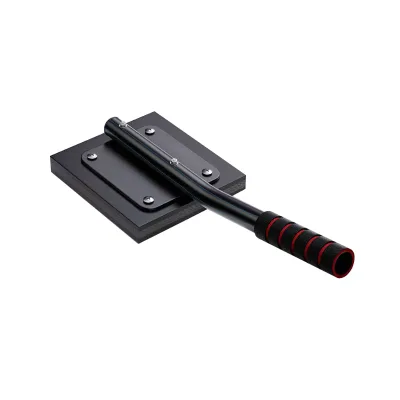
Olid Rubber Mallet with Interchangeable Heads for Floor Tile Installation
$1.11 - $1.44
MOQ: 500 Pieces


$20.00 - $30.00
MOQ: 300 Square Meters


$21.99 - $25.98
MOQ: 300 Square Meters
Comprehensive Sourcing Guide
Strategic Sourcing Guide for Flooring Mallets and Installation Tools
The global market for flooring installation tools has evolved significantly, with the Flooring Mallet emerging as a critical component for both professional contractors and DIY enthusiasts. Sourcing these tools requires a nuanced understanding of material science, application-specific requirements, and supply chain logistics. Unlike generic hammers, flooring mallets are engineered to deliver impact force without damaging sensitive flooring surfaces such as laminate, engineered wood, or ceramic tiles. This guide provides a comprehensive framework for buyers to evaluate suppliers, verify product specifications, and ensure long-term procurement success based on verified market data and technical standards.
Technical Specifications and Material Composition
The performance of a Flooring Mallet is fundamentally dictated by its material composition and structural design. When evaluating potential suppliers, buyers must scrutinize the hammer head and handle materials. In the current market, rubber is a dominant material for the hammer head, specifically chosen for its shock-absorbing properties. This material choice ensures that the impact force is distributed evenly across the flooring surface, preventing chipping or cracking. The handle material is equally critical; wood remains a standard choice due to its balance of strength and vibration dampening. However, buyers should verify if the handle is treated or finished to prevent splintering and ensure a secure grip during prolonged use.
Weight is a primary specification that varies significantly across product lines. Market observations indicate a wide range of weights, with specific models offering options such as 500g, 560g, 750g, 890g, and 1150g. The selection of weight depends heavily on the specific application. Lighter mallets, typically around 500g to 750g, are often preferred for delicate laminate flooring or precision work where excessive force could cause damage. Heavier mallets, exceeding 890g, are better suited for heavy-duty applications like setting paving tiles or compacting interlocking floor tiles where higher impact energy is required. Buyers should not assume a single weight fits all scenarios; instead, they must match the tool's mass to the specific flooring material being installed.
The physical dimensions of the mallet also play a role in usability. Standard specifications for certain models indicate dimensions such as 25108cm or 15*15cm, which influence the leverage and reach of the tool. The handle color, whether pure or colorful, is often a branding choice but can also serve as a safety indicator in a busy workshop environment. Furthermore, the product model numbers, such as H-RM-107 or HHT-H-07, serve as unique identifiers that help buyers track specific configurations and ensure consistency in future orders.
Compliance, Certification, and Safety Standards
In the B2B procurement landscape, compliance with international standards is non-negotiable. Buyers must verify that suppliers adhere to recognized safety and quality certifications. The CE certification is a prominent standard observed in the market, indicating that the product meets EU safety, health, and environmental requirements. This is particularly relevant for suppliers exporting from China, where many manufacturers aim for global market access.
Safety features extend beyond certification to the functional design of the tool. While some tools in the broader category may be explosion-proof, flooring mallets are generally not classified as explosion-proof devices. This distinction is crucial for buyers operating in hazardous environments; they must ensure the tool is suitable for the specific site conditions. The product origin, often listed as Shandong or Shenzhen in China, provides context for the manufacturing base but does not inherently guarantee quality. Buyers must rely on the specific certifications attached to the product rather than the geographic location alone.
Environmental standards are also gaining prominence. Products may be subject to environmental standards that dictate the materials used in manufacturing, such as the use of non-toxic rubbers or sustainably sourced wood. The "EFunction" standard, which may refer to specific environmental or functional classifications, suggests that the product offers properties like waterproofing, anti-static capabilities, soundproofing, and thermal insulation, although these are more commonly associated with the flooring materials themselves rather than the mallet. Buyers should clarify if the mallet's packaging or the tool itself adheres to specific environmental protocols, especially if the end client has strict sustainability mandates.
Cost Drivers and Pricing Structures
Understanding the cost drivers for flooring mallets is essential for budgeting and negotiation. The observed price range in the market is vast, spanning from $0.01 to $7,125. This extreme variance is not indicative of a single product type but rather reflects the diversity of the catalog, which includes everything from single-item retail units to bulk industrial orders or specialized custom sets. The low end of the spectrum likely represents basic, single-unit purchases, while the high end may include large-scale procurement of specialized tool sets, custom-branded inventory, or bundled packages with other installation accessories.
The Minimum Order Quantity (MOQ) is a significant factor influencing the unit cost. The market shows an MOQ range from 1 to 100,000 units. Suppliers offering an MOQ of 1 are typically catering to small retailers or individual contractors, whereas those requiring 100,000 units are targeting large distributors or government contracts. Buyers must align their order volume with the supplier's capacity to negotiate favorable pricing. Customization is a major cost driver; options for OEM (Original Equipment Manufacturer) and ODM (Original Design Manufacturer) support allow buyers to add their own logos or modify designs. However, these customizations often come with higher MOQs and longer lead times.
Packaging also impacts the final cost. Products are available in various packing configurations, including carton, bag packing, or specialized boxes. The standard packaging for some items is listed as 25kgs per carton, which affects shipping logistics and freight costs. Buyers should calculate the total landed cost, including packaging, shipping, and duties, rather than focusing solely on the unit price. Additionally, the warranty period, often cited as 1 year for certain models, adds value and reduces the long-term risk of procurement.
Typical Applications and Usage Scenarios
Flooring mallets are versatile tools designed for a wide array of applications. The primary use cases include building decoration, where the mallet is used to install various types of flooring materials. Specific applications listed in the market data include machinist hammer tasks, roofing hammer duties, and household tool sets. This indicates that some mallets are multi-purpose, serving both specialized trade functions and general home improvement needs.
For professional installers, the mallet is essential for laying paving tiles, interlocking floor tiles, and grouting. The "tile beater" type is specifically designed for these tasks, ensuring that tiles are seated correctly without damage. The application age is consistently listed as "Adult," confirming that these tools are intended for professional or serious DIY use rather than children's play. The handle color, whether pure or colorful, may help distinguish between different tool types in a professional toolkit, but the functional application remains the primary driver of selection.
The versatility of these tools extends to their use in electrical tool sets and nail hammer applications. This suggests that some flooring mallets are part of a broader ecosystem of hand tools. Buyers should verify the specific application for each model, as a mallet optimized for paving tiles may not be ideal for delicate laminate flooring. The "Use Place" attribute, listed as "Building Decoration," reinforces the professional nature of these tools. Whether for commercial or household usage, the mallet must be selected based on the specific flooring material and the required impact force.
Supplier Evaluation and Customization Capabilities
When evaluating suppliers, buyers should look for evidence of robust customization capabilities. The market data confirms that OEM and ODM support are available, allowing buyers to brand products with their own logos or request specific design modifications. This is a critical factor for companies looking to build a private label brand. The "Customized Support" attribute is explicitly listed as OEM, and some suppliers offer both OEM and ODM services.
The brand name "SIKE" is observed in the market, serving as an example of an established manufacturer. However, buyers should not limit their search to known brands; many suppliers offer generic or unbranded options that can be customized. The "Customized" attribute is listed as available for various products, indicating flexibility in production. Buyers should verify the supplier's ability to handle small orders, as some suppliers accept small orders, which is beneficial for testing the market or fulfilling immediate needs without committing to large volumes.
Supplier reliability is also indicated by the "Warranty" attribute, with a 1-year warranty being a common offering. This suggests a level of confidence in the product's durability. Buyers should also check the "Selling Units," which are often listed as "Single item," indicating that suppliers are flexible in their sales models. The "Appearance" of the product, such as powder coating or specific finishes, should be verified to ensure it meets the buyer's aesthetic and functional requirements.
Quality Control and Long-Term Procurement Considerations
Quality control is paramount in the procurement of flooring mallets. Buyers must implement rigorous inspection protocols to ensure that the products meet the specified standards. The "Shockproof" attribute is a key quality indicator, suggesting that the tool is designed to withstand repeated impacts without degrading. However, buyers should verify this claim through independent testing or by requesting test reports from the supplier.
Long-term procurement considerations include the consistency of the product specifications. The "Model Number" and "Product Standard" attributes provide a framework for maintaining consistency. For example, the standard "25kgs/Carton" for packaging ensures that shipping and storage are standardized. Buyers should also consider the "Drying Method" and "Layer" specifications if the product involves composite materials, ensuring that the manufacturing process is consistent and reliable.
The "Pattern" and "Style" attributes, such as "Wood Grain" or "Modern," are relevant for products that may be sold as part of a larger aesthetic package. Buyers should ensure that the visual design of the mallet aligns with the brand image they wish to project. Finally, the "Thickness" of the product, listed as 15mm for some items, is a critical dimension that affects the tool's durability and performance. Buyers should verify these dimensions against their specific requirements to avoid mismatches in the final product.
Comparative Analysis of Product Attributes
To facilitate decision-making, the following table summarizes key attributes observed in the market for flooring mallets and related tools. This comparison helps buyers identify the most suitable product for their specific needs based on verified data.
| Attribute | Observation A | Observation B | Observation C |
|---|---|---|---|
| Hammer Material | Rubber | Rubber | Composite |
| Handle Material | Wood | Wood | Wood |
| Weight Range | 500g - 1150g | 560g - 890g | 500g |
| Application | Paving Tile, Machinist | Roofing, Household | Electrical Tool Set |
| Certification | CE | None Listed | None Listed |
| Customization | OEM, ODM | OEM | Customized Logo |
| Packaging | Carton, Bag | Carton | Bag Packing |
| Origin | Shandong, China | Shenzhen, China | China |
| Warranty | 1 Year | 1 Year | 1 Year |
| Standard | 25108cm | 1515, 1520 | 25kgs/Carton |
This table highlights the diversity in the market. While rubber and wood are consistent materials, the applications and dimensions vary. Buyers must use this data to filter suppliers based on their specific project requirements. The presence of CE certification in some models but not others indicates that buyers must actively verify compliance rather than assuming it. Similarly, the variation in packaging and origin suggests that logistics and supply chain management will play a significant role in the final procurement decision.
In conclusion, sourcing flooring mallets requires a detailed understanding of the technical specifications, market standards, and supplier capabilities. By focusing on verified attributes such as material composition, weight, and certification, buyers can make informed decisions that ensure quality and performance. The wide range of options available allows for customization and scalability, making it possible to find the perfect tool for any flooring installation project.
FAQs
What materials are used for Flooring Mallet heads and handles?
The hammer head is made of rubber to prevent damage to flooring surfaces, while the handle is constructed from wood for strength and vibration dampening. This combination ensures impact force is distributed evenly without chipping tiles or laminate.
Which certifications are available for flooring mallets from China?
Some flooring mallets carry CE certification, indicating compliance with EU safety and environmental standards. Buyers should verify this specific certification on product listings rather than assuming all items from China meet this requirement.
Can buyers customize flooring mallets with their own logos?
Yes, OEM and ODM support are available for customizing logos and designs on these tools. Buyers can request branded packaging or specific handle colors, though custom orders may require higher minimum order quantities.
What weight options exist for flooring mallets?
Weights range from 500g to 1150g, with specific models offering 560g, 750g, 890g, and 1150g options. Lighter weights suit delicate laminate work, while heavier models are better for compacting paving tiles.
How are flooring mallets packaged for shipping?
Packaging options include cartons and bag packing, with some items listed at 25kgs per carton. The standard packaging affects shipping logistics and freight costs, so buyers should calculate total landed costs accordingly.
What is the warranty period for flooring mallets?
A one-year warranty is commonly offered for certain Flooring Mallet models. This warranty period adds value by reducing long-term procurement risk, though buyers should confirm the specific terms for each supplier.