Source Floral Beaded French Lace Fabric for Wedding, Bridal, Home Textile
Compare 30 listings of Floral Beaded French Lace Fabric featuring embroidery, beads, and sequins. Buyers can evaluate widths, materials like polyester and mesh, and customization options for wedding dresses, bridal gowns, and home textiles.
Key considerations
Products List
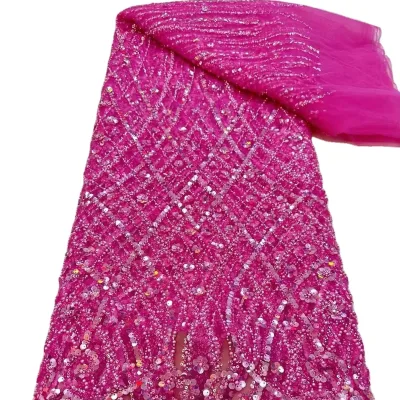
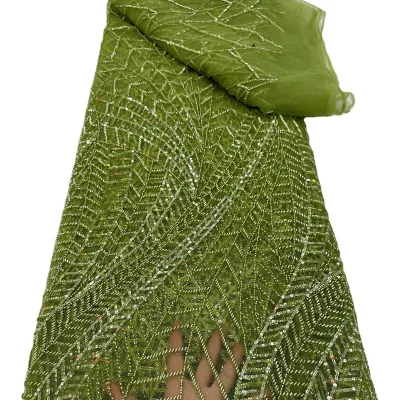


Chic Beaded Lace Embroidery Fabric for Stunning Dress and Decor Projects
$4.00 - $9.00
MOQ: 300 Meters
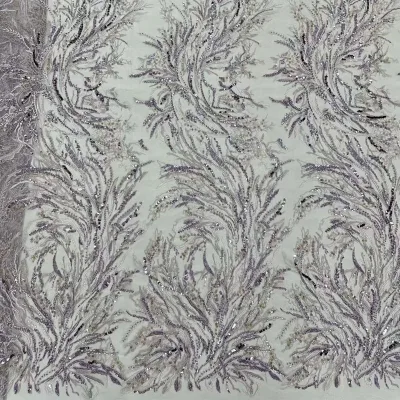


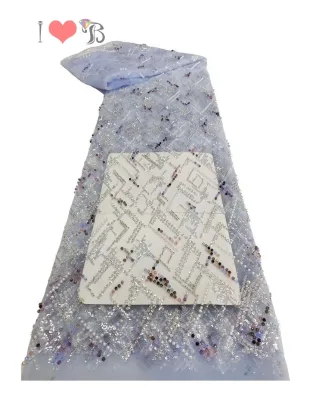

Comprehensive Sourcing Guide
Floral Beaded French Lace Fabric Sourcing Guide
Sourcing high-quality Floral Beaded French Lace Fabric requires a nuanced understanding of both traditional craftsmanship and modern manufacturing capabilities. While the term "French lace" often evokes images of historic European ateliers, the current global supply landscape is heavily influenced by production hubs in Guangdong, China, where advanced machinery and skilled labor converge to produce intricate designs at competitive price points. Buyers must navigate the distinction between authentic heritage lace and contemporary interpretations that replicate the aesthetic through machine embroidery and digital design tools. This guide provides a structured approach to evaluating suppliers, verifying technical specifications, and ensuring that the final product meets the rigorous demands of bridal, fashion, and home textile applications.
The procurement process for this specialized textile involves balancing aesthetic complexity with functional durability. Floral patterns combined with beadwork create a high-value product that is sensitive to variations in thread tension, bead placement, and base fabric integrity. Buyers should approach this category with a focus on evidence-based verification rather than relying solely on marketing terminology. By establishing clear criteria for material composition, width consistency, and decorative element security, purchasers can mitigate the risks associated with bulk orders and ensure that the delivered fabric aligns with the intended design vision.
Product Scope and Observed Listing Signals
The observed market signals indicate a diverse range of product offerings that fall under the broad category of embroidered lace fabrics. Listings frequently highlight specific model numbers such as B3090, B0884, and GKBT-174, suggesting that suppliers maintain extensive catalogs of pre-designed patterns rather than relying exclusively on custom development for every order. The presence of multiple model identifiers implies that buyers can often select from existing designs, which may reduce lead times and development costs compared to creating a bespoke pattern from scratch. These model numbers serve as critical reference points for quality consistency, allowing procurement teams to reorder identical batches with confidence.
Material composition and decorative elements are key differentiators in this product scope. The supplied facts confirm that materials range from 100% polyester to mesh bases, with embroidery threads often made from nylon for added strength and sheen. Decorative features such as beads, sequins, and rhinestones are commonly integrated into the floral motifs, enhancing the visual appeal and tactile richness of the fabric. Buyers should note that while "French lace" is a stylistic descriptor, the actual construction is often machine embroidery, which allows for precise replication of complex floral patterns. Understanding these material distinctions is essential for evaluating the hand feel, drape, and longevity of the final textile.
Technical Specifications to Verify
Width consistency is a critical technical parameter that directly impacts cutting efficiency and material waste. Observed listings show a variety of standard widths, including 125-130cm, 51/52 inches, 54/55 inches, and specific metric standards like 148cm or 140cm. Buyers must verify the exact width required for their pattern layout before placing an order, as deviations can lead to significant cost overruns due to increased fabric consumption. It is advisable to request physical samples to measure the usable width, accounting for any selvage edges that may not be suitable for garment construction. Confirming the width specification ensures that the fabric aligns with the technical requirements of the design software and cutting plans.
The integrity of the decorative elements, particularly beads and sequins, must be rigorously tested for durability. The supplied facts mention accessories such as beads, sequins, and rhinestones, which are applied to the embroidered base. Buyers should verify the attachment method and tension of these elements to prevent shedding during washing or wear. Inquiries should focus on whether the beads are sewn on with reinforced knots or if they are heat-set, as this affects the fabric's suitability for high-use applications like wedding dresses or evening gowns. Additionally, the type of embroidery, whether machine or hand-finished, influences the texture and detail resolution, so visual inspection of sample swatches is necessary to confirm the desired aesthetic quality.
Compliance and Safety Documentation
Environmental and safety standards are increasingly important in the textile supply chain, particularly for fabrics used in bridal and intimate apparel. The supplied facts indicate that some products are marketed as eco-friendly and water-soluble, which may refer to specific backing materials or dyeing processes. Buyers should request documentation to verify these claims, such as OEKO-TEX certification or similar third-party validations that confirm the absence of harmful substances like heavy metals in the beads or toxic residues in the polyester fibers. Understanding the chemical composition of the fabric is essential for ensuring compliance with international safety regulations, especially when exporting to markets with strict environmental standards.
Flammability and colorfastness are additional compliance areas that require attention. While specific test results are not provided in the observed data, buyers should inquire about the fabric's performance under standard flammability tests, particularly for garments used in close proximity to heat sources or for children's wear. Colorfastness to light and washing is also crucial for maintaining the appearance of the floral patterns and beadwork over time. Procurement teams should ask suppliers to provide test reports or certificates of analysis that demonstrate the fabric's resistance to fading, bleeding, and degradation, ensuring that the final product retains its quality throughout its lifecycle.
Cost Drivers and Commercial Terms
Pricing in the floral beaded lace market is influenced by the complexity of the design, the density of the embroidery, and the type of embellishments used. Observed price ranges vary significantly, reflecting differences in material quality and labor intensity. Buyers should expect higher costs for fabrics with intricate beadwork or those using premium threads like nylon. The minimum order quantity (MOQ) also plays a role in pricing, with ranges observed from 1 to 1000 units. Smaller orders may incur higher per-unit costs due to setup fees and limited production efficiency, while larger volumes can benefit from economies of scale. Understanding these cost drivers helps in budgeting and negotiating favorable terms with suppliers.
Sample orders and lead times are critical components of the commercial agreement. The supplied facts confirm that sample orders are supported with a lead time of approximately 7 days, which is a valuable asset for rapid prototyping and design validation. Buyers should clarify whether samples are free or charged, and if charged, whether the cost is credited against future bulk orders. Payment terms, shipping methods, and packaging details, such as OPP bags or cartons, should be explicitly agreed upon to avoid misunderstandings. Clear communication regarding these commercial terms ensures a smooth transaction process and minimizes the risk of delays or additional costs.
Supplier Qualification and Quality Control
Supplier qualification involves assessing the manufacturer's capability to produce consistent, high-quality lace fabrics. Buyers should verify the supplier's experience in embroidery and beadwork, as well as their ability to handle custom orders if required. The supplied facts indicate that OEM/ODM services are available, suggesting that many suppliers are equipped to adapt designs to specific client needs. It is important to evaluate the supplier's quality control processes, including in-line inspections and final random inspections, to ensure that defects such as loose threads, misaligned beads, or uneven embroidery are minimized. A robust quality control system is essential for maintaining brand reputation and customer satisfaction.
Communication and responsiveness are key indicators of a reliable supplier. Buyers should assess the supplier's ability to provide timely updates on production status and their willingness to address concerns or requests for modifications. The availability of customization options, such as specific color palettes or pattern adjustments, can be a significant advantage for unique design projects. Establishing a clear line of communication and setting expectations for response times can help prevent misunderstandings and ensure that the project stays on track. Building a strong relationship with a qualified supplier can lead to better pricing, priority production, and improved service over time.
Long-Term Procurement Checks
Continuous monitoring of supplier performance is essential for maintaining a stable and efficient supply chain. Buyers should regularly review key performance indicators such as on-time delivery rates, defect rates, and responsiveness to issues. Tracking these metrics over time can help identify trends and potential problems before they escalate. Additionally, staying informed about changes in the supplier's product catalog, pricing structures, and production capabilities can help buyers make informed decisions and adapt to market fluctuations. Regular audits and feedback sessions can further strengthen the partnership and ensure that both parties remain aligned on quality and service expectations.
Adapting to evolving market trends and consumer preferences is crucial for long-term success in the lace fabric industry. Buyers should keep an eye on emerging design trends, such as new floral motifs or innovative beadwork techniques, and work with suppliers to incorporate these elements into their offerings. Sustainability is also becoming a key factor, with increasing demand for eco-friendly materials and ethical production practices. By staying proactive and engaged, buyers can ensure that their procurement strategy remains competitive and aligned with the needs of their end customers. Building a resilient supply chain requires ongoing effort and a commitment to continuous improvement.
FAQs
What materials are used for this Floral Beaded French Lace Fabric?
The fabric is primarily made of 100% polyester with nylon embroidery thread. Some variations utilize mesh as the base material. This composition ensures durability while maintaining the delicate appearance required for bridal and garment applications.
Can I get samples of the Floral Beaded French Lace Fabric quickly?
Yes, sample orders are supported with a lead time of 7 days. Some listings indicate that samples may be available for free upon request. This allows buyers to verify quality and customization options before placing larger orders.
Which customization options are available for the Floral Beaded French Lace Fabric?
Customization is available for colors, designs, and specific product models. Buyers can request OEM or ODM services to tailor the fabric to their needs. The product supports various color choices and accessory additions like beads or sequins.
How wide is the Floral Beaded French Lace Fabric typically?
The width varies by model, ranging from 51 to 55 inches or 125 to 148 centimeters. Specific models like B3090 offer widths between 125 and 130 centimeters. Other models may have standard widths of 135 to 145 centimeters depending on the manufacturer.
What are the main applications for this Floral Beaded French Lace Fabric?
This fabric is suitable for wedding dresses, bridal gowns, fashion garments, and home textiles. It is also used for life embroidery applications and general clothing manufacture. The material is designed to meet the high standards of the bridal and fashion industries.
Where is the Floral Beaded French Lace Fabric manufactured?
The products originate from Guangdong, China. This region is known for its textile manufacturing capabilities. All listed items confirm their place of origin as China, ensuring consistent production standards for international buyers.