Source Flower Designs Clay Bead Bracelet for Gifts, Parties, and Decor
Compare 30 listings for Flower Designs Clay Bead Bracelet options featuring alloy, acrylic, and polymer clay materials. Buyers can evaluate customization, packaging, and pricing for informal occasions and decoration needs.
Key considerations
Products List


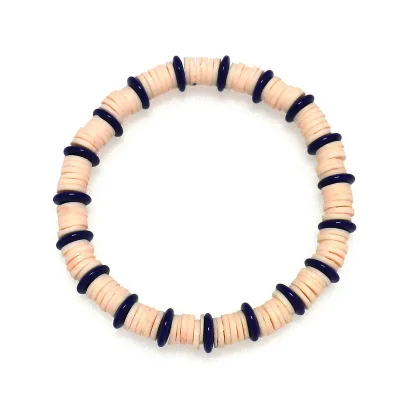


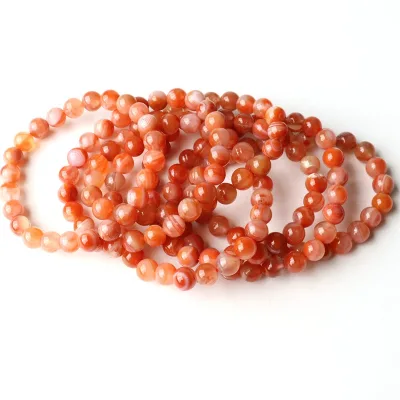


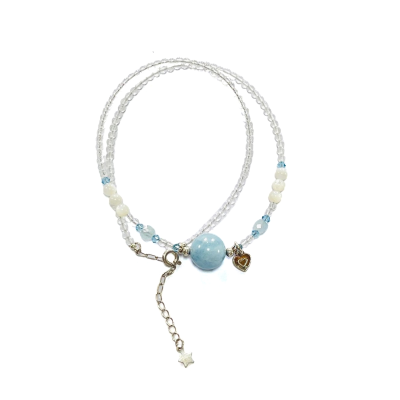


Comprehensive Sourcing Guide
Flower Designs Clay Bead Bracelet Sourcing Guide
Sourcing flower designs clay bead bracelets requires a nuanced understanding of material properties, aesthetic versatility, and the specific manufacturing capabilities of suppliers. These accessories sit at the intersection of fashion jewelry and artisanal craft, appealing to buyers who prioritize unique, handcrafted aesthetics over mass-produced uniformity. The core appeal lies in the combination of polymer clay or ceramic materials with intricate floral motifs, which allows for high customization in color, shape, and size. Buyers must navigate a market where "clay" can refer to various substrates, including polymer clay, air-dry clay, or ceramic, each offering different durability and finish characteristics. Understanding these distinctions is critical for defining product specifications that align with target market expectations for weight, texture, and longevity.
The procurement process for this category is heavily influenced by the demand for personalization and small-batch flexibility. Suppliers often cater to brands seeking limited-edition collections or customizable gift items, where the flower design serves as a key differentiator. This necessitates a sourcing strategy that emphasizes close collaboration with manufacturers on design proofs and sample approvals. Buyers should prepare for a workflow that involves iterative sampling, as the handmade or semi-handmade nature of clay beadwork introduces natural variations that must be managed through clear quality tolerance guidelines. Establishing a robust communication channel for design feedback is as important as selecting the right supplier, ensuring that the final product matches the visual intent of the floral pattern.
Product Scope and Observed Listing Signals
The current market landscape for clay bead bracelets features a diverse range of styles, from simple natural finishes to complex cartoon or star-fashion designs. Observed listings indicate a strong presence of multicolour options, with some suppliers offering six distinct color choices to accommodate varied aesthetic preferences. The material composition varies, with some products utilizing alloy components alongside beads, while others focus purely on polymer clay or ceramic elements. This variation suggests that buyers should not assume a uniform material standard across all suppliers. Instead, they must verify whether the "clay" component is the primary structural element or an accent, and how it interacts with any metal findings or clasps used in the bracelet assembly.
Visual design trends observed in listings include flower designs, which are often paired with natural or simple styles to create a balanced look. Some products also feature cartoon or star fashion elements, indicating that the floral motif is not the only design language available. Buyers should note that while "flower designs" are a specific request, suppliers may offer broader design categories that include these motifs. The color palette ranges from silver and gold tones to vibrant multicolour schemes, allowing for seasonal or thematic collections. Understanding these observed signals helps buyers refine their search parameters and communicate more effectively with suppliers about desired aesthetic outcomes, ensuring that the final product aligns with their brand identity.
Technical Specifications to Verify
Verifying technical specifications is paramount when sourcing clay bead bracelets, particularly regarding material composition and dimensional accuracy. Buyers must confirm whether the clay used is polymer clay, which requires baking for hardness, or ceramic, which involves firing at high temperatures. These processes significantly impact the durability and weight of the final product. Additionally, the size of the beads and the overall bracelet dimensions should be clearly defined, as some suppliers offer customized sizes while others provide standard measurements. It is essential to request detailed technical drawings or specifications that include bead diameter, strand length, and clasp type to ensure compatibility with target market sizing standards.
The structural integrity of the bracelet, including the strength of the stringing material and the security of the clay beads, must be rigorously tested. Buyers should inquire about the tensile strength of the thread or wire used and the method of securing the beads to prevent loss during wear. For products with alloy components, the plating thickness and corrosion resistance should be verified to ensure longevity. Furthermore, the finish of the clay beads, whether glossy, matte, or textured, should be specified and agreed upon during the sampling phase. Clear technical specifications reduce the risk of receiving products that do not meet quality expectations, minimizing returns and customer dissatisfaction.
Compliance and Safety Documentation
Compliance with safety standards is a critical consideration for clay bead bracelets, especially if they are marketed towards children or intended for sensitive skin contact. Buyers must ensure that suppliers adhere to relevant regulations such as EN-71, which covers safety specifications for toys, and non-phthalate requirements, as some polymer clays may contain plasticizers that are restricted in certain markets. It is essential to request certificates of compliance or test reports from accredited laboratories to verify that the materials used are free from harmful substances like lead, cadmium, and other heavy metals. This documentation not only protects consumers but also safeguards the buyer from legal liabilities and reputational damage.
In addition to material safety, buyers should verify that the production process adheres to environmental and labor standards. While specific certifications may vary by supplier, understanding the supplier’s commitment to ethical manufacturing practices is important for brand integrity. Buyers should ask about the sourcing of raw materials and the disposal of waste during production. For products intended for the European market, compliance with REACH regulations regarding chemical substances is also crucial. By prioritizing suppliers with robust compliance documentation, buyers can ensure that their products meet international safety standards and maintain consumer trust.
Cost Drivers and Commercial Terms
The cost of clay bead bracelets is influenced by several factors, including material costs, labor intensity, and customization requirements. Handmade or semi-handmade floral designs typically require more labor than machine-produced items, leading to higher unit costs. Buyers should expect a price range that reflects the complexity of the design and the quality of materials used. Minimum order quantities (MOQs) can vary significantly, with some suppliers offering low MOQs for custom designs and higher MOQs for standard items. Understanding these commercial terms is essential for budgeting and inventory planning, as low MOQs may result in higher per-unit costs but offer greater flexibility.
Payment terms and lead times are also key components of the commercial agreement. Buyers should negotiate clear payment schedules, such as a deposit upon order confirmation and the balance upon shipment, to manage cash flow effectively. Lead times can be extended for custom designs due to the sampling and production processes involved, so it is important to establish realistic timelines for delivery. Buyers should also inquire about shipping costs and Incoterms to understand the total landed cost of the product. By carefully evaluating these cost drivers and commercial terms, buyers can make informed decisions that balance cost efficiency with product quality and delivery reliability.
Supplier Qualification and Quality Control
Selecting the right supplier involves a thorough qualification process that assesses their manufacturing capabilities, quality control systems, and responsiveness. Buyers should verify the supplier’s experience in producing clay bead bracelets and their ability to replicate complex floral designs accurately. Requesting references or case studies from previous clients can provide insights into the supplier’s reliability and consistency. Additionally, buyers should evaluate the supplier’s quality control procedures, including in-process inspections and final product checks, to ensure that defects are minimized before shipment. A robust quality control system is essential for maintaining product standards and reducing the risk of receiving subpar goods.
Communication and responsiveness are also critical factors in supplier qualification. Buyers should assess how quickly and clearly the supplier responds to inquiries and provides updates on order status. A supplier that is proactive in addressing issues and offering solutions is more likely to be a reliable partner. Buyers should also consider the supplier’s willingness to accommodate custom requests and their flexibility in handling changes to the order. By prioritizing suppliers with strong qualification metrics and effective communication, buyers can build a sustainable supply chain that supports their business goals and customer expectations.
Long-Term Procurement Checks
Establishing long-term procurement checks ensures that the supplier relationship remains productive and that product quality remains consistent over time. Regular audits of the supplier’s production facilities and quality control processes can help identify potential issues before they impact the supply chain. Buyers should also conduct periodic performance reviews to assess the supplier’s adherence to agreed-upon standards, delivery times, and communication protocols. These checks provide an opportunity to address any concerns and reinforce expectations, fostering a collaborative partnership that benefits both parties.
Continuous improvement is another key aspect of long-term procurement. Buyers should encourage suppliers to innovate and improve their products and processes, whether through new design ideas or more efficient production methods. Providing constructive feedback and sharing market insights can help suppliers stay competitive and aligned with buyer needs. Additionally, buyers should monitor market trends and consumer preferences to ensure that the products being sourced remain relevant and desirable. By maintaining a proactive approach to supplier management, buyers can secure a reliable supply of high-quality clay bead bracelets that meet evolving market demands.
FAQs
What materials are used for these bracelets?
The bracelets are crafted from beads, polymer clay, ceramic, and alloy materials. Some variations also include acrylic components. These materials ensure durability while maintaining the desired decorative aesthetic for informal occasions.
Can I customize the logo on the bracelet?
Yes, customized logos are available for these products. The supplier accepts OEM orders and welcomes customization requests. Buyers can specify their design requirements to create unique pieces that match their brand identity.
Which colors are available for selection?
Six distinct colors are available for choice, including silver, gold, and multicolour options. Some listings also offer any color customization. This variety allows buyers to select shades that best fit their target audience preferences.
What is the minimum order quantity for these items?
The minimum order quantity ranges from 5 to 1000 pieces depending on the specific product model. Some listings specify an MOQ of 500 pieces for customized orders. Buyers should verify the exact requirement for their selected item.
How are the products packed for shipment?
Products are typically packed in cartons, OPP bags, bubble bags, or PP bags. Specific packaging can be adjusted to meet buyer requirements. This ensures the bracelets arrive safely while allowing flexibility for different shipping needs.
Are these bracelets suitable for formal occasions?
While some listings mention formal occasions, the primary style is noted for informal occasions. The designs feature flower motifs and cartoon styles suitable for casual wear. Buyers should check specific product details for formal event suitability.
What certifications do the products meet?
The products comply with EN-71 standards and are non-phthalate certified. These safety standards ensure the materials are safe for use. Buyers can rely on these documented standards when sourcing for markets with strict safety regulations.