Source Flower Bouquet Bags for Retail, Gifts, and Events
Source Flower Bouquet Bags from 30 verified listings. Compare options made from non-woven, paper, and PVC materials. Evaluate features like eco-friendly designs, custom logo printing, and various closure types to find the right packaging for your business needs; compare the available evidence and request quotations based on your requirements.
Key considerations
Products List


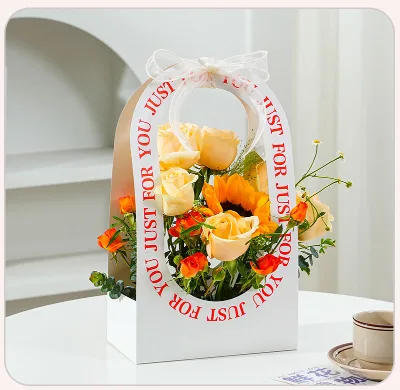
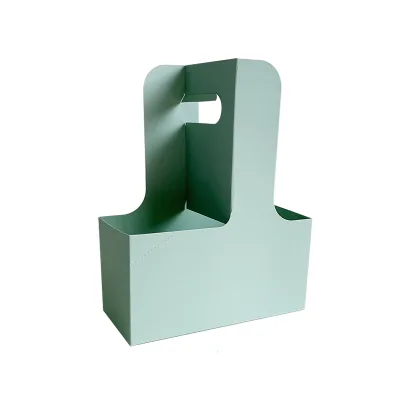
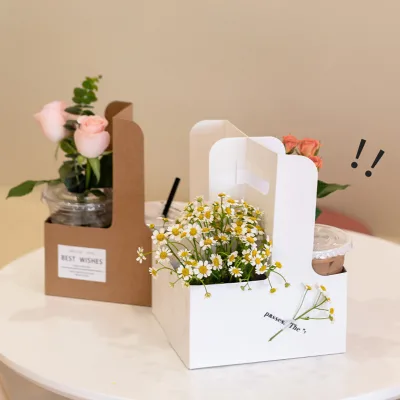
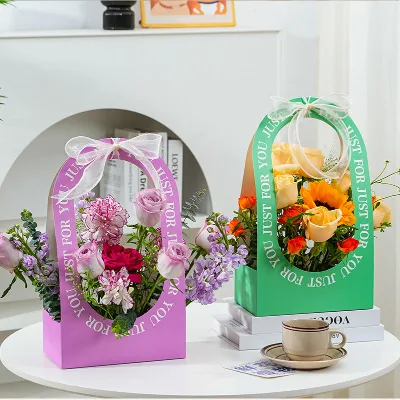

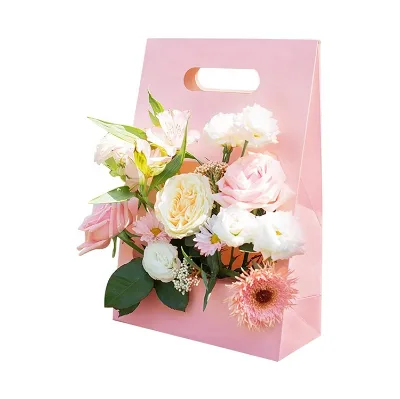
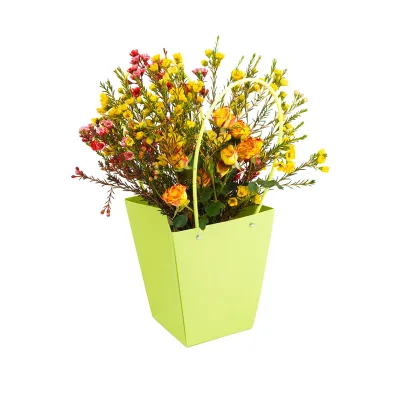

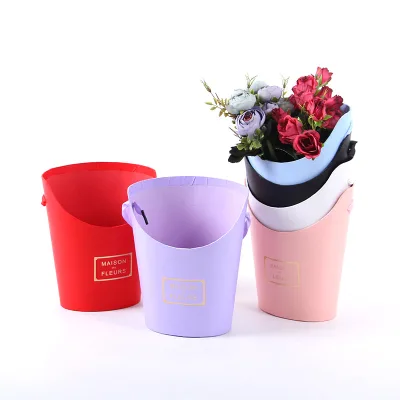
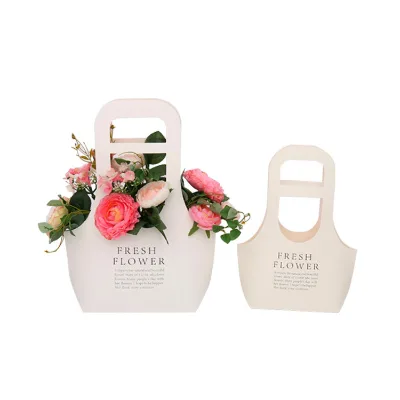



Custom Gradient Paper Flower Bag with Ribbon Handle Suitable for Rose Bouquets
$0.10 - $0.80
MOQ: 10000 Pieces


Comprehensive Sourcing Guide
Flower Bouquet Bags Sourcing Guide
Procuring Flower Bouquet Bags requires a nuanced understanding of material properties, as the supply landscape includes diverse options ranging from non-woven fabrics to transparent plastics and premium papers. Buyers must first distinguish between rigid packaging structures and flexible protective sleeves, as each serves distinct logistical and aesthetic purposes. The observed market signals indicate a wide variance in customization capabilities, with many suppliers offering OEM and ODM services to accommodate specific branding needs. This flexibility allows businesses to tailor packaging to their unique identity, whether for high-end floristry or mass-market retail distribution.
Understanding the specific application is critical before initiating supplier outreach, as the intended use dictates the necessary durability and visual clarity. For instance, applications involving food, electronics, or cosmetics may require different barrier properties compared to standard floral arrangements. The presence of eco-friendly features in non-woven options contrasts with the transparency and moisture resistance often found in PVC or plastic variants. Buyers should align their material selection with the product’s sensitivity to environmental factors, ensuring that the chosen bag provides adequate protection while maintaining the desired aesthetic appeal for the end consumer.
Product Scope and Observed Listing Signals
The current market listings reveal a broad spectrum of product types, including folded bags, stretch films, and specialized packaging for greeting cards or gifts. Observed price points range significantly, reflecting differences in material quality, printing complexity, and order volume. High-confidence data indicates that customization is widely available, with many suppliers accepting customized logos and offering various printing processes such as offset, UV, and silk screen printing. This suggests that buyers can expect a high degree of personalization, allowing for the integration of brand colors and messaging directly onto the packaging surface.
MOQs vary considerably, starting from low thresholds suitable for small batches up to large industrial volumes, which supports both emerging brands and established enterprises. The observed gross weight of certain items suggests lightweight construction, which is beneficial for reducing shipping costs and environmental impact. Additionally, the availability of different surface finishes, such as glossy or matte lamination, allows for tactile differentiation that can enhance perceived value. Buyers should carefully review these listing signals to identify suppliers whose capabilities align with their specific volume requirements and branding strategies, ensuring a seamless integration into their supply chain.
Technical Specifications to Verify
When evaluating technical specifications, buyers must prioritize material composition and structural integrity. Common materials include non-woven fabric, paper variants like art and kraft paper, and plastics such as PVC. Each material offers distinct advantages; for example, non-woven options often provide an eco-friendly profile, while PVC offers transparency and durability. It is essential to verify the hardness and flexibility of the material, as this affects how the bag handles and protects the flowers. Specifications such as weight limits and size customization should be confirmed to ensure the packaging fits the product dimensions securely without excessive slack or tightness.
Printing and finishing techniques also play a crucial role in the final product quality. Buyers should inquire about the specific printing methods used, such as offset or UV printing, and the available surface treatments like lamination or UV coating. These processes influence the vibrancy of the design and the resistance to wear and tear. Additionally, closure types, whether open or self-sealing, must be selected based on the need for security and ease of use. Verifying these technical details with the supplier ensures that the final product meets the functional requirements for storage, transport, and display, minimizing the risk of damage or customer dissatisfaction.
Compliance and Safety Documentation
Compliance with safety and environmental standards is paramount, especially when packaging is intended for direct contact with organic materials or sensitive goods. Buyers should request documentation that verifies the material’s compliance with relevant regulations, such as restrictions on harmful substances in plastics or papers. Although specific certification statuses are not universally listed, it is crucial to ask suppliers for proof of adherence to international standards for eco-friendly materials, particularly for non-woven options marketed as sustainable. This due diligence helps mitigate legal risks and aligns the brand with growing consumer demand for environmentally responsible products.
Furthermore, safety considerations extend to the manufacturing process and the final product’s physical properties. Buyers must ensure that the bags do not pose any choking hazards or contain sharp edges, especially if they are intended for gift packaging or children’s use. Documentation regarding the molding methods, such as blow molding for plastic items, should be reviewed to confirm that the production process maintains consistent quality and safety. Requesting test reports or material safety data sheets (MSDs) can provide additional assurance that the packaging meets all necessary health and safety criteria, protecting both the consumer and the brand’s reputation.
Cost Drivers and Commercial Terms
Several factors influence the final cost of Flower Bouquet Bags, with material type and order quantity being the primary drivers. Higher-quality materials, such as specialty papers or durable plastics, typically command higher prices, while bulk orders can significantly reduce the per-unit cost due to economies of scale. Buyers should also consider the complexity of customization, as features like customized logos, specific printing techniques, and unique surface finishes can add to the overall expense. Understanding these cost drivers allows for more accurate budgeting and negotiation, ensuring that the chosen packaging solution fits within the financial constraints of the project.
Commercial terms, including lead times and payment conditions, are equally important in the procurement process. Sample times, often ranging from five to seven days, provide an opportunity to evaluate quality before committing to a larger order. Buyers should clarify the production lead times for bulk orders to ensure timely delivery, especially for seasonal or time-sensitive products. Additionally, understanding the packaging method, whether in boxes or cartons, can impact shipping costs and storage requirements. Clear communication regarding these terms helps prevent misunderstandings and ensures a smooth transaction from order placement to final delivery.
Supplier Qualification and Quality Control
Selecting a reliable supplier involves rigorous qualification and quality control measures. Buyers should verify the supplier’s experience in producing similar packaging materials and their ability to meet specific customization requests. Checking for OEM/ODM capabilities indicates a supplier’s flexibility and technical proficiency. It is also advisable to request samples to assess the physical quality, including the strength of the material, the clarity of printing, and the overall finish. This hands-on evaluation helps identify potential issues early in the sourcing process, allowing for adjustments before mass production begins.
Quality control protocols should be established to ensure consistency across production batches. Buyers should inquire about the supplier’s internal quality assurance processes, including inspection stages and defect rates. Clear specifications for acceptable tolerances in size, weight, and print alignment should be documented and agreed upon. Additionally, establishing a communication channel for addressing any quality concerns post-delivery is crucial. By prioritizing suppliers with robust quality control systems, buyers can minimize the risk of receiving substandard products and maintain a high level of customer satisfaction.
Long-Term Procurement Checks
Long-term procurement success depends on continuous monitoring and relationship management with suppliers. Buyers should regularly review supplier performance metrics, such as on-time delivery rates, product quality consistency, and responsiveness to issues. Establishing a periodic review process helps identify any declines in service or quality, allowing for timely interventions. Additionally, staying informed about market trends and material innovations can provide opportunities for cost savings or product improvements. Engaging in open dialogue with suppliers about future needs and challenges fosters a collaborative partnership that can adapt to changing market conditions.
Sustainability and ethical sourcing practices should also be part of the long-term strategy. As consumer awareness grows, buyers may need to shift towards more eco-friendly materials and transparent supply chains. Regularly auditing suppliers for compliance with environmental and labor standards ensures that the brand remains aligned with its values and regulatory requirements. By proactively addressing these long-term considerations, buyers can build a resilient and responsible supply chain that supports sustainable growth and maintains a competitive edge in the market.
FAQs
What materials are used for Flower Bouquet Bags?
Flower Bouquet Bags are commonly made from non-woven fabric, paper, or plastic. Specific options include art paper, kraft paper, and specialty paper. Some products also utilize PVC for transparency. These materials ensure durability while meeting eco-friendly requirements for various packaging needs.
Can I customize the size and logo on these bags?
Yes, you can customize the size and logo on these bags. The standard size is 20 by 30 centimeters, but customized sizes are available. Suppliers accept customized logos and offer OEM or ODM services. This flexibility allows you to tailor the product to your specific branding and packaging requirements.
What is the minimum order quantity for these bags?
The minimum order quantity is typically 500 pieces for standard orders. However, observed ranges vary from 2 to 40,000 pieces depending on the supplier and specific product configuration. Buyers should verify the exact MOQ with the manufacturer before placing an order to ensure it meets their volume needs.
How long does it take to receive samples?
It takes 5 to 7 days to receive samples for these bags. This sample time allows buyers to verify quality and design before committing to a larger order. The packaging for samples is usually done in boxes or cartons to ensure safe delivery during the evaluation period.
Which printing processes are available for these bags?
Available printing processes include offset printing, UV printing, and silk screen printing. Surface finishing options often involve glossy or matte lamination. These methods ensure high-quality graphics and durability. The choice of process depends on the specific material used, such as non-woven fabric or various paper types.
Are these bags suitable for food and cosmetic packaging?
Yes, these bags are suitable for food, cosmetics, and household applications. They are designed with features like eco-friendly materials and high quality. The closure types vary, including open designs or self-sealing options. This versatility makes them ideal for packaging flowers, gifts, and other retail items.
What is the origin and standard for these products?
The products originate from China and often follow a standard size of 20 by 30 centimeters. Customized sizes are also available to meet specific client needs. The manufacturing process ensures high quality, and the products are packed in boxes or cartons for shipping. This origin provides access to a wide range of materials and customization options.