Find Flowers Plants Decorative Roman Pillar for gardens, walls, and events
Source 30 listings for Flowers Plants Decorative Roman Pillar suitable for garden landscaping, interior wall decor, and event styling. Buyers can compare materials like plastic and PE, features such as UV resistance, and customization options from verified suppliers.
Key considerations
Products List
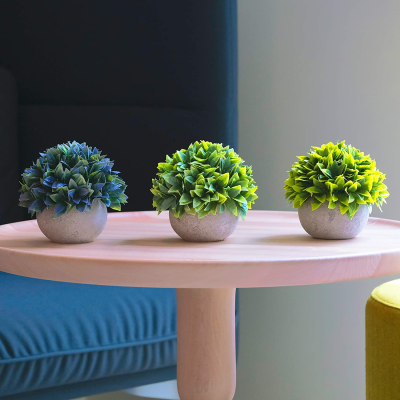


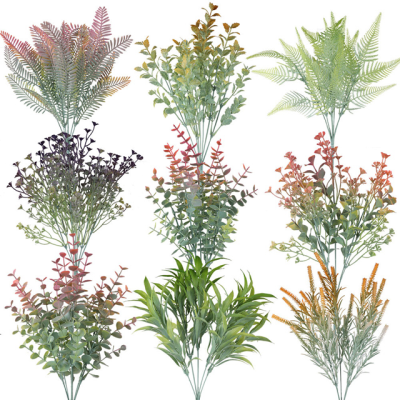


Marble Column Column Stone Column Decorative Pattern Marble Stone Roman Flower Column
$480.00 - $2000.00
MOQ: 1 Pieces

Comprehensive Sourcing Guide
Strategic Sourcing Guide for Decorative Flowers, Plants, and Roman Pillars
Understanding Product Categories and Material Composition
The intersection of artificial greenery and architectural elements like Roman pillars presents a unique sourcing challenge for B2B buyers. The core keyword "Flowers Plants Decorative Roman Pillar" suggests a market segment where aesthetic landscaping meets structural or semi-structural interior and exterior design. Based on observed market data, the product landscape is defined by a diverse array of materials, primarily centered around synthetic polymers and treated composites. The most frequently observed materials in this category include Plastic, PE (Polyethylene), PP (Polypropylene), PVC, WPC (Wood-Plastic Composite), Fabric, and Polyester. These materials are selected for their durability and ability to mimic natural textures while offering resistance to environmental stressors.
For the "flowers plants" component, the product attributes indicate a focus on specific plant types such as Flowers, Grass, Ivy, and generic Plant varieties. These are engineered to be evergreen, ensuring year-round visual appeal. The material selection often dictates the finish; for instance, PE and Plastic are common for creating realistic foliage that is both waterproof and anti-UV, making them suitable for high-exposure environments. Conversely, the "Roman pillar" aspect of the search often points toward products with a "Roman Pillar (Column)" or "Dragon Pillar (Column)" shape. These items are frequently constructed from materials that offer high structural integrity, such as WPC or specialized plastics, designed to withstand both indoor and outdoor conditions.
The distinction between these two product types is critical for procurement planning. While the artificial plants are often categorized by their "Feature" attributes like being eco-friendly, non-slip, and durable, the pillars are defined by their architectural function and reaction to environmental elements. Buyers must recognize that a single supplier may offer a comprehensive catalog spanning both categories, allowing for cohesive design projects in settings like shopping malls, hotels, and commercial administration buildings. The "Design style" observed ranges from Modern and Contemporary to Classic and Traditional, with specific mentions of "Art decor" and "Luxury," indicating that these products are not merely functional but serve as high-end decorative statements.
Technical Specifications and Performance Attributes
When evaluating technical specifications for decorative plants and Roman pillars, buyers must look beyond visual appeal to performance metrics that ensure longevity. The data indicates a robust set of performance attributes tailored for both interior and exterior applications. For the plant components, key features include "Waterproof," "Anti-uv," and "Cold-resistant" capabilities. These attributes are essential for products intended for outdoor use in "Garden," "Highway fence," or "Wall" applications. The "Feature" list also highlights "Moisture-proof," "Fireproof," and "Sound-absorbing" properties, suggesting that these materials are engineered to meet safety and acoustic standards in addition to aesthetic ones.
Regarding the Roman pillars and similar architectural elements, the technical profile is even more rigorous. The observed data specifies a "Reaction to Fire" as "Incombustible," a critical safety factor for commercial and public spaces. Furthermore, the "Temperature Tolerance" is noted as capable of withstanding "High and Low Temperture," ensuring stability across seasonal shifts. The "Ageing Resistance" is a standout metric, with some products claiming a lifespan of "Longer Than 30 Years," which significantly impacts the total cost of ownership. Chemical resistance is also a key specification, with attributes such as "Slate Erosion Resistance" (noted as both "Antacid" and "Non-Antacid" in different listings) and "Reaction to Acid: Resistance" indicating varying levels of chemical durability depending on the specific product formulation.
Physical dimensions and structural properties are equally important. The "Thickness" of certain products is observed in the range of "1~2cm," which is a standard dimension for wall cladding or decorative panels. The "Water Absorption" is described as "Low," a vital characteristic for preventing degradation in humid or wet environments. The "Surface Treatment" often involves a "Split" process, which may refer to the texturing of the material to enhance grip or aesthetic realism. Additionally, the "Standard" for some products is listed as "GB/T 18600," which buyers should verify against their local regulatory requirements. The "Shape" of the pillars is explicitly defined, ranging from "Roman Pillar" to "Dragon Pillar," requiring precise dimensional verification to ensure they fit the intended architectural design.
Compliance, Certification, and Safety Standards
Navigating the compliance landscape for decorative plants and architectural pillars requires a thorough understanding of international and regional standards. The supplied data references specific certifications and standards that serve as indicators of quality and safety. The most prominent certification mentioned is "ISO9001:ISO14000," which signifies adherence to quality management and environmental management systems. This dual certification suggests that the manufacturing process is not only consistent but also environmentally conscious, a factor increasingly important for B2B buyers in the construction and hospitality sectors.
In addition to ISO certifications, specific product standards are noted. The "Standard" attribute includes "GB/T 18600," a Chinese national standard, which buyers must evaluate for compatibility with their local building codes. For products with "Surface Treatment: Split," the processing method must be verified to ensure it meets fire safety and structural integrity requirements. The "Reaction to Fire: Incombustible" attribute is a critical compliance point, particularly for interior applications in hotels, schools, and shopping malls where fire codes are stringent. Buyers should request specific test reports to validate this claim, as "incombustible" is a legal and safety term that requires third-party verification.
The "Standard" for packing is also a compliance consideration. The data mentions "Paper Box Inner and Outer with Fumigated Crates" and "Packing in Wooden Crate, The Inner in The Plastic," which aligns with international phytosanitary and shipping regulations. The "Fumigated" aspect of the wooden crates is particularly important for international logistics to prevent the spread of pests. Furthermore, the "Standard" for the product itself, such as "60X20" or "As your requirement," indicates that dimensions can be customized, but the base material must still meet the relevant safety and quality benchmarks. Buyers should ensure that any "Customized" orders maintain the same level of certification as the standard stock items.
Cost Drivers and Procurement Economics
The cost structure for sourcing decorative plants and Roman pillars is influenced by several dynamic factors, including material composition, customization levels, and order volume. The observed price range of $0.29 to $2,000 USD highlights a significant variance in unit economics. The lower end of the spectrum likely corresponds to small-scale artificial flowers or simple plant units, while the higher end reflects large architectural pillars or custom-designed sets. The "MOQ" (Minimum Order Quantity) range of 1 to 3,600 units further illustrates the flexibility of the market, catering to both small boutique projects and large-scale commercial developments.
Material costs are a primary driver. Products made from high-grade "Plastic," "PE," or "WPC" generally command higher prices than those using basic "Fabric" or "Polyester," especially when they include advanced features like "Anti-uv" or "Fireproof" treatments. The "Advantage" of using "100% Natural and High Grade Material" (even if artificial, the terminology implies premium quality) suggests a price premium for superior texture and durability. Customization is another significant cost factor. While "Customization: Available" is listed, the "Free Design Service" mentioned may be a value-add that reduces initial design costs, though the manufacturing of custom shapes like "Dragon Pillar" or specific color combinations will likely incur additional tooling or setup fees.
Logistics and packaging also impact the final landed cost. The use of "Wooden Crate" and "Fumigated Crates" for shipping adds to the weight and volume, increasing freight charges. The "Arrival Time" of "25-45 Days to Produce, 25-45 Days Transport" indicates a long lead time, which can affect cash flow and project scheduling. Buyers should factor in the cost of inventory holding if they choose to stock items, as the "More Stock Products Are Available" advantage suggests that some items may be ready for immediate shipment, potentially reducing lead time costs. The "Small Orders: Accepted" policy is beneficial for buyers testing the market, though the unit price for small orders may be higher due to the lack of economies of scale.
Typical Applications and Design Integration
The versatility of decorative plants and Roman pillars allows for integration into a wide spectrum of applications, from residential to heavy commercial use. The "Usage" attributes explicitly list "Festival," "Garden," "Hanging," "Home decoration," "Shopping mall," "Wall," "Interior tiles," "Highway fence," and "Administration." This broad scope indicates that these products are not limited to a single niche but are adaptable to various design contexts. For instance, "Garden" and "Highway fence" applications require products with high "Cold-resistant" and "Anti-uv" properties, while "Interior tiles" and "Wall" applications in "Shopping mall" or "Hotel" settings prioritize "Sound-absorbing" and "Fireproof" characteristics.
The "Occasion" data further refines the application strategy. Products are suitable for "Graduation," "Wedding," "Party," "Business gifts," and "Travel," suggesting a strong presence in event planning and hospitality. The "Season" attribute of "All-season" and "Everyday" confirms that these are permanent fixtures rather than temporary decorations, making them ideal for "Home decor" and "Commerce" environments. The "Design style" options, including "Modern," "Luxury," "Industrial," and "Rustic," allow buyers to match the products to specific architectural themes. For example, a "Luxury" hotel might opt for "Roman Pillar" designs with a "Classic" or "Morden luxury" finish, while a "Children's" area might prefer "Novelty" or "Casual" plant arrangements.
The "Application" list also includes "School" and "Hotel," which are high-traffic areas requiring durable and safe materials. The "Function" attributes like "Moisture-proof," "Mould-proof," and "Antibacterial" are particularly relevant for these environments, ensuring hygiene and longevity. The "Used for: Interior and Exterior Wall Decoration" confirms the dual-purpose nature of these products, allowing for seamless transitions between indoor and outdoor spaces. Buyers should consider the "Room space" attribute, which is listed as "Outdoor," but the product features suggest they are equally capable of indoor use, provided the specific fire and acoustic ratings are met.
Supplier Evaluation and Quality Control Protocols
Evaluating suppliers for decorative plants and Roman pillars requires a multi-faceted approach, focusing on manufacturing capability, quality assurance, and logistical reliability. The "Advantage" section of the data highlights "a Great Deal of Experience in Producing Sculptures" and "Very Soonest Shipment," which are strong indicators of a supplier's maturity and capacity. However, buyers must verify these claims through site audits or third-party assessments. The "Service" attribute, which states "Provided Drawings or Specification Are Welcomed," suggests a collaborative approach, but buyers should ensure the supplier has the technical expertise to translate these specifications into high-quality physical products.
Quality control should be rigorous, particularly for products with safety-critical attributes like "Incombustible" reaction to fire and "Ageing Resistance" of over 30 years. Buyers should request detailed test reports for fire resistance, UV stability, and chemical erosion. The "Standard" of "GB/T 18600" and "ISO9001:ISO14000" certifications should be validated against current records. The "Surface Treatment: Split" process should be inspected to ensure consistency in texture and finish. For the "Roman Pillar" shapes, dimensional accuracy is crucial; buyers should verify that the "Shape" matches the design drawings precisely, especially for custom orders where "As your requirement" is the standard.
Logistical reliability is another key evaluation criterion. The "Arrival Time" of 25-45 days for production and another 25-45 days for transport is a significant commitment. Buyers should assess the supplier's ability to meet these timelines consistently and their contingency plans for delays. The "Packing" methods, such as "Wooden Crate" and "Inner in Plastic," should be inspected to ensure they protect the products during transit, especially given the fragility of some decorative elements. The "Small Orders: Accepted" policy is a positive sign of flexibility, but buyers should also check if the supplier can scale up production for larger orders without compromising quality.
Long-Term Procurement and Lifecycle Management
Sourcing decorative plants and Roman pillars is not just a one-time purchase but a long-term investment in the aesthetic and functional integrity of a space. The "Ageing Resistance" of "Longer Than 30 Years" is a compelling value proposition, but it requires proper maintenance and installation to realize. Buyers should consider the lifecycle costs, including cleaning, repair, and potential replacement of damaged units. The "Eco-friendly" and "Non-slip" features contribute to long-term sustainability and safety, reducing liability risks and maintenance expenses.
The "Customization" aspect offers long-term flexibility. As design trends shift from "Modern" to "Classic" or "Industrial," the ability to order custom shapes and colors allows buyers to refresh their spaces without complete replacement. The "Free Design Service" can be leveraged to optimize these custom orders, ensuring they align with future design goals. However, buyers must be cautious with "Customized" orders, as they may have longer lead times and higher minimum order quantities, impacting inventory management strategies.
Finally, the "Standard" and "Certification" landscape is subject to change. Buyers should establish a protocol for regular compliance checks, ensuring that the products they source continue to meet evolving safety and environmental regulations. The "GB/T 18600" standard and "ISO" certifications should be reviewed annually to ensure they remain valid. By focusing on long-term value, durability, and adaptability, buyers can secure a supply chain that supports their projects for decades, minimizing the need for frequent re-sourcing and maximizing the return on investment.
FAQs
What materials are used for decorative flowers and pillars?
Products are primarily made from Plastic, PE, PP, PVC, WPC, Fabric, and Polyester. These materials ensure durability and allow for realistic textures suitable for both indoor and outdoor applications.
Can these items be customized for specific projects?
Yes, customization is available for shapes, colors, and specifications. Buyers can request specific dimensions like 1~2cm thickness or unique designs such as Roman or Dragon pillars to match their architectural needs.
Which certifications do the manufacturers typically hold?
Many suppliers hold ISO9001 and ISO14000 certifications for quality and environmental management. Some products also adhere to GB/T 18600 standards for surface treatment and structural integrity.
How long is the lead time for production and shipping?
Production typically takes 25 to 45 days, followed by another 25 to 45 days for transport. Some stock products may offer faster shipment if available in the warehouse.
What is the minimum order quantity for these products?
The minimum order quantity ranges from 1 to 3,600 units depending on the specific item. Small orders are accepted, allowing flexibility for both small boutiques and large commercial developments.
Are these products suitable for outdoor garden use?
Yes, they are designed for outdoor use with features like waterproof, anti-UV, and cold-resistant properties. They are suitable for gardens, highway fences, and wall landscaping in various climates.
What is the fire reaction rating for the pillars?
The Roman pillars are rated as incombustible, making them safe for commercial and public spaces. This feature ensures compliance with strict fire safety codes for hotels and shopping malls.