Source Flower Wrapping Paper for Gift Wrapping, Food Wrapping, and Industry
Find 30 options for Flower Wrapping Paper including PVC, PE, and paper materials. Buyers can compare features like moisture proofing, transparency, and customization to select suitable packaging for gifts, food, and industrial applications.
Key considerations
Products List


Christmas Wrapping Gift Packing Vintage Style Printed Flower Wrapping Paper
$0.09 - $1.14
MOQ: 100 Pieces
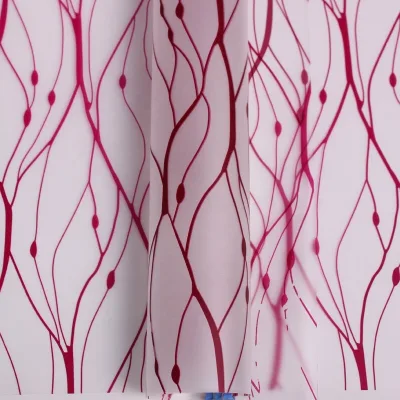


Flower Clothing, Flower Gift Packaging, Paper Bouquet, Paper Wrapping with Printed
$0.10 - $0.15
MOQ: 2000 Pieces

Comprehensive Sourcing Guide
Strategic Sourcing Guide for Flower Wrapping Paper
Procuring Flower Wrapping Paper requires a nuanced understanding of material science, regulatory compliance, and supply chain logistics. Unlike standard retail packaging, floral wraps must balance aesthetic appeal with functional durability, specifically regarding moisture resistance and structural integrity during transport. The global market offers a diverse array of options ranging from rigid PVC films to soft, stretchable PE variants, as well as traditional paper-based solutions. Buyers must navigate a complex landscape where product attributes like hardness, transparency, and molding methods vary significantly between suppliers. This guide provides a disciplined framework for evaluating potential suppliers and selecting the right product specifications without relying on unverified claims or external assumptions.
Material Composition and Physical Properties
The foundation of any effective flower wrapping solution lies in its material composition. The supplied data indicates a wide spectrum of materials available in the current market, including PVC, PE, LLDPE, and Recycled Kraft Paper. Each material offers distinct physical properties that dictate its suitability for specific floral applications. PVC products are often characterized by a rigid structure and opaque finish, utilizing casting plastic methods. These materials are frequently associated with industrial uses such as gift and craft applications, offering high moisture-proofing capabilities. Conversely, PE and LLDPE variants are typically soft and transparent, produced via blow molding techniques. These stretch films are designed for flexibility, allowing them to conform tightly to irregular flower shapes without tearing.
Transparency and hardness are critical selection criteria. While some products are explicitly opaque, others are fully transparent, allowing the natural beauty of the blooms to remain visible. The hardness of the material also varies; rigid options provide structural support for large bouquets, whereas soft options offer a more delicate, draped appearance. Buyers must verify the specific material grade, such as "A" grade Recycled Kraft Paper, which suggests a higher quality standard for paper-based wraps. The presence of coatings, such as the distinction between uncoated and coated options, further influences the barrier properties against grease and water. When evaluating samples, purchasers should physically test the tensile strength and flexibility to ensure the material meets the specific demands of their floral arrangements.
Technical Specifications and Customization Capabilities
Technical specifications define the functional boundaries of the product. The market data reveals significant variability in dimensions and processing types. For instance, specific models are noted with dimensions like 58*58cm, while others offer customized roll sizes. The standard production formats include sheet sizes such as 787mm, 889mm, 1092mm, and 1194mm, or fully customized dimensions to fit unique packaging needs. The processing type is another vital technical factor; while some products utilize blow molding for film creation, others rely on offset printing for decorative paper applications.
Customization is a prominent feature in this sector. Suppliers frequently offer the ability to tailor colors, with many options available for selection. The printing mode is often offset printing, which allows for high-quality, detailed graphics essential for branding and aesthetic appeal. Packaging specifications also vary, with options ranging from standard exporting packing to specific configurations like 25 yards per roll packed into a carton box. Buyers should verify the exact packaging format to ensure compatibility with their existing logistics and storage systems. Furthermore, the availability of samples is a key technical verification step; while some suppliers offer free samples, freight charges may be collected separately. This allows buyers to assess the physical attributes of the product before committing to a larger order.
Compliance, Certification, and Safety Standards
In the B2B floral packaging sector, compliance and certification are non-negotiable elements that protect both the buyer and the end consumer. The supplied information highlights several critical standards and audit requirements. Notably, the BSCI (Business Social Compliance Initiative), Disney, FSC (Forest Stewardship Council), and ISO9001 certifications are mentioned as relevant benchmarks. These certifications indicate that the supplier adheres to specific social, environmental, and quality management protocols. For instance, FSC certification is particularly relevant for paper-based products, ensuring that the raw materials are sourced from responsibly managed forests.
However, buyers must exercise caution regarding the verification of these standards. While the data lists these certifications as available attributes, it does not confirm that every listed product satisfies them. Therefore, procurement teams must request valid, up-to-date certificates directly from the supplier rather than relying on general product descriptions. Additionally, the concept of "Communicable" standards is listed, which may refer to specific hygiene or safety protocols, though its exact application requires clarification. When sourcing for international markets, buyers should also verify if the materials meet local regulatory requirements for food contact or environmental safety, especially if the wrapping is used for edible flowers or gifts containing food items.
Cost Drivers and Economic Considerations
Understanding the cost structure of Flower Wrapping Paper is essential for budget management. The observed price range in the market spans from $0.01 to $1680, a vast disparity that reflects differences in material quality, customization levels, and order volume. The Minimum Order Quantity (MOQ) is another significant cost driver, with observed ranges from 1 unit to 20,000 units. For smaller buyers, an MOQ of 100 bags per color might be the entry point, while larger enterprises may negotiate lower per-unit costs by ordering in the thousands.
The delivery timeline also impacts the total cost of ownership. A typical lead time observed is about 20 days after receiving the deposit. This duration can fluctuate based on the complexity of the customization, such as specific printing requirements or unique roll sizes. Buyers should factor in the potential for freight costs, especially when ordering samples which are often free but require the buyer to cover shipping. Additionally, the choice of material plays a role in pricing; recycled kraft paper may offer a different cost profile compared to virgin PVC or PE films. It is crucial to request detailed quotes that break down material costs, tooling fees, and logistics expenses to avoid hidden charges.
Supplier Evaluation and Quality Assurance
Evaluating suppliers requires a multi-faceted approach that goes beyond price comparison. The origin of the products, often cited as Zhejiang, China, or generally China, provides context for the manufacturing ecosystem but does not guarantee quality. Buyers should assess the supplier's production capabilities, specifically their ability to maintain consistency in molding methods like casting or blow molding. The presence of a "Standard Exporting Packing" suggests a commitment to protecting goods during transit, but this should be verified through site audits or detailed packing lists.
Quality control is paramount. The data mentions features such as moisture proof, waterproof, and greaseproof capabilities, which are essential for flower preservation. However, these attributes should be treated as observations rather than absolute guarantees for every product. Buyers must implement a rigorous quality assurance protocol that includes testing samples for water resistance, tensile strength, and print fidelity. The availability of "A" grade materials indicates a potential for high quality, but random sampling during production runs is necessary to ensure consistency. Furthermore, the supplier's ability to handle customization requests, such as specific roll sizes or color variations, is a strong indicator of their operational flexibility and reliability.
Typical Applications and Market Usage
Flower Wrapping Paper serves a diverse range of applications, extending beyond simple retail packaging. The data indicates usage in gift wrapping, food wrapping, envelope production, and general industry applications. The specific type of material often dictates its primary use case. For example, rigid PVC films are well-suited for gift and craft industrial uses, providing a durable barrier against moisture. Soft stretch films, made from PE or LLDPE, are ideal for wrapping delicate flowers where flexibility and transparency are required to showcase the product.
The aesthetic requirements also vary by application. Products with "Double Light" appearance or specific color options like "Brown Kraft Paper" cater to different market segments, from rustic, eco-friendly brands to modern, vibrant floral shops. The usage of coated paper and metal film combinations suggests applications where a premium look is necessary. Buyers should align their product selection with their target customer base. For instance, a high-end florist may prefer transparent, stretchable films that highlight the bouquet, while a wholesale distributor might opt for cost-effective, moisture-proof kraft paper for bulk shipments. Understanding these application nuances ensures that the procurement strategy supports the brand's positioning and customer expectations.
Long-Term Procurement and Supply Chain Resilience
Establishing a long-term procurement strategy for Flower Wrapping Paper involves more than just securing a one-time supply. It requires building a resilient relationship with suppliers who can adapt to changing market demands. The ability to customize products, such as offering various roll sizes or specific printing modes, is a key indicator of a supplier's capacity to grow with the buyer's business. Buyers should also consider the sustainability aspect, particularly with the increasing demand for recycled materials like Recycled Kraft Paper.
Lead time consistency is another critical factor for long-term planning. With a typical delivery window of about 20 days, buyers must account for potential delays due to material shortages or logistical disruptions. Maintaining a buffer stock or diversifying the supplier base can mitigate these risks. Additionally, the availability of free samples allows for continuous quality verification, ensuring that the product remains consistent over time. By focusing on suppliers who offer robust customization, adhere to recognized standards like ISO9001, and demonstrate flexibility in production, buyers can secure a reliable supply chain that supports their business growth and maintains high product standards.
FAQs
What materials are available for Flower Wrapping Paper?
Available materials include PVC, PE, LLDPE, and Recycled Kraft Paper. PVC options are rigid and opaque, while PE and LLDPE variants are soft and transparent stretch films suitable for conforming to flower shapes.
Can I customize the roll size for my flower wrapping needs?
Yes, customization is available for roll sizes and dimensions. Specific models offer standard sizes like 58*58cm, while others allow for fully customized dimensions to fit unique packaging requirements.
What certifications do Flower Wrapping Paper suppliers typically hold?
Suppliers may hold certifications such as BSCI, Disney, FSC, and ISO9001. Buyers should request valid certificates directly as not every listed product automatically satisfies these standards without verification.
How long is the typical delivery time for orders?
The typical delivery time is about 20 days after receiving the deposit. This duration can vary based on the complexity of customization and specific order volume requirements.
What is the minimum order quantity for these products?
The minimum order quantity ranges from 1 to 20,000 units depending on the supplier. Some specific items require a minimum of 100 bags per color, while others allow for smaller trial orders.
Are samples available for testing the product quality?
Samples are available and often free of charge, but freight costs are usually collected from the buyer. This allows purchasers to physically test attributes like moisture proofing and flexibility before bulk ordering.
Which printing modes are used for decorative flower wrapping?
Offset printing is the common mode used for decorative paper applications. This method supports high-quality graphics and branding, with many color options available for selection to match specific aesthetic needs.