Source Fluorescence Spectrophotometer Biochemistry Analyzer Cuvette for Lab Testing, Research, and Quality Control
Compare 30 options for the Fluorescence Spectrophotometer Biochemistry Analyzer Cuvette from verified suppliers. Buyers can review specifications like material, capacity, and sterilization methods to find suitable units for laboratory applications.
Key considerations
Products List








Comprehensive Sourcing Guide
Strategic Sourcing Guide for Fluorescence Spectrophotometer Biochemistry Analyzer Cuvettes
Understanding the Technical Landscape of Laboratory Cuvettes
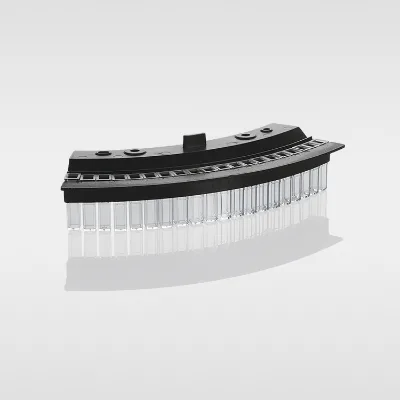
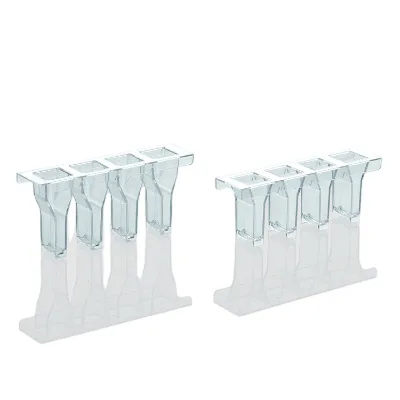
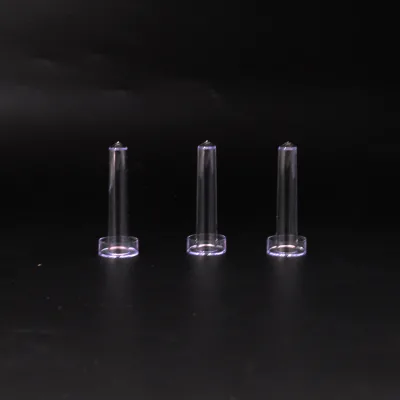
When sourcing equipment for fluorescence spectrophotometry and biochemistry analysis, the primary focus must remain on the precise optical and physical characteristics of the cuvette. The market offers a diverse array of options, ranging from standard disposable plastic units to specialized glass or quartz variants designed for high-sensitivity applications. Based on current market observations, the core product category often centers on plastic materials, specifically noted for their "Nature Transparent" or "Transparent" appearance. These materials are selected for their ability to transmit light effectively across specific wavelengths, a critical factor for instruments utilizing UV spectrometers or classic spectrometer principles.
The physical dimensions of the cuvette are paramount. Buyers must verify the path length, as specifications such as 5mm and 10mm are standard configurations found in high-volume listings. These dimensions directly correlate with the sensitivity of the detection method; a 10mm path length is typically the standard for general absorbance measurements, while 5mm variants may be utilized for high-concentration samples or specific instrument geometries. Furthermore, the bottom design is a crucial technical differentiator. Options include "Flat Bottom" designs that are "Self-Standing," ensuring stability during automated handling, or specialized shapes required for specific instrument compatibility. The "TYC45" and "TYF16" model identifiers suggest a structured naming convention often used by manufacturers to denote specific volume capacities or geometric profiles, such as the 1.5ml capacity observed in certain listings.
The volume capacity is another critical specification. While some units are designed for high-throughput screening with capacities like 2ml, others are tailored for micro-volume applications. The "TYF-QC" model, for instance, is associated with specific packing configurations that imply a different usage profile compared to the "TYT323" or "TYM32" series. Buyers should not assume that all transparent plastic cuvettes are interchangeable. The "Hitachi Cup" and "Beckman Cups" keywords indicate that many products are engineered as direct replacements or compatible accessories for specific legacy and modern analyzer brands. Ensuring the cuvette fits the specific mechanical constraints of the analyzer, such as the "Beckman Dubang" usage context, is essential to prevent instrument damage or data inaccuracies.
Compliance, Certification, and Sterility Protocols
In the realm of biochemistry and laboratory research, regulatory compliance and sterility are non-negotiable. The supply chain for these analytical consumables is heavily regulated, particularly when the products are intended for clinical or high-precision research environments. The most frequently observed certifications in the current market landscape include ISO and CE marks. The presence of an ISO certification suggests that the manufacturing facility adheres to international quality management standards, which is a baseline requirement for reliable procurement. Similarly, CE certification indicates conformity with health, safety, and environmental protection standards for products sold within the European Economic Area, a common benchmark for global suppliers originating from regions like Jiangsu, China.
Sterility is a defining attribute for many of these products, especially those designated for sensitive biological assays. The "Eo Sterile" (Ethylene Oxide Sterile) designation is a critical observation in the current product data. This implies that the cuvettes have undergone a specific sterilization process to eliminate microbial contamination, which is vital for preventing sample cross-contamination. Buyers must verify that the sterility claim is backed by valid testing protocols, as the "Eo Sterile" label is a specific claim that requires rigorous validation. Additionally, the "Ultraviolet Light" disinfecting type mentioned in some product attributes suggests alternative or supplementary sterilization methods, though the primary method for high-grade cuvettes remains Eo sterilization.
The origin of the product also plays a role in compliance verification. A significant portion of the market originates from China, with specific hubs like Jiangsu identified as places of origin. While this does not inherently diminish quality, it necessitates a thorough review of the supplier's export documentation and adherence to the destination country's import regulations. The "Transparent" standard noted in product attributes often refers to the optical clarity required for spectrophotometric analysis, but it must be distinguished from the material certification. Buyers should ensure that the "Transparent" standard aligns with the specific wavelength requirements of their fluorescence spectrophotometer, as not all transparent plastics offer the same transmission properties in the UV range.
Cost Drivers and Economic Factors in Procurement
The pricing structure for fluorescence spectrophotometer cuvettes is influenced by a complex interplay of factors, including material quality, sterility status, customization level, and order volume. The observed price range in the market spans from $0 to $7,000 USD, a vast disparity that reflects the difference between basic disposable units and specialized, high-precision analytical instruments or bulk industrial orders. For standard disposable plastic cuvettes, the cost is generally driven by the unit price, which is often negligible when purchased in high volumes. However, the total cost of ownership includes shipping, packaging, and the potential cost of non-compliant units that lead to failed experiments.
Minimum Order Quantity (MOQ) is a significant economic driver. The market data indicates an MOQ range from 1 to 100,000 units. This wide range suggests that suppliers cater to both small research laboratories requiring single-unit samples and large-scale industrial or clinical diagnostic centers needing bulk inventory. The "Sample: Freely" attribute indicates that many suppliers are willing to provide free samples for evaluation, which is a crucial step in verifying quality before committing to a large order. However, buyers should be aware that while the sample itself may be free, shipping costs for these samples might apply, especially for international orders.
Customization is another key cost factor. The availability of "Customization" and "OEM ODM" support allows buyers to tailor cuvettes to specific instrument geometries or branding requirements. While this adds value, it inevitably increases the unit cost and may raise the MOQ threshold. Products labeled as "Non-Customized" are typically mass-produced, offering lower unit costs and faster lead times. The packing specifications, such as "500PCS/Bag, 10000PCS/CTN" or "250PCS/Box, 2000boxes/CTN," also influence logistics costs. Bulk packing reduces the per-unit shipping cost but requires significant storage space and capital outlay. Buyers must balance the economies of scale against their storage capacity and cash flow constraints.
Typical Applications and Instrument Compatibility
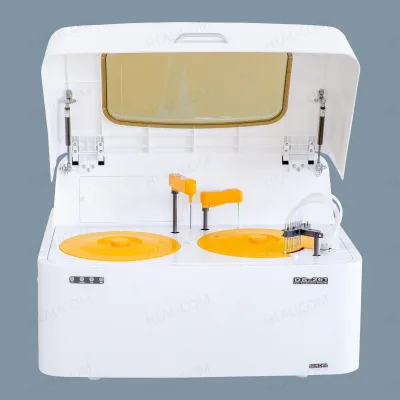
The application scope of these cuvettes is primarily centered on laboratory environments, specifically for biochemistry analysis and fluorescence spectrophotometry. The "Laboratory" and "Laboratory Research Instruments" classifications highlight their intended use in scientific research, clinical diagnostics, and quality control settings. The "Spectrophotometer" detection method and "UV Spectrometer" wavelength specifications confirm their suitability for measuring light absorption and emission in liquid samples. The "High Sensitive" attribute suggests that certain models are optimized for detecting low-concentration analytes, a common requirement in biochemistry and molecular biology.
Compatibility with specific analyzer brands is a critical consideration for procurement. The keywords "Hitachi Cup" and "Beckman Cups" indicate that many products are designed as direct replacements for Hitachi and Beckman Coulter analyzers. The "Fit for: Hitachi" and "Usage: for Us Beckman Dubang" attributes underscore the importance of mechanical and optical alignment with these specific instruments. Using a cuvette that does not fit the instrument's sample holder can lead to light scattering, inaccurate readings, or physical damage to the analyzer. Therefore, buyers must cross-reference the product model, such as "TYC45" or "TYF16," with their specific instrument manual to ensure compatibility.
The "Classic Spectrometer" principle and "Spectrophotometer" detection method imply that these cuvettes are versatile enough for a range of standard analytical techniques. However, the specific "2ml" standard or "1.5ml" size must match the sample volume requirements of the assay. For high-throughput applications, the "Flat Bottom, Self-Standing" design is advantageous as it allows for automated liquid handling and reduces the risk of spillage. The "Nature Transparent" color ensures that the cuvette does not interfere with the optical path, which is essential for fluorescence measurements where background noise must be minimized.
Supplier Evaluation and Quality Assurance
Evaluating suppliers for laboratory consumables requires a rigorous approach that goes beyond price comparison. The presence of certifications like ISO and CE is a strong indicator of a supplier's commitment to quality management, but buyers should request current certificates and verify their validity. The "Place of Origin: Jangsu, China" and "prod_origin: China" data points suggest a concentration of manufacturing in specific regions. While this can indicate a mature supply chain, it also necessitates due diligence regarding the specific factory's capabilities and reputation.
Quality control should be a central part of the supplier evaluation process. Buyers should inquire about the supplier's internal testing protocols, particularly regarding optical clarity, dimensional accuracy, and sterility. The "Eo Sterile" claim must be supported by batch-specific sterility reports. Additionally, the "High Sensitive" advantage listed for some products suggests that the manufacturer has optimized their product for low-background noise, but this should be verified through independent testing or reference to published data. The "Customized Support: OEM ODM" capability indicates that the supplier has the flexibility to meet specific requirements, which is a positive sign of technical competence.
Transportation and logistics are also critical factors in supplier evaluation. The "Express/Air/Sea" transportation options suggest that suppliers are capable of handling various shipping needs. However, buyers should assess the supplier's ability to maintain the integrity of the product during transit, especially for sterile items. The "1000PCS/Bag, 10bags/Carton" packing configuration indicates a robust packaging strategy, but the supplier should guarantee that the packaging protects the cuvettes from breakage and contamination during shipping. The "Sample: Freely" offer is a valuable tool for evaluating the supplier's responsiveness and the actual quality of their product before a large commitment.
Long-Term Procurement and Supply Chain Stability
Sourcing laboratory consumables is not a one-time transaction but a long-term relationship that impacts the continuity of research and diagnostic operations. The "Customization: Available" and "OEM ODM" attributes suggest that suppliers can adapt to changing needs, which is essential for long-term procurement. However, buyers must ensure that the supplier has the capacity to scale production if demand increases. The observed MOQ range of 1 to 100,000 units indicates that suppliers can accommodate both small and large orders, but the lead times for high-volume orders should be confirmed.
Supply chain stability is paramount. The "Transportation: Express/Air/Sea" options provide flexibility, but buyers should have contingency plans for potential disruptions. The "Jiangsu, China" origin suggests a reliance on a specific geographic region, which could be vulnerable to regional logistical issues. Diversifying suppliers or maintaining a buffer stock of critical consumables can mitigate these risks. The "Disposable" nature of the products means that they are single-use, requiring a steady and reliable supply to avoid interruptions in laboratory workflows.
Finally, the "Keyword: Hitachi Cup" and "Beckman Cups" suggest that buyers are often looking for specific compatibility. As instruments age or are replaced, the need for compatible cuvettes may change. Buyers should ensure that their suppliers can provide updated models or alternatives as technology evolves. The "Standard: Transparent" and "Standard: 2ml" attributes indicate that while there are standard specifications, there is also room for variation. Long-term procurement strategies should include regular reviews of product specifications to ensure they remain aligned with the laboratory's evolving needs and the latest analytical standards. By focusing on quality, compliance, and supply chain resilience, buyers can secure a reliable source of high-performance cuvettes for their fluorescence spectrophotometry and biochemistry applications.
FAQs
What certifications do these cuvettes typically have?
These cuvettes typically hold ISO and CE certifications. The ISO mark indicates adherence to international quality management standards, while CE certification confirms conformity with health and safety requirements for products sold in the European Economic Area.
Can I find sterile options for laboratory use?
Yes, sterile options are available with Eo Sterile designation. This Ethylene Oxide sterilization process eliminates microbial contamination, making them suitable for sensitive biological assays and preventing sample cross-contamination in laboratory environments.
Which models fit Hitachi or Beckman analyzers?
Models like TYC45 and TYF16 are designed to fit Hitachi and Beckman analyzers. These specific units are engineered as direct replacements to ensure mechanical alignment and optical accuracy within the sample holder of these legacy and modern instruments.
What are the standard path lengths available?
Standard path lengths include 5mm and 10mm configurations. These dimensions are critical for absorbance measurements, with 10mm being the standard for general analysis and 5mm often used for high-concentration samples or specific instrument geometries.
How are these cuvettes packaged for shipping?
Packaging varies by model, such as 500 pieces per bag or 250 pieces per box. Bulk orders may be packed in cartons containing thousands of units, which helps reduce per-unit shipping costs while protecting the items during transit.
What is the minimum order quantity for these items?
The minimum order quantity ranges from 1 to 100,000 units depending on the supplier. This wide range accommodates both small research labs needing single samples and large industrial centers requiring bulk inventory for high-throughput screening.
Are custom manufacturing options available for these cuvettes?
Customization is available with OEM and ODM support for specific needs. While non-customized units offer lower costs, tailored designs for specific instrument geometries or branding requirements may increase the unit price and minimum order thresholds.