Source Focused Shockwave Pemf Therapy Machine for Pain Relief
Find and compare 30 Focused Shockwave Pemf Therapy Machine models from Guangzhou suppliers. Evaluate key specs including magnetic strength, shockwave energy, and laser integration to select the right orthopedic device for your clinic.
Key considerations
Products List


Advanced Tissue Repair Emfocus Machine for Electromagnetic Shockwave Therapy
$3599.00 - $3899.00
MOQ: 1 Pieces


Advanced Shockwave Therapy Machine for Effective Rehabilitation Solutions
$2980.00 - $3199.00
MOQ: 1 Pieces


Fswt Electromagnetic Focus Shockwave Eswt Focused Shock Wave Therapy Machine
$2599.00 - $3899.00
MOQ: 1 pieces


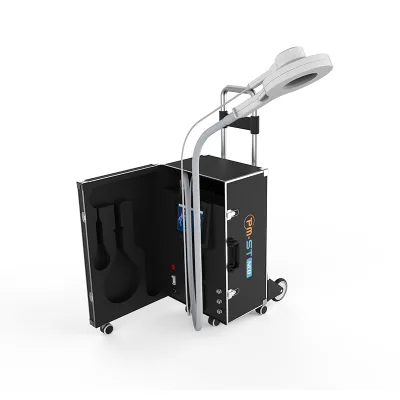


Focus Shock Wave Therapy Device ED Pain Relief Shockwave Machine Pain Relief Focus
$2999.00 - $3599.00
MOQ: 1 Pieces


Best Quality Pain Relief Pemf Eswt Shockwave Magnetic Physical Therapy Machine
$2800.00 - $3300.00
MOQ: 1 Pieces


$5000.00 - $9500.00
MOQ: 1 Pieces
Comprehensive Sourcing Guide
Focused Shockwave Pemf Therapy Machine Sourcing Guide
Procuring a Focused Shockwave Pemf Therapy Machine requires a clear understanding of the distinct therapeutic modalities integrated into modern orthopedic devices. These systems often combine magnetic pulse therapy with focused shockwave energy and, in some configurations, near-infrared light therapy to address complex musculoskeletal conditions. Buyers must distinguish between machines designed for general tissue repair and those optimized for specific high-intensity applications, as the underlying technology dictates the clinical utility and regulatory pathway for each unit.
The market presents a variety of configurations, ranging from compact units with basic parameters to advanced systems featuring water cooling and multi-modal capabilities. When evaluating listings, it is critical to verify whether the device offers specific frequency ranges for different modes, such as the 1-100Hz range for magnetic therapy versus the 1000-3000Hz range for shockwave therapy. This distinction is vital because the therapeutic effect on tissue repair varies significantly depending on the frequency and energy delivery method employed by the machine.
Product Scope and Observed Listing Signals
The observed product landscape includes devices explicitly categorized for orthopedic applications with a primary function of tissue repair. Listings indicate the presence of advanced features such as LCD displays and intuitive systems with preset parameters for ten body parts, which streamline the treatment process for clinicians. Buyers should note that some units are marketed with a "Large" standard classification, suggesting a robust build intended for high-volume clinical environments, while others may fall under a "medium" standard, potentially targeting smaller practices or mobile units.
Commercial signals reveal a wide price variance, with observed listings ranging from 120 to 9500 USD, reflecting differences in technology, build quality, and included accessories. The minimum order quantity (MOQ) for these specialized medical devices is consistently observed at 1 unit, allowing for flexible procurement strategies for individual clinics or small chains. However, the significant price disparity necessitates a deep dive into the specific technical specifications to ensure the lower-cost options do not compromise on critical performance metrics like energy output or cooling efficiency.
Technical Specifications to Verify
Buyers must rigorously verify the energy and frequency parameters, as these define the machine's therapeutic reach and safety profile. Critical specifications to confirm include the strength at the coil, which can reach up to 4 Tesla in high-performance models, and the energy range, which typically spans from 1 to 6 bar for shockwave applications. Additionally, the frequency settings are a key differentiator; some units offer a broad spectrum from 1-21Hz or 1-4Hz for specific therapeutic needs, while others provide distinct modes operating between 1000-3000Hz for focused shockwave therapy.
The physical and operational specifications are equally important for ensuring the device fits the clinical workflow. Essential details include the power consumption, which may be listed as 3200MW or capped at 400W depending on the model, and the voltage compatibility, which should support 100-110V or 220-240V for international deployment. Cooling systems are a major technical consideration, with high-end models utilizing water cooling to manage heat dissipation during prolonged sessions. Furthermore, the lifespan of consumable bullets, often cited as 3 million shocks, and the specific wavelength options for integrated laser therapies, such as 620nm, 660nm, or 940nm, must be validated against the intended treatment protocols.
Compliance and Safety Documentation
Regulatory compliance is a non-negotiable aspect of sourcing medical devices, and buyers should prioritize suppliers who can provide verifiable certification documents. While some listings reference ISOCE certification, it is imperative to confirm the specific validity and scope of these certifications for the target market, as regulatory requirements vary significantly between regions. The presence of CE marking is a common baseline expectation, but buyers must ensure that the documentation explicitly covers the specific model and its intended medical claims to avoid legal and operational risks.
Safety documentation must also address the electrical and mechanical integrity of the equipment. Buyers should request detailed manuals that outline the safety protocols for the high-energy shockwave heads and the laser components, which may operate at power levels up to 12W. The device's design, including the use of flight cases for transport and specific packing standards, should be reviewed to ensure that the equipment can withstand the rigors of shipping and daily clinical use without compromising safety features.
Cost Drivers and Commercial Terms
The cost of a Focused Shockwave Pemf Therapy Machine is driven primarily by the complexity of its multi-modal technology and the durability of its components. Units that integrate three distinct therapies—such as magnetic, shockwave, and near-infrared light therapy—command a higher price point due to the advanced engineering required to synchronize these systems. The inclusion of specialized applicators, such as the six different shockwave working heads for pain management or the specific laser spots, also contributes significantly to the overall cost structure.
Commercial terms should be scrutinized for clarity regarding the packaging and logistics, as these factors can impact the total landed cost. Products are often shipped in flight cases or specialized cartons with aluminum boxes, which adds to the weight and shipping volume; for instance, gross weights can range from 22kg to 79kg depending on the model. Buyers should negotiate based on the total package dimensions and weight to optimize freight costs, while also ensuring that the supplier provides clear lead times and warranty terms that cover the high-value consumables like the shockwave bullets.
Supplier Qualification and Quality Control
Supplier qualification should focus on the manufacturer's origin and their track record in producing medical-grade equipment. Many of the observed products originate from Guangzhou, a hub for medical device manufacturing, but buyers must verify the specific factory's quality control processes rather than relying solely on the location. It is essential to confirm that the supplier adheres to the stated product standards, whether classified as "Large" or "medium," and that they have a history of producing units that meet the rigorous demands of orthopedic therapy.
Quality control checks must extend to the physical attributes of the delivered units, including the screen size, which can be as large as 12.1 inches for enhanced user interface visibility, and the overall dimensions of the device. Buyers should request pre-shipment inspection reports that verify the net weight, gross weight, and the integrity of the cooling systems. Ensuring that the shockwave energy output and laser pulse widths match the advertised specifications, such as 10us to 3s for laser pulses, is a critical step in validating the supplier's quality assurance capabilities.
Long-Term Procurement Checks
Long-term procurement success depends on the availability of consumables and the reliability of the after-sales support network. The lifespan of consumable bullets, often rated at 3 million shocks, is a key metric for calculating the total cost of ownership, and buyers must ensure a steady supply chain for replacements. Additionally, the variety of working heads provided, such as the specific sets for spine, fascia, and pain management, should be evaluated for their durability and ease of replacement to minimize downtime during clinical operations.
Buyers should also establish a protocol for ongoing technical support and software updates, particularly for devices with intuitive systems and preset parameters. The ability to update the device's firmware or access new treatment protocols is crucial for maintaining the machine's relevance in a rapidly evolving medical landscape. Finally, verifying the warranty coverage for critical components like the water cooling system and the high-power laser modules will protect the investment and ensure the device remains operational for its intended lifespan.
FAQs
What therapies does the PMST WAVE machine provide?
The PMST WAVE machine provides three distinct therapies: Magneto, Shockwave, and NIRS. It features a 4t coil strength and water cooling for heat dissipation. The system includes preset parameters for ten body parts and operates with frequencies ranging from 1-100Hz in Mt mode and 1000-3000Hz in St mode.
What shockwave energy and frequency ranges are available?
The device delivers shockwave energy between 1-6 bar with a frequency of 1-21Hz. It includes a lifespan of 3 million shocks for consumable bullets. The system supports penetration depths from 0-120mm and operates with a power output of 3200MW for effective tissue repair applications.
What laser specifications are included in the EMFOCUS model?
The EMFOCUS model utilizes laser theory with wavelengths of 620nm, 660nm, and 940nm. It features a 12.1-inch LCD display and operates on voltages of 100-110V or 220-240V. The unit weighs 22kg net and is packed in a carton with an aluminum box for safe transport.
Can the machine be customized for specific clinical needs?
Yes, customization is available for this orthopedic therapy device. The system is designed for adult patients and includes various working heads for pain management, spine, and fascia treatments. It features an intuitive system with preset parameters to streamline clinical workflows and ensure consistent treatment delivery.
What are the physical dimensions and weight of the unit?
The package size measures 108*58*60cm with a gross weight of 79kg. The main unit dimensions are 47*37*23cm, and the net weight is 22kg. It is packed in a flight case for the PMST WAVE model and a carton with an aluminum box for the EMFOCUS model.
What certifications does the Focused Shockwave Pemf Therapy Machine have?
The machine holds ISOCE certification, ensuring compliance with relevant standards. It is manufactured in Guangzhou and designed for orthopedic applications. The device features a large standard size and includes a single applicator, making it suitable for professional clinical environments requiring reliable and certified therapeutic equipment.