Source Fogless Waterproof LED Mirror for Bathroom, Hotel, and Villa
Explore 30 Fogless Waterproof LED Mirror options featuring dimmable LEDs, touch switches, and CE certifications. Buyers can compare models with single-sided glass, various shapes, and IP65 ratings for household or commercial applications.
Key considerations
Products List

LED Lighted Bathroom Mirror Waterproof Smart LED Mirror with Anti Fog Function
$1.36 - $25.26
MOQ: 1000 Square Meters

Energy Saving LED Wall Mirror Waterproof Anti Fog LED Mirror for Commercial Bathroom
$1.82 - $15.36
MOQ: 1000 Square Meters


Crystal Clear Factory Price Water Proof Fogless Racetrack LED Bathroom Mirror
$28.00 - $33.00
MOQ: 30 Pieces

Rectangular Anti Fog Bathroom Mirror IP66 Waterproof LED Light Hotel Smart Mirror
$45.12 - $50.97
MOQ: 10 Pieces

High Quality Rectangular Anti Fog Mirror Waterproof LED Apartment Bathroom Mirror
$56.72 - $60.21
MOQ: 10 Pieces


Rounded Edge Frameless Design LED Three-Color Practical and Beautiful Mirror
$11.90 - $30.90
MOQ: 10 Pieces

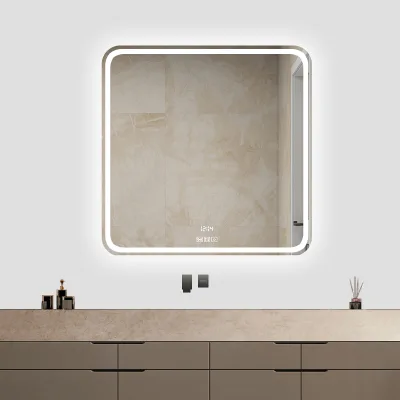


Dimmable Fogless 60*60 Cm or Customized Glass Smart LED Backlit Mirror Factory
$35.00 - $50.00
MOQ: 10 Pieces


Comprehensive Sourcing Guide
Strategic Sourcing Guide for Fogless Waterproof LED Mirrors
Understanding Technical Specifications and Core Functionality
When sourcing fogless waterproof LED mirrors, buyers must first distinguish between the fundamental optical properties and the integrated electronic systems that define these products. The core keyword implies a dual requirement: a mirror surface capable of resisting condensation in high-humidity environments and an illumination system that provides consistent, high-quality lighting. Based on available market data, these units frequently utilize a glass frame material, which offers durability and a modern aesthetic suitable for both residential and commercial settings. The "fogless" capability is often achieved through specific heating elements or anti-fog coatings, while the "waterproof" designation is critical for bathroom applications where direct water exposure is common.
The illumination component is equally vital. These mirrors typically incorporate LED strips, with observed specifications including 2835 and 5050 diode types. The choice between these models affects the brightness and color rendering of the light. Buyers should verify the Color Temperature options available, as the market offers a range from warm 3000K to cool 6000K, allowing customization to match the desired ambiance of a space. Furthermore, the brightness is often dimmable, providing flexibility for different times of day or specific tasks like grooming. The standard switch mechanism is frequently a touch switch, offering a user-friendly interface that is easy to clean and maintain.
The physical form factor varies significantly, with observed shapes including round, square, and rectangle configurations. Some models are designed as "float" mirrors, which create a floating effect on the wall, while others may feature a single-sided design. The dimensions are often customizable, with standard sizes observed in the range of 50x80cm to 900x700mm, though many suppliers offer fully customized dimensions to fit specific architectural requirements. The finish of the mirror frame is another key specification, with silver being a common finish that complements modern and Chinese-style designs alike.
Compliance, Certification, and Safety Standards
In the B2B procurement of electrical and bathroom fixtures, compliance is not merely a formality but a prerequisite for market access and liability protection. Buyers must rigorously verify that suppliers possess valid certifications for the regions where the products will be sold. The observed data indicates that high-confidence suppliers often hold CE, SGS, and ISO certifications, which serve as foundational indicators of quality management and safety compliance. Additionally, specific electrical certifications such as SAA and UL are frequently cited, particularly for products intended for markets like Australia and North America, respectively.
The waterproof rating is a critical safety metric that must be clearly defined. For bathroom applications, an IP65 rating is a common standard observed in the market, indicating that the product is dust-tight and protected against water jets from any direction. However, buyers should not assume all "waterproof" mirrors meet this specific threshold without verification. The voltage requirements also vary by region, with observed standards covering both 220-240V and 110-130V systems. Ensuring the electrical components are rated for the correct voltage is essential to prevent fire hazards and equipment failure.
Beyond electrical safety, the materials used must comply with environmental and health standards. While specific RoHS data is sometimes listed as background information, buyers should explicitly request confirmation of compliance with Restriction of Hazardous Substances regulations to ensure the product does not contain restricted levels of lead, mercury, or other hazardous materials. The quality standard is often backed by a full QC system with production records for review, which provides a traceability mechanism for any defects. When evaluating a supplier, request copies of the actual test reports for the CE, UL, or SAA certifications rather than relying on marketing claims, as these documents validate the specific batch or model being purchased.
Cost Drivers and Pricing Variables
The pricing structure for fogless waterproof LED mirrors is influenced by a complex interplay of factors, ranging from raw material costs to the level of customization required. The observed price range in the market is exceptionally broad, spanning from approximately $1.36 to $10,000. This wide variance is not indicative of a single product type but rather reflects the diversity in size, technology, and order volume. Small, standard-sized mirrors with basic LED strips will naturally fall at the lower end of this spectrum, while large, custom-fabricated units with advanced features like Bluetooth integration, clock displays, or high-end dimming systems will command premium prices.
Volume is a primary driver of cost efficiency. The Minimum Order Quantity (MOQ) observed ranges from 1 unit to 1,000 units. Buyers purchasing in small quantities may face higher per-unit costs due to the fixed overheads of production setup and logistics. Conversely, bulk orders often benefit from economies of scale, significantly reducing the unit price. However, the MOQ is not a static figure; it is often negotiable based on the specific model and the supplier's capacity. For instance, a standard model might have a lower MOQ compared to a fully customized design which requires a dedicated production line.
Customization is another significant cost factor. While the product attributes indicate that customization is available for shape, size, and finish, each modification adds to the production complexity. Custom dimensions require specific tooling or manual adjustments, and unique finishes or frame materials (such as metal versus glass) can alter the material cost substantially. Additionally, the inclusion of optional functions such as anti-fog heating, Bluetooth speakers, or specific color temperatures may incur additional charges. Buyers should request a detailed breakdown of costs to understand how much of the price is attributed to the base mirror, the LED system, the electronics, and the customization services.
Typical Applications and Usage Scenarios
The versatility of fogless waterproof LED mirrors makes them suitable for a wide array of applications, from private residential spaces to large-scale commercial projects. The observed data highlights applications in households, hotels, villas, commercial spaces, and even outdoor environments. In residential settings, these mirrors are predominantly used in bathrooms, where the fogless feature is essential for maintaining visibility after hot showers. The waterproof rating ensures longevity in these humid conditions, preventing corrosion and electrical shorts.
In the hospitality sector, such as hotels and villas, the aesthetic and functional qualities of these mirrors are paramount. The modern style and dimmable lighting options allow for a high-end guest experience, while the fogless feature ensures reliability in high-traffic bathrooms. The ability to customize the size and shape allows designers to integrate these mirrors seamlessly into unique architectural designs. For commercial applications, such as gyms, spas, or retail stores, the durability and low maintenance requirements of LED technology are key selling points. The long lifespan of LED strips reduces the frequency of replacements, lowering operational costs.
Outdoor applications present a unique set of challenges that require careful consideration. While some products are rated for outdoor use, the environmental exposure to rain, wind, and temperature fluctuations necessitates robust construction. The IP65 rating and the use of corrosion-resistant materials like metal frames or treated glass are critical for these environments. Buyers sourcing for outdoor projects must verify that the specific model is rated for external use and that the electrical components are protected against moisture ingress to a degree that exceeds standard indoor requirements.
Supplier Evaluation and Sourcing Strategy
Selecting the right supplier is a critical step in the procurement process, requiring a thorough evaluation of their capabilities, reliability, and quality control measures. The origin of the products is a key factor, with major manufacturing hubs identified in China, specifically in locations such as Hangzhou and Qingdao. These regions have established supply chains for glass, electronics, and metalworking, which can facilitate efficient production. However, the location should not be the sole determinant; the supplier's track record and operational transparency are more important.
Buyers should prioritize suppliers that demonstrate a commitment to quality control. The observed data mentions a "Full QC System with Production Records for Review," which is a strong indicator of a mature manufacturing process. This system allows for the tracking of each unit from raw material to finished product, ensuring that any defects can be identified and addressed before shipment. Requesting access to these records or a summary of their QC process can provide insight into the supplier's reliability. Additionally, the presence of a dedicated quality control team, indicated by a specific QC count, suggests a structured approach to maintaining product standards.
The customization capability of the supplier is another vital consideration. Since many buyers require specific dimensions, shapes, or features, the supplier must have the flexibility to accommodate these requests without compromising quality. The ability to produce custom sizes, such as the observed W700H500mm or W900H700mm standards, and the willingness to deviate from these norms indicate a responsive manufacturing partner. Buyers should also evaluate the supplier's packaging standards, as the protection of the product during transit is crucial. Observed packaging methods include PE bags, polyfoam, wooden crates, and carton boxes, each offering different levels of protection depending on the product's fragility and the shipping distance.
Quality Control and Long-Term Procurement Considerations
Ensuring the long-term reliability of fogless waterproof LED mirrors requires a proactive approach to quality control and procurement planning. The initial inspection of the product should focus on the integrity of the glass, the uniformity of the LED lighting, and the effectiveness of the anti-fog mechanism. Buyers should verify that the LED strips are securely attached and that the wiring is properly insulated to prevent short circuits. The touch switch functionality should be tested for responsiveness and durability, as frequent use can lead to wear and tear.
For long-term procurement, establishing a relationship with a supplier that offers consistent quality is essential. This involves setting clear quality benchmarks and conducting regular audits or sample inspections. The observed lead time of 2-3 weeks for customized orders suggests that buyers should plan their inventory accordingly to avoid stockouts. However, lead times can vary based on order volume and customization complexity, so maintaining open communication with the supplier is necessary to manage expectations.
The packaging strategy also plays a role in long-term procurement success. The use of robust packaging, such as wooden crates or multi-layered carton boxes with polyfoam, ensures that the mirrors arrive in perfect condition. This reduces the risk of damage during transit, which can lead to costly returns and delays. Buyers should also consider the environmental impact of the packaging and the product itself, seeking suppliers who use recyclable materials and adhere to sustainable manufacturing practices.
Finally, the availability of after-sales support and warranty terms should be factored into the procurement decision. A supplier that offers a comprehensive warranty and responsive customer service can mitigate the risks associated with product failures. This is particularly important for large-scale projects where the replacement of a single unit can disrupt operations. By focusing on these quality control and long-term considerations, buyers can ensure a successful and sustainable sourcing strategy for fogless waterproof LED mirrors.
Comparative Analysis of Product Attributes
To facilitate informed decision-making, the following table summarizes the key attributes observed in the market for fogless waterproof LED mirrors. This comparison highlights the variability in specifications and helps buyers identify the features that align with their specific project requirements.
| Attribute | Common Observations | Variability Notes |
|---|---|---|
| Frame Material | Glass, Metal | Glass is standard for modern styles; metal often used for outdoor or heavy-duty applications. |
| Shape | Round, Square, Rectangle, Custom | Custom shapes are available but may increase lead time and cost. |
| Waterproof Rating | IP65 | Essential for bathroom use; verify specific rating for outdoor applications. |
| LED Type | 2835, 5050 | 5050 generally offers higher brightness; 2835 may be more energy-efficient. |
| Color Temperature | 3000K, 4000K, 5000K, 6000K | Range allows for warm to cool lighting; select based on desired ambiance. |
| Switch Type | Touch Switch | Standard; verify compatibility with existing wiring or control systems. |
| Optional Functions | Anti-Fog, Clock, Bluetooth, Dimming | These features add value but also increase complexity and cost. |
| Voltage | 220-240V, 110-130V | Must match local grid standards; dual-voltage options may be available. |
| Certifications | CE, SGS, ISO, SAA, UL | Verify specific certifications for target markets; do not assume universal compliance. |
| Packaging | PE Bag, Polyfoam, Carton, Wooden Crate | Packaging varies by size and fragility; wooden crates recommended for large orders. |
| Origin | China (Hangzhou, Qingdao) | Major manufacturing hubs; verify specific factory location for logistics planning. |
| Lead Time | 2-3 Weeks (Custom) | Standard items may ship faster; custom orders require precise scheduling. |
This table serves as a reference point for buyers to compare different suppliers and models. It emphasizes the importance of verifying specific attributes rather than relying on general market trends. By carefully evaluating these factors, buyers can select products that meet their technical, aesthetic, and budgetary requirements while ensuring compliance with safety and quality standards.
FAQs
What certifications do fogless waterproof led mirrors typically have?
High-confidence suppliers often hold CE, SGS, ISO, SAA, and UL certifications. These documents validate safety and quality for specific regions like Australia and North America, ensuring compliance with electrical and environmental standards before purchase.
How are fogless waterproof led mirrors customized for specific sizes?
Customization is available for dimensions such as W700*H500mm or W900*H700mm, alongside fully bespoke requests. Buyers can specify shapes like round, square, or rectangle, and select finishes like silver or metal frames to match architectural requirements.
Which LED strip types are used in fogless waterproof led mirrors?
These mirrors frequently incorporate 2835 and 5050 LED strip types to provide consistent illumination. The choice between these models affects brightness and color rendering, with options ranging from 3000K warm to 6000K cool light temperatures.
Can fogless waterproof led mirrors be used in outdoor environments?
Yes, some models are rated for outdoor use with an IP65 waterproof rating. This ensures protection against dust and water jets, making them suitable for humid bathrooms or external applications where corrosion resistance is critical for longevity.
What is the typical lead time for ordering fogless waterproof led mirrors?
The standard lead time for these products is typically 2 to 3 weeks. This duration allows for production, quality control checks, and packaging in materials like wooden crates or cartons before shipment from manufacturing hubs in China.
How does the MOQ affect the pricing of fogless waterproof led mirrors?
The minimum order quantity ranges from 1 to 1000 units, directly influencing per-unit costs. Bulk orders often benefit from economies of scale, while smaller quantities may incur higher prices due to fixed production overheads and setup fees.