Source Fogless Waterproof Lighted Bathroom Mirror for Hotel Villa Home
Compare 30 Fogless Waterproof Lighted Bathroom Mirror options featuring LED lighting, touch switches, and anti-fog functions. Buyers can evaluate sizes, voltage, and customization capabilities for household, hotel, and commercial applications.
Key considerations
Products List

LED Lighted Bathroom Mirror Waterproof Smart LED Mirror with Anti Fog Function
$1.36 - $25.26
MOQ: 1000 Square Meters

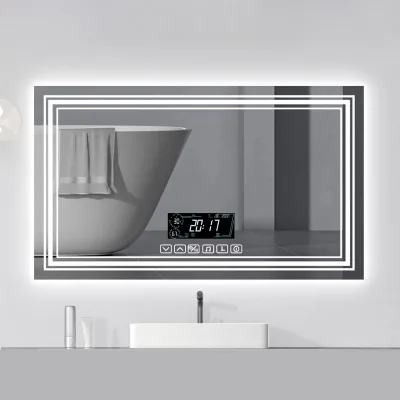
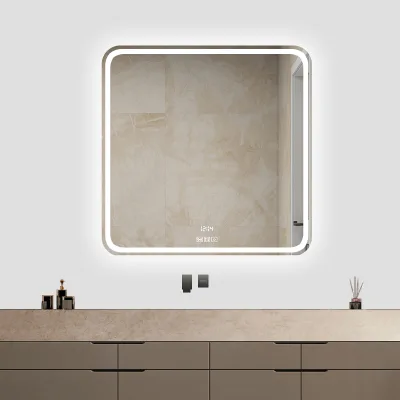


High Quality Rectangular Anti Fog Mirror Waterproof LED Apartment Bathroom Mirror
$56.72 - $60.21
MOQ: 10 Pieces


Frameless Bathroom Mirror with Anti-Fog Technology for Clear Reflection
$0.50 - $360.00
MOQ: 1 Square Meters


LED Light Wall Mount Mirror/Illuminated Mirror/ Touch Screen Bathroom Mirror with Anti-Fog
$20.99 - $25.99
MOQ: 50 Square Meters

Sleek LED Bathroom Mirror with Waterproof Design and Touch Controls
$28.50 - $33.80
MOQ: 1 Square Meters


Durable Strap Design Waterproof Fog-Free Bathroom Vanity Mirror with CE
$28.00 - $35.00
MOQ: 30 Pieces

Comprehensive Sourcing Guide
Strategic Sourcing Guide for Fogless Waterproof Lighted Bathroom Mirrors
Understanding Technical Specifications and Functional Attributes
When sourcing fogless, waterproof, and lighted bathroom mirrors, buyers must first distinguish between the core functional requirements and the variable specifications that define product performance. The primary technical differentiator for these units is the anti-fog capability, which is typically achieved through integrated heating elements or specialized coatings. In the current market, observed product attributes indicate that these mirrors often feature LED strips, specifically utilizing 2835 or 5050 LED models, to provide consistent illumination. The color temperature of these lights is a critical selection criterion, with available options ranging from warm 3000K to cool 6000K, allowing procurement teams to match the lighting to the specific ambiance of the intended space.
Waterproofing is another non-negotiable technical requirement for bathroom environments. Buyers should verify the Ingress Protection (IP) rating, as the data shows a range of ratings including IP44, IP54, IP65, and IP66. An IP44 rating offers protection against splashing water, while IP65 and IP66 provide higher levels of protection against water jets and immersion, which is essential for mirrors installed directly near showers or bathtubs. The frame material also plays a significant role in durability and aesthetics. While some units feature glass frames, others utilize stainless steel or steel frames finished in silver, white, black, gold, or chrome. The finish process, such as polishing or chrome plating, directly impacts the product's resistance to corrosion in high-humidity environments.
The power supply mechanism varies significantly across suppliers. Some units are designed to be plug-powered, while others offer battery-powered or rechargeable options, and some are engineered to operate without electricity entirely. This flexibility allows for installation in locations where hardwiring is difficult or impossible. Furthermore, the control interface has evolved from standard on/off switches to touch-sensitive screens. The observed data confirms the availability of touch switches, which provide a modern, hygienic, and intuitive user experience. Buyers must also consider the voltage requirements, as the market offers units compatible with both 220-240V and 110-130V systems to accommodate international electrical standards.
Compliance, Certification, and Quality Standards
Navigating the regulatory landscape is a critical step in the procurement of smart bathroom mirrors. To ensure that the products meet international safety and quality benchmarks, buyers should verify that the supplier holds recognized management and product certifications. The observed market data indicates that compliant products often carry CE, SGS, and ISO certifications. These marks suggest that the manufacturer adheres to specific European safety standards and international quality management systems. Additionally, some suppliers may provide broader management certifications such as BSCI, FSC, SEDEX, and IATF 16949, which reflect a commitment to ethical labor practices, sustainable sourcing, and rigorous automotive-grade quality control processes.
Quality standards are not merely administrative hurdles but are essential for mitigating risk. The presence of ISO certification implies that the manufacturing process is standardized and monitored for consistency. For buyers targeting commercial projects like hotels, hospitals, or schools, these certifications are often mandatory for contract approval. It is important to note that while specific certifications like CE and ISO are observed in the data, the absence of a specific certification on a product listing does not automatically disqualify a supplier, but it necessitates a deeper inquiry into their internal quality assurance protocols. Buyers should request copies of valid certificates and verify their authenticity with the issuing bodies before finalizing any order.
The warranty period is another tangible indicator of a manufacturer's confidence in their product's longevity. The data shows that some suppliers offer a 5-year warranty, which is a strong signal of product reliability. This warranty should cover defects in materials and workmanship, including the LED strips and the anti-fog heating elements. However, buyers must carefully read the terms to understand what is excluded, such as damage from improper installation or physical impact. The after-sales service capabilities also play a role in compliance and long-term satisfaction. Suppliers offering online technical support, onsite installation, and onsite training demonstrate a higher level of service commitment, which is particularly valuable for large-scale commercial deployments.
Cost Drivers and Pricing Dynamics
The pricing of fogless, waterproof, and lighted bathroom mirrors is influenced by a complex interplay of factors, including material costs, technological complexity, and customization requirements. The observed price range in the market spans from $0.50 to $10,000, reflecting the vast difference between basic models and high-end, fully customized smart units. The base cost is driven by the frame material; stainless steel and glass frames generally command a higher price than standard steel or plastic alternatives. The type and quality of the LED strips also contribute significantly to the cost, with 5050 LEDs often being more expensive than 2835 LEDs due to higher brightness and color rendering capabilities.
Customization is a major cost driver in this category. The ability to customize the mirror size, shape, and frame finish adds value but also increases the unit price. The data indicates that standard sizes such as 6080cm, 700500mm, and 800*600mm are available, but bespoke dimensions incur additional tooling and production costs. Furthermore, the inclusion of optional functions such as Bluetooth connectivity, digital clocks, dimming controls, or anti-fog systems adds to the overall cost. Buyers should be aware that the Minimum Order Quantity (MOQ) also affects the per-unit price. The observed MOQ range is between 1 and 1000 units, meaning that smaller orders will likely carry a higher unit cost compared to bulk purchases that leverage economies of scale.
Packaging and logistics represent another hidden cost factor. The data shows that products are typically packed in PE bags with polyfoam protection, followed by earth cartons or standard cartons. The single package size can be substantial, with dimensions like 70x110x10 cm and a gross weight of 11 kg per unit. These dimensions and weights directly impact shipping costs, especially for air freight. Buyers should calculate the total landed cost, including freight, insurance, and customs duties, rather than focusing solely on the ex-works price. The origin of the product, primarily China and specifically Guangzhou, influences the baseline manufacturing cost but also the logistics lead time and shipping expenses.
Typical Applications and Installation Requirements
The versatility of fogless, waterproof, and lighted bathroom mirrors makes them suitable for a wide array of applications beyond residential bathrooms. The observed data lists applications ranging from household and villa use to commercial settings such as hotels, salons, hospitals, schools, malls, and sports venues. In commercial environments, the durability and hygiene features of these mirrors are paramount. For instance, in a hotel or hospital, the anti-fog function ensures that guests and patients can see clearly immediately after showering or washing, while the waterproof rating protects the electrical components from moisture damage.
Installation is a critical consideration that varies based on the application. The primary installation method observed is wall hanging, which requires secure mounting hardware suitable for the specific wall material. For heavy mirrors or those with integrated electronics, the structural integrity of the mounting surface must be verified. The power supply requirements also dictate the installation process. Plug-powered units require accessible outlets, while hardwired units may require an electrician to integrate the mirror into the building's electrical system. Battery-powered or rechargeable options offer greater flexibility for retrofitting existing spaces where wiring is not feasible.
The shape and size of the mirror must align with the spatial constraints of the application. While round and rectangular shapes are common, the data also mentions customized options. In a commercial setting like a gym or a salon, larger mirrors with integrated lighting can enhance the user experience and improve the aesthetic appeal of the facility. The color temperature of the light should be selected based on the function of the room; warmer tones (3000K) are often preferred for relaxation areas, while cooler tones (5000K-6000K) are better for task-oriented spaces like grooming stations or medical examination rooms. The ability to customize the logo and finish allows brands to maintain a consistent visual identity across their properties.
Supplier Evaluation and Selection Criteria
Selecting the right supplier requires a rigorous evaluation process that goes beyond price comparison. Buyers should prioritize suppliers who demonstrate a strong track record in the specific niche of smart bathroom mirrors. The presence of certifications like CE, SGS, and ISO is a primary filter, but buyers should also look for evidence of project solution capabilities. The data indicates that some suppliers offer graphic design, 3D model design, and total solutions for projects, which is invaluable for large-scale commercial installations where custom designs are required.
The supplier's ability to handle OEM and ODM orders is another critical factor. The data confirms that OEM orders are accepted, and custom logos are supported. This flexibility allows buyers to brand the products for their specific needs, whether for a retail chain or a private label. The after-sales service portfolio is also a key differentiator. Suppliers offering online technical support, onsite installation, and onsite training provide a higher level of assurance that any issues can be resolved quickly and effectively. The warranty period, such as the observed 5-year warranty, is a strong indicator of the supplier's confidence in their product quality.
Logistics and supply chain reliability are equally important. The observed origin of the products is primarily China, with a specific mention of Guangzhou. Buyers should verify the supplier's lead times and their ability to meet delivery deadlines, especially for time-sensitive projects. The packaging standards, such as the use of polyfoam and earth cartons, should be evaluated to ensure that the products arrive in perfect condition. The single gross weight and package dimensions should be factored into the logistics planning to avoid unexpected shipping costs or delays.
Quality Control and Long-Term Procurement Considerations
Implementing a robust quality control (QC) strategy is essential to ensure that the received products meet the specified requirements. Buyers should consider implementing a pre-shipment inspection process to verify the physical condition of the mirrors, the functionality of the LED lights, and the effectiveness of the anti-fog heating elements. The IP rating should be tested to confirm that the product meets the claimed waterproof standards. Additionally, the electrical safety of the units must be verified to ensure compliance with local regulations.
Long-term procurement considerations involve building a sustainable relationship with the supplier. This includes negotiating favorable terms for future orders, such as volume discounts or extended warranty periods. The supplier's ability to provide spare parts, such as replacement LED strips or touch switches, is crucial for maintaining the product over its lifecycle. The data shows that some suppliers offer free spare parts as part of their after-sales service, which can significantly reduce the total cost of ownership.
Buyers should also consider the environmental impact of their procurement decisions. The presence of FSC certification in the data suggests that some suppliers are committed to sustainable sourcing of materials. For buyers with corporate sustainability goals, prioritizing suppliers with these certifications can align procurement practices with broader organizational values. Finally, staying informed about technological advancements in the LED and smart mirror industry will help buyers make informed decisions about future upgrades and replacements, ensuring that their facilities remain modern and efficient.
FAQs
What certifications do fogless waterproof lighted bathroom mirrors typically have?
These mirrors typically carry CE, SGS, and ISO certifications to ensure safety and quality. Some suppliers also provide management certifications like BSCI, FSC, and SEDEX for ethical and sustainable sourcing standards.
How can I customize the size and shape of the mirror?
You can customize the mirror size and shape as the product supports bespoke dimensions like 700x500mm or 60x80cm. Customized options are available for round or rectangular shapes to fit specific project needs.
Which LED strip models are used for illumination in these mirrors?
The mirrors utilize 2835 or 5050 LED strips for consistent and bright illumination. These strips offer color temperature options ranging from 3000K to 6000K to match different ambiance requirements.
Can I find fogless mirrors with touch switch controls?
Yes, fogless mirrors are available with standard on/off touch switches for a modern user experience. Some models also feature optional functions like Bluetooth, clocks, and dimming capabilities controlled via touch screens.
What is the typical warranty period for smart bathroom mirrors?
Some suppliers offer a 5-year warranty to indicate product reliability and confidence in their manufacturing. This warranty typically covers defects in materials and workmanship including the LED strips and anti-fog elements.
How are these mirrors packaged for safe shipping?
Products are packed in PE bags with polyfoam protection inside earth cartons or standard cartons. This packaging ensures the mirror remains secure during transit, with single package sizes often reaching 70x110x10 cm.
Which voltage options are available for international use?
The mirrors support both 220-240V and 110-130V voltage systems to accommodate international electrical standards. This flexibility allows for installation in various regions without requiring additional voltage converters.