Source Fogless Waterproof Smart LED Mirror for Hotel, Villa, Commercial
Explore 30 Fogless Waterproof Smart LED Mirror options with customizable sizes, LED lighting, and anti-fog features for household and commercial use. Compare specifications from verified suppliers to find the ideal illuminated mirror solution.
Key considerations
Products List

LED Lighted Bathroom Mirror Waterproof Smart LED Mirror with Anti Fog Function
$1.36 - $25.26
MOQ: 1000 Square Meters

Smart Wall Mounted Dressing Mirror Oval Frameless Bathroom LED Mirror.
$15.72 - $25.39
MOQ: 1000 Square Meters


Anti Fog Touch Screen Smart LED Mirror Bathroom Mirror with LED Lights
$480.00 - $520.00
MOQ: 1 Pieces

Premium Rectangular Anti Fog LED Mirror Tempered Glass Shatterproof Smart Mirror
$43.68 - $46.72
MOQ: 10 Pieces

Rectangular Anti Fog Bathroom Mirror IP66 Waterproof LED Light Hotel Smart Mirror
$45.12 - $50.97
MOQ: 10 Pieces

Wholesale Frameless Rectangular Bathroom Mirror Anti Fog Waterproof Smart Mirror
$41.79 - $44.36
MOQ: 10 Pieces

Rectangular LED Backlight Anti Fog Bluetooth Speaker Hotel Smart Mirror
$22.89 - $26.82
MOQ: 10 Pieces

Rectangular LED Bathroom Mirror Voice Control Touch Sensor Bluetooth Smart Mirror
$49.63 - $53.72
MOQ: 10 Pieces

Luxury Rectangular LED Anti Fog Time Temperature Display Wall Mounted Smart Mirror
$62.89 - $66.72
MOQ: 10 Pieces
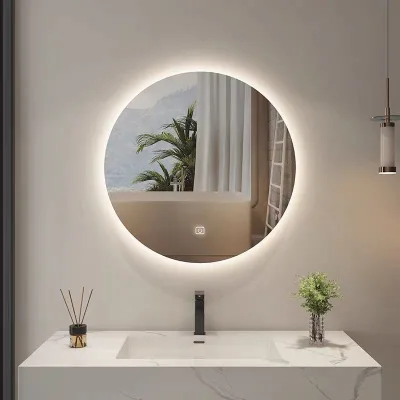
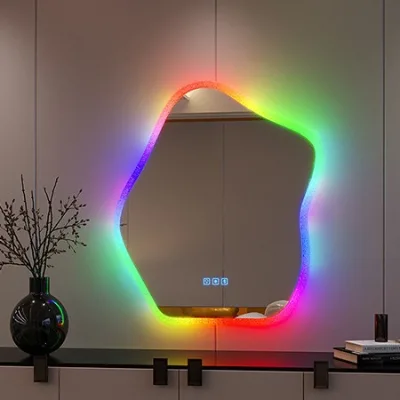


Rectangle Shape Fogless Round Cornor Backlight Touch Screen Smart Mirror
$20.00 - $30.00
MOQ: 50 Pieces


High Quality Wall Mounted Intelligent Smart LED Mirror for Modern Home Bathroom
$10.00 - $15.00
MOQ: 10 Pieces


Comprehensive Sourcing Guide
Strategic Sourcing Guide for Fogless Waterproof Smart LED Mirrors
Understanding the Core Product Architecture and Technical Specifications
When sourcing fogless waterproof smart LED mirrors, buyers must first distinguish between the fundamental architectural components that define performance and longevity. The product category is not monolithic; it encompasses various configurations ranging from single-sided decorative units to complex illuminated smart mirrors with integrated electronics. Based on observed market data, the primary frame materials identified in high-volume listings are glass and stainless steel. Glass frames often provide a seamless, modern aesthetic suitable for commercial and residential applications, while stainless steel offers enhanced durability, particularly in high-moisture environments like commercial bathrooms or outdoor installations.
The lighting mechanism is a critical differentiator. The supply chain frequently utilizes 2835 and 5050 LED strips, which dictate the color temperature and luminous efficiency. Buyers should verify that the selected unit supports the required color temperatures, typically ranging from 3000K (warm white) to 6000K (cool daylight), to match the specific ambiance of the intended space. The voltage requirements are equally vital for international procurement; units are commonly configured for dual voltage systems, supporting 220-240V for regions like Europe and Asia, and 110-130V for North America. This dual-voltage capability reduces the need for external transformers, simplifying installation.
The "smart" functionality often extends beyond simple illumination. Observed product attributes indicate a range of optional functions including anti-fog heating elements, built-in clocks, Bluetooth audio connectivity, and dimming controls. The anti-fog feature is particularly essential for the "fogless" keyword, relying on integrated heating elements to prevent condensation on the mirror surface during high-humidity conditions. The standard switch mechanism is frequently a touch switch, providing a user-friendly interface that is resistant to water ingress when properly sealed.
Compliance, Certification, and Quality Standards Verification
Navigating the regulatory landscape is a non-negotiable aspect of sourcing smart LED mirrors, especially those marketed for use in wet zones or commercial settings. The presence of specific certifications on product listings serves as a primary indicator of compliance, though buyers must treat these as observations requiring verification rather than absolute guarantees. Commonly cited quality standards include CE, SGS, and ISO. The CE mark indicates conformity with health, safety, and environmental protection standards for products sold within the European Economic Area. Similarly, RoHS (Restriction of Hazardous Substances) is a critical standard to verify, ensuring that the electronic components, including the LED strips and control boards, are free from specific hazardous materials.
Buyers must understand that certification status is often product-specific rather than supplier-wide. A supplier may offer CE-certified models alongside non-certified inventory. Therefore, the procurement strategy must involve requesting valid, up-to-date test reports for the specific model number being purchased. For instance, models designated with specific identifiers like SLS-K0741 or XGSM2C-7 may have associated compliance documentation that differs from other SKUs within the same supplier's catalog. The "Quality Standard" attribute often lists these certifications, but the buyer's responsibility is to confirm that the physical product matches the documentation provided.
Furthermore, the application environment dictates the necessary compliance level. Mirrors intended for outdoor use or commercial hotels must meet stricter waterproofing and electrical safety standards than those for private residential use. The "Waterproof" and "Fogless" attributes observed in listings suggest a design intent for wet environments, but the specific IP (Ingress Protection) rating should be explicitly confirmed. Without a verified IP rating, claims of waterproofing remain theoretical. Buyers should request evidence of water resistance testing, particularly for the junction boxes and touch switch areas, to ensure long-term reliability in humid conditions.
Cost Drivers and Pricing Dynamics in the Supply Chain
The pricing structure for fogless waterproof smart LED mirrors is influenced by a complex interplay of material costs, customization levels, and order volume. The observed price range in the market spans from approximately $1.36 to $520 USD, a variance that reflects the vast differences in product complexity and scale. The lower end of this spectrum typically corresponds to basic, single-sided mirrors with standard LED strips and minimal smart features, often sold in bulk with high Minimum Order Quantities (MOQ). Conversely, the higher price points are associated with fully customized units, those featuring premium materials like stainless steel frames, and models equipped with advanced smart functions such as Bluetooth integration, anti-fog heating, and dimming capabilities.
MOQ values are a significant cost driver, ranging from as low as 1 unit for sample orders to 1000 units for bulk production runs. Suppliers often structure their pricing tiers to incentivize larger orders, offering significant per-unit cost reductions as the volume increases. The "Customization" attribute is a primary factor in price escalation. While standard sizes like 700x500mm or 800x600mm are often available at lower costs, bespoke dimensions and custom finishes (such as silver or aluminum frame finishes) incur additional tooling and production expenses.
Additionally, the packaging requirements contribute to the final landed cost. Standard packaging typically involves PE bags, polyfoam, and earth cartons, but customized packaging solutions, such as individual carton packaging with foam cotton or specific branding, add to the unit cost. Buyers should also consider the origin of the product, with major manufacturing hubs in Guangdong and Henan, China, offering competitive pricing due to established supply chains for glass, steel, and electronic components. However, logistics costs, tariffs, and lead times must be factored into the total cost of ownership, as these can vary significantly depending on the specific supplier location and shipping method.
Typical Applications and Installation Considerations
The versatility of fogless waterproof smart LED mirrors makes them suitable for a wide array of applications, from residential bathrooms to large-scale commercial projects. The "Application" attribute observed in product listings explicitly includes Household, Hotel, Villa, Commercial, and Outdoor settings. In residential contexts, these mirrors serve as both functional bathroom accessories and decorative elements, enhancing the aesthetic appeal of modern interiors with their sleek, frameless, or slim-profile designs. The "Modern" style and "Rectangle" shape are dominant trends, aligning with contemporary architectural preferences.
For commercial applications such as hotels and villas, the reliability of the anti-fog and waterproof features is paramount. These environments demand high durability and consistent performance to minimize maintenance costs and ensure guest satisfaction. The ability to customize the color temperature allows hoteliers to tailor the lighting to specific room themes, creating a welcoming atmosphere. In outdoor settings, the waterproof and rustproof attributes are critical, ensuring the mirror can withstand exposure to rain, humidity, and temperature fluctuations without degradation.
Installation considerations vary based on the product's electrical specifications. The dual-voltage capability (110-130V/220-240V) simplifies installation for international projects, but the integration of smart features like Bluetooth or touch switches requires careful planning of the electrical infrastructure. Buyers should ensure that the installation site has adequate power supply and that the mounting surface can support the weight of the mirror, particularly for larger models with stainless steel frames. The "Folded: Unfolded" attribute suggests that some models may have specific mounting requirements or space considerations during the installation process, which should be verified against the site's dimensions.
Supplier Evaluation and Quality Control Protocols
Evaluating suppliers for fogless waterproof smart LED mirrors requires a rigorous approach to quality control and due diligence. The presence of OEM/ODM capabilities indicates that a supplier can accommodate custom branding and design requirements, which is essential for buyers seeking to differentiate their product offerings. However, the ability to customize does not automatically guarantee quality. Buyers must assess the supplier's production capabilities, including their quality assurance processes and adherence to international standards.
Quality control should be a continuous process, starting from the raw material inspection to the final packaging stage. Key areas of focus include the integrity of the LED strips, the effectiveness of the anti-fog heating elements, and the waterproofing of the electrical components. The "Product Name" and "Description" attributes often highlight features like "Decorative Wall Mirror" or "Wholesale LED Smart Mirror," but these are marketing terms that must be backed by physical testing. Buyers should request pre-shipment inspections to verify that the products meet the specified standards, such as the CE, SGS, and ISO certifications mentioned in the product data.
Furthermore, the packaging standards play a crucial role in protecting the product during transit. The observed packaging methods, ranging from PE bags with polyfoam to individual carton packaging with foam cotton, indicate varying levels of protection. For high-value or fragile items, robust packaging is essential to prevent damage. Buyers should also evaluate the supplier's responsiveness and communication, as these factors are critical for resolving any issues that may arise during the procurement process. The "Location" attribute, noting origins in Guangdong and Henan, China, provides insight into the supplier's geographic context, which can influence logistics and lead times.
Long-Term Procurement and Lifecycle Management
Sourcing fogless waterproof smart LED mirrors is not merely a transactional activity but a strategic decision that impacts long-term operational efficiency and customer satisfaction. The "Standard Switch" and "Optional Function" attributes, such as dimming and Bluetooth, suggest that these products are designed for longevity and adaptability. However, the lifespan of the LED strips and the reliability of the anti-fog heating elements are critical factors that determine the total cost of ownership. Buyers should inquire about the expected lifespan of the LED components and the warranty terms provided by the supplier.
Maintenance and repair considerations are also vital. The "Frame Finish" and "Material" attributes, such as aluminum or stainless steel, influence the ease of cleaning and resistance to corrosion. In high-traffic commercial environments, mirrors must be durable enough to withstand frequent cleaning and potential physical contact. Buyers should ensure that the supplier provides clear maintenance guidelines and that replacement parts, such as LED strips or control boards, are readily available.
Finally, the scalability of the procurement relationship is essential for long-term success. Suppliers that offer flexible MOQs and customization options can adapt to changing market demands, allowing buyers to adjust their inventory levels and product offerings as needed. The "Customized" and "OEM/ODM" attributes highlight the potential for building a strong, collaborative partnership with suppliers who can grow alongside the buyer's business. By focusing on these long-term factors, buyers can ensure a sustainable supply chain that delivers high-quality, reliable fogless waterproof smart LED mirrors for years to come.
Comparative Analysis of Key Product Attributes
To facilitate informed decision-making, the following table summarizes the key attributes observed in the market for fogless waterproof smart LED mirrors. This comparison highlights the variations in materials, functions, and specifications that buyers should consider during the sourcing process.
| Attribute Category | Common Observations | Strategic Consideration |
|---|---|---|
| Frame Material | Glass, Stainless Steel | Select based on aesthetic preference and environmental durability needs. |
| LED Strip Type | 2835, 5050 | Verify color temperature (3000K-6000K) and brightness requirements. |
| Voltage Support | 220-240V / 110-130V | Ensure compatibility with local electrical infrastructure. |
| Special Functions | Fogless, Waterproof, Rustproof, Lighted | Confirm specific IP ratings for waterproofing and heating efficiency for fogless. |
| Optional Features | Anti Fog, Clock, Bluetooth, Dimming | Assess relevance to target market and cost implications. |
| Certifications | CE, SGS, ISO, RoHS (Background) | Request valid test reports for specific models; do not assume blanket coverage. |
| Packaging | PE Bag + Polyfoam + Carton / Custom | Evaluate protection levels for transit and storage. |
| Customization | Available (Size, Finish, Function) | Factor in additional costs and lead times for bespoke orders. |
| Origin | China (Guangdong, Henan) | Consider logistics costs and supply chain stability. |
This structured approach to understanding the product landscape ensures that buyers can navigate the complexities of sourcing fogless waterproof smart LED mirrors with confidence and precision. By focusing on verified specifications, rigorous quality control, and long-term strategic planning, procurement professionals can secure high-quality products that meet the demanding requirements of modern applications.
FAQs
What certifications do fogless waterproof smart led mirrors typically have?
These mirrors commonly hold CE, SGS, and ISO certifications. Buyers must verify specific test reports for each model, as compliance varies by SKU rather than supplier-wide, ensuring safety for wet zone installations.
Can I customize the size and frame finish of these mirrors?
Yes, customization is available for dimensions like 700x500mm or 800x600mm and finishes such as silver or aluminum. Custom orders often require higher MOQs and may incur additional tooling costs compared to standard sizes.
What voltage options are supported for international installation?
Units support dual voltage systems of 220-240V and 110-130V to accommodate global power standards. This feature simplifies installation by eliminating the need for external transformers in most residential and commercial settings.
Which smart functions are optional for these LED mirrors?
Optional functions include anti-fog heating, built-in clocks, Bluetooth audio, and dimming controls. The anti-fog feature is essential for humid environments, relying on integrated heating elements to prevent condensation on the surface.
How are these mirrors packaged for safe international shipping?
Standard packaging includes PE bags, polyfoam, and earth cartons, while premium options use individual carton packaging with foam cotton. Robust packaging is critical to protect the glass and electronic components during transit.
What is the typical MOQ range for ordering these mirrors?
Minimum Order Quantities range from 1 unit for samples to 1000 units for bulk production. Suppliers often structure pricing tiers to offer significant per-unit cost reductions as the order volume increases.
Where are these fogless waterproof smart led mirrors manufactured?
Major manufacturing hubs are located in Guangdong and Henan, China, leveraging established supply chains for glass and steel. Origin location influences logistics costs and lead times, which buyers should factor into their total cost of ownership.