Source Foldable Adjustable Hotel Bed Lifter for Hotel, Villa, Apartment
Find and compare 20 Foldable Adjustable Hotel Bed Lifter options from Qingdao suppliers. These units feature metal structures, motor controls, and customizable sizes for bedrooms, hotels, and villas with OEM services available.
Key considerations
Products List


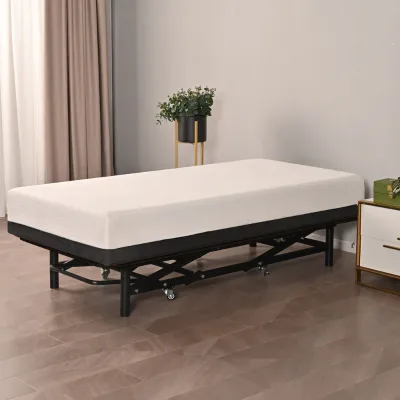
High Low Control Lifting Metal Frame Adjustable Electric Hotel Bed Frame with Wheels
$100.00 - $180.00
MOQ: 30 Pieces

Single High Low Five Star Hotel Electric Folding Lifting Bed with Wireless Remote
$150.90 - $180.90
MOQ: 50 Pieces




Comprehensive Sourcing Guide
Strategic Sourcing Guide for Foldable Adjustable Hotel Bed Lifters
The global hospitality and healthcare sectors are increasingly prioritizing space efficiency and accessibility, driving demand for foldable adjustable hotel bed lifters. These specialized units combine the functionality of a standard sleeping surface with mechanical lifting mechanisms and space-saving folding capabilities. For procurement professionals, navigating this market requires a disciplined approach to verifying technical specifications, ensuring regulatory compliance, and evaluating supplier capabilities without relying on unverified marketing claims. This guide synthesizes observed product attributes and industry standards to provide a robust framework for sourcing these complex mechanical assets.
Technical Architecture and Mechanical Specifications
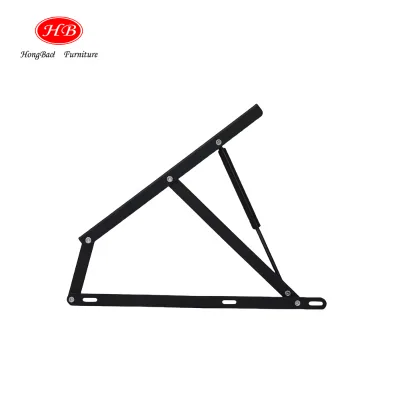
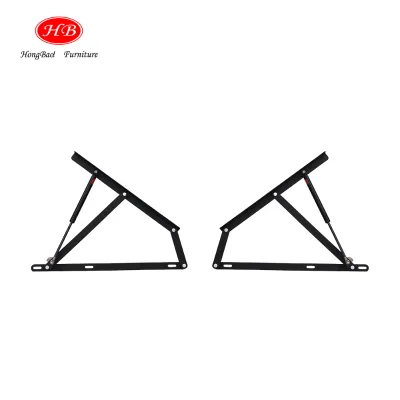
Understanding the mechanical architecture of a foldable adjustable bed lifter is the first step in defining procurement requirements. The core functionality relies on a robust structure that integrates a lifting mechanism with a folding frame. Based on observed product data, the structural composition typically involves a combination of metal components, a bed base, and a motor system. This tripartite structure ensures that the unit can support significant weight while maintaining smooth operation during elevation and retraction cycles.
The lifting mechanism itself is a critical differentiator. Products in this category often utilize an AC elevator driving type, which provides the necessary torque for heavy-duty applications. The control mode is frequently designed for group control, allowing multiple units to be synchronized in large hotel environments or institutional settings. A key safety feature observed in high-end models is the inclusion of a deceleration device, which ensures that the bed lowers gently to prevent jolts or damage to the mattress and frame. Furthermore, the height adjustability is a standard requirement, with some models offering a mechanism control that allows for precise "up and down" positioning.
Capacity and load-bearing limits are paramount. Observed specifications indicate a weight limit of up to 650lbs (300kgs), a figure that must be verified against the specific needs of the intended application, such as accommodating guests with mobility aids or heavy medical equipment. The physical dimensions vary, with standard configurations available in Queen, King, Double, and Single sizes. While some units are designed as flat beds, others may feature storage capabilities, either with or without integrated storage compartments. The shape of the bed is typically rectangular or square, and the style often aligns with European or modern design aesthetics to match hotel interiors.
Compliance, Certification, and Safety Standards
In the B2B procurement of mechanical lifting devices, compliance is non-negotiable. Buyers must verify that suppliers adhere to international safety standards, particularly regarding electrical safety and mechanical stability. The CE Certification is a frequently cited standard for products originating from manufacturing hubs in China, indicating conformity with health, safety, and environmental protection standards for products sold within the European Economic Area. However, buyers should not assume that a listed certification applies to every unit without requesting specific test reports or certificates of conformity for the specific model number.
Safety features extend beyond electrical certification. The presence of a deceleration device and buffer mechanisms is essential for preventing accidents during operation. Some specifications mention a "buffer device" related to energy consumption, which suggests an efficiency-focused design, but the primary safety function is to absorb kinetic energy during the lowering phase. Additionally, the material composition, such as the use of stainless steel and glass for door or panel components in related elevator-style mechanisms, contributes to fire resistance and durability.
Buyers must also consider the "After-Sales Service" warranty period. A standard observation in this sector is a 10-year service window, which implies a long-term commitment to product reliability. This warranty should cover the motor, the lifting mechanism, and the structural frame. It is crucial to clarify what constitutes a "service" claim versus a "replacement" claim in the supplier's contract. Furthermore, the product origin, often listed as Qingdao, China, requires verification of the specific factory's quality management system certifications, such as ISO standards, which are not explicitly listed in the provided data but are industry expectations for this category.
Cost Drivers and Pricing Dynamics
The pricing of foldable adjustable bed lifters is influenced by a complex interplay of factors, including material costs, motor specifications, and customization levels. The observed price range is exceptionally wide, spanning from $0.09 to $19,000. This disparity highlights the difference between basic components, accessories, and fully integrated, motorized lifting systems. Buyers should be wary of prices at the lower end of this spectrum, as they may represent non-functional parts, accessories, or incomplete units rather than the complete bed lifter system.
The primary cost drivers include the motor type (AC elevator), the complexity of the control system (group control vs. individual), and the materials used for the frame and finish. Units with a weight limit of 300kgs and a 10-year warranty will naturally command a higher price point than basic manual or semi-automatic models. Customization is a significant variable; the availability of OEM and ODM services allows buyers to tailor the bed to specific hotel branding, dimensions, or color schemes (e.g., Black or White finishes). However, each customization adds to the unit cost and potentially the lead time.
Minimum Order Quantity (MOQ) also impacts the unit price. The observed MOQ range is 1 to 5,000 units, with a specific high-confidence fact noting an MOQ of 30 pieces for certain models. Bulk purchasing typically reduces the per-unit cost, but buyers must balance this against storage and cash flow constraints. The packaging method, such as wooden boxes, steel racks, or customized crates, adds to the overall landed cost, especially for international shipping.
Typical Applications and Operational Context
Foldable adjustable bed lifters are designed for environments where space optimization and accessibility are critical. The primary application is in the hotel industry, where these units allow for the conversion of a sleeping area into a larger living space or facilitate easier access for guests with limited mobility. The "Suitable for: Adult" attribute confirms their use in general hospitality settings, but the robust weight capacity and durable construction also make them suitable for other sectors.
Beyond hotels, these units are applicable in apartments, schools, and villas. In healthcare or rehabilitation facilities, the adjustable height and reclining features are essential for patient care. The "Function: Bedroom Furniture" classification underscores their role as a primary piece of furniture, while the "Folded" attribute indicates their utility in multi-purpose rooms. The "High-Low: Mechanism Control" feature is particularly valuable in settings where the bed needs to be raised to a standing height for cleaning or lowered for patient transfer.
The "Application" list also includes specific mentions of schools and villas, suggesting versatility in both public and private residential contexts. The ability to disassemble the unit facilitates installation in buildings with limited access or narrow stairwells. This modularity is a key operational advantage for large-scale procurement projects where logistics can be a bottleneck.
Supplier Evaluation and Quality Assurance
Evaluating suppliers for foldable adjustable bed lifters requires a rigorous due diligence process. Buyers should prioritize suppliers who offer OEM and ODM services, as this indicates a capacity for customization and a deeper understanding of the product lifecycle. The "Service" attribute explicitly mentions OEM & ODM, which is a positive indicator of supplier flexibility. However, buyers must verify the supplier's actual production capacity and quality control protocols.
Quality assurance should focus on the consistency of the motor performance, the durability of the metal structure, and the reliability of the control system. The "Feature" list includes "Comfortable, Adjustable, Durable, Reclining, Multi," which are subjective claims that must be validated through physical inspection or third-party testing. Buyers should request sample units to test the "Deceleration Device" and the "Buffer Device" under load to ensure they function as advertised.
The "After-Sales Service: 10 Years" claim is a significant differentiator. Buyers should scrutinize the terms of this warranty, including response times, spare parts availability, and the scope of coverage. A supplier with a local presence or a robust network of service partners in the buyer's region is preferable. The "Location" of the supplier, often Qingdao, China, should be verified to ensure it aligns with the buyer's logistics strategy and import regulations.
Long-Term Procurement and Lifecycle Management
Long-term procurement of these units involves more than just the initial purchase; it requires a strategy for maintenance, replacement, and lifecycle management. The "Condition: New" attribute confirms that the products are manufactured to current standards, but buyers must plan for the eventual wear and tear of mechanical components. The motor and lifting mechanism are the most likely points of failure over a 10-year period.
Procurement contracts should include provisions for regular maintenance schedules and the availability of replacement parts. The "prod_packing" specification, which includes options for wooden boxes and steel racks, suggests that the packaging is designed for durability during transit, but the long-term storage of spare parts should also be considered. The "Customized" nature of the product means that replacement parts may not be off-the-shelf items, necessitating a direct relationship with the manufacturer for ongoing support.
Buyers should also consider the environmental impact of the product. The "Buffer Device: Energy Consumption" attribute hints at energy efficiency, but a full lifecycle assessment should be conducted to understand the power consumption of the AC elevator motor over its operational life. Additionally, the "Disassembly" feature supports sustainability by allowing for easier recycling or repurposing of materials at the end of the product's life.
Comparative Analysis of Product Attributes
To assist in decision-making, the following table summarizes key attributes observed in the market for foldable adjustable bed lifters. This comparison highlights the variability in specifications that buyers must navigate.
| Attribute Category | Observed Variations | Procurement Consideration |
|---|---|---|
| Storage | With Storage / Without Storage | Determine if integrated storage is required for space efficiency. |
| Size Standard | King / Queen / Double / Single / Super King | Match room dimensions and mattress requirements. |
| Color | Black / White / Customized | Align with interior design schemes and branding. |
| Weight Limit | Up to 650lbs (300kgs) | Verify against specific guest profiles or medical equipment needs. |
| Control Mode | Group Control / Mechanism Control | Ensure compatibility with building automation or manual operation. |
| Warranty | 10 Years (Typical) | Confirm coverage details and service response times. |
| Origin | Qingdao, China | Factor in lead times, shipping costs, and import duties. |
| Certification | CE Certification | Verify validity and scope for target markets. |
Final Procurement Recommendations
Sourcing foldable adjustable hotel bed lifters requires a balance of technical verification, commercial negotiation, and long-term planning. Buyers must move beyond surface-level marketing claims and focus on the underlying mechanical specifications, such as the AC elevator driving type and the presence of deceleration devices. The wide price range and MOQ variability necessitate a clear definition of requirements before engaging with suppliers.
Ultimately, the success of the procurement depends on the supplier's ability to deliver a product that meets the specific operational needs of the facility while adhering to safety and quality standards. By rigorously evaluating the technical architecture, verifying certifications, and establishing clear service agreements, buyers can secure reliable, high-performance bed lifters that enhance the guest experience and operational efficiency of their facilities. The focus should remain on the observable facts and verified attributes provided in the product data, ensuring that all procurement decisions are grounded in evidence rather than assumption.
FAQs
What is the weight limit for these bed lifters?
The observed weight limit is 650lbs or 300kgs. This capacity supports heavy-duty applications in hotels and apartments, ensuring stability for adult users and medical equipment during operation.
Which certifications are available for these units?
CE Certification is a documented standard for these products. Buyers should verify specific test reports for each model number to ensure compliance with European safety and environmental protection standards.
Can the bed be customized for specific needs?
Customization is available for dimensions, colors, and branding. OEM and ODM services allow suppliers to tailor the unit to specific hotel interiors or functional requirements like storage or folding styles.
How is the lifting mechanism controlled?
The mechanism uses AC elevator driving with group control options. This allows for synchronized operation in large settings, featuring deceleration devices for safe and smooth up and down movement.
What is the minimum order quantity for purchase?
The minimum order quantity is 30 pieces for certain models. Some listings show a range from 1 to 5000 units, so buyers must confirm the specific MOQ based on the selected model and customization.
Where are these products manufactured?
The products originate from Qingdao, China. This location is a known manufacturing hub, and buyers should verify the specific factory's quality management systems for reliable long-term supply chains.