Source Foldable Container Pod for Hotels, Villas, and Warehouses
Explore 30 verified options for the Foldable Container Pod, comparing features like ISO certification, wind resistance, and assembly time. Buyers can evaluate specifications for use in hotels, dormitories, and temporary offices to find the right solution.
Key considerations
Products List
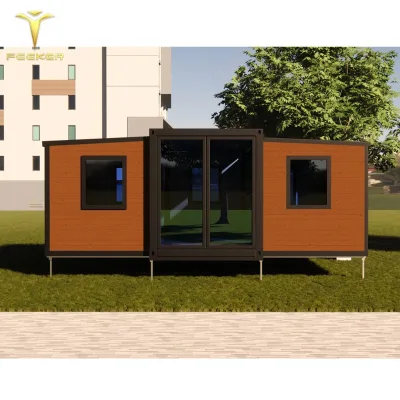
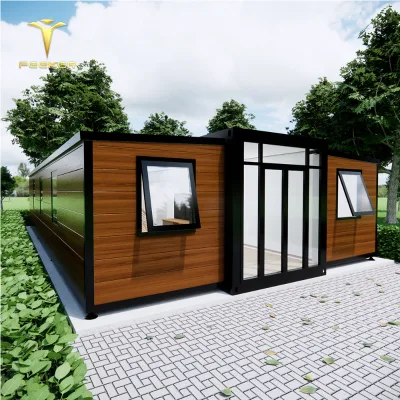
Sleeping Pods 20ft Iso Shipping Cheap Container Steel House Frame 40ft Expandable
$3800.00 - $5699.00
MOQ: 1 pieces


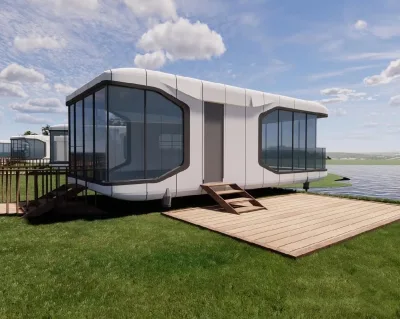


Sleeping Pods for Capsule Hotel Prefab House Small Foldable Container House
$1300.00 - $1400.00
MOQ: 10 Sets

20FT Mobile Prefabricated Outdoor Portable Apple Container House Sleeping Movable Pod
$370.00 - $480.00
MOQ: 13 Square Feet


Economic and Easy to Install Portable Pod Cabin Flat Pack Container House
$2000.00 - $2800.00
MOQ: 10 Pieces


Mobile Expandable Container Style Office Pod with Lockable Storage Compartments
$2899.00 - $3199.00
MOQ: 5 Pieces


$3500.00 - $4000.00
MOQ: 1 Pieces


Custom Sliding Partition Double Wing Expand Container Flexible Adjustable Indoor Room Layout Pod
$35.00 - $80.00
MOQ: 100 Square Meters
Comprehensive Sourcing Guide
Strategic Sourcing Guide for Foldable Container Pods
Understanding the Product Category and Core Attributes
The Foldable Container Pod represents a specialized segment within the prefabricated construction market, designed to offer rapid deployment and efficient logistics. Unlike traditional shipping containers that require heavy lifting equipment for placement, these units are engineered to collapse flat for transport and expand on-site to provide habitable or functional space. Based on current market observations, these units are frequently categorized under terms such as "expandable container," "foldable house," "collapsible container house," and "portable cabin." The primary material composition typically involves a steel frame combined with sandwich panels, which provide structural integrity while maintaining thermal efficiency. The design style is predominantly modern, catering to contemporary aesthetic requirements for temporary or semi-permanent structures.
The physical dimensions of these pods vary, with common configurations observed in the market including sizes of 2.438m by 6.058m or 2.438m by 12.192m. This standardization aligns with international shipping container widths, facilitating compatibility with existing logistics infrastructure. The structural shape is generally square or rectangular, optimized for maximizing interior volume while minimizing external footprint during transit. Buyers should note that while the core concept is consistent, specific product attributes such as thickness, insulation levels, and internal finishing can vary significantly between suppliers. The "Standard" thickness is a common specification, but procurement teams must verify exact measurements against their specific thermal and acoustic requirements.
Technical Specifications and Performance Capabilities
When evaluating foldable container pods, technical specifications extend beyond mere dimensions to include critical performance metrics related to environmental resilience. The structural design must withstand various weather conditions and seismic events. Market data indicates that high-performance units often boast a seismic resistance capacity of greater than Grade 8, ensuring stability in regions prone to tectonic activity. Similarly, wind resistance is a crucial factor, with observed specifications citing capacities exceeding 220km/h. These figures suggest that the units are engineered for robust outdoor use, though buyers must confirm that these ratings apply to the specific model being procured and not just a theoretical maximum.
Assembly speed is another defining technical characteristic. Advanced models are designed for rapid deployment, with some specifications claiming an assembly time of approximately four hours per unit. This "Easy Built" feature significantly reduces labor costs and project timelines compared to traditional construction methods. The logistics of transport are equally important; efficient bundling is a key feature, with some configurations allowing four units to be packed into a single 20-foot general purpose (20gp) container. This density optimization drastically lowers the cost per unit for international shipping. However, the exact packing configuration, such as "4 Units in One Bundle," should be verified with the supplier to ensure it matches the buyer's shipping volume and budget constraints.
Compliance, Certification, and Regulatory Standards
Navigating the regulatory landscape is essential for international procurement of foldable container pods. Compliance is often demonstrated through recognized international certifications. Common certifications observed in the market include ISO standards, which indicate adherence to quality management systems, and CE marking, which is mandatory for products sold within the European Economic Area. Some suppliers may also hold BV (Bureau Veritas) certification, providing third-party verification of product quality and safety. Additionally, specific electronic components or integrated systems within the pods, if present, might require certifications such as ROHS or FCC, particularly regarding electromagnetic compatibility and hazardous substance restrictions.
Buyers must approach certification claims with a verification mindset. While "ISO" and "CE" are frequently listed, the specific standard number (e.g., ISO 9001) and the scope of the certification should be confirmed. It is also critical to distinguish between the certification of the product itself and the certification of the manufacturing facility. For projects in specific jurisdictions, local building codes may require additional testing or certifications not listed in the general product description. The presence of a warranty, typically ranging from one to two years, often serves as an indicator of the manufacturer's confidence in their compliance and quality control processes. A warranty period of two years, for instance, suggests a higher level of assurance regarding the durability of the steel frame and sandwich panels.
Cost Drivers and Economic Considerations
The total cost of ownership for foldable container pods is influenced by several variables beyond the initial unit price. The observed price range in the market is broad, spanning from approximately 1.8 to 9400 USD. This wide disparity is driven by factors such as the level of customization, the quality of materials, the inclusion of electrical or plumbing systems, and the specific configuration of the unit. Basic models may fall at the lower end of this spectrum, while fully equipped units with advanced insulation, custom interiors, or specialized features will command higher prices.
Minimum Order Quantity (MOQ) is another significant cost driver. The market observes MOQs ranging from 1 unit to 400 units. Purchasing a single unit is feasible for small-scale projects or pilot programs, but it often carries a higher per-unit cost. Conversely, bulk orders of 400 units can leverage economies of scale, potentially reducing the unit price and optimizing shipping logistics. The "Cost Effective Transportation" feature, where multiple units are bundled, directly impacts the landed cost. Buyers should calculate the total cost including freight, insurance, and customs duties, as the shipping efficiency of bundled units can result in substantial savings for large orders. Additionally, the availability of customization services can increase costs, so buyers must balance their specific needs against their budget constraints.
Typical Applications and Usage Scenarios
Foldable container pods are highly versatile and are deployed across a wide array of sectors. The primary applications observed include use as hotels, villas, dormitories, temporary offices, workshops, and warehouses. The "Hotel" and "Villa" applications highlight the suitability of these units for hospitality and residential projects where rapid setup and modern aesthetics are required. In the industrial and construction sectors, their utility as "Temporary Offices" and "Workshops" is paramount, offering immediate on-site facilities for project management and operations.
The "Dormitories" application is particularly relevant for labor camps or student housing, where the ability to deploy multiple units quickly is essential. The "Warehouse" use case leverages the structural strength of the steel frame and sandwich panels to provide secure storage. The "Carport" application further demonstrates the adaptability of the design for vehicle protection. Buyers should consider the specific environmental conditions of the intended site. For instance, units used in "Hotel" settings may require higher aesthetic finishes and better insulation compared to those used as "Workshops." The "Breathable" feature noted in some product descriptions suggests that certain models are designed to improve air circulation, which is beneficial for residential or hospitality applications.
Supplier Evaluation and Quality Control Protocols
Selecting a reliable supplier is critical to ensuring the quality and longevity of the foldable container pods. Key indicators of a reputable supplier include the clarity of their product specifications, the transparency of their certification documents, and the robustness of their after-sales support. Many suppliers offer "Online technical support," which is a valuable resource for troubleshooting assembly or maintenance issues. The brand name, such as "Feeker" or "ZhongHao," can be a starting point for research, but buyers should not rely solely on brand recognition without verifying the supplier's track record.
Quality control should be a multi-stage process. Before production, buyers should request detailed engineering drawings and material specifications to ensure they match the project requirements. During production, third-party inspection services can verify that the steel thickness, sandwich panel density, and welding quality meet the agreed standards. Post-production, a pre-shipment inspection is recommended to check for cosmetic defects and functional integrity. The "Place of Origin" is a relevant factor, with major manufacturing hubs identified in regions like Henan, Shanghai, and Shandong in China. Buyers should verify the specific factory location to understand the logistical implications and the supplier's proximity to ports.
Long-Term Procurement and Maintenance Strategies
Long-term procurement considerations extend beyond the initial purchase to include maintenance, warranty, and scalability. The warranty period, typically ranging from one to two years, covers defects in materials and workmanship. Buyers should carefully review the terms of the warranty to understand what is included and what constitutes voidable conditions. For projects requiring long-term use, the durability of the steel frame and the resistance of the sandwich panels to corrosion and weathering are paramount.
Scalability is another important factor. The ability to expand a project by adding more units is facilitated by the standardized design of these pods. The "Customization" feature allows buyers to tailor units to specific needs, but it is essential to ensure that customizations do not compromise the structural integrity or the ability to connect units in a modular fashion. The "Selling Units" being listed as "Single item" suggests flexibility in ordering, but buyers should plan for future expansion by securing a supplier capable of fulfilling larger orders with consistent quality. Finally, the "Start Mode" and any integrated systems, such as sensors or charging capabilities, should be evaluated for their long-term reliability and ease of maintenance to ensure the units remain functional throughout their intended lifespan.
Comparative Analysis of Key Product Attributes
To assist in decision-making, the following table summarizes the key attributes observed in the market for foldable container pods. This comparison highlights the variability in specifications and helps buyers identify the features most relevant to their specific project needs.
| Attribute Category | Observed Specifications / Options | Relevance to Procurement |
|---|---|---|
| Product Type | Expandable Container, Foldable House, Collapsible Container House | Determines deployment speed and logistics strategy. |
| Material | Sandwich Panel, Steel, Other | Impacts insulation, durability, and fire resistance. |
| Dimensions | 2.438m x 6.058m or 2.438m x 12.192m | Critical for site planning and interior layout. |
| Seismic Resistance | >Grade 8 | Essential for projects in earthquake-prone zones. |
| Wind Resistance | >220km/h | Vital for coastal or high-wind regions. |
| Assembly Time | Approx. 4 Hours per Unit | Influences labor costs and project timeline. |
| Certification | ISO, CE, BV, ROHS, FCC | Required for regulatory compliance in target markets. |
| Warranty | 1 Year to 2 Years | Indicates manufacturer confidence and risk mitigation. |
| Transport Efficiency | 4 Units in One Bundle (20gp) | Significantly reduces shipping costs for bulk orders. |
| Applications | Hotel, Villa, Dormitory, Office, Workshop, Warehouse | Aligns product selection with end-use requirements. |
| Origin | Henan, Shanghai, Shandong, China | Affects lead times and logistics routing. |
| Customization | Available / Customized | Allows for tailored solutions but may increase cost. |
This structured approach to evaluating foldable container pods ensures that buyers can make informed decisions based on verified data and practical considerations. By focusing on technical specifications, compliance, cost drivers, and supplier reliability, procurement teams can secure high-quality units that meet their operational and financial objectives.
FAQs
How long does it take to assemble a Foldable Container Pod?
Some models require just four hours to assemble on site. This rapid deployment depends on the specific design and the availability of a clear foundation, ensuring quick setup for dormitories or temporary offices.
What certifications do foldable container pods typically hold?
Common certifications include ISO, CE, BV, ROHS, and FCC. These standards verify quality management and safety, though specific compliance depends on the manufacturer and the intended application of the unit.
Which materials are used to construct these expandable containers?
They are primarily built using steel frames and sandwich panels. This combination provides structural integrity and thermal efficiency, suitable for use as villas, hotels, or workshops in various climates.
Can I customize the dimensions of a portable cabin?
Customization is available for many models to meet specific project needs. Buyers can often select standard sizes like 2.438m by 6.058m or request tailored modifications to fit unique site requirements.
What is the warranty period for these collapsible houses?
Warranty periods typically range from one to two years. This coverage protects against material defects, with the specific duration varying by brand and the type of after-sale service provided.
How many units can be shipped in one 20-foot container?
Up to four units can be bundled into a single 20-foot container. This efficient packing method reduces transportation costs and is a key feature for cost-effective international logistics.
Where are these foldable houses manufactured?
Major manufacturing origins include Henan, Shanghai, and Shandong in China. The specific location affects lead times and shipping logistics, so buyers should verify the factory origin before placing an order.