Source Foldable Universal Automobile Sunshade for Cars, Trucks, SUVs
Explore 30 listings for the Foldable Universal Automobile Sunshade designed for cars, trucks, and SUVs. Buyers can compare customization options, materials like nylon and PE, and mounting methods including static stickers and osculum types to find the best fit; compare the available evidence and request quotations based on your requirements.
Key considerations
Products List


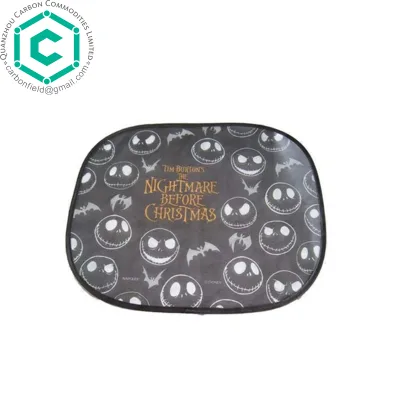


Foldable Custom Front Window Retractable Car Sunshade for Car Windshield
$1.00 - $3.00
MOQ: 100 Pieces


Universal Foldable Car Windshield Sun Shade for Sedan SUV and Pickup Trucks
$2.90 - $5.00
MOQ: 500 Pieces

Foldable Front Windshield Sunshade Universal Fit for Most Vehicles SUV Sedan
$2.90 - $5.00
MOQ: 500 Pieces

Foldable Automotive Sunshade Car Shade Screen Sun Protection Windshield Sun Shield
$0.60 - $2.80
MOQ: 100 Pieces


Comprehensive Sourcing Guide
Foldable Universal Automobile Sunshade Sourcing Guide
Procuring foldable universal automobile sunshades requires a disciplined approach to verifying product fit, material integrity, and commercial terms. Buyers must distinguish between generic universal designs and specific vehicle models to ensure the product meets end-user expectations. The observed market data indicates a wide range of configurations, from simple manual folding units to more complex automatic mechanisms. This guide outlines the critical verification steps necessary to mitigate supply chain risks and ensure consistent quality.
The primary challenge in this category is the variability in product definitions. Listings often mix different types of shades, including front windshield, side window, and rear window options. Buyers must clearly define their target application to avoid receiving mismatched inventory. Furthermore, the distinction between "universal" and "custom fit" is crucial for inventory management. A universal shade may not provide the same level of coverage or aesthetic integration as a custom-fit product, which can impact customer satisfaction and return rates.
Product Scope and Observed Listing Signals
The product scope for foldable universal automobile sunshades encompasses various mounting methods and coverage areas. Observed listings include front windshield shades, side window shades, and rear window shades, each serving distinct thermal and UV protection needs. The mounting method is a key differentiator, with options ranging from static stickers to osculum types. Buyers should verify the specific mounting mechanism to ensure it aligns with their target vehicle types and user preferences.
Material composition is another critical signal in the product scope. Common materials include nylon, PE, and polyester with aluminum coating. Each material offers different levels of durability, breathability, and heat reflection. For instance, nylon mesh is often chosen for its breathability, while polyester with aluminum coating provides superior heat reflection. Buyers must specify the required material properties to ensure the product meets performance expectations. Additionally, the presence of features like dust-proof and waterproof capabilities should be confirmed based on the intended use case.
Technical Specifications to Verify
Technical specifications must be rigorously verified to ensure the sunshade functions as intended. Key dimensions, such as 150x70cm, 145x79cm, and 200x70cm, are commonly observed in listings. Buyers should confirm that the dimensions match the target vehicle's window or windshield size. A mismatch in size can lead to poor coverage and user dissatisfaction. It is essential to request detailed dimension charts and cross-reference them with the specific vehicle models in your target market.
The folding mechanism and installation process are also critical technical aspects. Foldable designs must be tested for ease of use and durability over multiple cycles. Buyers should verify the number of folding cycles the product can withstand without degradation. Additionally, the mounting method, whether static sticker or osculum type, must be compatible with the vehicle's surface. Testing samples for adhesion strength and removal residue is recommended to ensure the product does not damage the vehicle's interior or exterior surfaces.
Compliance and Safety Documentation
Compliance with safety and environmental standards is non-negotiable for automotive accessories. Observed certifications include EN71 and REACH, often verified by SGS. Buyers must request current test reports to confirm that the product meets these standards. EN71 is particularly relevant for products that may be used in vehicles with children, ensuring safety from harmful substances. REACH compliance ensures that the materials do not contain restricted hazardous substances, which is critical for market access in many regions.
Documentation should also include material safety data sheets (MSDS) for all components, including inks and coatings. The use of environmental inks is a positive indicator of compliance with environmental regulations. Buyers should verify that the supplier can provide traceable documentation for all raw materials. This level of transparency helps mitigate legal risks and ensures that the product can be sold in regulated markets without issues. Regular audits of the supplier's compliance processes are recommended to maintain ongoing adherence to standards.
Cost Drivers and Commercial Terms
Cost drivers for foldable universal automobile sunshades include material quality, manufacturing complexity, and packaging requirements. The observed price range of $0.21 to $12 reflects the diversity in product types and features. Basic manual shades tend to be at the lower end, while automatic or high-end custom-fit shades command higher prices. Buyers should analyze the cost structure to understand which factors contribute to the final price. Negotiating based on volume and long-term commitments can help reduce unit costs.
Commercial terms, including MOQ and payment conditions, must be clearly defined. Observed MOQs range from 50 to 5000 units, with specific notes like 2000 pieces for automatic car sunshades. Buyers should align their MOQ with their inventory strategy to avoid overstocking or stockouts. Payment terms, such as advance payments or letter of credit, should be negotiated based on the supplier's reliability and the order size. Clear communication of these terms helps prevent disputes and ensures a smooth transaction process.
Supplier Qualification and Quality Control
Supplier qualification involves assessing the manufacturer's capabilities, experience, and quality control processes. Buyers should verify the supplier's production capacity, lead times, and ability to handle custom orders. The origin of the product, often China, should be considered in terms of logistics and potential trade barriers. Requesting factory audits or third-party inspections can provide insights into the supplier's operational efficiency and quality standards.
Quality control measures should include incoming material inspection, in-process checks, and final product testing. Buyers should define the acceptable quality limits (AQL) and ensure the supplier adheres to them. Regular sampling and testing of products from each batch can help identify potential issues early. Establishing a clear communication channel for quality feedback and corrective actions is essential for maintaining a high standard of product quality.
Long-Term Procurement Checks
Long-term procurement requires ongoing monitoring of supplier performance and market trends. Buyers should establish key performance indicators (KPIs) for delivery times, quality consistency, and cost stability. Regular reviews of the supplier's performance against these KPIs help identify areas for improvement. Building a strong relationship with the supplier can lead to better terms and more flexible support in case of disruptions.
Market trends and technological advancements should also be monitored to stay competitive. New materials or mounting technologies may offer improved performance or cost savings. Buyers should engage with suppliers to explore potential innovations and pilot new products. This proactive approach ensures that the product portfolio remains relevant and competitive in the evolving automotive accessory market.
FAQs
How can I customize the sunshade pattern and logo?
Customization is available for patterns and logos on these products. You can select from cartoon or pure color designs and request a custom logo. The standard fit allows for specific model requirements, ensuring the final product matches your branding needs exactly.
What materials are used for the sunshade cover?
The sunshade cover is constructed from durable materials like nylon or polyester with aluminum coating. Some variants use PE or nylon mesh to ensure breathability while maintaining a luster finish. These materials provide effective protection against sun and dust for vehicle interiors.
Which mounting methods are supported for the shades?
The shades support static sticker mounting or osculum type installation methods. This allows for easy application without adhesives that damage surfaces. The design ensures the shade stays securely in place while offering a clean look for front, rear, or side windows.
Can I find suppliers with specific certifications like EN71?
Yes, suppliers offer products certified under EN71 and REACH standards verified by SGS. These certifications ensure safety and compliance for international markets. You can source items that meet these rigorous quality standards for peace of mind regarding material safety and environmental impact.
What is the typical lead time for sample production?
The sample time is typically three days for production. This quick turnaround allows buyers to evaluate product quality before placing larger orders. It is an efficient process for verifying specifications like size, material, and customization options before committing to bulk procurement.
How does the MOQ vary for different sunshade types?
The minimum order quantity ranges from 50 to 5000 pieces depending on the specific product type. For automatic car sunshades, the MOQ is often 2000 pieces. Buyers should check specific model requirements to determine the exact quantity needed for their initial order.
Where are these sunshade products manufactured?
These products originate from China, specifically from the Fujian region. The manufacturing location ensures access to established supply chains for automotive accessories. Buyers can expect competitive pricing and reliable production capabilities from these verified sources in the region.