Source Hyaluronic Acid Barrier Repair Serum for Face, Body, and Neck
Explore 30 listings for Hyaluronic Acid Barrier Repair Serum designed for face, body, and neck applications. Buyers can compare features like anti-aging, moisturizing, and whitening effects across various suppliers offering customized packaging and private labeling options.
Key considerations
Products List


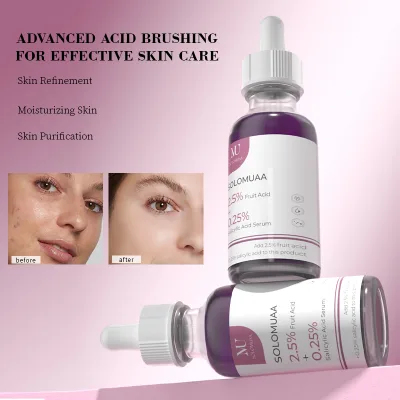
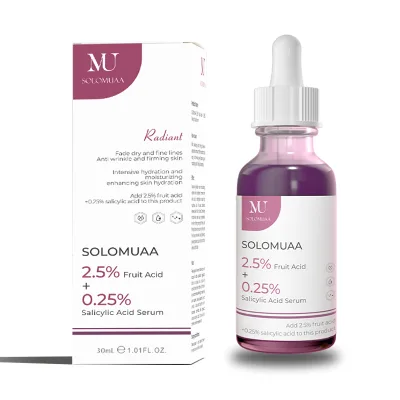
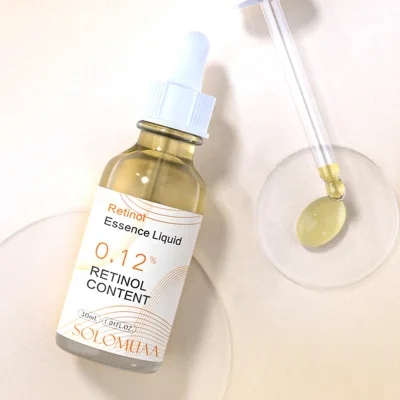
Comprehensive Sourcing Guide
Strategic Sourcing Guide for Hyaluronic Acid Barrier Repair Serums
Navigating the global market for barrier repair serums requires a disciplined approach to verifying product specifications, compliance standards, and supplier capabilities. The core keyword "Hyaluronic Acid Barrier Repair Serum" points to a high-demand category within the skincare sector, where efficacy claims must be substantiated by rigorous testing and transparent supply chain practices. Buyers entering this space must distinguish between generic marketing terms and verifiable product attributes. This guide outlines the essential factors for sourcing these products, focusing on technical specifications, regulatory compliance, cost structures, and quality assurance protocols derived from current market observations.
Technical Specifications and Formulation Analysis
When evaluating barrier repair serums, the primary technical focus must be on the formulation's ability to restore the skin's lipid barrier while delivering hydration. The active ingredient, hyaluronic acid, is central to this function, often working in conjunction with other moisturizing and nourishing agents. Based on observed product attributes in the current market, formulations frequently include a diverse range of ingredients such as vitamins, plant extracts, collagen, aloe vera, glycerin, and shea butter. These components are selected to provide complementary benefits like anti-aging, lightening, and skin revitalization.
The physical form of the product is a critical specification for logistics and application. Most barrier repair serums are observed in a liquid state, packaged in vials or bottles designed for precise dispensing. The volume of these products varies significantly, with common specifications ranging from small 5ml trial sizes to larger 30ml or 50ml units. Some suppliers offer fully customized volume options to meet specific brand requirements. The packaging itself, whether blank bags, OEM paper packaging, or custom bottles, plays a role in product stability and user experience.
A comparison of typical formulation profiles highlights the diversity available to buyers:
| Attribute Category | Common Observation | Customization Potential |
|---|---|---|
| Primary Function | Skin Care, Moisturizing, Nourishing | High (Targeted repair, brightening) |
| Key Ingredients | Vitamins, Plant Extracts, Collagen, Glycerin | High (Specific active concentrations) |
| Product Form | Liquid | Low (Standard for serums) |
| Volume Options | 5ml, 30ml, 50ml | High (Custom sizes available) |
| Target Skin Type | All-Skin Types, Specific Concerns | High (Sensitive, Acne-prone, Aging) |
| Usage Area | Face, Eye, Neck, Body | High (Multi-area formulations) |
Buyers must verify that the "barrier repair" claim is supported by the ingredient list. While the term "hyaluronic acid" is the core keyword, the presence of supporting ingredients like ceramides or emu oil (observed in some market listings) often enhances the barrier-restoring capability. The product's intended use area, whether limited to the face or extending to the body and neck, should be clearly defined in the technical data sheet.
Regulatory Compliance and Certification Verification
Compliance is non-negotiable in the skincare industry, particularly for products claiming barrier repair and anti-aging benefits. The market data indicates that reputable suppliers typically hold a suite of certifications to validate their manufacturing processes and product safety. Commonly observed certifications include CE, FDA, GMP (Good Manufacturing Practice), and MSDS (Material Safety Data Sheet). These documents serve as evidence that the product has undergone specific regulatory scrutiny.
The presence of FDA and GMP certifications suggests that the manufacturing facility adheres to strict quality control standards, which is essential for products applied to the skin. The CE mark indicates compliance with European health, safety, and environmental protection standards, while MSDS provides critical information on the chemical composition and safety handling of the ingredients. Buyers should request copies of these certificates for every batch of products to ensure ongoing compliance.
It is important to note that while ISO 22716:2008 (Cosmetics Good Manufacturing Practice) and ISO 14001:2015 (Environmental Management) are relevant industry standards, their specific application should be verified on a case-by-case basis rather than assumed. Buyers must confirm whether a supplier's facility is certified under these specific ISO standards if environmental or specific cosmetic GMP adherence is a priority. The absence of these specific certifications in the provided data does not imply non-compliance but necessitates direct inquiry with the supplier to confirm their adherence to international standards.
Cost Drivers and Pricing Structures
The pricing of barrier repair serums is influenced by several variables, including the complexity of the formulation, the volume of the order, and the level of customization required. The observed price range in the market spans from approximately $0.99 to $299.93 per unit, reflecting a wide spectrum of product tiers from basic formulations to premium, highly specialized serums. This broad range underscores the importance of defining clear specifications before requesting quotes.
The Minimum Order Quantity (MOQ) is a significant cost driver. Market observations show MOQs ranging from as low as 1 unit for sampling to as high as 10,000 units for bulk production. A standard MOQ of 1,000 pieces is frequently observed for private label services. Buyers must balance their budget constraints with their inventory needs. Lower MOQs often come with a higher unit cost, while larger orders typically reduce the per-unit price but require greater capital investment.
Customization is another major factor affecting cost. Services such as private logo printing, custom packaging design, and bespoke formulation development add to the overall expense. Suppliers with extensive experience, such as those citing 15 to 17 years in the industry, may command higher prices due to their proven track record and ability to manage complex supply chains. Buyers should request detailed breakdowns of costs, separating the base product price from customization fees, to ensure transparency in their procurement budget.
Typical Applications and Target Markets
Barrier repair serums are versatile products designed to address a wide array of skin concerns. The primary application is for facial skincare, targeting issues such as dryness, fine lines, and loss of elasticity. However, the market data indicates that these serums are often formulated for multi-area use, including the eyes, neck, body, feet, and hands. This versatility expands the potential market reach for buyers looking to diversify their product lines.
The target demographic for these products is predominantly female adults, with specific formulations available for various skin types. Features such as anti-wrinkle, lightening, whitening, and acne treatment are commonly highlighted, indicating that the products are marketed to address both aesthetic and functional skin needs. The "Night" usage time is also noted for certain formulations, suggesting that some serums are designed for intensive repair during sleep cycles.
Buyers should consider the specific needs of their target market when selecting a product. For instance, a brand focusing on anti-aging will prioritize serums with collagen and vitamin-rich formulations, while a brand targeting acne-prone skin will look for ingredients like green tea and exfoliating properties. The ability to customize the product's feature set allows suppliers to tailor the serum to specific market demands, ensuring higher conversion rates for the buyer.
Supplier Evaluation and Capability Assessment
Selecting the right supplier is critical for maintaining product quality and brand reputation. When evaluating potential partners, buyers should look for evidence of long-term industry experience. Suppliers citing 15 to 17 years of experience often demonstrate a deeper understanding of formulation stability and regulatory requirements. This experience is a proxy for reliability and the ability to handle complex production challenges.
The supplier's service model is another key evaluation criterion. Many suppliers offer OEM (Original Equipment Manufacturer) and ODM (Original Design Manufacturer) services, allowing buyers to create private label products. The availability of customized private logos and packaging options is a standard feature, but the quality of execution varies. Buyers should assess the supplier's ability to manage the entire process, from initial concept to final delivery, including the handling of custom formulations and packaging materials.
Location is also a factor in the sourcing decision. The majority of observed suppliers are based in China, with specific hubs like Guangdong noted as production centers. This concentration of manufacturing capability often leads to competitive pricing and efficient logistics, but buyers must also consider the lead times and communication protocols associated with international shipping. A supplier's ability to provide clear communication and timely updates is essential for a smooth procurement process.
Quality Control and Long-Term Procurement Considerations
Ensuring consistent quality is paramount in the skincare industry. Buyers must implement a robust quality control (QC) strategy that includes pre-shipment inspections and batch testing. The shelf life of barrier repair serums is typically around three years, but this can vary based on the formulation and packaging. Buyers should verify the expiration date and storage requirements for each batch to ensure product integrity upon arrival.
Long-term procurement considerations involve building a sustainable relationship with the supplier. This includes establishing clear agreements on quality standards, delivery schedules, and after-sales support. The ability of the supplier to scale production as the buyer's demand grows is a crucial factor. Suppliers with high-capacity facilities and flexible MOQs can better support a buyer's growth trajectory.
Furthermore, buyers should maintain a proactive approach to regulatory changes. As global regulations evolve, suppliers must adapt their formulations and documentation to remain compliant. Regular audits and updates to the supplier's certification status are necessary to mitigate risks. By focusing on these long-term factors, buyers can secure a reliable supply chain that supports their brand's growth and reputation in the competitive skincare market.
FAQs
What certifications do these barrier repair serums hold?
These serums typically hold CE, FDA, GMP, and MSDS certifications. Buyers should verify that specific batches include valid documentation for these standards to ensure regulatory compliance for international markets.
Can I customize the private logo and packaging?
Yes, private logo customization and OEM packaging are available services. Suppliers offer options ranging from blank bags to custom paper packaging, allowing brands to tailor the product presentation to their specific identity.
What is the minimum order quantity for bulk purchase?
The minimum order quantity can range from 1 unit for sampling up to 10,000 units for bulk production. A standard MOQ of 1,000 pieces is frequently observed for private label services with customized formulations.
How long is the shelf life of the serum?
The typical shelf life for these barrier repair serums is three years. Buyers must verify the expiration date on each batch to ensure product integrity and proper storage conditions upon arrival.
Which ingredients are commonly used in these formulations?
Common ingredients include vitamins, plant extracts, collagen, aloe vera, glycerin, and shea butter. These components work together to provide nourishing, moisturizing, and anti-aging benefits for various skin types.
Where are the manufacturers located?
Most manufacturers are located in China, with specific production hubs noted in Guangdong. This concentration often leads to competitive pricing and efficient logistics for international buyers seeking these skincare products.
What volume options are available for the serum?
Volume options typically include 5ml, 30ml, and 50ml units, with fully customized sizes also available. Suppliers can adjust the product volume to meet specific brand requirements or trial needs.