Source Folded Japanese Coffee Table for Cafe, Hotel, Home
Find and compare 30 Folded Japanese Coffee Table options from Chinese manufacturers. Explore customizable designs in materials like black walnut and ash, featuring modern and antique styles suitable for cafes, hotels, and homes.
Key considerations
Products List


North American Black Walnut Foldable Japanese Style Customizable Coffee Table
$100.00 - $120.00
MOQ: 50 Pieces

Japanese Modern Minimalist Wood Color Rectangular Multifunctional Home Coffee Table
$100.00 - $120.00
MOQ: 50 Pieces

Small Square Table Low Table Japanese Tatami Coffee Table Simple Small Coffee Table
$90.00 - $110.00
MOQ: 50 Pieces


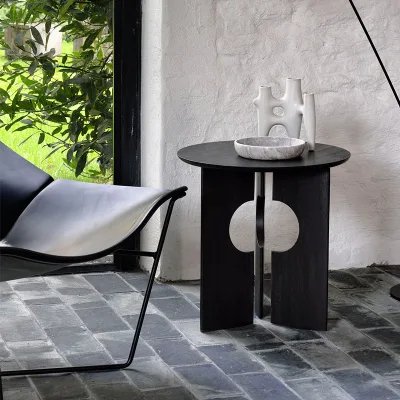


Folding Metal Coffee Table Small Space Portable Living Room Coffee Table
$20.00 - $38.00
MOQ: 50 Pieces


Comprehensive Sourcing Guide
Folded Japanese Coffee Table Sourcing Guide
Sourcing folded Japanese coffee tables requires a nuanced understanding of both traditional aesthetic principles and modern functional requirements. These pieces are defined by their ability to merge minimalist design with space-saving utility, making them highly relevant for contemporary living spaces, compact apartments, and multi-purpose commercial environments. The core appeal lies in the fusion of clean lines, natural material finishes, and mechanical simplicity that allows for easy storage or transport. Buyers must recognize that "Japanese style" often implies specific proportions, low profiles, and a reverence for natural textures, while "folded" indicates a structural mechanism that adds complexity to the manufacturing process. This duality demands careful evaluation of both form and function during the procurement phase.
The market for these items is diverse, ranging from solid wood constructions to engineered wood variants, each offering distinct advantages in terms of durability, weight, and cost. Procurement teams must navigate a landscape where customization is prevalent, allowing for adjustments in dimensions, wood species, and folding mechanisms to suit specific brand identities or interior design schemes. Understanding the supply chain dynamics is crucial, as many manufacturers operate in key furniture-producing regions in China, such as Fujian and Shandong, which are known for their expertise in wooden furniture production. This geographic concentration offers access to specialized craftsmanship but also requires rigorous due diligence to ensure consistent quality and reliable delivery schedules.
Product Scope and Observed Listing Signals
The current market landscape for folded Japanese coffee tables reveals a wide spectrum of product attributes, with observed price points ranging from $0.32 to $300 USD and minimum order quantities (MOQs) varying between 1 and 1,000 pieces. This broad range indicates a fragmented market catering to both small-scale dropshippers and large-scale commercial buyers. Listings frequently highlight customization options, with many suppliers offering OEM and ODM services to accommodate specific design requirements. The presence of "folded" attributes in product descriptions suggests that the primary value proposition is space efficiency, appealing to buyers in urban markets where square footage is at a premium.
Observed product models such as EB-B4138, RY-CT062, and HC-COTA demonstrate the variety in design approaches available to buyers. Some listings emphasize eco-friendly materials and modern styles, while others focus on antique aesthetics or specific wood types like North American Black Walnut or Ash. The condition of products is consistently listed as "New," and quality checks are often performed by experienced QC teams before shipment. Buyers should note that while many products are described as "folded," some listings also mention "unfolded" states, indicating that the product is designed for both storage and use. This duality requires clear communication with suppliers to ensure the final product meets the intended functional requirements.
Technical Specifications to Verify
Technical verification begins with confirming the exact dimensions and folding mechanisms of the coffee tables. Standard sizes observed in the market include dimensions such as 707062cm and 47.75"18"29"(LWH CM), but many suppliers offer customizable sizes to fit specific interior layouts. Buyers must verify the stability and durability of the folding joints, as these are critical points of failure. The material composition is another key specification, with options ranging from solid wood to panel wood, and specific species like Ash or Black Walnut being available. Understanding the wood style, whether it is panel or solid, helps in assessing the weight, finish, and longevity of the product.
Height adjustability and shape are also important technical factors to consider. Some models feature adjustable heights, allowing for versatility in use, while others maintain a fixed low profile typical of traditional Japanese furniture. The shape is predominantly rectangular, but variations may exist. Buyers should request detailed technical drawings or 3D models to verify the folding mechanism's operation and ensure it aligns with safety and usability standards. Additionally, packaging specifications, such as brown boxes, cartons, or white polyfoam inserts, should be reviewed to ensure the product arrives undamaged. Clear communication on these technical details prevents misunderstandings and ensures the final product meets the buyer's functional expectations.
Compliance and Safety Documentation
Compliance with safety standards is paramount, especially for furniture with moving parts like folding mechanisms. Buyers must ensure that suppliers provide documentation verifying that the products meet relevant safety regulations in the target market, such as flammability standards, structural integrity tests, and chemical safety limits for finishes and adhesives. While specific certification names are not provided in the observed listings, buyers should proactively request test reports from accredited laboratories to verify compliance. This is particularly important for products intended for commercial use in hotels, cafes, or restaurants, where higher safety standards may apply.
Wood treatment and finish compliance are also critical areas of verification. Buyers should inquire about the types of finishes used, ensuring they are non-toxic and suitable for indoor environments. If the products are marketed as eco-friendly, buyers should request evidence of sustainable sourcing practices or certifications related to environmental impact. Additionally, packaging materials should be evaluated for compliance with recycling and waste management regulations in the destination country. By prioritizing compliance documentation, buyers can mitigate risks associated with product recalls, legal liabilities, and brand reputation damage.
Cost Drivers and Commercial Terms
Cost drivers for folded Japanese coffee tables include material selection, manufacturing complexity, and customization levels. Solid wood options, particularly premium species like Black Walnut, will naturally command higher prices compared to panel wood or engineered wood alternatives. The complexity of the folding mechanism also impacts cost, as intricate designs require more precise engineering and assembly. Buyers should analyze the price range of $0.32 to $300 USD in the context of these factors, recognizing that lower prices may correspond to simpler designs or less durable materials. MOQs also play a significant role in pricing, with larger orders typically benefiting from economies of scale.
Commercial terms such as payment methods and delivery times are essential components of the procurement strategy. Common payment terms include T/T with a 30% deposit and 70% balance before shipment, which is standard in the industry. Delivery times can vary, with observed lead times ranging from 35 to 40 days after receiving the deposit. Buyers should negotiate these terms carefully, considering factors like production capacity, raw material availability, and shipping logistics. Clear agreements on payment schedules and delivery timelines help in managing cash flow and ensuring timely receipt of goods, which is crucial for maintaining inventory levels and meeting customer demand.
Supplier Qualification and Quality Control
Supplier qualification is a critical step in ensuring the reliability and quality of folded Japanese coffee tables. Buyers should assess suppliers based on their production capabilities, quality control processes, and track record. Many suppliers emphasize their commitment to quality, with statements like "100% Exporter Standard" and "All Products Checked by Experienced QC." Buyers should verify these claims by requesting detailed information on their QC procedures, including inspection points and acceptance criteria. Additionally, suppliers offering OEM and ODM services should be evaluated for their design and engineering capabilities, as these are key to achieving customized product specifications.
Location and origin are also important factors in supplier selection. Suppliers based in regions like Fujian and Shandong, China, are known for their expertise in wooden furniture production. Buyers should consider the logistical advantages and potential risks associated with sourcing from these locations. Visiting supplier facilities or conducting third-party audits can provide valuable insights into their operational practices and quality management systems. By thoroughly qualifying suppliers, buyers can establish strong partnerships that ensure consistent product quality and reliable supply chain performance.
Long-Term Procurement Checks
Long-term procurement success depends on continuous monitoring and evaluation of supplier performance and product quality. Buyers should establish key performance indicators (KPIs) to track metrics such as on-time delivery, defect rates, and customer satisfaction. Regular feedback loops with suppliers can help identify areas for improvement and foster collaborative problem-solving. Additionally, buyers should stay informed about market trends and technological advancements in furniture manufacturing, as these can impact product design and cost structures. By maintaining a proactive approach to supplier management, buyers can mitigate risks and capitalize on opportunities for growth.
Sustainability and ethical sourcing are increasingly important considerations in long-term procurement strategies. Buyers should prioritize suppliers who demonstrate commitment to environmental responsibility and ethical labor practices. This may involve requesting certifications or documentation related to sustainable forestry, waste reduction, and fair labor standards. By aligning procurement practices with sustainability goals, buyers can enhance brand reputation and meet the growing consumer demand for eco-friendly products. Continuous engagement with suppliers on these issues ensures that the supply chain remains resilient, responsible, and aligned with evolving market expectations.
FAQs
Can I customize the Folded Japanese Coffee Table design?
Yes, customization is available for this product line. The supplier welcomes OEM requests and offers customizable service options. You can specify details like wood style, color, and dimensions to match your specific requirements for restaurant or cafe use.
What is the minimum order quantity for these tables?
The minimum order quantity is 300 pieces for standard orders. Some listings indicate a range from 1 to 1000 units depending on the specific model and customization level. Buyers should confirm the exact MOQ with the supplier before placing an order.
How long does delivery take after payment?
Delivery typically takes 35 to 40 days after receiving the deposit. This lead time applies to the production and shipping process for the wooden furniture. Buyers should plan their inventory accordingly to ensure timely arrival at their destination.
What materials are used for the folded tables?
The tables are constructed from wood, including options like North American Black Walnut and Ash. Some models feature a panel wood style while others use solid wood. The material choice depends on the specific model selected for the order.
Are the tables suitable for hotel and home use?
Yes, these folded wooden furniture pieces are designed for use in hotels, homes, restaurants, and cafes. They feature modern or antique styles and are checked by experienced quality control staff to ensure they meet export standards before shipping.
What is the standard packaging for these products?
Products are packed in brown boxes, cartons, or hard cartons with white polyfoam protection. The specific packaging type varies by model, with some accepting outer packaging customization. This ensures the furniture arrives safely during international transit.