Source Folded Leather Jade Heating Mat for Spa, Wellness, and Therapy
Explore 30 options for the Folded Leather Jade Heating Mat, featuring infrared and PEMF technologies. Compare specifications like power, voltage, and certifications to find suitable health and beauty solutions for your business needs; compare the available evidence and request quotations based on your requirements.
Key considerations
Products List


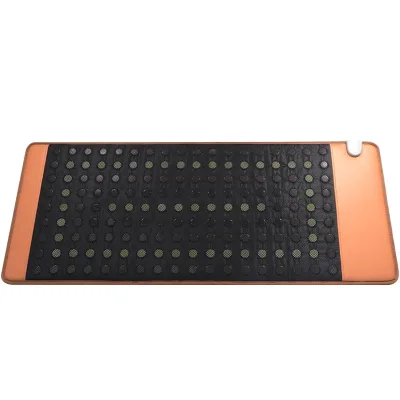
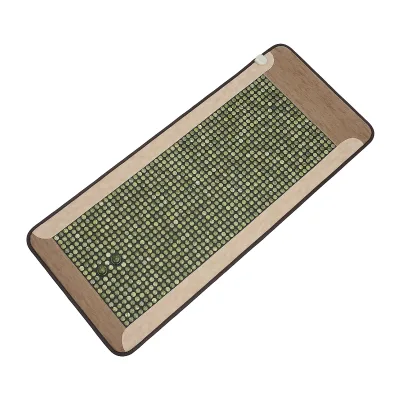
Natural Stone Heat Massage Cushion Hot Jade Thermal Mat for Body Relaxation
$158.00 - $785.00
MOQ: 1 Pieces


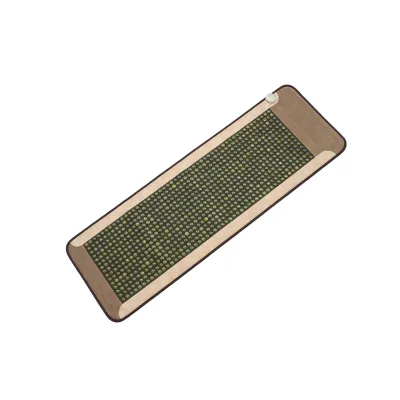


Heating Mat Red Light Therapy Mat with Near Infrared Multi Layers Jade Stone Mat
$198.00 - $298.00
MOQ: 2 Pieces
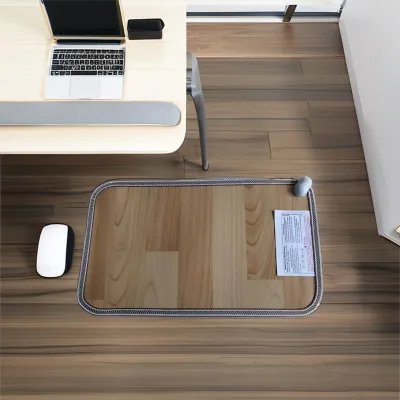


Energy-Efficient Under Floor Heating Mat with Smart Temperature Control
$73.34 - $112.77
MOQ: 1 Pieces

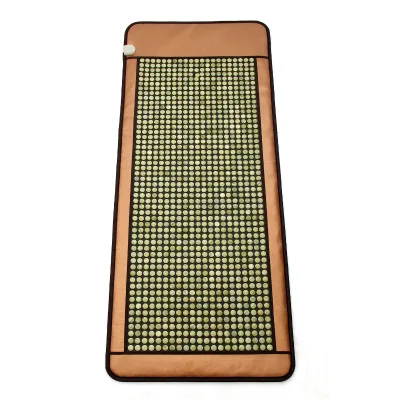
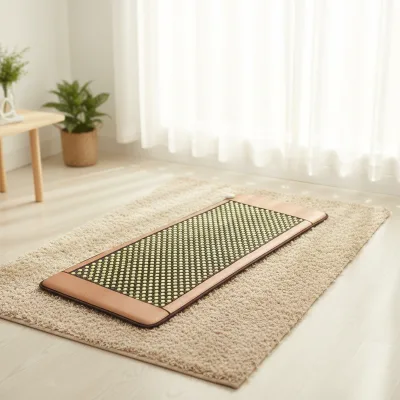
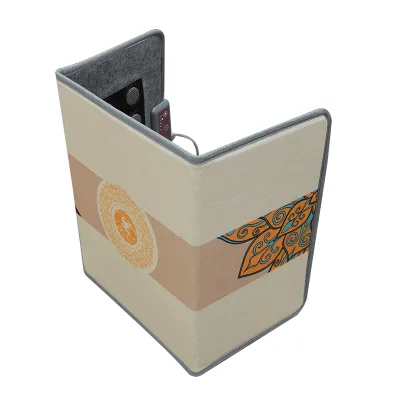
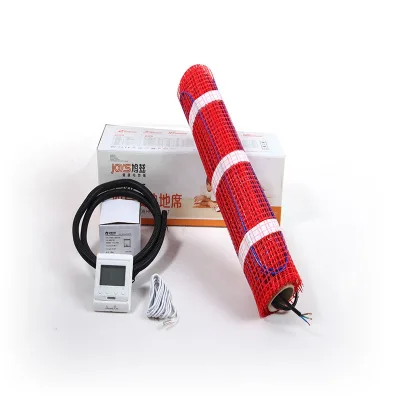
Comprehensive Sourcing Guide
Folded Leather Jade Heating Mat Sourcing Guide
Sourcing a Folded Leather Jade Heating Mat requires balancing aesthetic appeal with functional thermal performance. Buyers must recognize that this product category combines traditional jade stone properties with modern heating elements, often wrapped in leather for durability and comfort. The observed market signals indicate a diverse range of models, from half-length mats to full-body units, each serving distinct therapeutic needs. Understanding these variations is critical for selecting the right unit for specific health and beauty applications.
Procurement decisions should be guided by the specific customization options available, such as Chinese or Thai style designs, which may influence target demographics. The presence of infrared and PEMF technologies suggests advanced therapeutic capabilities beyond simple heat. Buyers need to evaluate how these features integrate with the physical design, particularly the folded nature of the mat, which affects storage, shipping, and user experience. This guide outlines the essential verification steps for successful procurement.
Product Scope and Observed Listing Signals
The current market landscape for folded leather jade heating mats reveals a wide spectrum of product configurations and specifications. Listings indicate a price range from $6 to $785 USD, reflecting significant variation in material quality, technological integration, and brand positioning. The observed minimum order quantity (MOQ) ranges from 1 to 100 units, suggesting flexibility for both small-scale retailers and larger distributors. This variability allows buyers to test market demand with lower initial commitments while scaling up for established product lines.
Key product attributes observed include customization availability, with options for neutral or branded packing, and origins primarily from mainland China. Specific models like the JKF-DT-388 and D-80 highlight the diversity in design, with some units featuring near-square shapes and others offering extensive size options up to 180*200 CM. The inclusion of features like infrared, PEMF, and electromagnetic spectrum technologies indicates a shift towards multi-modal therapeutic devices. Buyers should carefully match these observed signals with their specific customer requirements to avoid misalignment in product selection.
Technical Specifications to Verify
Technical verification is paramount when sourcing jade heating mats, particularly regarding power inputs and heating capabilities. Buyers must confirm the rated voltage compatibility, which often includes 110V, 220V, or dual-voltage options like 110-120V 60Hz and 220-240V 50Hz. The heating power typically ranges around 250W to 260W, ensuring efficient thermal output. It is essential to verify the temperature control mechanisms, as some units offer a range from 30℃ to 70℃, allowing for precise therapeutic adjustments. Incorrect voltage specifications can lead to safety hazards or equipment failure in the destination market.
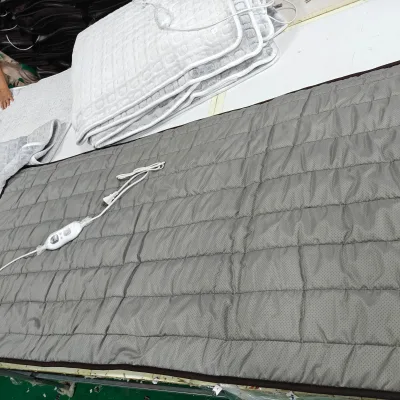
Material composition and physical dimensions also require strict verification. The heating element may be constructed from silicone or PVC, impacting durability and heat distribution. Size options vary significantly, from compact 4545CM units to full-body mats measuring 60180CM or larger. Buyers should confirm the folded state and packing dimensions, such as 45045020mm or 148066020mm, to calculate accurate shipping costs. Additionally, verifying the control method, whether mechanical or digital, and the presence of specific features like jade mat controllers ensures the product meets functional expectations.
Compliance and Safety Documentation
Compliance with international safety standards is non-negotiable for electrical health devices. Buyers must request and verify certificates such as CE, FCC, RoHS, and PSE, which indicate adherence to regional safety and environmental regulations. The presence of certifications like UKCA, SAA, and ISO9001 further demonstrates a supplier’s commitment to quality management and product safety. These documents are essential for customs clearance and market entry, particularly in stringent regions like the European Union and North America. Without proper certification, products may be rejected or face legal liabilities.
Beyond standard certifications, buyers should inquire about specific test reports for electrical safety, electromagnetic compatibility, and material toxicity. The use of jade and leather components requires verification that materials are free from harmful substances, aligning with RoHS directives. Suppliers offering OEM/ODM services should provide documentation for custom designs to ensure they meet the same rigorous standards. Buyers must also confirm the warranty terms, typically around 18 months, and the availability of after-sale technical support, which is crucial for long-term customer satisfaction and brand reputation.
Cost Drivers and Commercial Terms
Several factors influence the final cost of folded leather jade heating mats, including material quality, technological complexity, and customization levels. The use of genuine leather versus synthetic alternatives, along with the integration of PEMF and infrared technologies, significantly impacts pricing. Buyers should analyze the cost breakdown to understand where value is added, ensuring they are not overpaying for features that do not align with their target market’s needs. The observed price range suggests that budget options may lack advanced features, while premium models offer comprehensive therapeutic capabilities.
Commercial terms such as MOQ, lead times, and payment conditions also play a critical role in procurement strategy. While MOQs can be as low as 1 unit, larger orders may offer better unit pricing. Buyers should negotiate clear terms for packaging, whether neutral, carton, or bag+carton, as this affects branding and logistics costs. It is advisable to request detailed quotations that include all potential fees, such as tooling for custom designs or shipping costs. Understanding these commercial dynamics helps in building a sustainable supply chain and maintaining healthy profit margins.
Supplier Qualification and Quality Control
Supplier qualification involves assessing the manufacturer’s production capabilities, quality control processes, and track record. Buyers should verify the supplier’s experience in producing jade heating mats and their ability to handle complex assemblies involving electrical and mechanical components. Requesting factory audits or third-party inspection reports can provide insights into production standards and consistency. Suppliers with OEM/ODM experience are often better equipped to handle custom requirements and maintain quality across different product lines.
Quality control measures should include incoming material inspections, in-process checks, and final product testing. Buyers must ensure that suppliers have robust procedures for testing electrical safety, heating uniformity, and material durability. The availability of spare parts and technical support is also a key indicator of supplier reliability. Establishing clear communication channels and defining quality acceptance criteria before production begins helps prevent disputes and ensures that the delivered products meet the specified standards. Regular quality audits can further reinforce supplier accountability.
Long-Term Procurement Checks
Long-term procurement success depends on continuous monitoring of supplier performance and market trends. Buyers should establish key performance indicators (KPIs) for delivery times, product quality, and customer feedback to evaluate supplier reliability over time. Regular reviews of product performance in the market can help identify any recurring issues or areas for improvement. Staying informed about technological advancements in jade heating mats, such as new PEMF frequencies or improved heating elements, allows buyers to keep their offerings competitive.
Building a strong relationship with suppliers through consistent ordering and clear communication fosters trust and collaboration. Buyers should also diversify their supplier base to mitigate risks associated with supply chain disruptions. Regularly updating product specifications based on customer feedback and regulatory changes ensures that the product line remains relevant and compliant. By maintaining a proactive approach to procurement, buyers can secure a stable supply of high-quality folded leather jade heating mats that meet evolving market demands.
FAQs
What certifications are available for the jade heating mat?
The product holds CE, FCC, RoHS, and ISO9001 certifications. These global certificates ensure compliance with international safety and quality standards. Buyers can verify these documents to meet regulatory requirements in their target markets. The certifications cover electrical safety and environmental protection, providing confidence for B2B procurement and distribution channels.
Can the jade heating mat be customized for branding?
Yes, OEM and ODM customization is accepted for this product. Buyers can request specific branding, packaging, or design modifications to suit their market needs. The supplier supports tailored solutions, allowing businesses to create unique offerings. This flexibility helps brands differentiate their products while maintaining the core heating and PEMF functionality of the mat.
What is the standard packaging for the folded mat?
The product is available in carton packing, neutral packing, or bag plus carton options. These packaging methods ensure safe transport and storage for bulk orders. Buyers can select the packaging style that best fits their logistics requirements. The sturdy packaging protects the folded leather and internal components during shipping to international destinations.
What is the warranty period for the jade mat?
The product comes with an 18-month warranty. This coverage provides assurance for the heating elements and control systems. Buyers receive technical and spare parts support during the warranty period. This service commitment helps minimize downtime and ensures long-term reliability for commercial or personal use in health and beauty applications.
What power specifications does the jade heating mat use?
The mat operates at 260W or 250W with rated voltages of 110V and 220V. It supports both 50Hz and 60Hz frequencies for global compatibility. The controller adjusts the temperature range from 30℃ to 70℃. These specifications ensure efficient heating performance while maintaining safety standards for infrared and PEMF therapy applications.
What materials are used in the jade heating mat?
The mat features leather fabric and silicone or PVC materials. The leather provides a durable and comfortable surface for body contact. The internal components include silicone or PVC for heat resistance and safety. These materials are selected to ensure longevity and effective heat distribution for infrared and electromagnetic therapy treatments.