Source Folding Design Pedicab for Cargo, Passenger, and Tour Use
Explore 30 verified listings for the Folding Design Pedicab suitable for cargo transport, passenger service, and tourism. Buyers can compare specifications like battery type, wheel distance, and load capacity to find the right supplier.
Key considerations
Products List


$1.00 - $5.00
MOQ: 1000 Pieces


Adjustable Pedal for Internal Scaffolding with Hot Dipped Galvanized Finish
$12.00 - $15.00
MOQ: 1000 Pieces


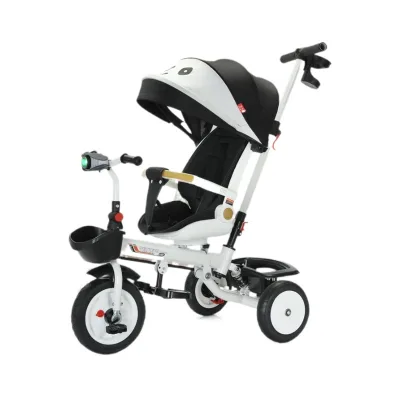


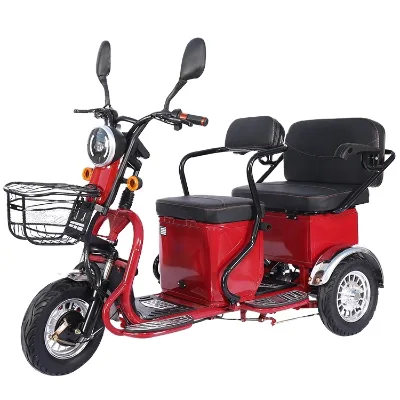
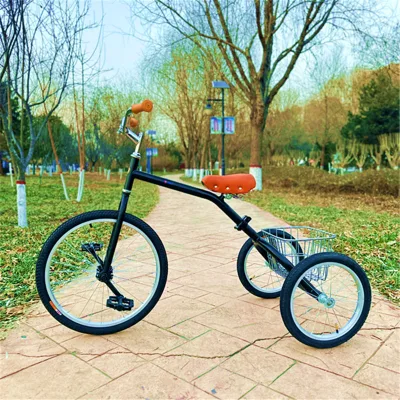
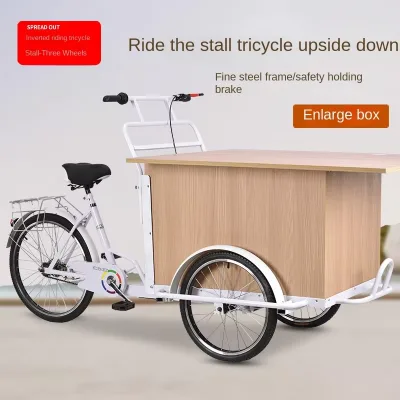
Steel Frame Pedicab with 200kg Load Capacity 60x90cm Wheels Customizable Size
$265.00 - $300.00
MOQ: 1 Minimum


Comprehensive Sourcing Guide
Strategic Sourcing Guide for Folding Design Pedicabs
Understanding the Technical Architecture of Folding Pedicabs
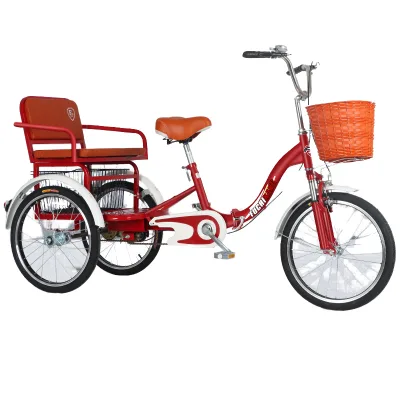
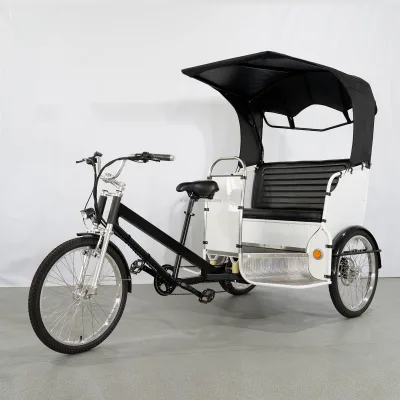
The core keyword "Folding Design Pedicab" points to a specific niche of electric and manual three-wheeled vehicles designed for urban mobility, cargo transport, and passenger service. When evaluating these units, buyers must distinguish between the structural mechanics of the folding mechanism and the underlying powertrain specifications. The observed product data indicates that these vehicles often utilize a "Folding" attribute, though some listings describe the state as "Unfolded," suggesting that the unit is supplied in a disassembled or folded state for logistics efficiency.
A critical technical observation involves the wheelbase configuration. The supplied facts reveal specific wheel distance measurements, such as 800mm and 1040mm. These dimensions are not merely aesthetic; they directly influence the vehicle's stability, turning radius, and load-bearing capacity. A wider wheelbase, such as the 1040mm variant, typically offers enhanced stability for passenger transport, whereas the 800mm configuration may be optimized for tighter maneuverability in cargo applications.
The powertrain architecture is equally diverse. The data highlights the prevalence of Brushless motors, which are preferred for their efficiency and reduced maintenance requirements compared to brushed alternatives. Power ratings observed include 350W, a standard for light-duty urban transport. The energy storage systems vary, with Lead-Acid batteries being a primary option, specifically noted in configurations like the 48V 13A Lead Acid battery. This voltage level (48V) is a common industry standard for this class of vehicle, balancing performance with safety regulations. Buyers should verify if the battery is integrated into the frame or removable, as this impacts the folding utility and charging logistics.
Furthermore, the material composition of the frame is a decisive factor in durability. The available data lists Steel and Aluminum Alloy as the primary frame materials. Steel frames are generally associated with the "Sturdy Durable" feature noted in the product attributes, offering high tensile strength for heavy cargo loads up to 150kg. Aluminum alloy frames, while potentially lighter, must be evaluated for their fatigue resistance, especially in a folding mechanism where stress points are concentrated. The base materials also vary, including PU, Plastic, and Steel, which affects the ride quality and noise levels.
Compliance and Certification Verification Protocols
Navigating the regulatory landscape for pedicabs requires rigorous verification of certifications, as the market is fragmented with varying standards across regions. The supplied product facts explicitly mention several certifications, including CCC (China Compulsory Certification), ISO 9001, ISO 50001, and CE. These are not merely marketing labels but represent adherence to specific manufacturing and safety protocols.
The CCC certification is particularly significant for products manufactured in China, indicating compliance with national safety standards. ISO 9001 signifies that the manufacturer operates under a certified quality management system, which is crucial for ensuring consistency in the folding mechanisms and electrical systems. The presence of ISO 50001 suggests an emphasis on energy management, which is relevant for electric pedicabs to ensure efficient battery usage. The CE marking indicates conformity with health, safety, and environmental protection standards for products sold within the European Economic Area, though buyers must verify the specific scope of this certification for the folding design variant.
Buyers must exercise caution when interpreting these certifications. The data shows that some products list multiple certifications (e.g., ISO, CE), while others list only one. It is essential to confirm that the specific model being procured holds the necessary certification for the target market. For instance, a pedicab intended for use in Europe must possess a valid CE certificate that covers the specific voltage and motor specifications. Similarly, for domestic Chinese markets, the CCC mark is mandatory.
The "Driving Type: Adult" attribute found in the data implies that these vehicles are designed for adult operation, which often carries different regulatory requirements regarding licensing and roadworthiness compared to child-sized or toy vehicles. Buyers should verify if the certification covers the specific "Folding" aspect of the design, as the mechanism itself may require additional structural testing to ensure it does not compromise safety during operation.
Cost Drivers and Pricing Dynamics
The pricing for folding design pedicabs exhibits a wide range, with observed values spanning from $0.2 to $5,000. This extreme variance is not indicative of a single product tier but rather reflects differences in configuration, material quality, and order volume. The Minimum Order Quantity (MOQ) also varies significantly, ranging from 1 to 1,000 units. This flexibility allows buyers to procure single units for prototyping or small fleets, while larger orders benefit from economies of scale.
Several factors drive the cost of these vehicles. First, the battery technology is a major cost component. While Lead-Acid batteries are noted in the data, they are generally less expensive than Lithium-ion alternatives but heavier and with a shorter lifespan. The 48V 13A specification suggests a specific energy capacity that influences the price. Second, the frame material dictates the cost; Steel frames are typically more cost-effective for heavy-duty applications, whereas Aluminum Alloy frames command a premium due to material costs and processing complexity.
The folding mechanism itself adds to the manufacturing cost. A robust folding design requires precision engineering to ensure the unit remains stable when unfolded and secure when folded. This complexity is reflected in the "Customization: Available" attribute. Buyers who require custom sizes, such as the standard length of 2.73m, width of 1.22m, and height of 1m mentioned in the data, may incur additional tooling or engineering fees.
Packaging is another variable cost. The data lists "Carton Packaging" and "Wooden Case Packaging" as options. Wooden cases are more expensive but provide superior protection for international shipping, especially for heavy units with folding mechanisms. The choice of packaging can significantly impact the landed cost, particularly for buyers importing from China or Shandong, as noted in the origin data.
Typical Applications and Usage Scenarios
The versatility of folding design pedicabs is evident in the diverse usage categories identified in the product data. These vehicles are explicitly categorized for "Cargo," "Passenger," and "Cargo And Passenger" applications. This duality allows them to serve multiple market segments, from last-mile logistics to tourist transport.
For cargo applications, the "Open" body type is a common feature, facilitating easy loading and unloading of goods. The "Sturdy Durable" attribute is particularly relevant here, as these units must withstand the rigors of daily commercial use. The 150kg load capacity observed in the data provides a baseline for expected performance, though buyers should verify this limit against their specific cargo requirements. The "Pedicab Rickshaw" and "Rickshaw Scooter" designations suggest a design that prioritizes utility over luxury, making them ideal for delivery services, market vendors, and industrial site transport.
In the passenger sector, the "Passenger" usage designation highlights their role in tourism and short-distance transit. The "Adult" driving type confirms their suitability for human-powered or electric-assisted transport of people. The "Multi-Color Optional" feature allows operators to brand their fleets for tourism purposes, enhancing visibility and brand recognition. The folding capability is a strategic advantage in this sector, as it allows for compact storage in hotels, tour centers, or urban garages where space is at a premium.
The "Supply Type: Make-to-Order" attribute indicates that many manufacturers produce these units based on specific demand. This approach supports customized applications, such as adapting the vehicle for specific regional regulations or unique operational needs. The "Custom size" standard further reinforces this flexibility, allowing buyers to tailor dimensions to their specific operational environments.
Supplier Evaluation and Origin Considerations
When sourcing folding design pedicabs, the geographic origin of the manufacturer plays a critical role in logistics and quality assurance. The data consistently identifies "China" and specifically "Shandong" as the production origins. Shandong is a known manufacturing hub for vehicles and machinery in China, implying a mature supply chain and a concentration of specialized expertise in this sector.
Evaluating suppliers requires a focus on their ability to meet the "Make-to-Order" requirements. Buyers should assess the supplier's capacity to handle customization requests, such as specific wheel distances (800mm vs. 1040mm) or battery configurations. The "Customization: Available" attribute suggests that suppliers are willing to adapt their standard models, but this must be confirmed through direct communication regarding lead times and minimum order quantities.
The presence of certifications like ISO 9001 and CCC is a strong indicator of a supplier's commitment to quality. However, buyers should not rely solely on the presence of these marks on a product listing. It is essential to request valid certificates for the specific model being purchased. The "Golden eagle" model designation and various model numbers (e.g., WY-01-2, LWT-1-5, BL-SLC02) suggest a range of product lines, and buyers should ensure the supplier has a track record of delivering these specific models reliably.
Logistics considerations are also paramount. The "Carton Packaging" and "Wooden Case Packaging" options affect shipping costs and handling requirements. Buyers should evaluate the supplier's experience with international shipping, particularly for heavy items like pedicabs. The "Folding" design is intended to reduce shipping volume, but the packaging must be robust enough to protect the folding mechanism during transit.
Quality Control and Long-Term Procurement Strategies
Ensuring the long-term viability of a Folding Design Pedicab fleet requires a proactive approach to quality control. The "Sturdy Durable" attribute is a key selling point, but it must be validated through rigorous testing. Buyers should request test reports or inspection certificates that verify the structural integrity of the folding mechanism. The repeated mention of "Steel" and "Aluminum Alloy" frames suggests that material quality is a primary concern, and buyers should verify the grade of steel or alloy used to ensure it meets the required load specifications.
The electrical system is another critical area for quality control. The "Brushless" motor and "48V" battery specifications are standard, but the quality of the "6-Tube Controller" and the "14-2.5 Vacuum Tire" can vary significantly between suppliers. Buyers should inspect the wiring harnesses, connector quality, and battery management systems to prevent premature failure. The "Front and Rear Dual Shock Absorption" brake system is essential for safety, and its performance should be verified under load conditions.
For long-term procurement, the "Make-to-Order" nature of the supply chain means that spare parts availability is a crucial consideration. Buyers should negotiate agreements for the supply of replacement parts, such as tires, batteries, and folding mechanism components. The "Custom size" standard implies that non-standard parts may be required, making it vital to establish a reliable supply chain for these items.
Finally, buyers should consider the total cost of ownership, which includes maintenance, energy consumption, and potential downtime. The "Lead-Acid Battery" technology, while cost-effective upfront, has a shorter lifespan than lithium alternatives. Buyers should calculate the replacement cycle and associated costs when evaluating the long-term value of the vehicle. By focusing on these technical and operational factors, buyers can make informed decisions that ensure the reliability and efficiency of their Folding Design Pedicab fleets.
Comparative Analysis of Key Specifications
To assist in the decision-making process, the following table summarizes the key technical specifications observed in the product data. This comparison highlights the variability in design and performance that buyers must navigate.
| Specification Category | Observed Option A | Observed Option B | Observation Notes |
|---|---|---|---|
| Wheel Distance | 800mm | 1040mm | Affects stability and turning radius; 1040mm preferred for passengers. |
| Battery Type | Lead-Acid | Lead-Acid | 48V 13A is a common configuration; verify capacity vs. weight. |
| Motor Type | Brushless | Brushless | Standard for efficiency; verify power rating (e.g., 350W). |
| Frame Material | Steel | Aluminum Alloy | Steel for durability/cargo; Aluminum for weight reduction. |
| Load Capacity | 150kg | 150kg | Verify actual load limits against specific cargo needs. |
| Packing | Carton | Wooden Case | Wooden case offers better protection for international shipping. |
| Certifications | CCC, ISO 9001 | CE, ISO | Verify specific certification scope for target market. |
| Origin | China | China, Shandong | Shandong is a known manufacturing hub for this category. |
| Folding State | Folded | Unfolded | Clarify if unit is shipped folded or requires assembly. |
This table underscores the importance of verifying specific attributes rather than assuming uniformity across all products. Buyers must align these specifications with their operational requirements to ensure the selected pedicab meets their specific needs for cargo, passenger transport, or mixed usage.
FAQs
What certifications are available for folding design pedicabs?
Available certifications include CCC, ISO 9001, ISO 50001, and CE. These marks indicate compliance with safety and quality management standards, though specific models may hold different combinations of these credentials depending on the manufacturer.
Which battery types power these folding design pedicabs?
Most units utilize Lead-Acid batteries, often configured at 48V with capacities like 13A. This voltage is standard for light-duty urban transport, balancing performance with safety regulations for adult driving types.
How does the wheel distance affect stability?
Wheel distances vary between 800mm and 1040mm to suit different needs. A wider 1040mm base offers enhanced stability for passenger transport, while the 800mm configuration optimizes maneuverability for cargo applications in tight spaces.
Can buyers request custom sizes for these vehicles?
Yes, customization is available for specific dimensions like length, width, and height. Some standard custom sizes include a length of 2.73m, width of 1.22m, and height of 1m, tailored to operational environments.
What is the typical load capacity for these units?
The observed load capacity is up to 150kg for sturdy steel frame models. This limit supports cargo transport and passenger service, ensuring durability for daily commercial use in various urban settings.
Where are these folding design pedicabs manufactured?
Products originate primarily from China, with specific manufacturing hubs in Shandong. This region hosts a mature supply chain for vehicles, offering a concentration of specialized expertise in electric and manual three-wheeled transport.
What motor types are used in these electric pedicabs?
Brushless motors are the prevalent choice due to their efficiency and low maintenance. These motors typically operate at 350W, providing a standard power rating suitable for light-duty urban mobility and cargo hauling.