Source Food Grade Stainless Steel Sheet for Boiler, Ship, and Container Use
Find and compare 30 listings for Food Grade Stainless Steel Sheet suitable for boiler plates, ship construction, and container manufacturing. Options include 304 and 316 grades with cold-rolled finishes and customizable dimensions to meet specific industrial requirements.
Key considerations
Products List


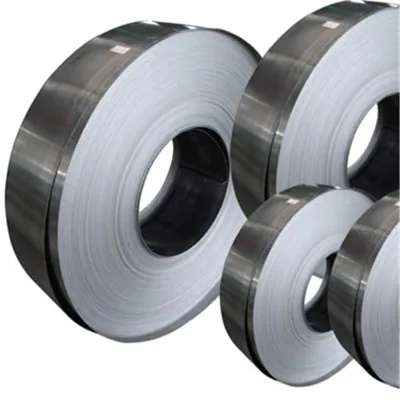
Food Grade Stainless Steel Sheet 304 Cold Rolled Stainless Steel Plates
$1500.00 - $3000.00
MOQ: 5 Tons



Comprehensive Sourcing Guide
Food Grade Stainless Steel Sheet Sourcing Guide
Sourcing food-grade stainless steel sheets requires a rigorous understanding of material purity, surface finish, and regulatory compliance. Unlike general-purpose structural steel, food-grade variants must withstand harsh cleaning chemicals, resist corrosion from acidic or salty foods, and prevent bacterial adhesion. Buyers must navigate a complex landscape of international standards, including ASTM, EN, and JIS, to ensure the material meets the specific hygiene and safety requirements of the food processing industry. The following guide provides evidence-based procurement strategies to help buyers select the right materials and suppliers.
Product Scope and Observed Listing Signals
The market for stainless steel sheets is broad, with listings often highlighting a wide range of grades and applications. Observed product data indicates that suppliers offer sheets in the 200, 300, and 400 series, with specific mentions of grades such as 201, 202, 301, 304, 304L, 316, and 316L. While 300 series austenitic steels are the most common choice for food contact due to their superior corrosion resistance and formability, buyers must verify that the specific grade listed aligns with food safety regulations. For instance, 304 and 316 grades are widely recognized for their suitability in food processing environments, whereas 200 series alloys may have different corrosion resistance profiles that require careful evaluation.
Listings also reveal significant variation in thickness, width, and surface finishes. Standard thicknesses observed range from thin gauges like 0.15mm to 0.3mm up to heavy plates of 200mm, with widths extending up to 1500mm. Surface treatments are critical for food-grade applications, with options including 2B, BA, 2D, No.1, HL, and mirror finishes. A smooth, polished surface such as BA or mirror finish is often preferred for food contact areas to facilitate cleaning and reduce the risk of bacterial retention. Buyers should scrutinize these specifications to ensure the physical attributes of the sheet match the operational demands of their specific food processing equipment or packaging lines.
Technical Specifications to Verify
Verifying the chemical composition and mechanical properties of the stainless steel is paramount to ensuring long-term performance in food-grade applications. Buyers must confirm that the material meets the specific chemical limits for chromium and nickel content, which are essential for corrosion resistance. The observed standards include AISI, ASTM, DIN, GB, JIS, and EN, each with slightly different compositional requirements. It is crucial to request mill test certificates (MTCs) that detail the exact chemical breakdown and mechanical test results, such as tensile strength and yield strength, to verify that the material conforms to the declared grade.
Surface finish and dimensional tolerances are equally important technical specifications. The observed surface treatments range from industrial finishes like 2B and No.1 to highly polished BA and mirror finishes. For food processing equipment, a low surface roughness (Ra value) is often required to prevent food residue buildup and ensure effective sanitation. Buyers should specify the desired finish and verify that the supplier can consistently achieve it. Additionally, dimensional accuracy, including thickness tolerance and flatness, must be confirmed, as deviations can affect the fit and function of fabricated components in high-speed production lines.
Compliance and Safety Documentation
Compliance with food safety regulations is non-negotiable for stainless steel sheets intended for food contact. Buyers must ensure that the material complies with relevant international and regional standards, such as FDA regulations in the United States or EU Framework Regulation (EC) No 1935/2004 in Europe. While the observed certifications include ISO, RoHS, IBR, and various standard associations like AISI and ASTM, these primarily attest to quality management and material standards rather than direct food safety compliance. Buyers must explicitly request documentation confirming that the steel does not leach harmful substances into food under normal use conditions.
Third-party testing and certification from recognized bodies such as SGS, BV, and others observed in the listings can provide additional assurance of material integrity. However, buyers should verify that these certifications specifically address food contact safety and not just general product quality. It is advisable to request a Declaration of Conformity (DoC) from the supplier, which should reference the specific food safety standards met by the material. Additionally, buyers should inquire about any restrictions on the use of certain alloying elements or surface treatments that might not be approved for direct food contact.
Cost Drivers and Commercial Terms
The cost of food-grade stainless steel sheets is influenced by several factors, including the grade of steel, surface finish, thickness, and order volume. Higher grades like 316L, which offer enhanced corrosion resistance, typically command a premium over 304 or 200 series alloys. Similarly, specialized surface finishes such as BA or mirror polish involve additional processing steps that increase the unit price. Buyers should obtain detailed quotes that break down these cost components to understand the true value proposition and avoid hidden charges for customization or special packaging.
Commercial terms and payment methods also play a significant role in the procurement process. Observed payment terms include T/T (Telegraphic Transfer) and L/C (Letter of Credit), while shipping terms range from Ex-Work to CIF and CFR. Buyers should negotiate terms that align with their cash flow and risk management strategies. For instance, using an L/C can provide security for large orders, while T/T may be more suitable for smaller, repeat purchases. Additionally, buyers should clarify responsibilities for shipping, insurance, and customs clearance to avoid unexpected costs and delays.
Supplier Qualification and Quality Control
Selecting a qualified supplier is critical to ensuring the consistent supply of high-quality food-grade stainless steel sheets. Buyers should verify the supplier’s manufacturing capabilities, quality control processes, and track record in the food industry. The observed data indicates that suppliers are located in Mainland China, particularly in Guangdong, and offer customization services. Buyers should assess the supplier’s ability to provide consistent quality across batches, including adherence to specified grades, surface finishes, and dimensional tolerances.
Quality control measures should include rigorous incoming material inspections, in-process checks, and final product testing. Buyers should request information on the supplier’s quality management system, such as ISO 9001 certification, and inquire about their procedures for handling non-conforming materials. Additionally, buyers should consider conducting periodic audits or third-party inspections to verify the supplier’s quality control practices. Establishing a strong relationship with a reliable supplier can help mitigate risks and ensure a steady supply of materials that meet the stringent requirements of the food industry.
Long-Term Procurement Checks
Long-term procurement success depends on continuous monitoring of supplier performance and market trends. Buyers should establish key performance indicators (KPIs) to evaluate suppliers on metrics such as on-time delivery, product quality, and responsiveness to issues. Regular reviews of these metrics can help identify potential problems early and facilitate corrective actions. Additionally, buyers should stay informed about changes in food safety regulations and industry standards that may impact material requirements.
Building a diversified supplier base can also enhance supply chain resilience. Relying on a single supplier can pose risks in the event of production disruptions or quality issues. Buyers should consider qualifying multiple suppliers for critical materials to ensure continuity of supply. Furthermore, fostering open communication with suppliers can lead to collaborative improvements in product quality and cost efficiency. By maintaining a proactive approach to supplier management, buyers can secure a reliable supply of food-grade stainless steel sheets that support their operational and safety goals.
FAQs
What certifications do the stainless steel sheets have?
The stainless steel sheets hold multiple certifications including IBR, ISO, RoHS, BV, and SGS. These standards ensure compliance with international safety and quality requirements for various industrial applications like boiler plates and ship plates.
Which steel grades are available for purchase?
Available grades include 201, 202, 301, 304, 304L, 316, and 316L. These materials are suitable for diverse uses ranging from wear-resistant applications to high-strength structural components in demanding environments.
Can I request custom sizes for the steel sheets?
Yes, customization is available for width and thickness specifications. The standard width ranges from 15mm to 1500mm, but buyers can request specific dimensions to match their unique project requirements exactly.
What surface treatments are offered for the steel?
Surface treatments include grinding, bright finishing, and various finishes like 2b, Ba, 2D, No.1, Hl, and Mirror. These options allow buyers to select the appropriate texture and appearance for their specific manufacturing needs.
How is the product packed for export?
Products are packed in standard export packages or customized packaging as required by the buyer. This ensures safe transportation and protection of the steel sheets during shipping from the mainland China origin.
What are the payment terms for these orders?
Payment terms include T/T and LC for general transactions. Additionally, shipping terms like Ex-Work, FOB, CIF, CFR, and CNF are available to accommodate different logistical preferences and trade requirements.
What is the delivery time for these steel sheets?
Delivery time depends on the quantity ordered and specific production schedules. Buyers should expect lead times to vary based on the volume required and the customization level needed for the final product.