Source Food Grade Stainless Steel Drum for Milk, Beer, and Water
Explore 30 listings for Food Grade Stainless Steel Drum options suitable for milk, beer, and water storage. Buyers can compare capacities ranging from 5L to 200L, surface treatments like satin finish, and customization features from suppliers in Jiangxi and Guangdong.
Key considerations
Products List


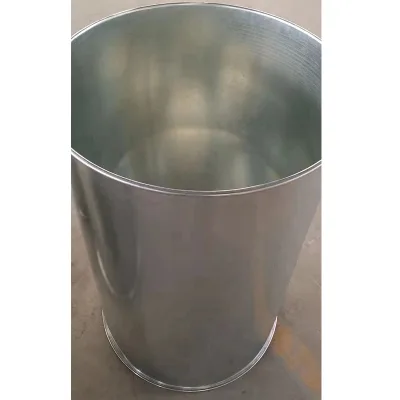
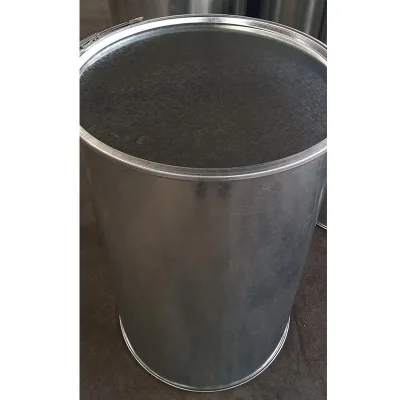
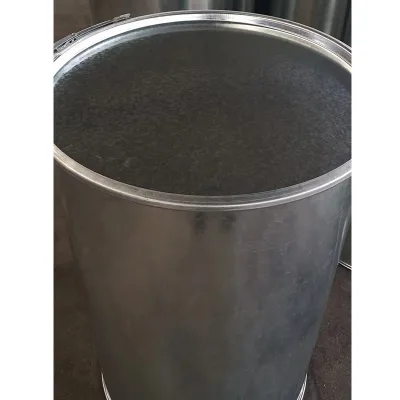
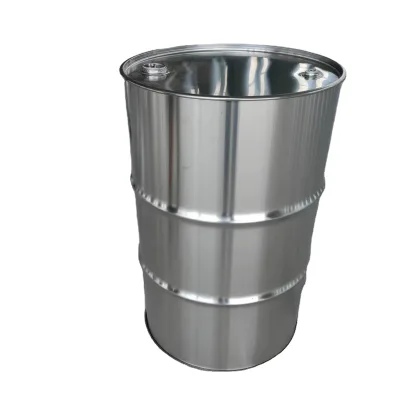
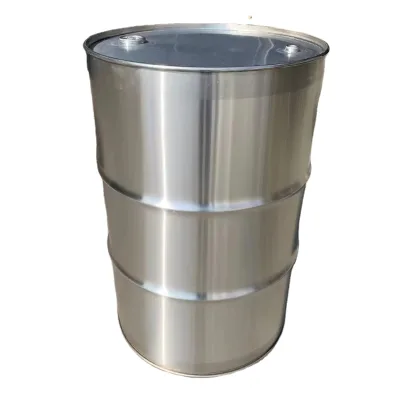
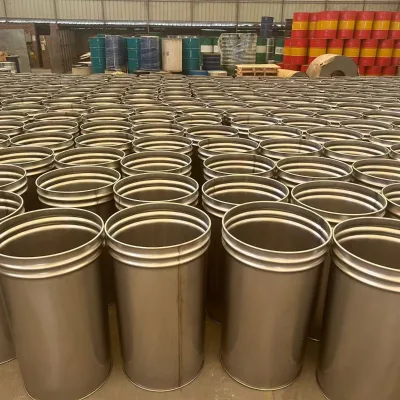


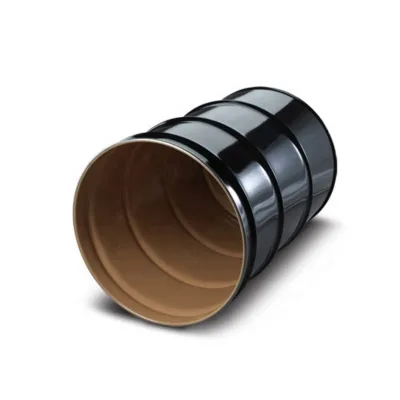
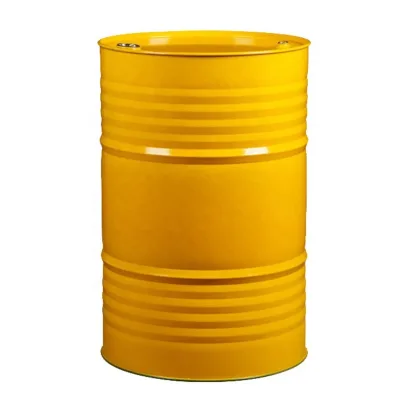
Wholesale 55 Gallon /200 Liter Food Grade Tapered Steel Drum with Open Top
$22.12 - $23.53
MOQ: 1000 Pieces



Comprehensive Sourcing Guide
Strategic Sourcing Guide for Food Grade Stainless Steel Drums
Understanding Product Classifications and Material Integrity
When initiating a procurement strategy for food grade stainless steel drums, the first critical step is distinguishing between the various product classifications available in the market. The supply landscape for these containers is diverse, ranging from general-purpose storage to specialized pharmaceutical and chemical packaging. Buyers must recognize that while the core keyword focuses on "food grade," the actual product listings often encompass a broader spectrum, including chemical pharmaceutical packaging barrels and general sealing packing barrels. This distinction is vital because a drum suitable for industrial chemical storage may not possess the necessary surface treatments or material purity required for direct food contact.
The material composition is the primary determinant of suitability. The most prevalent material observed in high-quality listings is stainless steel, often paired with metal construction for specific industrial applications. For food-grade applications, the integrity of the stainless steel is paramount to prevent contamination. The market offers drums with specific surface treatments, such as satin finishes and polishing processes, which are essential for maintaining hygiene and preventing bacterial adhesion. Furthermore, the manufacturing process, including deep drawing and cold stamping using multistep progressive dies, influences the structural integrity of the drum. These processes ensure that the final product, whether a 5-liter container or a 200-liter drum, maintains its shape and does not develop micro-fractures that could compromise food safety.
Buyers should also pay attention to the shape and folding capabilities of the units. While many drums are rigid, some listings indicate rectangular storage boxes or bins that are unfolded for use. The shape impacts stacking efficiency and storage volume, which are critical for logistics planning. Additionally, the thickness of the material, observed in some specifications as 0.3mm, plays a significant role in durability. Thinner gauges may offer cost advantages but require rigorous testing to ensure they are not prone to breaking or scratching during transport and handling. The "Not Easy to Break and Scratch" attribute highlights the importance of selecting a product that balances weight with resilience, particularly for applications involving heavy liquids like milk or beer.
Technical Specifications and Capacity Standards
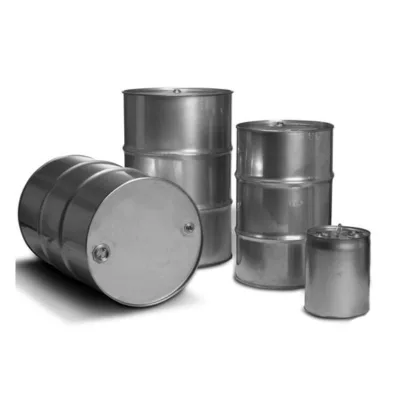
Technical specifications form the backbone of any successful procurement decision. The market presents a wide array of standard capacities, ranging from small 5-liter units to large 200-liter drums. Specific model numbers, such as Wc220 or JJ-20241226, often denote specific design iterations that cater to different volume requirements. Buyers must verify that the selected model aligns with their exact storage needs, as the industry standard includes sizes like 5L, 10L, 15L, 20L, 28L, and 50L, alongside the common 200-liter industrial drum.
The tolerance levels of these drums are another critical technical parameter. Precision in manufacturing is indicated by tolerance specifications, such as 0.1mm, which ensures that lids fit securely and that the drums can be stacked without instability. For food-grade applications, tight tolerances are necessary to prevent leakage and ensure a hermetic seal, which is the primary function of a sealing packing barrel. The ability to customize dimensions is a significant advantage in the current market, with many suppliers offering flexible customization options to meet specific volume or shape requirements.
Capacity is not the only specification to consider; the physical attributes of the drum, such as its weight and dimensions, are equally important. Some listings highlight attributes like "thinness and lightness," suggesting a focus on efficiency in shipping and handling. However, buyers must balance this with the need for durability. The "Sets" attribute, ranging from 1 to 3 pieces, indicates that drums are often sold in batches, which can affect inventory management and cost per unit. Additionally, the drawing formats provided by suppliers, including Ug, PRO-E, Dwg, and Pdf, allow for precise engineering reviews before production begins, ensuring that the final product meets the exact technical requirements of the buyer.
Compliance, Certification, and Regulatory Verification
Ensuring compliance with food safety regulations is non-negotiable when sourcing stainless steel drums for edible products. While the market lists various standards, such as GMP and ISO9001, buyers must verify that these certifications are current and applicable to the specific product line being purchased. The presence of these standards on a product listing is a positive indicator, but it does not guarantee that every unit in a batch adheres to the same level of quality. Buyers should request valid certification documents directly from the supplier to confirm that the manufacturing facility has been audited and meets the required hygiene and safety protocols.
The distinction between different usage categories is also a compliance issue. Drums listed for "Chemical Pharmaceutical Packaging" or "Paint" usage may not automatically qualify for "Milk," "Beer," or "Water" applications. The transition from industrial to food-grade use requires specific material verification to ensure that no harmful residues or contaminants are present. The "Eco-Friendly" attribute observed in some listings suggests a commitment to sustainable practices, which can be a secondary compliance factor for companies with environmental goals. However, this should not be confused with food safety certification.
Buyers should also be aware of the origin of the products, as regional manufacturing standards can vary. Listings indicate origins in Jiangxi, Guangzhou, and Guangdong, all within China. While these regions are major manufacturing hubs, the specific quality control measures implemented by the factory in these locations must be validated. The "Best Service" and "Over 15-Year Life Time" claims found in product descriptions are marketing assertions that should be treated as observations rather than guaranteed performance metrics. Instead, buyers should focus on the tangible evidence of compliance, such as material test reports and third-party audit results, to ensure the drums are safe for food contact.
Cost Drivers and Economic Considerations
The cost of food grade stainless steel drums is influenced by a complex interplay of factors, including material costs, manufacturing complexity, and customization requirements. The observed price range in the market is vast, spanning from 3.2 USD to 10,000 USD, reflecting the diversity in size, material grade, and production volume. This wide range underscores the importance of defining clear requirements before engaging with suppliers, as the cost difference between a basic 5-liter container and a customized 200-liter drum with specific surface treatments can be substantial.
Material costs are a primary driver, with stainless steel being the preferred choice for its durability and corrosion resistance. The thickness of the steel, such as the 0.3mm specification noted in some listings, directly impacts the raw material expense. Thicker gauges generally cost more but offer greater protection against damage. Additionally, the surface treatment processes, including polishing and satin finishing, add to the production cost. These processes are essential for food-grade applications to ensure a smooth, non-porous surface that is easy to clean and sanitize.
Customization is another significant cost factor. While many suppliers offer "Flexible and Customization" options, the extent of the customization will determine the final price. Custom models, such as those with specific dimensions or unique shapes, often require dedicated tooling and longer lead times, which can increase the unit cost. The "Low Price" attribute mentioned in some listings should be approached with caution; it may indicate a trade-off in material quality or a lack of essential features. Buyers should evaluate the total cost of ownership, including shipping, storage, and potential replacement costs, rather than focusing solely on the initial purchase price.
Typical Applications and Usage Scenarios
The versatility of stainless steel drums makes them suitable for a wide range of applications, from food and beverage storage to industrial chemical handling. The "Usage" attributes observed in the market include Milk, Beer, Water, Paint, Chemical, and general Food applications. This diversity highlights the need for buyers to match the drum's specifications to their specific use case. For instance, drums intended for milk or beer must meet strict hygiene standards and may require specific surface finishes to prevent bacterial growth.
In the food and beverage industry, these drums are commonly used for the storage and transport of liquid ingredients. The "Sealing Packing Barrel" function is critical in this context, as it ensures that the contents remain fresh and uncontaminated during transit. The "Eco-Friendly" nature of stainless steel also makes it a preferred choice for sustainable packaging initiatives, as the material is fully recyclable and has a long service life. In industrial settings, the same drums may be repurposed for storing non-food chemicals, provided they are thoroughly cleaned and certified for such use.
The "Style" attribute, such as "Countryside Style," suggests that some drums may be designed for aesthetic appeal in addition to functionality. This could be relevant for retail packaging or promotional products where the visual presentation is as important as the utility. However, for bulk industrial applications, the focus remains on practicality, with features like "Folded: Unfolded" capabilities allowing for efficient storage when the drums are not in use. The "Rectangular" shape of some storage boxes and bins offers advantages in space utilization, particularly in warehouse environments where maximizing floor space is essential.
Supplier Evaluation and Quality Control Protocols
Evaluating suppliers requires a systematic approach that goes beyond surface-level marketing claims. Buyers should prioritize suppliers who provide transparent information about their manufacturing processes, including the use of deep drawing and cold stamping techniques. The availability of drawing formats like Ug, PRO-E, Dwg, and Pdf indicates a level of technical sophistication that can be leveraged for quality assurance. Suppliers who are willing to share detailed engineering drawings demonstrate a commitment to precision and customer collaboration.
Quality control protocols are essential to ensure that the delivered drums meet the required standards. Buyers should inquire about the supplier's internal testing procedures, including checks for surface defects, dimensional accuracy, and seal integrity. The "Not Easy to Break and Scratch" attribute is a key quality indicator, but it should be verified through independent testing or sample inspection. Additionally, the "Tolerances: 0.1mm" specification should be validated to ensure that the drums fit together properly and maintain their structural integrity under load.
Packaging is another critical aspect of supplier evaluation. The "prod_packing" attributes, such as "Carton and Pallets," "Woodern Box Package," and "Carton," indicate different levels of protection during shipping. For food-grade products, the packaging must prevent contamination and damage during transit. Buyers should request details on the packaging materials used to ensure they are food-safe and suitable for the specific product being transported. The "Sets: 1-3PCS" attribute also suggests that suppliers may offer flexible packaging options, which can be beneficial for small-batch orders or specific logistical requirements.
Long-Term Procurement and Lifecycle Management
Sourcing food grade stainless steel drums is not just a one-time transaction but a long-term partnership that requires careful lifecycle management. The "Over 15-Year Life Time" claim, while an observation, suggests that high-quality drums can provide significant value over an extended period. Buyers should consider the durability and maintenance requirements of the drums when making procurement decisions. Stainless steel is known for its longevity, but regular cleaning and inspection are necessary to maintain its food-grade status.
The "Flexible and Customization" attribute offers opportunities for long-term adaptability. As business needs evolve, suppliers who can accommodate changes in volume, size, or design can provide a strategic advantage. This flexibility is particularly valuable for companies that experience seasonal fluctuations in demand or those that are expanding into new product lines. The ability to customize the drums allows businesses to optimize their packaging solutions for specific applications, reducing waste and improving efficiency.
Finally, buyers should consider the environmental impact of their procurement decisions. The "Eco-Friendly" attribute and the recyclability of stainless steel make these drums a sustainable choice for food and beverage companies. By selecting durable, high-quality drums, businesses can reduce their reliance on single-use packaging and contribute to a more circular economy. The "Low Price" and "Best Service" attributes should be evaluated in the context of long-term value, ensuring that the chosen supplier can provide consistent quality and support over the life of the product.
FAQs
What materials are used for food grade stainless steel drums?
Stainless steel is the primary material used for these drums to ensure durability and hygiene. Some listings also specify metal construction with surface treatments like satin finish or polishing to prevent bacterial adhesion and maintain food safety standards during storage.
Which capacity standards are available for these packaging barrels?
Available capacity standards include 5L, 10L, 15L, 20L, 28L, 50L, and 200 liters. Specific models like Wc220 or JJ-20241226 may correspond to these volumes, allowing buyers to select units that match their exact storage requirements for liquids like milk or beer.
Can these drums be customized for specific industrial needs?
Yes, customization is available for dimensions, shapes, and specific usage requirements. Suppliers offer flexible options for models like 200-liter drums, allowing buyers to request unique specifications while ensuring the product remains suitable for sealing and packing applications.
How are these drums packaged for shipping and storage?
Packaging options include cartons, pallets, and wooden boxes depending on the product type. This ensures safe transport and storage, with some listings specifying carton and pallet combinations to protect the drums from damage during logistics operations.
What certifications ensure these drums meet food safety standards?
Certifications such as GMP and ISO9001 are observed in product listings to indicate quality management. Buyers should verify these documents directly to confirm the manufacturing facility meets hygiene protocols required for food contact applications like milk or water storage.
Which locations are the primary origins for these steel drums?
Major manufacturing origins include Jiangxi, Guangzhou, and Guangdong in China. These regions are known for producing stainless steel barrels with various surface treatments, though buyers must validate specific factory quality control measures regardless of the regional hub.