Source Food Grade Thaumatin for Beverages, Confectionery, and Dairy
Compare 30 listings for Food Grade Thaumatin from verified Chinese manufacturers. Buyers can evaluate specifications, pricing, and packaging options for use in beverages, confectionery, and dairy products. This natural sweetener offers stabilization and nutritional value with a shelf life of two years. Suppliers provide samples and various packaging like bags or drums for global delivery within 7 to 15 days.
Key considerations
Products List


Natural Thaumatin Extract 2000 Times Sweetener Food Grade 99% Thaumatin
$190.00 - $240.00
MOQ: 1 kilograms







Comprehensive Sourcing Guide
Food Grade Thaumatin Sourcing Guide
Procuring Food Grade Thaumatin requires a strategic approach that balances sweetness intensity with regulatory compliance and supply chain reliability. Thaumatin is a natural protein-based sweetener derived from the fruit of Thaumatococcus daniellii, offering a unique sensory profile that distinguishes it from synthetic alternatives. Buyers must understand that while thaumatin provides significant sweetness, its application is often limited by specific taste characteristics and stability requirements. This guide outlines the critical verification steps necessary to secure a consistent supply of high-quality thaumatin powder for diverse industrial applications.
The sourcing landscape for thaumatin is characterized by a wide range of product specifications and commercial terms. Observed market listings indicate a broad price range and varying minimum order quantities, reflecting the diversity of supplier capabilities and product grades. Buyers should navigate this complexity by focusing on verified technical attributes such as CAS number 53850-34-3 and specific purity levels. Establishing clear requirements for appearance, packing, and shelf life is essential to avoid mismatches between supplier offerings and end-product needs, ensuring that the final ingredient meets both functional and aesthetic standards.
Product Scope and Observed Listing Signals
The product scope for Food Grade Thaumatin encompasses various forms, primarily powder, with observed listings highlighting attributes such as white or yellow appearance and nutritional value. Suppliers often list customization options and free samples, indicating a flexible approach to buyer engagement. However, buyers must treat these observations as initial signals rather than guaranteed specifications for every lot. The presence of multiple product models, such as WG-TP01 or generic identifiers, suggests that not all listings represent the same chemical or physical profile, necessitating careful cross-referencing of technical data sheets.
Commercial signals in the market reveal significant variability in packaging and delivery terms. Common packing methods include 1kg bags, 25kg paper drums, and woven or vacuum foil bags, each suited to different storage and handling requirements. Delivery times typically range from seven to fifteen days, which impacts inventory planning and supply chain resilience. Buyers should note that while some listings claim a two-year shelf life, others specify twenty-four months, requiring verification of storage conditions and stability data to ensure product integrity throughout the intended distribution period.
Technical Specifications to Verify
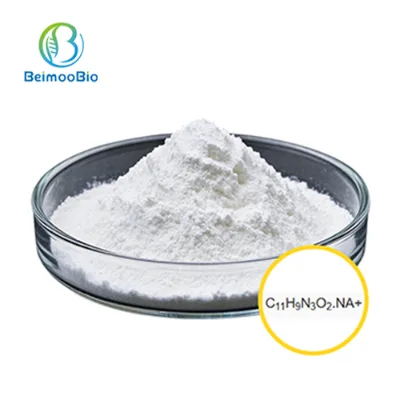
Verifying technical specifications is paramount when sourcing thaumatin, particularly regarding purity and molecular composition. Buyers should confirm that the product meets a 99% purity standard, as indicated by specific supplier listings, and check for the correct molecular formula, which is often cited as C11H9N3O2.Na+. The CAS number 53850-34-3 serves as a critical identifier to distinguish thaumatin from other sweeteners or adulterants. Ensuring that the product is labeled as food grade is essential, as this designation implies adherence to specific safety and quality benchmarks required for human consumption.
Physical and functional attributes also require rigorous verification to align with application needs. The product should be tested using reliable methods such as HPLC to confirm potency and absence of contaminants. Buyers must assess the effectiveness of thaumatin as a nutritional supplement or sweetener, noting that it provides energy and enhances flavor profiles. Additionally, the stability of the powder under various conditions should be evaluated, as thaumatin’s performance can be influenced by temperature and pH levels, affecting its suitability for different food matrices and processing environments.
Compliance and Safety Documentation
Compliance with international standards is a non-negotiable aspect of sourcing Food Grade Thaumatin. Buyers must request and verify certificates such as ISO 9001, Halal, and Kosher, which demonstrate adherence to quality management and religious dietary laws. These certifications are critical for accessing global markets and ensuring that the product meets the regulatory expectations of diverse consumer bases. The absence of such documentation can lead to significant delays in customs clearance and potential rejection of shipments, highlighting the importance of pre-qualification checks.
Safety documentation must also address specific population groups and storage requirements. While thaumatin is generally applicable to adults, including men, women, and the elderly, buyers should note that some listings indicate it is not applicable to children, newborns, or pregnant women. This distinction is crucial for product labeling and marketing claims to avoid regulatory violations. Furthermore, storage instructions specifying cool and dry places must be strictly followed to maintain the two-year shelf life, preventing degradation and ensuring that the product remains safe and effective for its intended use.
Cost Drivers and Commercial Terms
Cost drivers for Food Grade Thaumatin include raw material availability, purification processes, and certification maintenance. The observed price range of 0.2 to 7310 USD reflects the disparity between bulk industrial grades and specialized, certified products. Buyers should analyze the cost structure in relation to minimum order quantities, which typically range from 1 to 1000 units, with some suppliers setting a standard MOQ of 25kg. Understanding these variables helps in negotiating favorable terms and aligning procurement volumes with production capacity and cash flow requirements.
Commercial terms also encompass delivery times and sample availability, which influence overall procurement efficiency. Most suppliers offer delivery within seven to fifteen days, a timeframe that supports just-in-time inventory strategies but requires accurate demand forecasting. The availability of free samples, often in quantities of 10-20g, allows buyers to conduct preliminary quality assessments before committing to larger orders. These terms should be clearly defined in contracts to mitigate risks associated with delays or quality discrepancies, ensuring a smooth transaction process.
Supplier Qualification and Quality Control
Supplier qualification involves assessing the origin and manufacturing capabilities of thaumatin providers. Most suppliers are located in China, with specific regions like Shaanxi being noted as production hubs. Buyers should verify the supplier’s ability to maintain consistent quality across batches, particularly given the natural origin of thaumatin. Quality control measures should include regular testing for purity, microbial limits, and heavy metals, ensuring that the product meets food grade standards. Establishing a robust supplier evaluation framework is essential to mitigate risks associated with supply chain disruptions or quality failures.
Quality control protocols must also address packaging integrity and labeling accuracy. Suppliers should provide packaging that protects the product from moisture and contamination, such as vacuum foil bags or sealed drums. Labels must clearly indicate the product name, CAS number, batch number, and expiration date to facilitate traceability. Buyers should implement incoming quality checks upon receipt of goods, verifying that the physical appearance, such as white or yellow powder, matches the agreed specifications. This proactive approach ensures that only compliant products enter the production process, safeguarding brand reputation and consumer safety.
Long-Term Procurement Checks
Long-term procurement checks focus on maintaining supplier performance and adapting to market changes. Buyers should conduct periodic audits of supplier quality systems and review their certification status to ensure ongoing compliance. Monitoring market trends for new thaumatin derivatives or alternative sweeteners can inform strategic sourcing decisions and product development. Establishing a feedback loop with suppliers regarding quality issues or delivery performance helps in identifying areas for improvement and fostering a collaborative partnership that supports continuous optimization.
Additionally, buyers should regularly review inventory levels and shelf life management to prevent waste and ensure product freshness. Tracking the performance of thaumatin in end-products allows for adjustments in usage rates or supplier selection based on functional outcomes. Staying informed about regulatory updates in key markets ensures that sourcing practices remain compliant with evolving food safety standards. By maintaining a dynamic and informed procurement strategy, buyers can secure a reliable supply of Food Grade Thaumatin that meets both current and future business needs.
FAQs
What is the CAS number for Food Grade Thaumatin?
The CAS number for Food Grade Thaumatin is 53850-34-3. This identifier confirms the chemical composition and purity of the product. Buyers can verify the substance against regulatory databases to ensure compliance with international food safety standards and traceability requirements.
What certifications are available for Food Grade Thaumatin?
Food Grade Thaumatin is available with ISO 9001, Halal, and Kosher certifications. These credentials verify that the manufacturing process meets rigorous quality and religious dietary standards. Buyers requiring specific compliance for export markets can request these documents to ensure product acceptance.
How is Food Grade Thaumatin packaged for shipment?
Food Grade Thaumatin is packaged in 1kg aluminum foil bags or 25kg paper drums. Some suppliers offer woven bags, vacuum foil bags, or cartons. This flexible packaging ensures product protection during transit and allows buyers to select quantities that match their storage and usage needs.
What is the typical lead time for Food Grade Thaumatin?
The typical delivery time for Food Grade Thaumatin is 7 to 15 days. This timeframe applies to standard orders after payment confirmation. Buyers should account for this window when planning inventory replenishment to avoid production delays in their own manufacturing processes.
Can I get a free sample of Food Grade Thaumatin?
Free samples of Food Grade Thaumatin are available for evaluation. The sample size is typically 10 to 20 grams. This allows buyers to test the powder's solubility, sweetness intensity, and physical properties before committing to a larger bulk order for commercial use.
What is the shelf life of Food Grade Thaumatin powder?
The shelf life of Food Grade Thaumatin powder is 24 months. It should be stored in a cool and dry place to maintain stability. Proper storage conditions prevent moisture absorption and ensure the product retains its nutritional value and sweetness potency throughout its usable period.