Source Food Grade Thiamine Nitrate for Supplements, Beverages, and Bakery
Find 30 verified suppliers of Food Grade Thiamine Nitrate for your manufacturing needs. Compare purity levels, certifications, and packaging options to identify the right raw material for your specific application requirements; compare the available evidence and request quotations based on your requirements.
Key considerations
Products List


Wholesale Supplying Thiamine Nitrate Powder Vitamin B1 Thiamine Mononitrate
$19.00 - $32.00
MOQ: 100 kg


Thiamine Nitrate (Vitamin B1) 99% Purity Food Grade Nutritional Supplement
$25.00 - $35.00
MOQ: 1000 kg

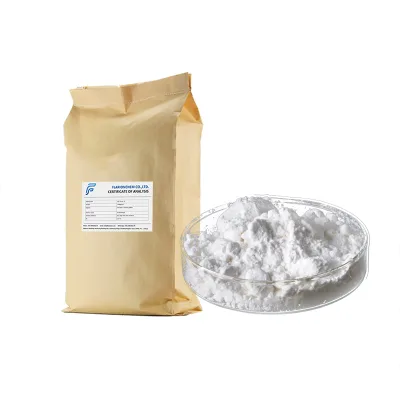


Thiamine Mononitrate HCl Powder Price Tiamin Nitrate Food Grade Vitamin B1
$58.00 - $65.00
MOQ: 1 kilograms


Comprehensive Sourcing Guide
Food Grade Thiamine Nitrate Sourcing Guide
Procuring Food Grade Thiamine Nitrate requires careful attention to the specific chemical form, as the market lists both nitrate and mononitrate variants under similar search terms. Buyers must distinguish between these forms because their solubility profiles and regulatory classifications differ slightly in various jurisdictions. The observed product listings indicate a primary focus on raw powder forms suitable for fortification, with purity claims ranging from 98% to over 99%. This distinction is critical when selecting a supplier, as the intended application dictates whether the nitrate or mononitrate salt is the appropriate choice for the final food matrix.
The commercial landscape for this ingredient shows a wide variance in minimum order quantities, ranging from single units to bulk drums of 25 kilograms. This flexibility allows small-scale manufacturers to test supply chains while enabling large food processors to secure consistent raw material flows. However, the presence of customization options alongside non-customized stock suggests that buyers should clarify their packaging needs early in the negotiation. Understanding whether the supplier offers standard 1kg bags or larger 25kg drums is essential for aligning logistics costs with production schedules and storage capabilities.
Product Scope and Observed Listing Signals
The available product data reveals a diverse range of packaging configurations, from foil bags and drums to aluminum foil bags nested within paper boxes. These variations signal different levels of protection against moisture and light, which are critical for maintaining the stability of thiamine compounds during transit and storage. Buyers should verify that the selected packaging material, whether plastic or foil, aligns with the specific storage requirements of their facility to prevent degradation before the product reaches the production line.
Observations of the product state confirm that the raw material is consistently supplied as a solid powder, often described as white or almost white crystalline powder. This physical form is standard for food additives intended for direct mixing into dry blends or liquid solutions. The presence of multiple model names, such as "Vitamin B1 Momo" or "bio," indicates that suppliers may use proprietary naming conventions for the same chemical entity. Procurement teams must rely on the CAS number 532-43-4 rather than marketing names to ensure they are acquiring the correct chemical structure for their formulation.
Technical Specifications to Verify
Purity is a primary technical parameter, with observed listings claiming values greater than 98%, 99%, and specific ranges like 98.0% to 102.0%. These discrepancies highlight the necessity for buyers to request current Certificates of Analysis (CoA) that match the specific batch being shipped. Relying on general listing claims without batch-specific verification can lead to formulation inconsistencies, especially in applications where precise nutrient dosing is required for regulatory compliance or nutritional labeling.
The molecular formula C12H17N5O4S and the specific CAS number 532-43-4 serve as the definitive identifiers for thiamine nitrate, distinguishing it from other B1 variants. Buyers must ensure that the technical data sheet explicitly references these identifiers to avoid confusion with thiamine mononitrate, which carries a different CAS number. Additionally, the shelf life of two years and the requirement for storage in a cool, dry place are critical operational constraints that must be integrated into inventory management plans to maintain product efficacy throughout the supply chain.
Compliance and Safety Documentation
The certification landscape for this ingredient is robust, with listings frequently citing ISO GMP, USP, BP, and various food safety standards like HACCP and BRC. These certifications indicate that the manufacturing processes adhere to recognized international quality management systems, which is a prerequisite for sourcing ingredients for human consumption. However, the specific combination of certifications varies by supplier, so buyers should verify that the supplier holds the exact certifications required by their target market's regulatory framework.
Safety documentation must also address the specific grade of the product, with many listings explicitly stating "Food Grade" status. This classification ensures that the raw material is free from heavy metals and other contaminants at levels permissible for food use. Buyers should request evidence of compliance with standards such as Fami-QS or FDA registration if exporting to specific regions, as these documents provide the necessary legal assurance that the product meets the safety thresholds for its intended use in adult, children, or elderly food products.
Cost Drivers and Commercial Terms
Pricing for thiamine nitrate exhibits a broad range, observed from low single-digit values to high four-figure amounts, likely reflecting differences in purity, packaging, and order volume. The minimum order quantity (MOQ) is a significant cost driver, with some suppliers requiring 100kg while others accept much smaller quantities. Buyers must calculate the total landed cost, including the impact of MOQs on inventory holding costs, to determine the most economical purchasing strategy for their specific production volume.
Commercial terms often include customization options, which can influence the final price and lead time. While some suppliers offer standard packaging, others provide tailored solutions that may incur additional fees. The observed shipping methods, including trains and ships, suggest that logistics costs will vary based on the destination and the urgency of the delivery. Procurement teams should negotiate clear Incoterms to understand who bears the risk and cost during transit, ensuring that the final price reflects the true cost of getting the product to the production facility.
Supplier Qualification and Quality Control
Supplier qualification should extend beyond basic certification checks to include an assessment of their production methods, such as chemosynthesis, which is noted in the product attributes. Understanding the synthesis method helps buyers evaluate the potential for impurities and the consistency of the chemical structure across different batches. A supplier with a transparent production process and a history of adhering to GMP standards is better positioned to deliver consistent quality over the long term.
Quality control protocols must be verified through regular third-party testing and internal batch reviews. The presence of multiple certifications like ISO 9001 and Fami-QS suggests a structured approach to quality management, but buyers should confirm that these systems are actively maintained and audited. Establishing a clear communication channel for reporting quality issues and requesting re-testing is essential, as the stability of thiamine nitrate can be affected by environmental factors if not handled according to the specified storage instructions.
Long-Term Procurement Checks
Sustaining a reliable supply chain for thiamine nitrate requires periodic re-evaluation of supplier performance against the original specifications. Buyers should monitor changes in purity levels, packaging integrity, and certification status to ensure that the product continues to meet the required standards over time. Regular audits or requests for updated CoAs help identify any drift in quality that could impact the final food product's nutritional value or safety profile.
Strategic planning must also account for the potential for supply chain disruptions, given the global nature of chemical manufacturing. Diversifying suppliers or maintaining a safety stock based on the two-year shelf life can mitigate risks associated with lead time fluctuations. Additionally, staying informed about regulatory changes in food additive standards ensures that the procurement strategy remains compliant, protecting the brand from potential recalls or market access issues in the future.
FAQs
What is the purity level of Food Grade Thiamine Nitrate?
The purity level is typically greater than 98% or 99%, with some specifications ranging from 98.0% to 102.0%. This high purity ensures the product meets strict food additive standards. Buyers should verify the exact percentage on the product specification sheet, as variations exist between different manufacturers and batches to ensure quality compliance.
Which certifications are available for thiamine nitrate suppliers?
Suppliers often provide certifications such as ISO, GMP, USP, BP, FDA, HACCP, and Fami-QS. These credentials verify that the manufacturing process adheres to international safety and quality standards. Buyers should request specific certification documents to ensure the product meets regulatory requirements for their target market and intended application in food or supplement production.
How is Food Grade Thiamine Nitrate packaged for shipment?
Packaging options include 1kg foil bags, 25kg drums, or aluminum foil bags inside paper boxes. The material is often plastic or foil to maintain stability. Proper storage in a cool, dry place is recommended to preserve the two-year shelf life. Buyers should confirm packaging details with the supplier to ensure protection during transit and storage.
Can thiamine nitrate be customized for specific orders?
Customization is available for certain product specifications and packaging requirements. Buyers can request specific purity levels or packaging formats to suit their needs. However, some items may be listed as non-customized. It is essential to discuss customization options directly with the supplier to confirm feasibility, lead times, and any potential impact on pricing or minimum order quantities.
What is the minimum order quantity for thiamine nitrate?
The minimum order quantity varies, with some suppliers requiring 100kg while others may accept orders as low as 1kg. This range allows flexibility for both large-scale industrial buyers and smaller testing orders. Buyers should check the specific MOQ listed for each supplier to plan their procurement strategy effectively and avoid unnecessary inventory costs.
Where is Food Grade Thiamine Nitrate typically produced?
Production often originates from China, where many manufacturers specialize in chemical synthesis and food additives. The product is synthesized chemically to ensure consistent quality and purity. Buyers should verify the origin and manufacturing capabilities of the supplier to ensure reliability and compliance with international trade regulations and quality standards for food-grade ingredients.