Source Ford Mustang Intercooler Pipe for Repair, Upgrade, and Replacement
Compare 30 listings for the ford mustang intercooler pipe from verified Chinese manufacturers. Buyers can evaluate aluminum piping options with OEM standards, varying diameters, and customization services to find suitable parts for repair and performance upgrades; compare the available evidence and request quotations based on your requirements.
Key considerations
Products List


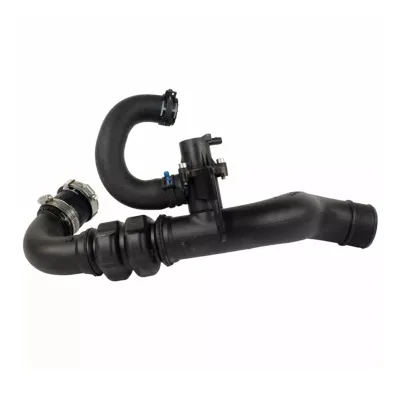


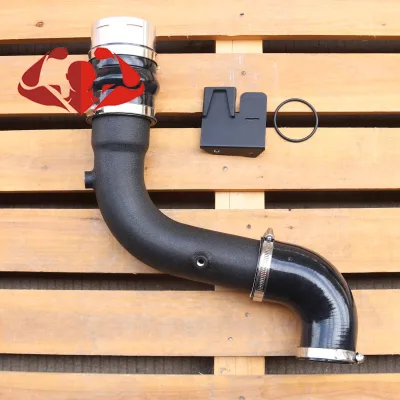
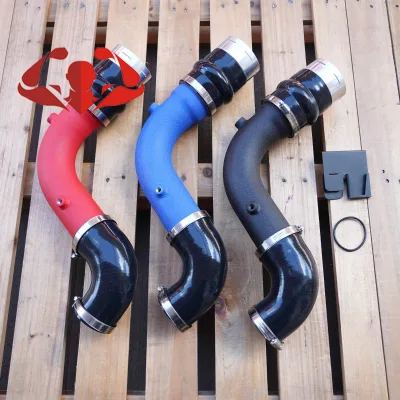
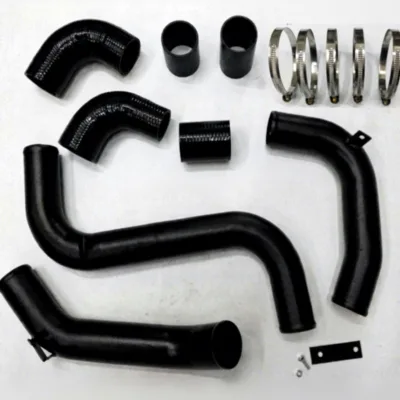


Comprehensive Sourcing Guide
Ford Mustang Intercooler Pipe Sourcing Guide
Sourcing replacement intercooler piping for the Ford Mustang requires careful attention to material integrity and dimensional precision, as these components are critical for maintaining turbocharged engine performance. The market offers a variety of aftermarket solutions, primarily constructed from aluminum to balance weight reduction with thermal resistance. Buyers must distinguish between generic aftermarket parts and those explicitly designed as OEM replacements, ensuring that the selected pipes match the specific generation and engine configuration of the vehicle.
Procurement decisions should be guided by observed listing signals that indicate product suitability and supplier reliability. Current market data reveals a wide price range, reflecting differences in manufacturing quality, wall thickness, and included accessories such as clamps. Understanding these signals helps buyers avoid low-cost options that may compromise durability, while also identifying suppliers who offer customization services to meet specific performance upgrades or repair needs for high-mileage vehicles.
Product Scope and Observed Listing Signals
The observed product scope for Ford Mustang intercooler pipes includes various configurations designed for replace or repair purposes, with a strong emphasis on aftermarket compatibility. Listings frequently highlight features such as adjustable air inlets, specific angle options like 45, 90, or 180 degrees, and diameter sizes ranging from 2 to 3 inches. These variations allow for tailored solutions that fit different turbo setups or boost pipe routing requirements, ensuring that the piping system maintains optimal airflow and pressure integrity under high-performance conditions.
Material composition is a key differentiator in the current market, with aluminum being the predominant body material due to its corrosion resistance and lightweight properties. Buyers should note that some products are specified with a wall thickness of 1.8mm, which provides a baseline for durability against internal boost pressure. Additionally, the inclusion of clamps and specific packaging details, such as carton boxes or neutral packing, indicates the level of completeness and readiness for installation, which can significantly impact the total cost of ownership and installation efficiency.
Technical Specifications to Verify
Verifying technical specifications is essential to ensure that the intercooler pipes fit the specific Ford Mustang model and engine bay constraints. Key parameters to confirm include the exact diameter, angle, and overall length, as these dimensions must align with the turbocharger outlet, intercooler inlet, and throttle body connections. Buyers should cross-reference the OEM code, such as 144602744R or 144602717R, with their vehicle’s parts catalog to guarantee compatibility, as even minor deviations in pipe geometry can lead to improper sealing or interference with surrounding components.
Wall thickness and material grade are critical factors that influence the pipe’s ability to withstand high boost pressures and thermal cycling. While some listings specify a 1.8mm wall thickness, buyers must verify if this applies to the entire length or only specific sections, as thinner walls may be prone to deformation or failure under stress. Additionally, checking for features like internal pressure ratings or specific inlet designs, such as DSI inlets, can provide insight into the pipe’s aerodynamic efficiency and its ability to minimize turbulence, which is vital for maintaining consistent engine performance.
Compliance and Safety Documentation
Compliance with international quality management standards is a strong indicator of a supplier’s manufacturing consistency and product reliability. Many observed listings cite certifications such as IATF 16949, ISO 9001, and TS 16949, which demonstrate that the supplier adheres to rigorous automotive industry quality control processes. These certifications suggest that the production facilities have implemented systematic approaches to defect prevention and continuous improvement, reducing the risk of receiving parts with manufacturing flaws or inconsistent dimensions.
Buyers should also verify that the products meet the specific regulatory requirements of their target market, particularly if importing from regions like Zhejiang or Hebei in China. While some listings mention a main market of Europe, it is crucial to confirm that the materials and finishes comply with relevant environmental and safety regulations, such as REACH or RoHS, if applicable. Ensuring that the supplier provides proper documentation for these certifications can facilitate smoother customs clearance and provide assurance that the parts are safe for use in road-legal vehicles.
Cost Drivers and Commercial Terms
The cost of Ford Mustang intercooler pipes is influenced by several factors, including material quality, manufacturing complexity, and order volume. The observed price range of $0.2 to $264 USD reflects the disparity between basic replacement pipes and high-performance, custom-fabricated solutions. Buyers should consider that higher prices often correlate with better wall thickness, superior aluminum grades, and more precise bending techniques, which contribute to longer service life and better performance under high-stress conditions.
Commercial terms, such as minimum order quantity (MOQ) and payment methods, also play a significant role in the total procurement cost. MOQs ranging from 1 to 1000 units allow for flexibility, whether sourcing for individual repairs or bulk fleet maintenance. Payment options like T/T, PayPal, and Western Union provide convenience, but buyers should negotiate clear terms regarding shipping, packaging, and return policies to mitigate financial risk. Understanding these commercial dynamics helps in budgeting accurately and selecting a supplier that aligns with the buyer’s volume and cash flow requirements.
Supplier Qualification and Quality Control
Qualifying suppliers for intercooler pipe procurement involves assessing their production capabilities and quality assurance protocols. Buyers should prioritize suppliers who offer OEM service and customization options, as this indicates a higher level of engineering support and flexibility in meeting specific design requirements. Verifying the supplier’s origin, whether from Zhejiang, Hebei, or other manufacturing hubs, can provide insights into their supply chain efficiency and access to raw materials, which are critical for maintaining consistent product quality.
Quality control measures should be explicitly discussed during the supplier evaluation process. Buyers should inquire about in-process inspections, final product testing, and packaging standards to ensure that the pipes arrive without damage or defects. Given that the single gross weight can vary significantly, from 9kg to 23kg, proper packaging is essential to prevent deformation during transit. Establishing a clear communication channel for addressing quality issues and requesting samples before bulk orders can help mitigate risks and ensure that the supplied parts meet the expected performance standards.
Long-Term Procurement Checks
Establishing long-term procurement relationships requires ongoing monitoring of product performance and supplier reliability. Buyers should implement a feedback loop to track the durability and fitment of the intercooler pipes in real-world applications, noting any issues related to leaks, corrosion, or premature failure. This data can be used to refine specifications and negotiate better terms with suppliers, ensuring that the sourcing strategy evolves in response to actual usage patterns and market changes.
Regular audits of supplier documentation and certification status are also necessary to maintain compliance and quality standards over time. Buyers should verify that the supplier continues to adhere to IATF 16949 or other relevant standards, as lapses in certification can indicate a decline in manufacturing rigor. Additionally, staying informed about updates in Ford Mustang models and engine configurations allows buyers to anticipate changes in demand and adjust their inventory and supplier partnerships accordingly, ensuring a stable and efficient supply chain for critical engine components.
FAQs
What materials are used for the intercooler pipes?
The intercooler pipes are constructed from aluminum and aluminum alloy to ensure durability and heat resistance. These materials provide excellent thermal conductivity while maintaining structural integrity under high pressure conditions typical in automotive applications.
Which certifications do the manufacturers hold?
Manufacturers hold IATF 16949, ISO 9001, and TS certifications to ensure quality management systems meet international automotive standards. These credentials verify that production processes adhere to strict safety and reliability requirements for aftermarket auto parts.
Can the pipes be customized for specific models?
Yes, customization is available to meet specific OEM codes and dimensional requirements for various vehicle models. Buyers can request tailored solutions including specific angles, diameters, and wall thicknesses to ensure a perfect fit for their engine bay.
What is the minimum order quantity for these parts?
The minimum order quantity ranges from one unit up to one thousand units depending on the supplier and product configuration. Flexible MOQs allow buyers to test the market with small batches or scale up production for larger fleet needs.
Where are these intercooler pipes manufactured?
These products originate from manufacturing facilities located in Zhejiang and Hebei provinces in China. The regional concentration of suppliers ensures efficient logistics and competitive pricing for international buyers seeking reliable automotive components.
What specifications are available for the pipe diameters?
Available pipe diameters include 2 inches, 2.5 inches, 2.75 inches, and 3 inches to suit different engine configurations. Wall thickness is standardized at 1.8mm to balance weight reduction with the necessary strength for high-pressure air intake systems.