Source Nylon Fuel Hose for Volkswagen for Engines, Tanks, and Lines
Find 30 verified Nylon Fuel Hose for Volkswagen options from Chinese manufacturers. Buyers can compare specifications like pressure ratings, material types, and customization availability to select the right hose for engine, tank, or line applications; compare the available evidence and request quotations based on your requirements.
Key considerations
Products List

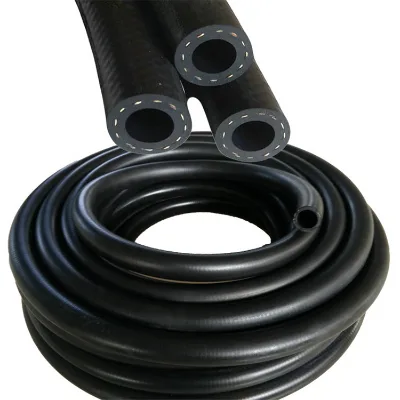


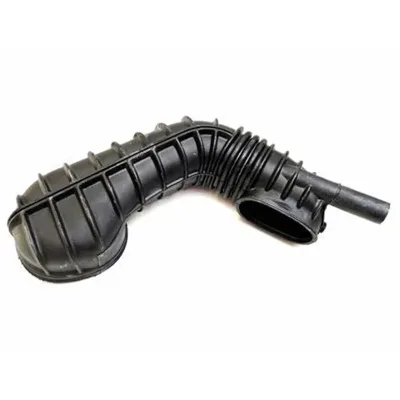


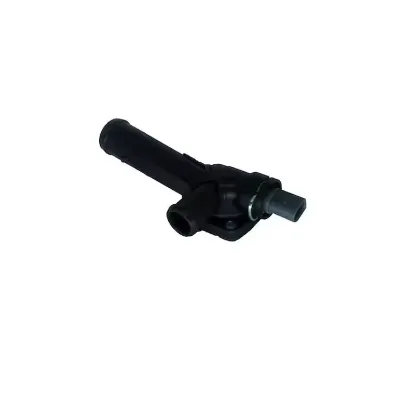

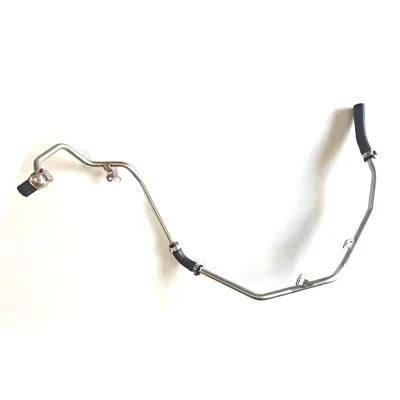


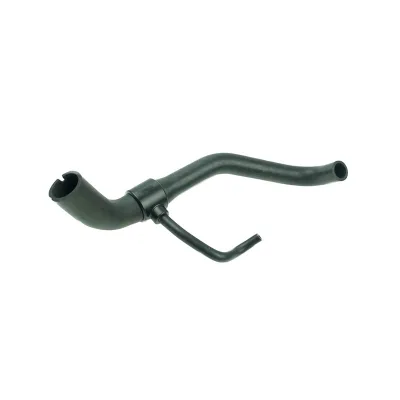


Comprehensive Sourcing Guide
Nylon Fuel Hose for Volkswagen Sourcing Guide
Sourcing nylon fuel hoses for Volkswagen vehicles requires distinguishing between specific OEM part numbers and generic aftermarket equivalents that meet rigorous automotive standards. The provided market data indicates a diverse range of rubber and nylon-based fuel hoses, with observed models like the 07K 129 684 and YX-007 serving as reference points for compatible dimensions. Buyers must verify that the selected hose material, such as Nitrile Rubber or specialized nylon blends, aligns with the chemical resistance requirements of modern diesel and gasoline engines found in Volkswagen fleets.
Procurement decisions should prioritize hoses that explicitly support customization for specific vehicle models, as standard sizes may not fit all engine bay configurations. The observed market offers products with varying pressure ratings, including working pressures up to 300psi and burst pressures reaching 900psi, which are critical for maintaining system integrity under high-performance conditions. Sourcing teams must cross-reference these technical limits against the specific operational demands of the target vehicle to prevent premature failure or fuel leakage in critical applications.
Product Scope and Observed Listing Signals
The current market landscape for automotive fuel hoses includes a wide spectrum of product types, ranging from general-purpose rubber oil hoses to specialized fuel delivery lines. Listings frequently highlight applications for oil, diesel, and lubricating fluids, suggesting that many available hoses are multi-functional but require careful validation for pure fuel transport. Buyers should scrutinize product descriptions for explicit mentions of fuel compatibility, as some items are primarily marketed for engine oil circulation rather than direct fuel injection systems.
Observations of packaging and branding reveal significant variation, with options ranging from neutral packing cases to custom-branded woven bags. The presence of brands like Yaoxin and Yuandong indicates a competitive supplier base, yet the lack of uniform certification across all listings necessitates a rigorous vetting process. Procurement teams must look for specific model numbers and size ranges, such as 3/16" to 2" inner diameters, to ensure the selected hose matches the physical constraints of the Volkswagen fuel system architecture.
Technical Specifications to Verify
Technical verification begins with confirming the inner diameter and wall thickness, as these dimensions directly impact fuel flow rates and pressure retention. The observed data lists specific size ranges like 3/16" to 3/8" and up to 2 inches, which must be matched precisely to the vehicle's fuel line connectors. Buyers should request detailed dimensional drawings to ensure that the hose ends, whether braided or smooth, will interface correctly with existing clamps and fittings without requiring modification.
Pressure ratings are another critical specification that must be validated against the vehicle's fuel pump output and system operating conditions. While some listings cite working pressures of 20bar or 300psi, others indicate burst pressures of 60bar or 900psi, providing a safety margin that is essential for preventing catastrophic hose failure. It is imperative to confirm that the hose material, such as NBR or nylon, maintains its structural integrity under the thermal and chemical stresses typical of Volkswagen engine environments.
Compliance and Safety Documentation
Compliance with international safety standards is non-negotiable when sourcing components for automotive fuel systems, particularly for vehicles intended for export or strict regulatory markets. The observed market includes products certified under ROHS and CE standards, which indicate adherence to restrictions on hazardous substances and general safety requirements. However, buyers must verify that these certifications are current and specifically applicable to fuel hose applications, as general product certifications may not cover the specific chemical resistance needed for gasoline or diesel.
Documentation should also include proof of material composition and resistance testing to ensure the hose does not degrade when exposed to ethanol-blended fuels or high-temperature environments. While some listings mention EN 559 standards, this is a specific European standard for rubber hoses that may not be universally applicable to all nylon fuel lines. Procurement teams should request test reports that demonstrate the hose's ability to withstand the specific chemical and thermal loads encountered in Volkswagen fuel systems to mitigate liability risks.
Cost Drivers and Commercial Terms
Cost structures for automotive fuel hoses are heavily influenced by material quality, customization requirements, and the complexity of the manufacturing process. The observed minimum order quantities (MOQ) range from a single meter to 3000 units, allowing flexibility for both small repair shops and large fleet operators. Buyers should anticipate that customized sizes or specific pressure ratings will command a premium over standard off-the-shelf items, as these require dedicated tooling and production runs.
Commercial terms such as lead times and packaging options also play a significant role in the total cost of ownership. Delivery times observed in the market range from 7 to 30 days, which can impact inventory planning and production schedules for automotive repair facilities. Additionally, packaging choices, from transparent plastic film to palletized woven bags, affect shipping costs and the risk of damage during transit, requiring careful evaluation of logistics expenses alongside the unit price.
Supplier Qualification and Quality Control
Supplier qualification should focus on verifying the manufacturer's capability to produce consistent, high-quality hoses that meet automotive industry standards. The presence of processing services like moulding and the availability of samples suggest that many suppliers are willing to engage in the qualification process, but buyers must assess their track record for delivering defect-free products. It is essential to confirm that the supplier has a robust quality control system in place to prevent issues like inconsistent wall thickness or poor bonding between layers.
Quality control protocols should include regular inspections of raw materials, such as Nitrile Rubber, and finished goods to ensure they meet the specified working and burst pressure ratings. Buyers should request evidence of in-house testing capabilities or third-party audit reports to validate the supplier's claims regarding product durability and performance. Establishing a clear communication channel for addressing quality deviations is crucial for maintaining the reliability of the fuel hose supply chain.
Long-Term Procurement Checks
Long-term procurement success depends on establishing a reliable supply chain that can adapt to changing vehicle models and evolving fuel standards. Buyers should regularly review supplier performance metrics, including on-time delivery rates and defect frequencies, to ensure continued compliance with quality expectations. Maintaining a relationship with suppliers who offer customization and support for sample testing will facilitate smoother transitions when new Volkswagen models or fuel requirements emerge.
Periodic re-verification of certifications and material specifications is necessary to ensure that the sourced hoses remain compliant with updated safety regulations. As fuel formulations change, such as the introduction of higher ethanol blends, the chemical resistance of the hose material must be re-evaluated to prevent degradation over time. Procurement teams should implement a scheduled review process to assess the continued suitability of their current hose suppliers and to identify potential alternatives before supply disruptions occur.
FAQs
Can I get customized nylon fuel hoses for Volkswagen?
Yes, customization is available for these rubber oil hoses. The product supports custom sizes and packaging options like neutral packing cases. Buyers can request specific dimensions to match their vehicle requirements while maintaining high quality standards.
What certifications do these fuel hoses hold?
The products hold certifications including COP, ISO TS, and RoHS. These standards ensure the hoses meet safety and quality requirements for applications involving oil, diesel, and engine fluids. Buyers should verify specific certification documents for their target markets.
What is the minimum order quantity for these hoses?
The minimum order quantity starts at one meter for some items, while others require thirty pieces. This flexibility allows small buyers to test products before placing larger orders. Specific MOQs depend on the selected model and customization level.
How long is the delivery time for these hoses?
Delivery typically takes between seven to thirty days after order confirmation. This lead time applies to standard orders from factories in China. Expedited shipping options may be available depending on the supplier's current capacity and logistics arrangements.
What materials are used to make these fuel hoses?
These hoses are primarily made from Nitrile Rubber or NBR material. This material offers excellent resistance to oil, diesel, and lubricating fluids. The construction ensures durability and safety for use in engine and fuel systems.
Which pressure ratings apply to these rubber hoses?
Working pressure ratings range from 20 bar to 300 psi depending on the specific model. Burst pressure ratings can reach up to 900 psi for certain variants. Buyers must select the correct rating based on their system's operating conditions.
Where are these fuel hoses manufactured?
These products originate from manufacturing facilities in Hebei and Zhejiang, China. The location ensures access to established supply chains for rubber components. Buyers can request factory audits to verify production capabilities and quality control processes.