Source Automotive Cooling System Fuel Pump for Engines
Find 30 verified listings for the Automotive Cooling System Fuel Pump suitable for engine water pumps, air conditioning systems, and submersible applications. Buyers can compare specifications like voltage, material, and certifications to select the right component for their needs; compare the available evidence and request quotations based on your requirements.
Key considerations
Products List


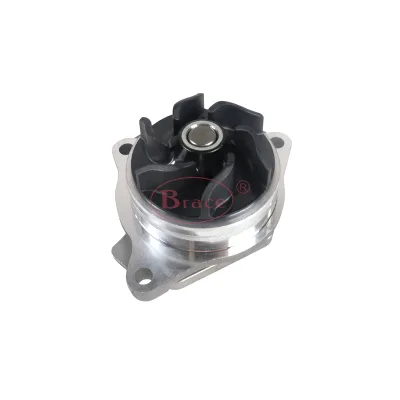
Auto Cooling System Engine Electronic Cooling Pump Car Water Pump for Audi A4
$26.25 - $30.00
MOQ: 10 Pieces




Comprehensive Sourcing Guide
Automotive Cooling System Fuel Pump Sourcing Guide
Procuring components for automotive cooling systems and fuel delivery requires precise alignment between mechanical design and thermal management needs. Buyers must distinguish between primary cooling pumps, which circulate coolant through the engine block, and auxiliary pumps that manage heat in radiators or cabin heaters. The supplied data indicates a market presence for electric water pumps and centrifugal assemblies, often driven by DC motors. Understanding the specific role of each pump within the vehicle’s thermal loop is essential before initiating supplier outreach. Misidentifying the pump type can lead to incompatible flow rates or pressure mismatches that compromise engine longevity.
Sourcing decisions should also account for the diverse structural configurations observed in current listings. Products range from single-stage centrifugal pumps to sealed submersible units, each serving distinct operational environments. The presence of double-deck designs and center mufflers in some listings suggests a broader category of fluid handling equipment that may overlap with cooling applications. Buyers need to carefully filter these listings to isolate true automotive cooling components. This filtering process ensures that the selected supplier specializes in the exact pump architecture required for the target vehicle platform, avoiding generic industrial pumps that lack automotive-grade durability.
Product Scope and Observed Listing Signals
The current market landscape reveals a wide variance in product specifications, ranging from low-cost circulating pumps to high-pressure industrial units. Observed price points span from $0.10 to $3,000, reflecting differences in material quality, motor type, and certification levels. Minimum order quantities typically range from 1 to 1,000 units, allowing flexibility for both prototype testing and mass production runs. Buyers should note that the term "fuel pump" in some listings may refer to coolant circulation pumps, as the data heavily emphasizes water pump applications. Clarifying the exact fluid medium and pressure requirements is critical to avoid purchasing incorrect hardware.
Listing attributes highlight several key technical differentiators that influence procurement strategy. Many products feature silver steel construction with IP68 protection levels, indicating suitability for wet or submerged environments. Motor types vary from DC brushless to standard DC motors, with voltage options including 12V and 24V DC systems. These electrical specifications must match the vehicle’s power distribution network. Additionally, the availability of customization and OEM packing suggests that many suppliers are prepared to handle branded orders. Buyers should leverage these signals to identify suppliers capable of meeting specific branding and technical integration needs.
Technical Specifications to Verify
Verifying the pump’s theoretical design is the first step in technical validation. The data indicates a prevalence of centrifugal pump theories, which are standard for automotive cooling applications due to their high flow rates and smooth operation. Buyers must confirm whether the pump is a single-stage or multi-stage design, as this directly impacts the maximum head pressure achievable. For applications requiring high pressure, such as turbocharged engines, a positive-displacement mechanism might be necessary, although the observed listings predominantly feature centrifugal types. Ensuring the impeller type, such as open or closed, matches the coolant’s cleanliness is vital to prevent clogging.
Electrical and performance parameters require rigorous cross-checking against vehicle schematics. The observed voltage range of 12V to 24V DC covers most light and heavy-duty vehicles, but the exact current draw must be verified. Motor types like BLDC offer efficiency benefits, while standard DC motors may be more cost-effective. Buyers should also inspect the service life claims, with some listings citing 30,000 hours, and validate these figures through independent testing or supplier documentation. The working pressure classification, noted as high-pressure in some contexts, must be matched to the system’s maximum operating pressure to prevent seal failure or impeller damage.
Compliance and Safety Documentation
Certification status is a non-negotiable aspect of automotive component sourcing. The supplied facts list CCC, CE, and RoHS certifications, which are essential for market access in various regions. Buyers must verify that these certifications are current and apply specifically to the model being ordered, as certifications can sometimes be generic across a supplier’s catalog. For automotive applications, additional standards such as ISO9001 and IATF16949 are critical indicators of quality management systems. These standards ensure that the manufacturing process adheres to strict automotive industry requirements, reducing the risk of batch defects.
Safety and environmental compliance extend beyond basic certifications. The IP68 protection level observed in several listings indicates robust sealing against dust and water immersion, a key safety feature for under-hood or submerged applications. Buyers should request test reports that validate these protection levels under dynamic conditions, not just static ones. Furthermore, the use of steel materials and specific surface finishes must be documented to ensure corrosion resistance. Understanding the full scope of compliance documentation helps buyers avoid regulatory hurdles during vehicle homologation and ensures long-term reliability in harsh operating environments.
Cost Drivers and Commercial Terms
Price variations in the automotive cooling pump market are driven by material costs, motor technology, and certification overhead. Steel construction and DC brushless motors typically command higher prices due to their durability and efficiency. Buyers should analyze the cost per unit against the expected service life to determine the true total cost of ownership. Low MOQs allow for smaller initial investments but may result in higher per-unit costs. Conversely, larger orders often unlock volume discounts but require accurate demand forecasting to avoid inventory obsolescence.
Commercial terms such as packing and customization options also impact the final landed cost. Standard export packing is common, but OEM packing may incur additional fees. The availability of customization allows for tailored solutions but can increase lead times and setup costs. Buyers should negotiate clear terms regarding warranty periods and return policies for defective units. Understanding the supplier’s flexibility in handling client-specific requests can provide a competitive advantage in product differentiation. Clear communication of these terms early in the sourcing process prevents unexpected expenses during production.
Supplier Qualification and Quality Control
Supplier qualification begins with verifying their origin and manufacturing capabilities. The data indicates a concentration of suppliers in Zhejiang, China, a hub for automotive component manufacturing. Buyers should assess the supplier’s production capacity and quality control processes to ensure consistency. Requesting samples for rigorous testing is a standard practice to validate performance claims. Suppliers offering OEM services should demonstrate their ability to maintain strict tolerances and material specifications.
Quality control extends to the verification of product standards and certifications. Buyers should audit the supplier’s adherence to ISO9001 and IATF16949 standards if claimed. Regular quality audits and third-party inspections can help maintain high standards. The observed "too many specs" and "some different specs" notes suggest a need for clear specification sheets to avoid ambiguity. Establishing a robust quality control framework with the supplier ensures that every batch meets the required performance and safety criteria, reducing the risk of field failures.
Long-Term Procurement Checks
Long-term procurement success depends on continuous monitoring of supplier performance and product reliability. Buyers should track key metrics such as defect rates, delivery times, and response to technical queries. Regular reviews of supplier certifications ensure they remain valid and up-to-date. The automotive industry’s evolving standards require suppliers to adapt quickly, so maintaining a close relationship with key suppliers is beneficial. Buyers should also stay informed about technological advancements in pump design, such as more efficient motor types or improved materials.
Supply chain resilience is another critical factor. Diversifying the supplier base can mitigate risks associated with single-source dependencies. Buyers should evaluate the supplier’s ability to scale production during demand spikes. The observed customization options suggest that suppliers are flexible, but buyers must ensure that these capabilities do not compromise quality. Regularly updating technical specifications and requirements helps keep the procurement process aligned with the latest vehicle designs. This proactive approach ensures a steady supply of high-quality components that meet the evolving needs of the automotive market.
FAQs
What certifications are available for automotive cooling system fuel pumps?
Available certifications include CCC, CE, and RoHS. These standards ensure compliance with international safety and environmental regulations. Some products also meet ISO9001, IATF16949, and ISOCold requirements. Buyers should verify specific documentation with suppliers to confirm that the listed certifications apply to the exact model and batch being ordered for their region.
Can automotive cooling system fuel pumps be customized for specific vehicles?
Yes, customization is available for many models. Suppliers offer OEM packing and standard export options to meet specific client requests. Products like the WP-002 and DC60D allow for tailored specifications. Buyers should provide exact vehicle details or OE numbers, such as 06h121010, to ensure direct replacement compatibility and proper fitment for their engine type.
Which specifications define the structure of these water pumps?
Common structures include single-stage pumps, sealed types, and centrifugal designs. Models like the TA50 feature a double deck and center muffler. The DC80D operates as a high-pressure circulating pump with an open impeller. These structural attributes determine the pump's efficiency, durability, and suitability for specific automotive cooling or air conditioning applications.
What is the typical service life of these electric pumps?
The typical service life is approximately 30,000 hours. This duration applies to electric pumps operating under standard conditions. Factors like voltage stability, typically 12V or 24V DC, and proper installation affect longevity. Buyers should consider this lifespan when calculating total cost of ownership and maintenance schedules for fleet vehicles or industrial cooling systems.
Where are these automotive cooling system pumps manufactured?
These pumps are primarily manufactured in Zhejiang, China. The origin is listed as China for various models including the uf-15 and DC80D. Buyers should verify the specific factory location and production capabilities during sourcing. Understanding the origin helps in assessing logistics costs, lead times, and compliance with regional trade regulations for imported automotive components.
What is the minimum order quantity for these pumps?
The minimum order quantity ranges from 1 to 1000 units. This flexibility allows both small-scale repairs and large fleet procurement. Buyers can often negotiate MOQs based on customization needs or packaging requirements. It is advisable to confirm the exact MOQ with the supplier, as it may vary depending on the specific model, certification, and current production capacity.