Source Forestry Wood Cutter Log Saw for Tree Felling, Log Waste, and Excavator Use
Find 30 verified Forestry Wood Cutter Log Saw options designed for tree felling, processing log waste, and mounting on excavators. Buyers can compare hydraulic specifications, cutting diameters, and customization features from suppliers in Shandong, China.
Key considerations
Products List

Forestry Logging Wood Log Cutting Grapple Saw for Excavator Wood Cutting Saw
$1500.00 - $2500.00
MOQ: 1 Pieces


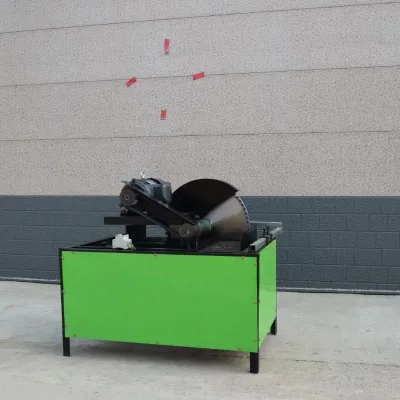


Hydraulic Log Grapple Saw for Timber Harvesting Tree Cutting Forestry Machine
$4199.00 - $5499.00
MOQ: 1 Pieces


550kg Grapple Saw for Forestry Machinery Tree Pruning Log Loading Cutting
$4199.00 - $5499.00
MOQ: 1 Pieces

Rotating Grapple Saw for Timber Cutting 450kg Tree Removal Forestry Loader
$4199.00 - $5499.00
MOQ: 1 Pieces


1300mm High Efficiency Multi Blade Log Cutting Saw Timber Woodworking Machine
$1500.00 - $12500.00
MOQ: 1 Pieces

High Efficiency Wooden Board Log Cutting Woodworking Circular Saw Machine
$1999.00 - $2000.00
MOQ: 1 Pieces

High Efficiency Woodworking Square Log Lumber Cutting Circular Saw Machine
$1999.00 - $2000.00
MOQ: 1 Pieces

Energy Saving Log and Timber Cutting Woodworking Circular Saw Machine
$1999.00 - $2000.00
MOQ: 1 Pieces


Log Multi Blade Saw Machine Woodworking Machinery Cutting Machine Saw
$8900.00 - $12500.00
MOQ: 1 Pieces


Forestry Tree Multi Blade Circular Saw Wood Log Gang Rip Saw Machine
$9900.00 - $12500.00
MOQ: 1 Pieces

Woodworking Log Multi Blade Saw Machine Circular Sawmill Wood Cutting Machine
$9900.00 - $12500.00
MOQ: 1 Pieces


Comprehensive Sourcing Guide
Strategic Sourcing Guide for Forestry Wood Cutters and Log Saw Systems
Understanding the Core Product Landscape and Technical Variations
The global market for forestry wood cutters and log saw systems is characterized by a diverse range of specialized machinery designed to handle the rigorous demands of timber harvesting, waste management, and land clearing. When researching the core keyword "Forestry Wood Cutter Log Saw," buyers must first distinguish between the primary operational categories available in the supply chain. The observed product landscape includes dedicated units such as the "Wood Chipper" and more specialized attachments like the "Tree Saw for a Digging Machine" and the "Grapple Saw." These variations are not merely cosmetic; they represent distinct engineering approaches to the same fundamental task of cutting wood.
A critical technical distinction lies in the power source and integration method. While some units in the market are described with a "Gasoline" power source, the majority of heavy-duty forestry equipment, particularly those designed for excavator integration, operate on a "Hydraulic" power type. This hydraulic dependency dictates the interface requirements with the host machinery. For instance, specific models like the "PLE" and "GS500" series are engineered to function as attachments, relying on the hydraulic system of an excavator to drive the cutting mechanism. The "Excavator Saw Head" serves as a prime example of this integration, where the saw head is mounted onto a standard digging machine to transform it into a high-efficiency log cutter.
The physical capabilities of these machines vary significantly based on the intended application. Buyers should note that specifications for "Max. Cutting Diameter" can range from 100-200mm for smaller, more agile units to 500mm for heavy-duty industrial models. The "GS500" model, for example, is explicitly noted for a cutting diameter of 500mm, indicating its suitability for processing large timber logs. Conversely, other units may be optimized for "Cutting Forestry Wood Log Waste," focusing on efficiency rather than maximum diameter. The material composition is another vital technical factor; high-strength steel such as "Q345b" is commonly cited as the construction material, ensuring durability against the abrasive nature of wood and the high stresses of hydraulic operation.
Compliance, Certification, and Operational Standards
Navigating the regulatory landscape is a paramount concern for international procurement of forestry machinery. Compliance ensures that the equipment meets safety standards and can be legally operated in various jurisdictions. The supply chain for these products frequently references specific certifications, with "CE" marking appearing as a standard compliance indicator for European markets. Some listings also mention "EPA" certification, which is critical for equipment intended for use in North America, particularly regarding emissions and noise levels.
However, buyers must exercise caution when interpreting certification claims. While "CE" and "EPA" are observed in product descriptions, the verification of these statuses should always be confirmed through official documentation provided by the manufacturer. The absence of a specific certification in a listing does not necessarily imply non-compliance, but the presence of a claim requires validation. Beyond certifications, the mechanical standards of the equipment are equally important. Specifications such as "200kg" or "500kg" appear in product data, which may refer to weight standards or load capacities, though the exact context requires clarification with the supplier.
Operational standards also encompass the hydraulic requirements necessary for the machine to function safely. The "Working Pressure" for these hydraulic systems is a critical parameter, with observed ranges falling between 21-28MPa. The "Max. Working Pressure" is often capped at 25MPa for specific models, which dictates the hydraulic pump capacity required on the host excavator. Furthermore, the "Min. Oil Flow" is typically specified as 35-60L/Min, ensuring that the hydraulic motor receives sufficient fluid volume to maintain cutting speed and torque. Buyers must verify that their existing fleet or planned excavator purchases can meet these hydraulic demands to avoid operational failures or safety hazards.
Cost Drivers and Pricing Structure Analysis
The pricing of forestry wood cutters and log saw systems is influenced by a complex interplay of factors, including material costs, hydraulic complexity, and customization options. The observed listed price range for these products spans from 500 to 15,000 USD, reflecting the vast difference between small attachments and fully integrated, high-capacity systems. This wide variance suggests that cost is not a linear function of size alone but is heavily dependent on the specific configuration and features included.
Several key drivers contribute to the final cost. The "Material" used, such as the high-grade "Q345b" steel, directly impacts the base price due to the cost of raw materials and the processing required to form heavy-duty components. Additionally, the inclusion of "Core Components" like the "Engine" and "Blade" adds significant value and cost. Models that feature advanced "Key Selling Points" such as "Remote Monitoring" capabilities will naturally command a higher price point compared to basic mechanical units.
Customization is another major cost factor. The product attributes indicate that "Customization" is available, and "Color" is often "Customizable" or "Customized." These bespoke options, which may include specific branding, color schemes, or tailored mounting interfaces, increase the manufacturing complexity and time, thereby raising the unit price. The "Product Packing" method also influences logistics costs; options range from "Wood Box" to "Iron Pallet" or "Iron Frame," with heavier, more robust packaging solutions typically incurring higher shipping and handling fees.
Buyers should also consider the "MOQ" (Minimum Order Quantity) when calculating total project costs. The observed MOQ range is between 1 and 5 units. For smaller operations, an MOQ of 1 allows for single-unit procurement, which can be advantageous for testing or small-scale projects. However, for larger fleets, negotiating based on higher volumes within the 1-5 range may yield better per-unit pricing. It is essential to note that while price ranges are observed, specific pricing is dynamic and dependent on current market conditions, raw material availability, and the specific configuration selected by the buyer.
Typical Applications and Operational Scenarios
The versatility of forestry wood cutters and log saw systems allows them to be deployed across a wide spectrum of applications, from heavy industrial logging to municipal waste management. The primary "Use" cases identified in the market include "Cutting Wood," "Tree Cutter" operations, and the processing of "Log Waste." The "Application" field often specifies "Cutting Forestry Wood Log Waste," highlighting the machine's role in clearing debris and managing timber byproducts efficiently.
One of the most common applications is the integration of these saws with excavators. The "Excavator Saw Head" and "Grapple Saw" are designed to be mounted on standard digging machines, transforming them into powerful log cutting tools. This application is particularly valuable in forestry operations where the mobility of an excavator is required to access difficult terrain. The "Max Opening" of 1600mm on certain models indicates a capacity to handle large, irregularly shaped logs, making them suitable for processing timber that has not been pre-sorted or cut to standard dimensions.
In addition to forestry, these machines are utilized in land clearing and demolition projects. The ability to cut through large diameter logs, up to 500mm, makes them ideal for clearing land for construction or infrastructure development. The "Condition" of the products is typically listed as "New," ensuring that buyers receive equipment ready for immediate deployment in demanding environments. The "Video Inspection" feature and "Machinery Test Report" availability further support the verification of performance in these specific application scenarios, giving buyers confidence that the machine can handle the intended workload.
Supplier Evaluation and Quality Assurance Protocols
Evaluating suppliers for forestry wood cutters requires a rigorous approach to ensure reliability and product quality. The "Place of Origin" for many of these products is identified as "Shandong, China," a region known for its manufacturing capabilities in heavy machinery. However, the geographic origin alone is not a sufficient metric for supplier selection. Buyers should prioritize suppliers who provide comprehensive "After Warranty Service," such as "Video Technical Support" and "Online Support," which are critical for maintaining operational continuity in remote forestry locations.
Quality assurance is another critical area of evaluation. The availability of a "Machinery Test Report" is a strong indicator of a supplier's commitment to quality control. This document should provide detailed data on the machine's performance under load, verifying that the hydraulic pressure, cutting diameter, and structural integrity meet the specified standards. Additionally, the "Warranty" period, often listed as "1 Year," serves as a baseline for the supplier's confidence in their product. Buyers should seek to negotiate extended warranty terms or comprehensive service agreements that cover critical components like the "Engine" and "Blade."
The "Video Inspection" capability is a valuable tool for remote evaluation. This feature allows buyers to visually inspect the machine's construction, finish, and assembly before making a purchase decision. It helps verify claims regarding the "Material" quality and the "Core Components" used. Furthermore, suppliers who offer "Customization" services demonstrate flexibility and a customer-centric approach, which is essential for meeting specific operational requirements. Buyers should request detailed specifications and performance data for any customized features to ensure they align with the intended application.
Long-Term Procurement and Maintenance Considerations
Sourcing forestry wood cutters is not just a one-time transaction but a long-term investment that requires careful planning for maintenance and lifecycle management. The "Condition" of the machine, typically "New," is the starting point, but the long-term value depends on the availability of spare parts and the ease of maintenance. The "Core Components" such as the "Engine" and "Blade" are subject to wear and tear and should be easily replaceable. Buyers should inquire about the availability of replacement parts and the lead times for their delivery to minimize downtime.
The "Hydraulic Rotator" and other moving parts are critical components that require regular maintenance. The "Hydraulic Rotator" capacity, often listed as "5ton," indicates the load handling capability, but the longevity of this component depends on the quality of the hydraulic fluid and the maintenance schedule. Buyers should establish a maintenance protocol that includes regular checks of the "Working Pressure" and "Min. Oil Flow" to ensure optimal performance. The "Chain" specifications, such as the "404.080.92dl" with a specific length and knot count, also require attention to ensure they are replaced when worn to maintain cutting efficiency and safety.
Finally, the "Product Packing" method plays a role in long-term storage and transportation. Options like "Iron Pallet" or "Iron Frame" offer superior protection for the machine during transit and storage, reducing the risk of damage. Buyers should consider the storage environment and ensure that the packaging provides adequate protection against the elements. By focusing on these long-term considerations, buyers can ensure that their investment in forestry wood cutters and log saw systems delivers sustained value and operational efficiency over the life of the equipment.
FAQs
What is the maximum cutting diameter for these log saws?
The maximum cutting diameter ranges from 100 to 200mm for smaller units and up to 500mm for heavy-duty models like the GS500. Buyers should verify the specific model requirements to ensure the machine handles their target log sizes effectively.
Can these machines operate with standard excavators?
Yes, these units function as hydraulic attachments designed for integration with excavators. They require a minimum oil flow of 35 to 60 liters per minute and a working pressure between 21 and 28 MPa to operate safely and efficiently.
Which certifications are available for these forestry cutters?
Some models carry CE certification for European compliance and EPA certification for North American emissions standards. Buyers must request official documentation to verify these statuses as claims vary by specific product listing and manufacturer.
How is the product packed for international shipping?
Packaging options include wood boxes, iron pallets, or iron frames depending on the specific model and weight. Heavier steel components often require robust iron packaging to ensure structural integrity during transit and handling.
What is the minimum order quantity for these saws?
The minimum order quantity ranges from one to five units, allowing for single-unit procurement or small batch orders. This flexibility supports both small-scale testing and larger fleet deployments without requiring massive initial inventory.
Can the color and features be customized for buyers?
Customization is available for color and specific operational features to meet unique project requirements. Buyers should confirm the scope of customization with the supplier to understand any impact on lead time or final pricing.
What warranty and support services are provided?
Most units come with a one-year warranty and include video technical support or online assistance after the warranty period. This support structure helps maintain operational continuity in remote forestry locations where immediate physical service may be unavailable.