Source Washable Plush Floor Mat for Home Hotel Kitchen
Compare 30 listings of Washable Plush Floor Mat featuring memory foam, PE foam, and microfiber materials. Buyers can evaluate woven and knitted options with anti-slip and antimicrobial properties for home, hotel, and kitchen applications.
Key considerations
Products List


Plush Solid Color Bathroom Floor Mat with Personalized Branding Options
$1.48 - $1.53
MOQ: 1000 Pieces

Premium Washable Bath Mat - Plush, Waterproof Comfort for Every Bathroom
$2.00 - $2.50
MOQ: 1000 Pieces

Soft Plush Floor Rug Machine Washable Fluffy Mat for Bathroom Living Room
$0.58 - $4.00
MOQ: 5000 Pieces


Multicolored Short Plush Chenille Water-Absorbing and Anti-Slip Floor Mat
$7.57 - $10.60
MOQ: 500 Pieces
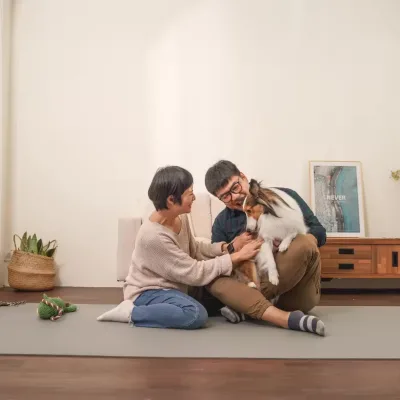




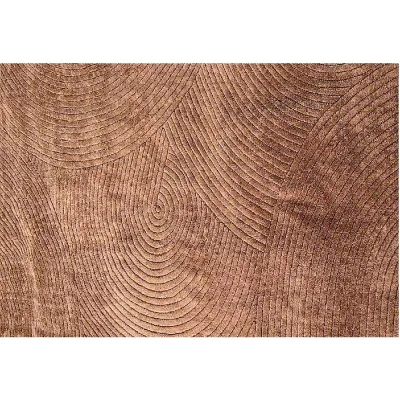

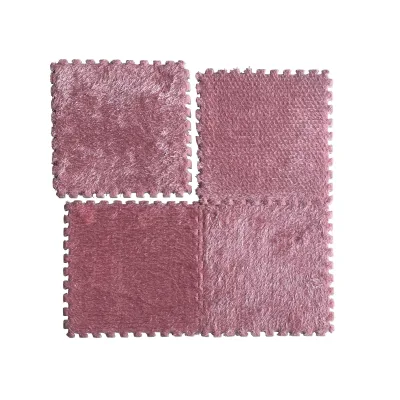
Durable Stain-Resistant Plush Jacquard Floor Mat with Thickened Anti-Slip Feature
$4.40 - $5.50
MOQ: 500 Square Meters


Comprehensive Sourcing Guide
Strategic Sourcing Guide for Washable Plush Floor Mats
Understanding Product Variants and Technical Specifications
When sourcing washable plush floor mats, buyers must first navigate a complex landscape of technical specifications that define the product's utility and durability. The market offers distinct variations in material composition, filling types, and construction methods, all of which directly impact the final performance of the item. Based on available market data, the primary material categories include 100% Polyester and Microfiber, with some variants utilizing EVA (Ethylene Vinyl Acetate) for specific applications. The choice of material dictates the tactile experience and the cleaning requirements; for instance, Microfiber and Polyester options are frequently associated with a soft, plush feel, while EVA variants often prioritize cushioning and water resistance.
Construction techniques are equally critical. The observed product attributes reveal a split between woven and knitted technologies. Woven mats, often featuring a rectangular shape and plain or printed patterns, provide structural stability and are commonly found in high-traffic areas like hotels and offices. Conversely, knitted options, such as those described with a "Chenille Plush" finish, offer a softer texture suitable for residential living rooms and bedrooms. The filling material is another decisive factor; memory foam is utilized for superior comfort and shape retention, whereas PE foam (Polyethylene) provides a lighter, more cost-effective cushioning solution. Buyers should verify the specific filling type for each order, as this influences the mat's ability to return to its original form after compression.
The dimensions of these mats vary significantly to suit different installation locations. Standard sizes observed in the market include 40x60 cm, 50x76 cm, and 80x50 cm, with many suppliers offering fully customized dimensions to meet specific architectural needs. The shape is predominantly rectangular, though square options exist for specific design aesthetics. The product form is generally categorized as a carpet or floor mat, designed for installation on the floor in areas such as living rooms, kitchens, bathrooms, and hotel corridors. Understanding these technical baselines is essential before engaging with suppliers, as the "washable" attribute must be validated against the specific material and construction method chosen.
Compliance, Certification, and Safety Verification
Ensuring that washable plush floor mats meet safety and environmental standards is a paramount concern for B2B buyers, particularly when supplying hospitality, healthcare, or residential projects. While the provided data does not explicitly confirm specific certification statuses for every listed product, it highlights the presence of OEKO-TEX as a relevant standard in the broader category. Buyers should not assume that a product is OEKO-TEX certified unless the supplier provides a valid, current certificate for the specific batch. Instead, the procurement strategy must include a rigorous verification process where the supplier is required to submit proof of compliance with relevant chemical safety standards.
Safety verification extends beyond chemical certifications to include functional performance claims. Attributes such as "Anti-Slip," "Non-slip," and "Antimicrobial" are frequently listed in product descriptions. However, these claims require empirical validation. For mats intended for use in bathrooms or kitchens where water and spills are common, the anti-slip feature is critical for preventing accidents. Buyers must request test reports that demonstrate the coefficient of friction or specific anti-slip performance under wet conditions. Similarly, antimicrobial properties should be backed by third-party laboratory results confirming the mat's ability to inhibit bacterial growth, rather than relying solely on marketing assertions.
Cleaning method compatibility is another area requiring strict compliance checks. The attribute "Machine Washable" is a key selling point for washable mats, but the durability of this feature varies by material. Polyester and Microfiber mats are generally more resilient to machine washing than those with delicate memory foam fillings, which may degrade if exposed to high heat or aggressive agitation. Buyers should verify the specific care instructions provided by the manufacturer, including recommended water temperatures and drying methods. Furthermore, the presence of washing labels and hang tags in the packaging indicates a commitment to providing clear usage instructions, which is a positive indicator of a supplier's attention to detail and regulatory compliance regarding product labeling.
Cost Drivers and Pricing Dynamics
The pricing structure for washable plush floor mats is influenced by a combination of material costs, customization levels, and order volume. The observed price range in the market spans from $0.38 to $21.50 per unit, a wide disparity that reflects the diversity in product quality and specification. The lower end of the spectrum typically corresponds to basic EVA or PE foam mats with standard dimensions and minimal customization. In contrast, the higher price points are associated with premium materials like 100% Polyester with memory foam filling, custom printing, and specialized anti-slip treatments.
Order volume plays a significant role in determining the final unit cost. The Minimum Order Quantity (MOQ) for these products varies, with a common baseline of 1,000 units for customized orders, though some suppliers may accept orders as low as 1 unit for sample or trial purposes. Bulk purchasing allows buyers to negotiate better rates, but the cost per unit will still fluctuate based on the complexity of the design. Customization is a major cost driver; options such as custom logos, specific color requests, and tailored dimensions (e.g., 60x90 cm or 70x140 cm) add to the production complexity and material waste, thereby increasing the price.
Packaging and logistics also contribute to the overall cost structure. Products are typically packed in cartons or woven bags, with some utilizing OPP bags for smaller items. The inclusion of washing labels and hang tags adds a minor but cumulative cost. Buyers should be aware that the "Carton" packing method is standard for larger orders to ensure protection during transit, while "Wovenbag" options might be used for more compact shipments. When evaluating cost, it is essential to look beyond the unit price and consider the total landed cost, which includes packaging, shipping, and any potential duties. The observed MOQ of 1,000 units suggests that small buyers may face higher per-unit costs unless they can consolidate orders or find suppliers with lower volume thresholds.
Typical Applications and Usage Scenarios
Washable plush floor mats are versatile products designed to meet the needs of a wide array of environments, from residential homes to commercial establishments. The primary usage categories identified in the market include Home, Hotel, Car, Seat, and Kitchen. In residential settings, these mats are commonly installed in living rooms, bedrooms, and kitchens to provide comfort and absorb moisture. The "Modern" design and "Plain" or "Printed" patterns allow them to blend seamlessly with various interior decors. For bathrooms and kitchens, the "Anti-Slip" and "Washable" features are particularly valuable, ensuring safety and hygiene in high-moisture areas.
Commercial applications are equally significant. Hotels and offices often require floor mats that can withstand heavy foot traffic while maintaining a professional appearance. The "Memory Foam" filling and "Woven" construction make these mats ideal for hotel lobbies and corridors, where durability and comfort are essential. The ability to customize the logo and color allows businesses to brand their spaces effectively. Additionally, the "Car" and "Seat" usage categories indicate that these mats can be adapted for automotive interiors, providing a layer of protection and comfort for vehicle occupants.
The installation location is a critical factor in selecting the right product. While most mats are designed for indoor use, some are specified for outdoor applications, requiring enhanced weather resistance and UV stability. The "Multicolor Pattern" and "Chenille Plush" finishes are particularly popular for creating a welcoming atmosphere in entryways and lounges. Buyers should carefully match the product's features to the specific demands of the intended location. For instance, a mat with "Antimicrobial" properties is essential for healthcare facilities or kitchens, while a "Cushioned" mat is preferable for areas where people stand for extended periods. Understanding these application nuances ensures that the selected product delivers optimal performance in its specific environment.
Supplier Evaluation and Quality Control Protocols
Selecting the right supplier for washable plush floor mats requires a thorough evaluation of their capabilities, production standards, and quality control measures. The geographic origin of the products, primarily from regions like Zhejiang and Jiangsu in China, suggests a mature manufacturing ecosystem with access to advanced textile and foam processing technologies. However, the presence of multiple suppliers with varying MOQs and product models necessitates a careful vetting process. Buyers should prioritize suppliers who demonstrate transparency in their production processes and are willing to provide detailed product specifications.
Quality control is paramount to ensuring that the delivered mats meet the agreed-upon standards. Buyers should implement a multi-stage quality assurance protocol that includes pre-production sample approval, in-process inspections, and final random inspections. Key quality checkpoints include verifying the material composition (e.g., confirming 100% Polyester or Microfiber), checking the integrity of the filling (Memory Foam vs. PE Foam), and testing the washability of the product. The "Woven" and "Knitted" construction methods should be inspected for consistency in weave density and pattern alignment. Additionally, the durability of the anti-slip backing and the stability of the printed designs must be tested to prevent premature wear and tear.
Communication and responsiveness are also critical indicators of a reliable supplier. A supplier that offers customization options, such as custom logos and sizes, should be able to provide clear timelines and technical support throughout the production cycle. Buyers should request a detailed breakdown of the production process, including the lead times for different order sizes and the procedures for handling defects. The presence of specific product models, such as "25ZO0002" or "CFMR101," indicates a structured product line, which can be a positive sign of a supplier's organizational maturity. By maintaining a rigorous evaluation framework, buyers can mitigate risks and ensure a steady supply of high-quality washable plush floor mats.
Long-Term Procurement and Relationship Management
Establishing a long-term procurement strategy for washable plush floor mats involves more than just securing a single order; it requires building a sustainable relationship with suppliers that can adapt to changing market demands. The ability to customize products, as evidenced by the "Customer's Request" color options and "Customized Logo" capabilities, is a significant advantage for buyers looking to differentiate their offerings. However, maintaining this flexibility over time requires clear communication channels and a mutual understanding of quality expectations.
Buyers should focus on developing a partnership model that encourages continuous improvement and innovation. This includes regular reviews of product performance, feedback on customer satisfaction, and joint efforts to optimize the supply chain. For instance, if a particular model consistently receives positive feedback for its "Machine Washable" feature, the buyer and supplier can collaborate to expand this line or introduce new variations. Conversely, if issues arise with specific materials or construction methods, the supplier should be proactive in offering alternatives or improvements.
Sustainability and ethical sourcing are increasingly important considerations in long-term procurement. While the provided data does not explicitly detail environmental policies, buyers should inquire about the supplier's practices regarding material sourcing, waste management, and labor conditions. The use of OEKO-TEX or similar standards, if applicable, can serve as a benchmark for environmental and social responsibility. By prioritizing suppliers who align with these values, buyers can enhance their brand reputation and ensure compliance with evolving regulatory requirements. Ultimately, a strategic approach to procurement that balances cost, quality, and sustainability will yield the best results for both the buyer and the supplier in the long run.
FAQs
What materials are used for washable plush floor mats?
Common materials include 100% Polyester and Microfiber, with some variants using EVA. The choice affects texture and cleaning needs, as Polyester and Microfiber offer a soft feel while EVA prioritizes cushioning.
Can these mats be customized with specific sizes and logos?
Yes, customization is available for sizes like 40x60 cm or 50x76 cm, and custom logos can be added. Buyers should verify specific dimensions and logo requirements with the supplier before ordering.
How are these mats typically packed for shipping?
Products are usually packed in cartons or woven bags, with some smaller items in OPP bags. Washing labels and hang tags are often included to provide clear usage instructions and care details.
Which features make these mats suitable for bathrooms?
Features like anti-slip, antimicrobial, and washable properties make them suitable for bathrooms. These attributes ensure safety and hygiene in high-moisture areas where water and spills are common.
What is the minimum order quantity for customized mats?
The standard minimum order quantity is 1,000 units for customized orders. Some suppliers may accept lower quantities for samples, but bulk purchasing is generally required for custom specifications.
Are these mats suitable for use in hotels and offices?
Yes, they are designed for use in hotels, offices, and homes. The durable woven construction and memory foam filling make them ideal for high-traffic commercial areas requiring comfort and stability.