Source Forged Oil Well Power Tong for Drilling, Mining, and Geothermal
Compare 30 listings for Forged Oil Well Power Tong from verified Chinese manufacturers. Buyers can evaluate specifications like material, size, and customization options for oilfield drilling, gas and water well operations, and mining applications; compare the available evidence and request quotations based on your requirements.
Key considerations
Products List

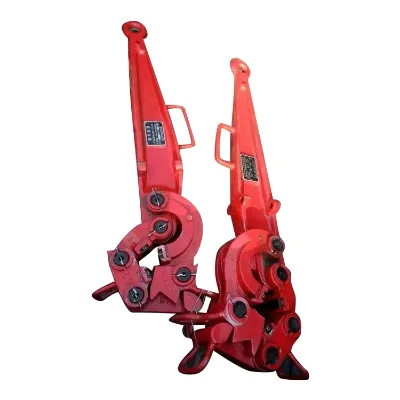
Oil Drilling Equipment of Drill Tong Power Tong with Good Quality From China
$1200.00 - $1250.00
MOQ: 10 pieces


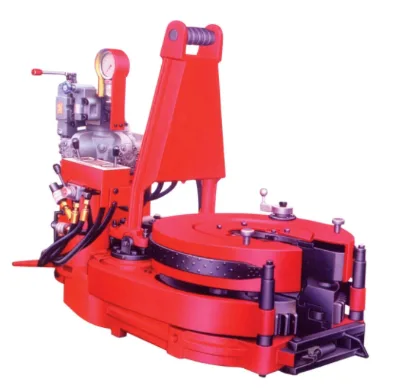
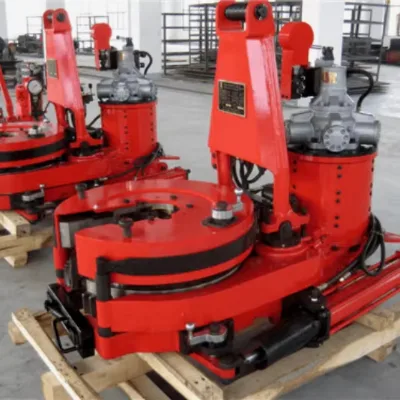


Tq Oil Drilling Casing Power Tongs/Hydraulic Power Tongs/Tubing Power Tongs
$1000.00 - $10000.00
MOQ: 1 Sets


Comprehensive Sourcing Guide
Forged Oil Well Power Tong Sourcing Guide
Procuring Forged Oil Well Power Tong equipment requires a disciplined approach to verifying material integrity and manufacturing precision. Buyers must prioritize suppliers who demonstrate transparent forging processes, as this method ensures superior grain structure and mechanical strength compared to cast alternatives. The observed market data indicates a wide price range, reflecting variations in alloy composition, surface treatment quality, and customization capabilities. Sourcing teams should focus on suppliers who provide detailed material certifications and video outgoing inspections to validate the physical condition of the tools before shipment.
The operational environment for these tools is demanding, often involving atmospheric pressure drilling conditions in oilfield applications. Consequently, the selection process must emphasize durability and resistance to wear, particularly for components like drill bits and casing circulating heads. Buyers should verify that the supplier offers customization options for size and model specifications, as standard dimensions may not fit all well drilling requirements. Understanding the specific application, whether for gas, water, mining, or geothermal wells, is critical to selecting the correct tool configuration and ensuring optimal performance in the field.
Product Scope and Observed Listing Signals
The current market landscape for Forged Oil Well Power Tong components reveals a diverse array of product types, including drill bits, flanges, pistons, and dies. Listings indicate that materials commonly used include alloy, carbide, stainless steel, and ceramic, each selected for specific wear resistance and strength properties. The observed minimum order quantities are low, often starting at one piece, which facilitates trial orders and reduces initial procurement risk for new buyers. This flexibility allows procurement teams to test supplier reliability and product quality before committing to larger volume purchases.
Surface treatments vary significantly, with options ranging from spray-paint finishes to untreated surfaces, impacting corrosion resistance and maintenance requirements. The observed weight of products varies, with some items weighing up to 233kg, necessitating careful logistics planning and appropriate packaging solutions. Wooden box or case packing is standard, ensuring protection during transit to global markets such as Canada, the USA, the Middle East, Africa, and Europe. Buyers should carefully review the single package dimensions and gross weight to calculate accurate freight costs and ensure compatibility with their receiving facilities.
Technical Specifications to Verify
Verifying the technical specifications of forged components is essential to ensure compatibility with existing drilling equipment. Buyers must confirm the exact size ranges, which can span from 2-3/8" to 20" for certain casing components, to match the wellbore diameter. The model specifications should be explicitly defined as "as per request," allowing for tailored solutions that meet unique operational parameters. It is crucial to verify the dimension accuracy, as deviations can lead to installation failures or inefficient drilling operations, potentially causing costly downtime in the field.
The core components, such as pressure vessels, must be inspected for structural integrity and adherence to design standards. Buyers should request detailed drawings and material test reports to verify that the alloy composition meets the required tensile strength and hardness values. The manufacturing process, specifically forging, should be confirmed to ensure that the grain flow aligns with the stress points of the tool. Additionally, verifying the single gross weight and package size helps in planning storage and handling procedures, ensuring that the heavy components are managed safely and efficiently upon arrival.
Compliance and Safety Documentation
Compliance with industry standards is non-negotiable for oilfield drilling tools, particularly those operating under API 7K certification requirements. Buyers must ensure that the supplier provides valid certification documents that verify the product meets international safety and performance benchmarks. The absence of proper certification can lead to regulatory issues and increased liability in the event of equipment failure. It is advisable to request copies of the certification and verify their authenticity with the issuing body to maintain compliance with global drilling regulations.
Safety documentation should also include detailed operating manuals and maintenance guidelines to ensure proper use and longevity of the tools. Buyers should verify that the supplier provides video outgoing inspections, which offer visual proof of the product's condition before shipment. This step is critical for identifying any potential defects or damage that may have occurred during manufacturing or packaging. Ensuring that all safety and compliance documents are complete and accurate helps mitigate risks and ensures that the equipment can be deployed confidently in demanding drilling environments.
Cost Drivers and Commercial Terms
The cost of Forged Oil Well Power Tong components is influenced by several factors, including material costs, manufacturing complexity, and customization requirements. The observed price range of 40 to 25,566.17 USD reflects the diversity in product types and specifications. Buyers should analyze the cost breakdown to understand the value proposition of each supplier, considering factors such as material quality, surface treatment, and warranty terms. A lower price may indicate compromises in material grade or manufacturing precision, which can lead to higher long-term costs due to frequent replacements.
Commercial terms, including lead time and warranty, are critical components of the procurement decision. The observed lead time of one week suggests efficient production capabilities, but buyers should confirm this with the supplier to avoid delays in project timelines. A warranty period of three months provides some protection against early failures, but buyers should negotiate extended warranty terms for high-value components. Understanding the payment terms and return policies is also essential to manage financial risk and ensure that the supplier is committed to product quality and customer satisfaction.
Supplier Qualification and Quality Control
Supplier qualification is a critical step in the sourcing process, requiring a thorough assessment of the supplier's manufacturing capabilities and quality control systems. Buyers should verify the supplier's place of origin, with options available from Hebei and Shandong in China, to assess regional expertise and logistical advantages. The production capacity of 1000 pieces per month indicates a scalable operation, but buyers should confirm that the supplier can meet their specific volume requirements without compromising quality. Requesting references and conducting site audits can provide valuable insights into the supplier's operational efficiency and reliability.
Quality control measures should be rigorously evaluated to ensure that the forged components meet the required specifications. Buyers should inquire about the supplier's inspection processes, including material testing, dimensional checks, and surface treatment verification. The provision of video outgoing inspections is a positive indicator, but buyers should also request third-party inspection reports for added assurance. Establishing a clear communication channel with the supplier for addressing quality issues is essential to resolve any discrepancies promptly and maintain a productive business relationship.
Long-Term Procurement Checks
Long-term procurement success depends on establishing a robust supplier relationship and implementing continuous improvement strategies. Buyers should regularly review supplier performance metrics, including on-time delivery, product quality, and responsiveness to issues. Building a partnership with a reliable supplier can lead to better pricing, priority production, and access to new product innovations. It is important to conduct periodic audits and performance reviews to ensure that the supplier continues to meet the evolving needs of the drilling operations.
Supply chain resilience is another key consideration, requiring buyers to diversify their supplier base to mitigate risks associated with geopolitical or logistical disruptions. Maintaining a buffer stock of critical components can help prevent production stoppages in the event of supply chain delays. Buyers should also stay informed about industry trends and technological advancements to ensure that their procurement strategies remain competitive and aligned with best practices. Regularly updating the supplier qualification criteria and quality control processes will help maintain high standards and drive long-term value in the procurement of Forged Oil Well Power Tong components.
FAQs
Can I request custom dimensions for Forged Oil Well Power Tong?
Yes, you can request custom dimensions for Forged Oil Well Power Tong as the product size is listed as customized. The model is also available as per request, allowing buyers to specify exact requirements for their specific drilling applications without standard constraints.
What is the minimum order quantity for Forged Oil Well Power Tong?
The minimum order quantity for Forged Oil Well Power Tong is one piece. This low MOQ allows buyers to test the product quality or fulfill small project needs without committing to large bulk orders, making it accessible for various procurement scales.
Which certifications are available for Forged Oil Well Power Tong?
API 7K certification is available for Forged Oil Well Power Tong, ensuring compliance with industry standards for drilling equipment. This certification validates the product's safety and performance for use in demanding oilfield drilling environments where regulatory adherence is critical for operational success.
How long is the lead time for Forged Oil Well Power Tong?
The lead time for Forged Oil Well Power Tong is one week. This short production window enables buyers to receive their customized drilling tools quickly, facilitating faster project timelines and reducing delays associated with long manufacturing cycles for specialized industrial equipment.
What materials are used to make Forged Oil Well Power Tong?
Forged Oil Well Power Tong is manufactured using alloy, carbide, stainless steel, and ceramic materials. These robust materials ensure durability and resistance to harsh conditions, making the equipment suitable for heavy-duty applications in gas, water wells, and mining oil fields.
Can I get video inspection for Forged Oil Well Power Tong?
Yes, video outgoing inspection is provided for Forged Oil Well Power Tong before shipment. This service allows buyers to verify the product condition and quality remotely, ensuring that the equipment meets their specifications before it leaves the manufacturing facility in China.
What is the warranty period for Forged Oil Well Power Tong?
The warranty period for Forged Oil Well Power Tong is three months. This coverage provides buyers with assurance regarding the product's initial performance and reliability, offering protection against early defects while ensuring confidence in the purchased drilling tools for their operations.