Source White Plated Velvet Lampshade for Home Decor, Lighting Fixtures, and Interior Design
Compare 30 listings for White Plated Velvet Lampshade options featuring custom sizes, powder-coated finishes, and eco-friendly materials. Buyers can evaluate designs in Asian, modern, and coastal styles with LED compatibility and safety certifications.
Key considerations
Products List
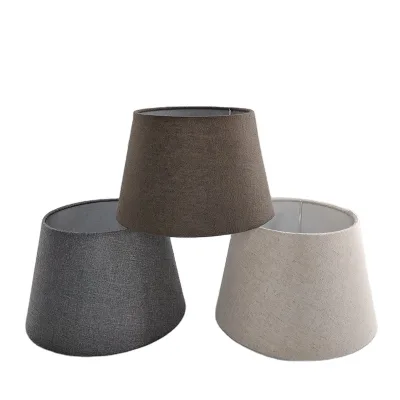
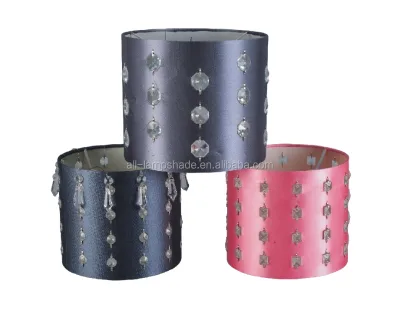
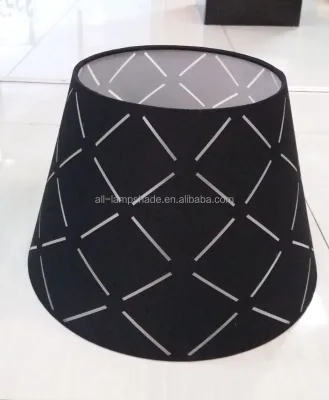


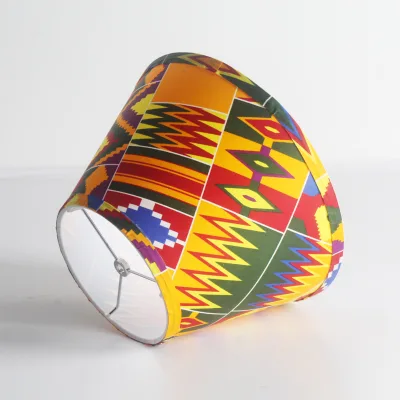
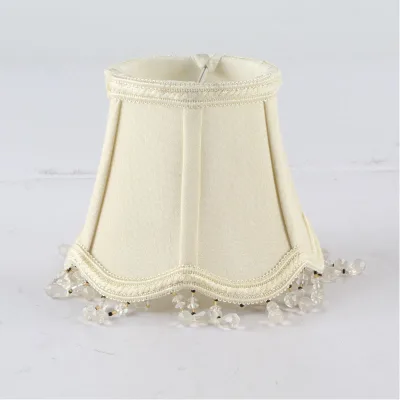


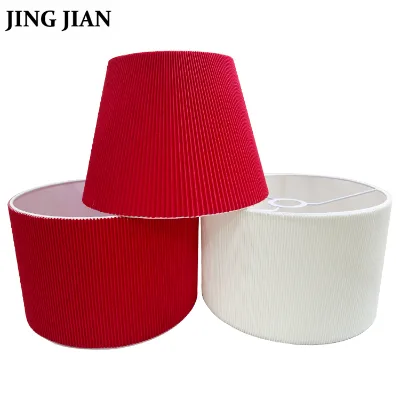
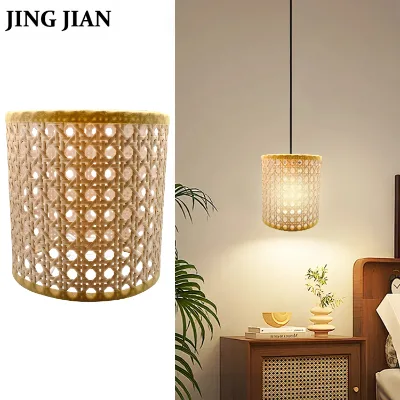


Comprehensive Sourcing Guide
Strategic Sourcing Guide for White Plated Velvet Lampshades
Understanding Product Attributes and Material Composition
When sourcing a White Plated Velvet Lampshade, buyers must first distinguish between the specific material claims and the visual characteristics observed in the market. The core keyword implies a fabric-based construction, specifically velvet, which aligns with the observed product attributes where the material is listed as "Fabric" or "Fabric Voile." However, the term "plated" in this context often refers to a surface treatment or a specific aesthetic finish rather than a metal plating process, as the primary structural material remains textile. The observed product data indicates that these items are frequently described as having a "unique" or "round" shape, with a design style that ranges from Asian and Modern to Coastal and Antique.
The visual appearance of a "white plated" shade often suggests a specific surface treatment. In the provided context, surface treatments include sandblasting, acid processing, anti-glare, and serigraphy. While these are typically associated with glass, the application of similar finishing techniques to fabric or the use of a coated fabric to achieve a specific sheen is a common variation in the lighting sector. The product weight is observed to be lightweight, with specific instances noted at 0.5 kg, which is critical for installation safety and shipping costs. The finish is explicitly noted as "Powder-coated" in some listings, which may refer to the metal frame or base components of the lampshade assembly rather than the fabric itself, necessitating a clear definition of scope during procurement discussions.
Buyers should verify if the "white" color is a standard stock option or a customized request. The data shows that color is listed as "Customized" and "Black" in other variations, indicating that a specific white hue requires explicit specification. The shape is observed as "Round" or "Flat," and the application is consistently categorized as "Decor" or "Decorative." This confirms that the primary value proposition of these items is aesthetic enhancement rather than purely functional illumination. The craftsmanship is described as "handmade," which suggests a higher degree of labor intensity and potential variability in unit-to-unit consistency compared to mass-produced alternatives.
Technical Specifications and Design Flexibility
The technical specifications for white plated velvet lampshades are highly variable, driven by the "Customized Size" and "Customized" thickness attributes observed in the supply chain. Unlike standardized components, these products often require bespoke manufacturing to meet specific lighting fixture requirements. The lamp holder compatibility is a critical technical parameter, with observations indicating support for E14 and E27 bases, and the light source is predominantly LED. This compatibility ensures that the velvet material, which can trap heat, is paired with cool-running LED technology to prevent degradation of the fabric.
The design style is a multifaceted attribute, with observed listings ranging from "Asian" and "Modern" to "Antique" and "Personalize." This flexibility allows buyers to source shades that fit diverse interior design themes. The "Lighting and circuitry design" service is often bundled with the product, suggesting that suppliers may offer integration support for the electrical components within the fixture. The power source is listed as AC, which is standard for mains-powered fixtures, but the specific voltage requirements must be confirmed based on the target market.
A comparison of common design and structural attributes helps clarify the range of options available:
| Attribute Category | Observed Standard Options | Customization Potential |
|---|---|---|
| Shape | Round, Flat, Unique | High (Customized Size) |
| Material | Fabric, Fabric Voile | High (Texture, Weave, Coating) |
| Color | White, Black, Customized | High (Specific Pantone/Hex) |
| Finish | Powder-coated (Frame), Serigraphy | High (Surface Treatment) |
| Style | Modern, Asian, Antique, Coastal | High (Design Style) |
| Weight | ~0.5 kg | Variable (Depends on Size) |
The "Customized Size" specification is particularly significant. Buyers cannot rely on a fixed catalog of dimensions but must provide precise measurements for diameter, height, and taper. The "Product Weight" of 0.5 kg serves as a baseline for lightweight models, but larger or more complex designs will exceed this. The "Flatness" attribute, described as "Conforming Article" or "Flat Tempered" in some contexts, suggests that structural rigidity is maintained through internal framing, even if the outer material is soft fabric.
Compliance, Certification, and Safety Standards
Ensuring compliance is a non-negotiable aspect of sourcing lighting products. The observed product data lists several certifications, including RoHS, ISO, and CE. RoHS (Restriction of Hazardous Substances) is critical for ensuring that the materials used in the lampshade, including any adhesives, dyes, or metallic coatings, do not contain restricted levels of lead, mercury, cadmium, or other hazardous substances. ISO certification indicates that the supplier adheres to international quality management standards, which is a strong indicator of process consistency. CE marking is essential for products entering the European market, confirming conformity with health, safety, and environmental protection standards.
However, buyers must exercise caution regarding the application of these certifications. The data shows certifications like "GB/T 9963-Steel Degree:Super-Tempered Glass" and "Standard: cutomized." These standards specifically reference glass and steel, which may not directly apply to a velvet fabric lampshade. It is possible that these certifications belong to the metal frame or the glass diffuser components of the assembly rather than the fabric shade itself. Therefore, buyers should request specific test reports for the fabric and coating materials to ensure they meet local safety regulations, particularly regarding flammability.
The "Eco-Friendly" feature listed in the product attributes suggests an emphasis on sustainable materials or processes. Buyers should verify what constitutes "Eco-Friendly" in this context, whether it refers to the sourcing of the velvet, the energy efficiency of the associated LED bulbs, or the recyclability of the packaging. The "Safety" feature is also highlighted, which likely pertains to the electrical safety of the lamp holder and the thermal management of the shade. Given that the product is "Lightweight" and "Easy installation," the mechanical safety of the mounting system is also a key consideration.
Cost Drivers and Pricing Dynamics
The observed price range for these products spans from $0.15 to $680 USD, reflecting the extreme variability in customization, material quality, and production complexity. The lower end of the spectrum likely represents standard, mass-produced fabric shades with minimal customization, while the upper end encompasses bespoke, handmade designs with complex finishes, custom sizes, and integrated lighting solutions. The "MOQ" (Minimum Order Quantity) ranges from 2 to 3000 units, indicating that suppliers are willing to accommodate both small trial orders and large-scale procurement projects.
Several factors drive the cost of a White Plated Velvet Lampshade. First, the "Handmade" nature of the craft increases labor costs significantly compared to machine-made alternatives. Second, the "Customized Size" and "Customized Color" requirements necessitate unique production runs, which often incur higher setup fees and higher per-unit costs. Third, the "Powder-coated" finish on metal components and the specific "Surface Treatment" of the fabric add processing steps that increase the final price.
The "Product Packing" of "Cartons and Wooden Boxes" also impacts the cost, especially for international shipping. Wooden boxes are more expensive and heavier than standard cartons, increasing freight charges but offering superior protection for fragile or high-value items. Buyers should analyze the total landed cost, including packaging, shipping, and duties, rather than focusing solely on the unit price. The "Warranty Year" of 1-Year is standard, but buyers should negotiate terms that cover defects in the fabric, frame, and electrical components separately.
Typical Applications and Market Segmentation
The primary application for white plated velvet lampshades is "Decor" or "Decorative" use. The design styles observed—Asian, Modern, Coastal, and Antique—suggest that these products are targeted at interior design projects, hospitality venues, and high-end residential renovations. The "Personalize" style attribute indicates a strong market for bespoke lighting solutions in luxury homes and boutique hotels.
The versatility of the "Round" and "Flat" shapes allows these shades to be used in various fixture types, including pendant lights, chandeliers, and table lamps. The compatibility with E14 and E27 lamp holders makes them suitable for a wide range of bulb types, particularly energy-efficient LEDs. The "Lighting and circuitry design" service suggests that suppliers can provide integrated solutions for complex lighting schemes, making them attractive to architects and lighting designers.
In the hospitality sector, the "Eco-Friendly" and "Lightweight" attributes are particularly valuable. Hotels often require durable, easy-to-install, and sustainable lighting solutions that can be easily maintained. The "Unique" shape and "Customized" options allow for branding and thematic consistency across different properties. In residential markets, the "Handmade" quality and "Modern" or "Asian" design styles appeal to consumers seeking artisanal and culturally inspired home decor.
Supplier Evaluation and Quality Control
Evaluating suppliers for white plated velvet lampshades requires a rigorous approach due to the high degree of customization and the "Handmade" nature of the product. Buyers should verify the supplier's location, with "Guangdong, China" and "Ningbo China" being the primary origins observed. These regions are known for their manufacturing capabilities in lighting and textiles. However, buyers must ensure that the specific factory has experience with fabric finishing and custom lighting assembly.
Quality control should focus on several key areas. First, the consistency of the "White" color and the "Velvet" texture must be verified through physical samples. Variations in dye lots or fabric weave can significantly impact the final appearance. Second, the structural integrity of the frame and the "Powder-coated" finish must be inspected for durability and resistance to chipping or peeling. Third, the electrical safety of the lamp holder and wiring must be confirmed, especially if the supplier provides "Lighting and circuitry design" services.
Buyers should request a "Product Weight" specification for each custom order to ensure it matches the design requirements. The "Flatness" and "Appearance" of the shade should be checked to ensure there are no wrinkles, uneven surfaces, or defects in the fabric. The "Certification" documents, including RoHS, ISO, and CE, should be reviewed to ensure they are valid and applicable to the specific product configuration. Finally, the "Warranty" terms should be clearly defined, covering defects in materials and workmanship for the specified period.
Long-Term Procurement and Supply Chain Considerations
Long-term procurement of white plated velvet lampshades requires a strategic approach to managing the supply chain. The "Customized" nature of the product means that lead times can vary significantly depending on the complexity of the design and the current production load. Buyers should establish clear communication channels with suppliers to manage expectations regarding "Lead Time" and "MOQ" flexibility.
Sustainability is a growing concern in the lighting industry. The "Eco-Friendly" attribute observed in the product data should be leveraged to align with corporate social responsibility goals. Buyers should inquire about the sourcing of the velvet fabric, the environmental impact of the "Surface Treatment" processes, and the recyclability of the "Cartons and Wooden Boxes" packaging.
Scalability is another critical factor. As demand grows, suppliers must be able to maintain quality consistency while increasing production volume. The "Handmade" aspect may pose a bottleneck for large-scale orders, so buyers should discuss the possibility of hybrid production methods or expanding the supplier's workforce. The "1-Year" warranty is a baseline, but long-term partnerships may offer extended coverage or priority support for replacement parts.
Finally, buyers should monitor market trends in design styles. The observed range from "Asian" to "Coastal" to "Modern" indicates a dynamic market. Suppliers who can adapt quickly to changing design preferences and offer "Personalize" options will be more valuable partners. By focusing on technical specifications, compliance, and supplier reliability, buyers can secure a steady supply of high-quality white plated velvet lampshades that meet their specific project requirements.
FAQs
What material is used for white plated velvet lampshades?
The primary material is fabric or fabric voile, not metal plating. Some listings also include glass or steel frames with powder-coated finishes. Buyers should verify if the velvet texture is the main component or if it is a coated textile.
Which certifications apply to these lighting products?
Common certifications include RoHS, ISO, and CE marks. Some products also reference GB/T 9963 standards for tempered glass components. Buyers must confirm which specific parts of the assembly hold these certifications.
Can I customize the size and color of the lampshade?
Yes, customization is available for both size and color. The product data lists customized sizes and colors like black or white as options. Buyers need to provide specific measurements and color codes for bespoke orders.
How is the lampshade finished and treated?
Finishes include powder coating on metal frames and surface treatments like sandblasting or serigraphy. The craft is often handmade, and the appearance may be flat or unique. Surface treatments vary by material and design style.
What is the typical weight and warranty period?
The product weight is approximately 0.5 kg for lightweight models. A standard warranty period is one year. Buyers should check specific weight details as larger custom sizes may exceed this baseline.
Which lamp holders are compatible with these shades?
Compatible lamp holders include E14 and E27 types. The light source is typically LED, and the power source is AC. Buyers should verify voltage requirements based on their target market and fixture design.
Where are these products manufactured and shipped from?
Products originate from Guangdong and Ningbo in China. Shipping packaging includes cartons and wooden boxes for protection. Buyers should account for lead times and freight costs associated with these specific origins.