Source Forging Wear-Resistant Kiln Support Roller for Mining, Energy, Construction
Compare 30 verified listings for the Forging Wear-Resistant Kiln Support Roller from Chinese manufacturers. Buyers can evaluate specifications, certifications, and pricing for energy, mining, and construction applications. Detailed attributes include alloy steel material, ISO 9001 certification, and heat treatment options. Each listing supports custom dimensions and offers export packing for safe delivery.
Key considerations
Products List


Multifunctional Support Roller for Various Kiln Applications with Customizable Options
$1000.00 - $50000.00
MOQ: 1 Pieces


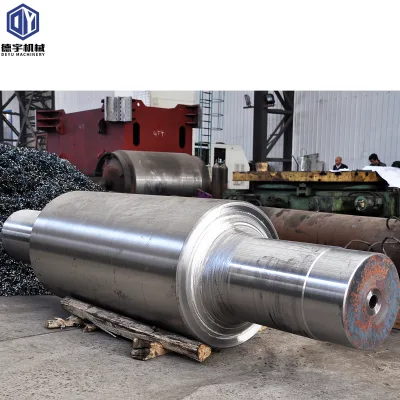
Hight Quality Forging Intermediate Work Roll Reliable Support Roller for Kiln
$826.63 - $1033.29
MOQ: 1 pieces


$100.00 - $4000.00
MOQ: 1 Pieces


Comprehensive Sourcing Guide
Forging Wear-Resistant Kiln Support Roller Sourcing Guide
Buyers must first distinguish between standard catalog items and fully customized solutions, as the market offers both single-item units and tailored OEM configurations. The observed product listings indicate that support rollers are frequently available in alloy steel or general steel variants, with customization options extending to specific dimensions and surface treatments. Procurement teams should verify whether the supplier provides standard models like the 42CrMo specification or if they require custom drawings to match existing kiln infrastructure, as this decision dictates the entire manufacturing timeline and tooling requirements.
The commercial landscape for these heavy industrial components reveals a significant price variance, ranging from entry-level units to high-value specialized assemblies. This disparity often reflects differences in material grade, such as the distinction between standard steel and high-performance alloy steel, alongside the complexity of the heat treatment process applied. Buyers should analyze the listed weight and diameter specifications, noting that units can range from 500mm minimum diameters to massive 2000mm models, which directly influences shipping logistics and the structural integrity required for rotary kiln applications in energy and mining sectors.
Product Scope and Observed Listing Signals
When evaluating product listings, buyers should prioritize the specific manufacturing process, as the core keyword emphasizes forging, yet many suppliers also list casting and welding capabilities. The available data confirms that production methods often include a combination of forging, casting, and welding, with surface treatments like polishing applied to enhance wear resistance. It is critical to confirm that the specific unit being sourced utilizes the forging process for the core structural integrity, as this method typically offers superior grain structure and fatigue life compared to casting alone for high-load support applications.
Packaging and origin details serve as secondary indicators of supplier maturity and logistical readiness for international procurement. Listings frequently specify origins in regions like Luoyang or Henan, China, and utilize robust export packing or wooden cases to protect heavy components during transit. Buyers must ensure that the packaging method aligns with the weight of the unit, which can reach up to 2000kg, to prevent damage during shipping. Additionally, the availability of video outgoing-inspection provides a tangible verification step before shipment, allowing buyers to visually confirm the condition and finish of the roller without physical presence at the factory.
Technical Specifications to Verify
Dimensional accuracy is paramount for kiln support rollers, as the interface between the roller and the tire must maintain precise alignment to prevent uneven wear or kiln misalignment. Buyers should verify that the diameter specifications meet the exact requirements of their kiln system, with observed listings showing minimums of 500mm and specific models reaching 2000mm. The standard or nonstandard nature of the part must be clearly defined, as many suppliers offer custom models based on drawings, while others adhere to established standards like GB, DIN, or GOST, which affects compatibility with existing machinery.
Material composition and heat treatment protocols are the primary determinants of the roller's service life and resistance to abrasive wear. The supplied facts highlight the use of alloy steel, specifically 42CrMo, and various heat treatment processes including quenching, tempering, normalizing, and carburizing. Procurement teams must confirm that the specific heat treatment, such as QT or hardening, matches the operational demands of the kiln environment. Furthermore, the gear accuracy, often cited as Grade 6-8 for related components, should be verified to ensure smooth transmission of torque and minimal vibration during continuous operation.
Compliance and Safety Documentation
Certification status is a fundamental requirement for verifying that the manufacturing process adheres to international quality management systems. Multiple listings confirm the presence of ISO 9001 certification, which indicates a standardized approach to quality control and process consistency. Buyers should request valid certificates that explicitly cover the manufacturing of wear-resistant components, ensuring that the supplier's quality management system is active and relevant to the specific production of kiln support rollers rather than being a generic corporate credential.
Safety and performance verification often involve third-party inspections and non-destructive testing (NDT) to validate the internal integrity of the forged or cast components. The observed data includes references to NDT tests and third-party approved inspections, which are essential for confirming the absence of internal cracks or defects in high-stress areas. Buyers must ensure that these inspection reports are provided for every batch, particularly for large units where failure could lead to catastrophic downtime. Additionally, the availability of online support after the warranty period suggests a commitment to long-term operational safety and troubleshooting.
Cost Drivers and Commercial Terms
The minimum order quantity (MOQ) and unit pricing structure significantly impact the total cost of ownership for procurement projects. Listings indicate an MOQ range of 1 to 2 pieces, offering flexibility for small-scale replacements or pilot projects, while larger orders may benefit from economies of scale. Buyers should negotiate based on the specific model number and customization level, as custom drawings and non-standard dimensions typically incur higher tooling and setup costs compared to standard catalog items.
Warranty terms and after-sales service provisions are critical financial safeguards for high-value industrial equipment. The observed warranty period for core components is typically one year, covering defects in material or workmanship. Buyers should clarify the scope of this warranty, including whether it covers the heat treatment integrity and surface hardness, and confirm the availability of online support for troubleshooting. Understanding the selling units, which are often listed as single items, helps in budgeting for individual replacements versus bulk procurement strategies for fleet-wide maintenance.
Supplier Qualification and Quality Control
Supplier qualification extends beyond basic certifications to include the verification of their specific production capabilities and quality control infrastructure. Buyers should assess whether the supplier possesses the necessary equipment for complex processes like forging, casting, and welding, as well as the capacity for precise surface polishing. The presence of a dedicated quality control team that performs NDT tests and provides video outgoing-inspection is a strong indicator of a supplier's ability to deliver consistent, high-quality products that meet rigorous industrial standards.
The origin of the product and the specific standards applied during manufacturing provide insight into the supplier's technical competence and market positioning. Products originating from established industrial hubs in China, such as Luoyang and Henan, often benefit from a mature supply chain and specialized expertise in heavy machinery components. Buyers should verify that the supplier adheres to the relevant standards, whether they are GB, DIN, GOST, or AISI, and ensure that the production process aligns with the specific requirements of the kiln application, such as the ability to handle the high loads and temperatures associated with rotary kilns.
Long-Term Procurement Checks
Establishing a reliable supply chain for kiln support rollers requires a focus on the supplier's ability to maintain consistency over time. Buyers should evaluate the supplier's track record in delivering customized solutions and their capacity to handle repeat orders with the same level of precision and quality. The availability of custom models and the ability to produce parts according to specific drawings suggest a flexible manufacturing environment capable of adapting to changing operational needs or equipment upgrades.
Post-purchase support and the longevity of the product are essential considerations for minimizing downtime in continuous industrial processes. Buyers should confirm the availability of spare parts and the supplier's commitment to providing online support for any issues that arise after the warranty period expires. The warranty of core components, typically one year, serves as a baseline, but long-term partnerships often involve agreements for extended support, regular maintenance checks, and rapid response times for critical replacements to ensure the uninterrupted operation of the kiln system.
FAQs
What materials are used for forging wear resistant kiln support rollers?
These rollers are typically manufactured from high-strength alloy steel, such as 42CrMo, to ensure durability under heavy loads. The material selection is critical for withstanding the extreme temperatures and mechanical stress found in rotary kiln operations. This composition provides the necessary wear resistance and structural integrity required for continuous industrial application in mining and energy sectors.
Can these support rollers be customized to specific dimensions?
Yes, customization is available to meet unique operational requirements. Manufacturers offer tailored solutions based on specific drawings or standard models like the Rotary Kiln Φ3.2*50m. Buyers can specify dimensions, with diameters ranging from 500mm to 2000mm, ensuring the rollers fit precisely into existing kiln infrastructure while maintaining optimal performance and alignment.
What certifications do these kiln spare parts hold?
Reputable suppliers provide products certified under ISO 9001 and CE standards, ensuring adherence to international quality and safety regulations. These certifications verify that the manufacturing process, including casting and forging, meets rigorous quality control protocols. This documentation is essential for buyers in regulated industries to ensure compliance and reliability in their supply chain operations.
How is the quality of these rollers inspected before shipment?
Quality control involves rigorous non-destructive testing (NDT) and third-party inspections to verify structural integrity. Manufacturers also provide video outgoing inspections to allow buyers to verify the product condition remotely. These steps ensure that the rollers meet specified standards, such as GB or DIN, before they are packed in wooden cases for export.
What heat treatment processes are applied to these steel rollers?
The steel components undergo comprehensive heat treatment processes including normalizing, annealing, quenching, and tempering. Additional treatments like hardening and carburizing may be applied to enhance surface wear resistance. These processes improve the mechanical properties of the alloy steel, ensuring the rollers can withstand the abrasive and high-temperature environment of rotary kilns effectively.
What is the typical minimum order quantity for these rollers?
The minimum order quantity is generally set at two pieces, allowing for practical procurement of replacement sets. This MOQ supports both new installations and maintenance replacements for industrial kilns. Buyers should confirm specific requirements with suppliers, as custom orders or specific model numbers might have different procurement thresholds depending on manufacturing capacity and stock availability.