Source Forklift Console for Warehouse, Yard, and Port Operations
Find 30 Forklift Console for Warehouse solutions with customizable features, diesel or electric power, and various mast types. Compare specifications including load capacity, lift height, and transmission options to select the right equipment for your facility.
Key considerations
Products List

Factory Price Customize Forklift Warehouse Container Use Forklift for Sale
$5158.00 - $5258.00
MOQ: 1 Pieces


Forklift Warehouse Lifting and Transporting Hydraulic Diesel Forklifts
$5600.00 - $8500.00
MOQ: 1 Pieces


Reliable Multipurpose High Efficient Forklift for Warehouse Logistics
$6300.00 - $6500.00
MOQ: 1 Pieces
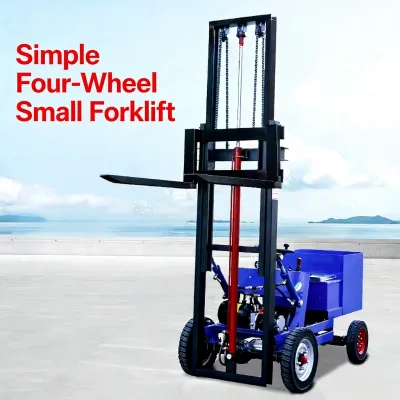


Compact Design Warehouse Electric Forklift for Easy Storage and Transport
$3800.00 - $4500.00
MOQ: 1 Pieces


Electric Counterbalance Forklift for High Throughput Indoor Warehouses
$12000.00 - $17333.00
MOQ: 1 Pieces

Electric Counterbalance Forklift for Temperature-Sensitive Warehouse Operations
$12000.00 - $17333.00
MOQ: 1 Pieces

Compact Electric Forklift for High Moisture Warehouse Handling Applications
$12000.00 - $17333.00
MOQ: 1 Pieces


Customized Color Heavy-Duty Forklift for Efficient Warehouse Operations
$17510.00 - $18050.00
MOQ: 1 Piece
Comprehensive Sourcing Guide
Strategic Sourcing Guide for Warehouse Forklift Consoles and Control Systems
Procuring a Forklift Console for Warehouse operations requires a nuanced understanding of the intersection between operator ergonomics, machine power sources, and regulatory compliance. The term "console" in this context often encompasses the operator control station, including the steering column, instrument cluster, lift controls, and the broader interface required to manage the vehicle's performance. Buyers must navigate a market where diesel-powered internal combustion engines and electric battery-driven systems coexist, each demanding distinct console configurations. This guide provides a structured approach to evaluating these systems, ensuring that the selected equipment aligns with specific warehouse throughput requirements, safety standards, and long-term operational efficiency.
Technical Specifications and Power Source Differentiation
The first critical step in sourcing a forklift console is identifying the power source, as this dictates the fundamental architecture of the control interface. The market presents two primary categories: diesel-powered units and electric battery-powered units. Diesel forklifts, often designated by model series such as CPC or CPCD, typically utilize a mechanical or hydraulic transmission system paired with a diesel engine. In these configurations, the console must accommodate the physical demands of an internal combustion engine, including gear shifters and throttle controls designed for high-torque applications. The standard load capacity for these units generally ranges from 1 ton to 5 tons, requiring a robust console structure capable of withstanding the vibrations and operational intensity associated with heavy lifting.
Conversely, electric forklifts, often identified by model series like CPD, rely on AC motors and battery systems, which can be either lithium-ion or lead-acid. The console for these units is characterized by a different set of controls, often featuring a "Battery Forklift" designation in product attributes. The control interface for electric models must integrate seamlessly with the battery management system, providing real-time feedback on charge levels and motor performance. A notable distinction in the electric sector is the availability of remote control manual modes, which allows operators to manage the pallet truck from a distance, enhancing safety in congested aisles. The overall dimensions of these electric units often vary, with specific standard measurements noted in product specifications, such as an overall width of 123cm or specific length and height combinations like 1470mm in length and 1980mm in height.
Ergonomics and Operator Interface Design
The physical design of the console is paramount for operator safety and productivity. Buyers should prioritize units where the cab location is adjustable, allowing operators to customize the seating and control position to their specific height and reach preferences. This adjustability is a key feature in reducing operator fatigue during long shifts. The mast configuration also influences the console layout; options such as Full Free Mast, Duplex Mast, or Triplex Mast require different control linkages and visibility angles. For diesel models, the mast tilt angle is a critical specification, often observed in ranges like 18 to 20 degrees, which the console controls must manage precisely.
Furthermore, the color and visibility of the console are not merely aesthetic choices but functional requirements. While some units come in standard colors like orange-red or red and green, the ability to customize the color is a significant feature for fleet standardization. The console must also accommodate specific tire types, such as solid tires, which affect the vibration dampening required in the operator's station. The fork type, whether forged or otherwise, interacts with the console's hydraulic controls, necessitating a design that ensures smooth, responsive operation. The load center, typically standardized at 500mm, must be clearly indicated on the instrument panel to prevent overloading errors.
Compliance, Certification, and Safety Standards
Navigating the regulatory landscape is essential for any procurement decision involving industrial machinery. Buyers must verify that the forklift console and the associated vehicle meet international safety and environmental standards. The supply chain for these components often includes certifications such as ISO, CE, GS, TUV, RoHS, and FCC. These certifications indicate that the product has undergone rigorous testing for electrical safety, electromagnetic compatibility, and environmental compliance. The presence of the CE mark, for instance, suggests conformity with European health, safety, and environmental protection standards, which is often a prerequisite for importing machinery into many global markets.
When evaluating a supplier, buyers should request documentation proving these certifications are current and applicable to the specific model being purchased. It is important to note that while some background information may suggest CE compliance, the definitive verification must come from the specific product listing or supplier documentation. Additionally, the production standards for the forklift itself, such as overall dimensions of 2690mm by 1230mm by 2090mm, must align with the warehouse's spatial constraints and safety clearances. The console must also be designed to meet the minimum ground clearance requirements, often cited as 135mm, to ensure the vehicle can navigate uneven warehouse floors without damage to the control systems.
Cost Drivers and Pricing Structures
Understanding the cost drivers for a forklift console involves analyzing the complexity of the powertrain and the level of customization required. The observed price range for these units spans from approximately $1,560 to $61,500, reflecting the vast difference between basic electric pallet trucks and heavy-duty diesel forklifts with advanced console features. Several factors influence this pricing. First, the engine type plays a significant role; units equipped with Japanese engines may command a premium over those with Chinese engines due to perceived reliability and performance consistency. Similarly, the battery technology in electric models, whether lithium-ion or lead-acid, impacts the overall cost.
The level of customization is another major cost driver. Features such as adjustable cab locations, customizable colors, and specific attachment options can increase the unit price. The packaging method also affects logistics costs; units packed in containers may have different pricing structures compared to those in wooden boxes, which are often used for smaller pallet trucks. The minimum order quantity (MOQ) can range from 1 to 20 units, influencing the per-unit cost for buyers who do not require large fleet expansions. Buyers should also consider the delivery time, which typically ranges from 5 to 15 days for diesel models and 7 to 15 days for electric models, as expedited shipping can add to the total cost of ownership.
Supplier Evaluation and Quality Assurance
Selecting a reliable supplier is critical to ensuring the longevity and safety of the forklift console. Buyers should evaluate suppliers based on their ability to provide consistent product quality and after-sales support. The origin of the product is a key factor, with many units originating from China, a major manufacturing hub for industrial equipment. However, the country of origin does not dictate quality; rather, the supplier's track record and adherence to production standards do. Buyers should look for suppliers who offer a "New" condition guarantee and provide detailed specifications for the counterweight, which is typically made of iron to ensure stability.
Quality control measures should be a prerequisite for any purchase. This includes verifying the production model numbers, such as CPC, CPCD, or CPD, to ensure the console matches the intended application. The packing method, whether it involves 6 pieces per cubic meter or specific container configurations, should be verified to prevent damage during transit. Suppliers should also be able to provide clear information on the lead time and delivery schedule, ensuring that the procurement process aligns with the warehouse's operational timeline. The ability to customize the console, including the color and attachments, is a strong indicator of a supplier's flexibility and commitment to meeting specific buyer needs.
Long-Term Procurement and Maintenance Considerations
The decision to purchase a forklift console should be viewed through the lens of total cost of ownership, not just the initial purchase price. Maintenance requirements vary significantly between diesel and electric models. Diesel forklifts require regular engine maintenance, including oil changes and filter replacements, which can be managed through the console's diagnostic interfaces. Electric forklifts, on the other hand, require battery maintenance and charging infrastructure management. The choice between lithium-ion and lead-acid batteries will impact the long-term operational costs and the frequency of battery replacements.
Buyers should also consider the availability of spare parts and the ease of repair. The console should be designed with modularity in mind, allowing for the replacement of individual components such as the steering column or instrument cluster without replacing the entire unit. The standard dimensions of the product, such as the overall width of 123cm, should be considered when planning for future upgrades or replacements to ensure compatibility with existing warehouse layouts. Finally, the customization options available, such as the ability to change the color or add specific attachments, should be evaluated for their long-term utility in adapting to changing warehouse requirements.
Typical Applications and Operational Fit
The application of the forklift console is directly tied to the specific operational needs of the warehouse. Diesel forklifts with adjustable cab locations and high load capacities (1T-5T) are ideal for outdoor applications or large indoor warehouses with high ceilings and heavy lifting requirements. The diesel engine provides the necessary power for continuous operation in demanding environments. In contrast, electric forklifts with AC motors and battery systems are better suited for indoor environments where air quality is a concern. The "Battery Forklift" designation often implies a focus on zero-emission operation, making them ideal for food processing, pharmaceutical, and other sensitive environments.
The specific features of the console, such as the remote control manual mode for powered pallet trucks, are particularly useful in narrow aisle applications where maneuverability is key. The lift height capabilities, ranging from 3000mm to 5000mm, determine the suitability of the unit for multi-level storage systems. Buyers must match the console's capabilities with the warehouse's storage density and the frequency of material movement. The standard dimensions and ground clearance must also align with the warehouse floor conditions to ensure smooth operation and prevent accidents. By carefully analyzing these factors, buyers can select a forklift console that optimizes efficiency and safety in their specific operational context.
FAQs
What power sources are available for warehouse forklift consoles?
Available power sources include diesel engines and electric battery systems. Diesel models use mechanical or hydraulic transmission, while electric units feature AC motors with lithium or lead-acid batteries.
Can the forklift cab location be adjusted for operator comfort?
Yes, adjustable cab locations are available on specific diesel forklift models to enhance operator ergonomics. Some electric pallet trucks have non-adjustable cab locations, so verify the model specifications before purchase.
Which certifications ensure the forklift meets safety standards?
Products often carry ISO, CE, GS, TUV, RoHS, and FCC certifications to ensure safety and compliance. Buyers should verify these specific certifications apply to the intended model and region before ordering.
How long is the typical delivery time for these units?
Delivery times typically range from 5 to 15 days for diesel models and 7 to 15 days for electric units. Lead times depend on the specific product configuration and current supplier inventory levels.
What is the minimum order quantity for purchasing a forklift?
The minimum order quantity ranges from 1 to 20 units depending on the supplier and product type. Buyers can often source single units for testing or larger batches for fleet expansion.
Are the forklift colors customizable to match fleet branding?
Yes, colors are customizable, with options including orange-red, red and green, or other custom shades. This feature allows buyers to standardize their fleet appearance across different warehouse locations.
What load capacity range do these forklifts support?
Load capacities generally range from 1 ton to 5 tons for standard diesel forklifts. Electric models may have different specifications, so check the specific product model details for exact capacity limits.