Source Frosted Luxury Candle Jar for Home, Wedding, and Party
Compare 30 options for Frosted Luxury Candle Jar from verified manufacturers. Evaluate wax types, customization, and packaging details to find the ideal solution for home lighting, weddings, and parties.
Key considerations
Products List


$2.50 - $7.80
MOQ: 1000 Pieces


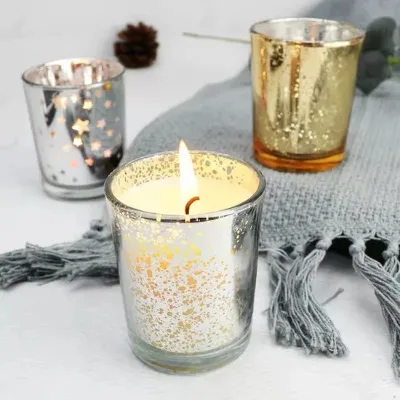
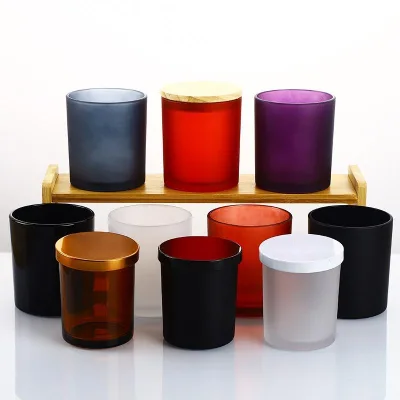


Popular Luxury Empty Clear Embossed Glass Candle Container Candle Jars with Lid
$6.70 - $7.00
MOQ: 300 Pieces
Comprehensive Sourcing Guide
Strategic Sourcing Guide for Frosted Luxury Candle Jars
The global market for premium home fragrance and ambient lighting has driven a surge in demand for frosted luxury candle jars. These vessels serve as both functional containers and aesthetic centerpieces, blending the utility of aromatherapy with high-end interior design. For B2B procurement professionals, sourcing these items requires a disciplined approach that balances visual appeal, material integrity, and regulatory compliance. This guide synthesizes available product data and industry standards to provide a robust framework for evaluating suppliers and defining specifications for frosted luxury candle jars.
Technical Specifications and Material Composition
When defining the technical requirements for a Frosted Luxury Candle Jar, the primary focus must be on the container material and the wax composition. The visual "frosted" effect is typically achieved through specific glass treatments, such as acid etching, sandblasting, or the application of a specialized coating. In the context of the observed product data, the material composition is a critical differentiator. Some listings specify "Glass Candle Jar" as the primary vessel, while others detail "White Glass with Silk Gold Printing" for the holder component. The frosted finish is often paired with metallic accents, such as the "Rose Gold Foil Stamping" observed on packaging, to elevate the perceived value.
The wax filling process is equally significant. The data indicates a divergence in wax types, with "Soybean Wax" and "Paraffin Wax" both present in the market. Soybean wax is often preferred for its clean burn and natural origin, aligning with the "Natural" design style observed in several product entries. Conversely, paraffin wax offers a different scent throw profile and cost structure. The processing method also varies; while some units utilize a "Mold" process for the wax itself, others rely on "Filling" into pre-manufactured jars. Buyers must verify the specific wax-to-jar ratio, as the data shows weights ranging from 160g to 570g, with specific models like ODMF17-NG031421 listing a 160g capacity.
Dimensional consistency is paramount for luxury positioning. The standard dimensions observed in the dataset include specific measurements such as L7.5W7.5H8.7cm and L7.3W7.3H8.7cm. However, other entries indicate "any size" as a standard, suggesting that custom molding is a viable option for large-volume buyers. The "Box Size" of L8.2W8.2H9.5cm highlights the importance of packaging dimensions in the overall logistics chain. Procurement teams should request a detailed specification sheet that confirms the internal volume of the jar relative to the external frosted finish, ensuring that the wax does not compromise the structural integrity of the glass during the burning process.
Compliance, Certification, and Regulatory Standards
Navigating the regulatory landscape is a non-negotiable aspect of sourcing luxury candle jars. The safety of the consumer and the legal compliance of the product are paramount. The available data explicitly mentions several certifications, including "SGS," "BV," and "Reach." These are critical indicators of a supplier's commitment to quality and safety. SGS (Société Générale de Surveillance) is a globally recognized inspection and certification body, while BV (Bureau Veritas) provides similar verification services. Reach compliance is essential for products entering the European market, ensuring that chemical substances used in the glass, wax, or packaging are within safe limits.
When evaluating potential suppliers, buyers must verify the validity of these certificates. It is not sufficient to see a logo on a product listing; the specific test reports must be reviewed to ensure they cover the exact product model and batch. For instance, a certificate for a "Scented" pillar candle may not automatically cover a "Jar" style candle with different wax properties. The data also notes a "Shelf Lift" of 3 years, which implies a stability test for the product over time. This metric should be cross-referenced with storage conditions and packaging integrity to ensure the product remains viable during long-term logistics.
Furthermore, the "Customization" attribute suggests that suppliers may offer tailored solutions. However, customization often introduces new compliance variables. If a buyer requests a specific color or a unique "Silk Gold Printing" design, the materials used for these additions must also be certified. The "Metal" cap material mentioned in some listings requires verification for lead content and other heavy metals, especially if the product is intended for markets with strict regulations on consumer goods. Buyers should insist on a compliance matrix that maps every component of the candle jar—glass, wax, wick, cap, and packaging—to its corresponding certification.
Cost Drivers and Pricing Structures
Understanding the cost drivers for frosted luxury candle jars is essential for budgeting and margin analysis. The observed price range of 0.15 to 7.8 USD indicates a significant variance, likely driven by material quality, customization levels, and order volume. The lower end of the spectrum typically corresponds to standard paraffin wax in basic frosted glass with minimal packaging. The higher end reflects premium soybean wax, intricate designs like "Rose Gold Foil Stamping," and specialized packaging such as the "350g Paper Box."
The Minimum Order Quantity (MOQ) is another critical cost factor. The data shows an MOQ range of 100 to 5000 units. A lower MOQ of 100 units may be suitable for market testing or boutique brands, but it often carries a higher unit cost due to setup fees and lower production efficiency. Conversely, an MOQ of 5000 units suggests a high-volume manufacturing run, which can significantly reduce the per-unit price. Buyers must balance their inventory needs with cash flow constraints. The "prod_packing" of 8PCS/CTN for certain models indicates that packaging efficiency plays a role in shipping costs. Optimizing the carton size to minimize void space can yield substantial savings in freight charges.
Additionally, the "Handmade" attribute observed in some listings suggests a labor-intensive production process. Hand-finished products command a premium price due to the higher labor costs and the unique nature of each unit. If a buyer seeks a consistent, mass-produced item, they should verify whether the "Handmade" claim applies to the entire batch or just specific custom orders. The "ODM" (Original Design Manufacturer) models listed, such as ODMF18-080201, imply that the supplier has existing tooling, which can reduce development costs compared to a fully custom ODM project.
Typical Applications and Market Segmentation
Frosted luxury candle jars are versatile products with applications spanning multiple market segments. The data lists usage scenarios including "Home Lighting," "Wedding," "Party," "Birthday," "SPA," "Decoration," and "Holiday." This broad applicability allows buyers to target diverse customer bases. In the home decor sector, the "Natural" design style and "White" color options appeal to consumers seeking minimalist and serene environments. The "Multi-Colored" variants cater to festive occasions and holiday markets, where vibrant aesthetics are preferred.
The "Aromatherapy" and "Scented" features are particularly relevant for the wellness and spa industries. The "Burning Time" of 4.5 hours observed in some models is a key selling point for consumers who value longevity and value for money. In the wedding and event sector, the "Pillar" and "Jar" types serve as centerpieces or favors. The "Metal" cap and "Glass Candle Jar" combination offers a tactile luxury that enhances the unboxing experience. Buyers should align their product selection with the specific needs of their target audience. For example, a supplier offering "Customization" can create bespoke jars for high-end wedding planners, while a standard "SGS" certified line is better suited for mass-market retail chains.
Supplier Evaluation and Quality Control
Evaluating suppliers requires a rigorous assessment of their capabilities, particularly regarding the "Customization" and "Handmade" aspects. The data indicates that some suppliers operate from "Shanghai," a major manufacturing hub in China known for its glass and candle production infrastructure. However, the "prod_origin" is listed generally as "China" for other entries, necessitating a deeper dive into the specific factory location. Buyers should verify the supplier's production capacity, quality control protocols, and ability to handle custom orders.
Quality control should focus on the consistency of the frosted finish, the clarity of the glass, and the integrity of the wax filling. The "Metal" cap must be securely attached and free of sharp edges. The "350g Paper Box with Rose Gold Foil Stamping" requires precise alignment and high-quality printing to maintain the luxury aesthetic. Buyers should request pre-production samples to verify the "prod_standard" dimensions, such as L7.7W7.7H9.4cm, against the actual product. Additionally, testing the "Burning Time" and checking for soot or uneven melting is crucial to ensure the product meets performance expectations.
Long-Term Procurement Considerations
Sourcing frosted luxury candle jars is not just a one-time transaction but a strategic partnership that requires long-term planning. The "Shelf Lift" of 3 years suggests that the product has a long shelf life, which is beneficial for inventory management. However, buyers must consider the sustainability of the materials. The use of "Soybean Wax" aligns with growing consumer demand for eco-friendly products, whereas "Paraffin Wax" is a petroleum byproduct. As regulations and consumer preferences evolve, the ability to switch between wax types or source sustainable packaging becomes a competitive advantage.
The "Customization" feature allows for brand differentiation, but it also requires a stable supply chain. If a supplier relies on specific molds or printing techniques, any disruption in their production line could impact the buyer's inventory. Buyers should establish clear communication channels and contingency plans for supply chain disruptions. Furthermore, the "prod_packing" of 8PCS/CTN and the specific box sizes must be optimized for the buyer's distribution network to minimize damage and maximize shipping efficiency. Long-term contracts with suppliers who offer flexible MOQs and consistent quality can help mitigate risks and ensure a steady flow of premium products.
Summary of Key Product Attributes
To facilitate quick reference during the sourcing process, the following table summarizes the key attributes observed in the product data. This comparison highlights the variability in materials, dimensions, and certifications that buyers must navigate.
| Attribute | Observation A | Observation B | Observation C |
|---|---|---|---|
| Material | Soybean Wax | Paraffin Wax | Glass Candle Jar |
| Candle Type | Pillar | Aromatherapy | Jar |
| Color | White | Multi-Colored | White Glass |
| Finish | Silk Gold Printing | Rose Gold Foil | Frosted (Implied) |
| Certification | SGS | BV/SGS/Reach | SGS |
| Weight | 0.37kg | 160g Wax | 570g Wax |
| Dimensions | L7.5W7.5H8.7cm | L7.3W7.3H8.7cm | L11.4W11.4H8.4cm |
| Origin | China | Shanghai | China |
| MOQ | 100 | 5000 | Custom |
By adhering to these guidelines and leveraging the detailed product data, procurement professionals can make informed decisions that align with their brand's quality standards and market positioning. The Frosted Luxury Candle Jar market offers significant opportunities for those who can effectively manage the complexities of material selection, compliance, and supplier relationships.
FAQs
What certifications are available for frosted luxury candle jars?
Available certifications include SGS, BV, and Reach compliance. These documents verify safety and chemical limits for glass, wax, and packaging components used in the product.
Which wax types are used in these luxury candle jars?
The jars utilize either Soybean Wax or Paraffin Wax depending on the specific model. Soybean wax offers a natural origin while paraffin provides a different scent throw profile.
How is the customization process handled for these candle jars?
Customization is available for various product attributes including size, color, and packaging design. Buyers can request specific modifications like silk gold printing or unique box dimensions.
What is the typical minimum order quantity for these products?
The minimum order quantity ranges from 100 to 5000 units based on the supplier and product type. Lower MOQs suit market testing while higher volumes reduce per-unit costs.
Can the candle jars be used for aromatherapy and home decoration?
Yes, the jars are designed for home lighting, aromatherapy, weddings, parties, and SPA decoration. They feature scented options and come in styles like pillar and jar types.
What are the standard dimensions for the frosted candle jars?
Standard dimensions vary by model, with common sizes like L7.5*W7.5*H8.7cm or L7.3*W7.3*H8.7cm. Some suppliers offer custom sizing to meet specific buyer requirements.