Source Frosted Zinc Alloy Cigarette Grinder for daily use, travel, and collection
Compare 30 listings for Frosted Zinc Alloy Cigarette Grinder options with varying weights, dimensions, and packaging. Buyers can evaluate specifications like 40x35mm or 60x45mm sizes and MOQs ranging from 120 to 500 pieces from Chinese manufacturers.
Key considerations
Products List


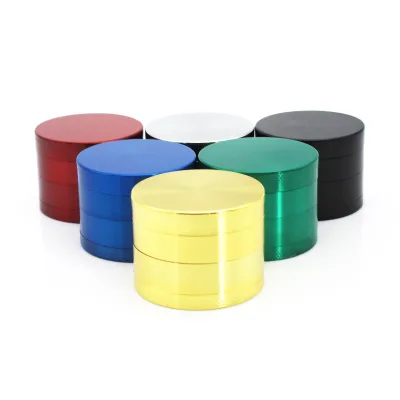
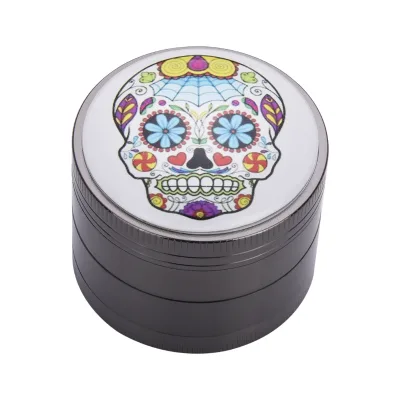
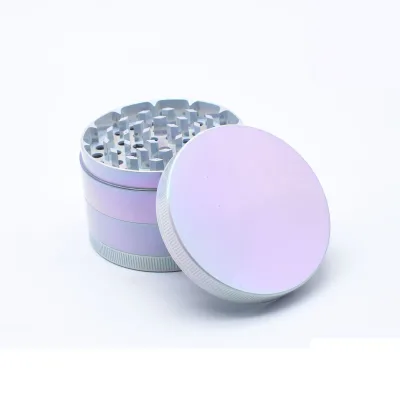


Premium Quality Handheld Quick Grind Zinc Alloy Cigarette Custom Grinder
$0.50 - $1.00
MOQ: 1000 Pieces

Efficient Grinding Easy to Clean Zinc Alloy Custom Cigarette Grinder for Herbs
$0.50 - $1.00
MOQ: 1000 Pieces
Comprehensive Sourcing Guide
Frosted Zinc Alloy Cigarette Grinder Sourcing Guide
Sourcing industrial-grade metal grinders, particularly those constructed from zinc alloy with a frosted finish, requires a disciplined approach to verifying material integrity and mechanical performance. While the specific keyword highlights a consumer-oriented aesthetic, the underlying procurement logic aligns with broader categories of metal grinding tools and precision mechanical components. Buyers must distinguish between decorative consumer accessories and functional industrial tools, as the latter demands stricter tolerances for disc diameter, weight, and structural durability. The presence of zinc alloy in the supply chain suggests a focus on cost-effective durability, but it also introduces specific requirements regarding surface treatment, corrosion resistance, and mechanical bonding that differ significantly from stainless steel or aluminum alternatives.
The procurement landscape for these items is characterized by a wide variance in specifications, ranging from small handheld units to larger industrial discs. Observed market data indicates that products labeled with similar terminology can vary drastically in weight, from lightweight 108-gram units to heavier 202-gram assemblies, reflecting differences in core density and housing thickness. Furthermore, the distinction between a "cigarette grinder" and a "metal grinder" for industrial use is critical; the former often implies a multi-chamber herb or spice mill, while the latter refers to abrasive tools or mechanical polishing devices. Buyers must carefully audit product listings to ensure the physical dimensions and intended application match their operational needs, as confusion between these categories is a common source of procurement errors and quality disputes.
Product Scope and Observed Listing Signals
The current market signals for zinc alloy grinding components reveal a fragmented landscape where aesthetic finishes like "frosted" or "colorful" are often paired with varying mechanical specifications. Listings frequently cite dimensions such as 6045mm or 4035mm, which may refer to the footprint of the grinding disc or the housing of the device rather than the abrasive surface itself. It is essential to verify whether the "frosted" attribute refers to a matte surface treatment on the zinc alloy body or a specific texture on the grinding interface. In many observed cases, the material is explicitly identified as "Zine Alloy" or "Metal," but the exact alloy composition and hardness ratings are rarely disclosed in standard product descriptions, requiring direct supplier inquiry to confirm suitability for high-friction applications.
Packaging and unit weight data provide indirect but valuable insights into the build quality and shipping logistics of these items. Observed weights range from 120g to 195g per unit, with export cartons weighing up to 25 kilograms, suggesting that bulk orders involve significant density. Packaging methods vary from simple bubble sheets to inner boxes and cartons, with some listings specifying 120 pieces per box or 72 pieces per carton. These variations impact not only the unit cost but also the handling requirements during warehousing. Buyers should note that lighter units may indicate thinner alloy walls or hollow construction, which could compromise the longevity of the grinder under heavy industrial use, whereas heavier units likely offer better heat dissipation and structural rigidity.
Technical Specifications to Verify
Dimensional accuracy is the primary technical parameter that must be validated before placing any order. The market exhibits a wide range of sizes, including diameters of 82mm, 125mm, and specific rectangular footprints like 6365mm or 4963mm. For a zinc alloy grinder, the disc diameter is critical for compatibility with existing spindle mounts or housing fixtures. Buyers must request detailed engineering drawings that specify the tolerance levels for the disc diameter and the thickness of the alloy base. Discrepancies in these measurements can lead to installation failures or inefficient grinding performance, especially if the product is intended to replace a specific OEM component. Verifying the "Disc Diameter" against the "Size" field in the product data is a necessary step to avoid receiving incompatible parts.
The mechanical configuration and power source requirements are equally vital for ensuring operational safety and efficiency. Some observed listings mention "Variable Speed" and "Handshaking" power sources, which are atypical for simple manual grinders and suggest a more complex mechanical assembly or an electrically assisted device. If the procurement goal involves automated or semi-automated processes, the buyer must confirm the voltage, current draw, and interface protocols of the power system. Additionally, the layer count, often cited as 4 layers in similar metal components, may refer to the composite structure of the grinding surface or the housing assembly. Understanding whether the zinc alloy is a solid cast piece or a layered composite is essential for predicting wear rates and maintenance intervals.
Compliance and Safety Documentation
Safety compliance for metal grinding tools is non-negotiable, particularly when the device involves rotating parts or high-speed operations. While general certifications like CE are mentioned in background data, buyers must insist on specific test reports that validate the structural integrity of the zinc alloy under load. The risk of disc fracture or housing failure under centrifugal force is a significant safety hazard. Procurement teams should require evidence of balance testing and burst speed verification, especially if the grinder is intended for variable-speed applications. Without these specific safety validations, the use of zinc alloy, which can be more brittle than steel, poses an unacceptable risk in high-RPM environments.
Environmental and material safety regulations also play a crucial role in the sourcing of metal components. Zinc alloy products must comply with restrictions on heavy metals and surface coatings, particularly if the "frosted" finish involves chemical treatments or paints. Buyers should verify that the supplier adheres to RoHS or REACH standards, depending on the target market, to ensure that the alloy and any applied finishes do not leach harmful substances. This is particularly important for products that may come into contact with consumables or are used in enclosed spaces. Documentation proving the absence of lead, cadmium, and other restricted substances in the zinc alloy composition is a standard requirement for reputable B2B transactions in regulated industries.
Cost Drivers and Commercial Terms
The cost structure for zinc alloy grinders is heavily influenced by raw material fluctuations and the complexity of the manufacturing process. Zinc prices are volatile, and any increase in base metal costs is typically passed through to the buyer, often with a lag. Additionally, the "frosted" finish requires additional post-processing steps, such as sandblasting, anodizing, or powder coating, which add to the labor and energy costs. Buyers should negotiate pricing based on a clear understanding of these value-added processes to avoid paying premium prices for standard finishes. The observed price range of $0.1 to $12.5 USD suggests a wide disparity in quality and complexity, with the lower end likely representing basic, unbranded units and the higher end indicating precision-engineered or branded products.
Commercial terms, including Minimum Order Quantity (MOQ) and lead times, vary significantly across suppliers. Observed MOQs range from 1 piece to 1000 pieces, with some specific listings citing 500 PCS or 120 PCS as thresholds. Lower MOQs may come with higher unit costs due to setup fees, while larger orders benefit from economies of scale in casting and finishing. Lead times are generally short, with some suppliers claiming 1-3 days, but this often applies only to stock items. For custom frosted finishes or specific dimensional requirements, lead times will extend significantly. Buyers must clarify whether the quoted lead time includes material procurement, casting, machining, and surface treatment, as these stages are often sequential and can bottleneck production.
Supplier Qualification and Quality Control
Supplier qualification for metal grinding components requires a rigorous assessment of manufacturing capabilities and quality management systems. Buyers should prioritize suppliers who possess in-house casting and machining facilities, as this ensures tighter control over dimensional tolerances and material consistency. Third-party trading companies may offer lower prices but often lack the technical expertise to resolve quality issues or provide accurate engineering support. Verification of the supplier’s production capacity, particularly their ability to handle zinc alloy casting and subsequent finishing processes, is essential. Requesting video tours of the production line or detailed process flowcharts can provide valuable insights into the supplier’s operational maturity.
Quality control protocols must be explicitly defined in the purchase agreement, including acceptance criteria for surface finish, dimensional accuracy, and mechanical performance. Inspections should cover the uniformity of the frosted finish, the absence of casting defects such as porosity or cracks, and the precise alignment of the grinding disc. For high-volume orders, implementing a pre-shipment inspection (PSI) or hiring a third-party inspection agency is recommended to verify that the delivered goods meet the specified standards. The observed variation in packaging, from simple bubble sheets to robust cartons, also indicates that suppliers have different levels of care in handling finished goods, which can affect the condition of the product upon arrival. Clear quality benchmarks and inspection rights are vital for mitigating supply chain risks.
Long-Term Procurement Checks
Long-term procurement success depends on establishing a robust framework for continuous performance monitoring and supplier relationship management. Buyers should track key performance indicators such as defect rates, delivery consistency, and responsiveness to technical queries. Regular audits of the supplier’s quality control processes, especially regarding material sourcing and surface treatment, help ensure that standards are maintained over time. Building a partnership with a supplier who can provide engineering support for custom modifications or troubleshooting is often more valuable than securing the lowest initial price. This collaborative approach can lead to product improvements and cost optimizations that benefit both parties in the long run.
Sustainability and supply chain resilience are increasingly important factors in the sourcing of metal components. Buyers should evaluate the supplier’s commitment to environmental practices, such as waste reduction in casting and recycling of metal scrap. Additionally, diversifying the supplier base to mitigate risks associated with raw material shortages or geopolitical disruptions is a prudent strategy. Regularly reviewing the total cost of ownership, including logistics, handling, and potential downtime due to quality issues, provides a more accurate picture of the supplier’s value proposition. By focusing on these long-term checks, buyers can build a stable and efficient supply chain for zinc alloy grinding components that supports their operational goals and compliance requirements.
FAQs
What is the typical weight of a Frosted Zinc Alloy Cigarette Grinder?
The weight varies by model, with observed values including 108g, 120g, 180g, 195g, and 202g. Specific units like the grinder model weigh 120g, while other variants reach up to 202g depending on the design and layer count.
Which customization options are available for these grinders?
Customization is available for these products, allowing buyers to request specific modifications. This flexibility supports tailored procurement needs without requiring a fixed standard design for every unit in the supply chain.
How are the frosted zinc alloy grinders packaged for export?
Packaging includes bubble sheets, paper, inner boxes, and cartons. Specific configurations show 120 pieces per box or 50 units per export carton, with some cartons weighing 25 kilograms for efficient shipping logistics.
What is the lead time for ordering these metal grinders?
The lead time is typically 1 to 3 days for production. This rapid turnaround supports urgent procurement needs while maintaining the quality standards associated with zinc alloy manufacturing processes.
Can I find these grinders with specific dimensions like 60x45mm?
Yes, specific models are available with dimensions such as 60x45mm or 40x35mm. These size variations allow buyers to select the exact physical profile required for their specific grinding applications or product lines.
What is the minimum order quantity for zinc alloy grinders?
Minimum order quantities range from 1 to 1000 pieces depending on the supplier. Specific listings indicate MOQs of 120 pieces or 500 pieces, providing flexibility for both small and large volume buyers.
Where are these frosted zinc alloy grinders manufactured?
These products originate from China, which is the primary production location. This origin ensures access to established manufacturing capabilities for metal grinders and related daily use items.