Source Scooter Outer Tire for electric bikes, scooters, and mopeds
Compare 30 listings for Scooter Outer Tire options including diagonal and bias beltled designs with varying sizes and certifications. Buyers can evaluate specifications like tread patterns, materials, and work life to find suitable suppliers.
Key considerations
Products List


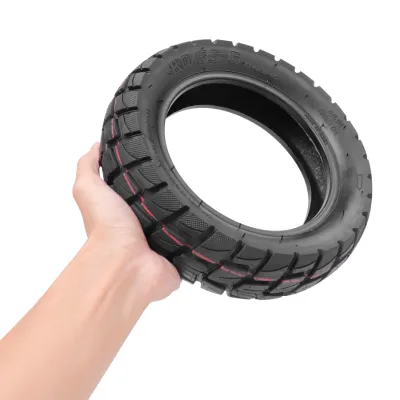
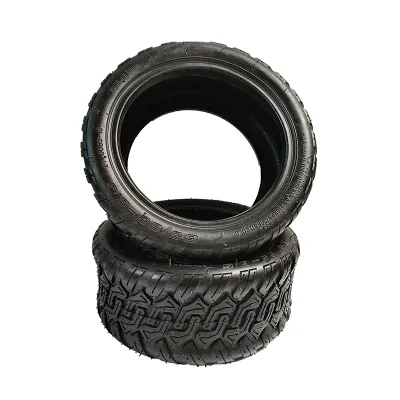
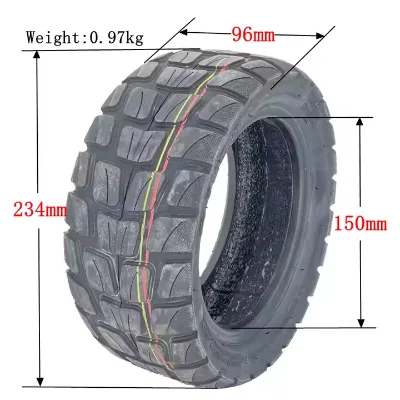


Motorcycle Tyre Tricycle Tire Factory Motorcycle Tire off Road Scooter Tyre
$17.84 - $17.90
MOQ: 1000 Pieces


Vgood Reliable Thick 14*2.125 85/65-6 Scooter Outer Tubeless Tyre New Tire Scooter Tires
$0.90 - $0.92
MOQ: 1000 Pieces


Comprehensive Sourcing Guide
Strategic Sourcing Guide for Scooter Outer Tires
Understanding Technical Specifications and Variability
When sourcing scooter outer tires, buyers must navigate a landscape defined by significant variability in technical specifications. The market does not offer a single monolithic product but rather a range of configurations tailored to specific vehicle types and performance requirements. Based on observed market data, the core product attributes include diverse diameter sizes, with listings indicating availability in 15-16 inch, 17 inch, and 18 inch variants. Specific model numbers such as 2.50-17, 3.00-17, 3.00-18, and 80/80-16 or 80/10-21 represent distinct sizing standards that must be matched precisely to the scooter's rim and axle specifications.
The construction of these tires is another critical variable. The supply chain features both Diagonal Tire designs and Bias Belted Tyres, each offering different handling characteristics. The tire hierarchy often indicates a 6PR (6 Ply Rating), which suggests a specific load-bearing capacity and durability level suitable for urban and light off-road applications. Material composition is predominantly natural rubber, sometimes blended with butyl rubber, with raw material content ranging between 40% and 65%. The cord material is frequently identified as nylon, providing structural integrity. Buyers should verify the exact rubber content and cord material for their specific order, as these factors directly influence the tire's elongation at break, which can range from 500% to 550%, and tensile strength, typically observed between 9 and 11 MPa.
Furthermore, the tread pattern is a decisive factor for application suitability. The market offers Dual Purpose Tread Patterns for mixed terrain and Cross-Country Tread Patterns for more rugged use. The valve type is commonly Tr4, and the tire condition is listed as New. While some listings specify a work life of 20,000 km, this figure should be treated as an observation rather than a guaranteed performance metric for every unit, as actual longevity depends heavily on riding conditions and maintenance.
Compliance and Certification Verification
Navigating the regulatory landscape is essential for international procurement. Scooter tires must meet specific safety and quality standards to be legally sold in target markets. The observed certification landscape includes CCC (China Compulsory Certification), ISO (International Organization for Standardization), DOT (Department of Transportation), and CE (Conformité Européenne). The presence of these certifications indicates that the manufacturer has undergone specific testing protocols, but buyers must confirm that the specific batch they are purchasing carries the relevant marks for their destination country.
For instance, while some product listings highlight ISO and DOT certifications, others may only list ISO and CE. This variance suggests that compliance is not uniform across all models or suppliers. Buyers should not assume that a supplier with one certification automatically covers all their product lines. It is imperative to request current certification documents for the specific model number being ordered, such as the ATV-04 or 3.00-17 variants. The standard for the tire size itself, such as 6*6.50 /7.50/8.50-8, must also align with the regulatory standards of the importing region.
Additionally, the origin of the product plays a role in compliance. The primary production locations identified are Qingdao and Shandong, China. While these regions are established manufacturing hubs, the specific factory's compliance history and audit status should be verified. The "OEM" brand designation indicates that the tires are often produced for other brands, which can be advantageous for private labeling but requires strict quality control to ensure the OEM standards are met without compromising on safety certifications.
Cost Drivers and Pricing Dynamics
The pricing structure for scooter outer tires is influenced by a complex interplay of factors, resulting in a wide observed price range from 0.61 to 17.9 USD. This significant spread indicates that price is not merely a function of the tire's size but is heavily dependent on the specific material composition, certification levels, and order volume. The lower end of the price spectrum likely corresponds to basic models with standard natural rubber content and minimal packaging, while the higher end may reflect specialized tread patterns, higher ply ratings, or tires with extensive certification suites.
Order volume is a primary driver of cost efficiency. The Minimum Order Quantity (MOQ) ranges from 2 to 4900 units. Buyers purchasing small quantities may face a higher per-unit cost due to the fixed costs of production setup and logistics. Conversely, large-volume orders can leverage economies of scale, potentially reducing the unit price significantly. However, the high MOQ of 4900 units may present a barrier for smaller distributors or those testing new markets.
Packaging requirements also impact the final cost. Some suppliers offer standard packaging, such as color straps or PE-bound bundles of 10 or 20 pieces, while others provide fully customized packing according to customer requirements. Customization adds a layer of complexity and cost to the supply chain. Additionally, the weight of the tire, which varies by model, affects shipping costs. Since the weight is listed as "Different Weight," buyers must calculate freight charges based on the specific model's density and dimensions rather than relying on an average estimate.
Typical Applications and Market Segmentation
Scooter outer tires serve a diverse range of applications, dictated by the tire's design and tread pattern. The availability of Dual Purpose and Cross-Country tread patterns suggests a market segmentation that includes both urban commuters and off-road enthusiasts. The 17-inch and 18-inch sizes are often associated with larger scooters or light utility vehicles, while the 80/80-16 and 80/10-21 sizes are typical for smaller electric scooters or specialized utility vehicles.
The "Vacuum Tire" and "Tube" classifications indicate versatility in mounting systems. Some models are designed for tubeless installation, which offers convenience and reduced risk of sudden deflation, while others require inner tubes. The "Tt: Yes" attribute confirms the availability of tube-type tires for specific applications. The work life of 20,000 km suggests that these tires are engineered for moderate to high usage, making them suitable for delivery services, rental fleets, and daily commuters.
The global export markets mentioned in the data highlight the international demand for these products. The "OEM" nature of the branding implies that these tires are frequently used by scooter manufacturers who do not produce their own rubber components. This creates a B2B environment where the end-user may never see the tire manufacturer's name, relying instead on the scooter brand's reputation. Buyers sourcing for resale must understand that the tire's performance is integral to the final product's reliability, regardless of the branding strategy.
Supplier Evaluation and Origin Considerations
Evaluating suppliers requires a focus on their production capabilities and geographic consistency. The primary production origins identified are Qingdao and Shandong, China. These regions are known for their robust rubber manufacturing infrastructure. However, buyers should verify that the supplier's stated origin matches the actual factory location to ensure consistency in quality control and logistics.
Customization capabilities are a key differentiator among suppliers. The data confirms that customization is available, with options for custom packing and potentially custom tread patterns. This flexibility is crucial for buyers looking to differentiate their products or meet specific regional requirements. The ability to produce according to the customer's requirement for packing, whether it involves color straps or specific bundle counts, demonstrates a supplier's adaptability.
When evaluating a supplier, buyers should look for a track record of meeting the observed specifications, such as the specific model numbers and standard sizes. The presence of multiple certifications (CCC, ISO, DOT, CE) in the supplier's portfolio is a positive indicator, but the buyer must ensure these certifications are valid and applicable to the specific order. The "Different Model" and "Different Pattern" attributes suggest a broad catalog, but the buyer must ensure the specific items ordered match the technical requirements of their target market.
Quality Control and Long-Term Procurement
Ensuring consistent quality is paramount in long-term procurement. The material properties, such as the 500%-550% elongation at break and 9-11 MPa tensile strength, serve as benchmarks for quality. Buyers should request test reports or batch-specific data to verify that the rubber content and cord material meet these standards. The "Naturel Rubber" and "Butyl Rubber" composition should be consistent across batches to maintain performance reliability.
Long-term procurement considerations include the stability of the supply chain and the ability to scale. The wide MOQ range allows for flexibility, but buyers should establish a relationship with a supplier who can accommodate both small trial orders and large volume replenishments. The "Work Life" of 20,000 km is a target metric; buyers should monitor field performance to ensure this expectation is met in real-world conditions.
Packaging consistency is another aspect of quality control. Whether the tires are wrapped in color straps or packed in PE-bound bundles, the packaging must protect the tire from damage during transit. The "According to The Customer Acquirement" packing option allows for tailored solutions, but the supplier must demonstrate the ability to execute these custom requirements reliably.
Final Procurement Strategy
In conclusion, sourcing scooter outer tires requires a meticulous approach that balances technical specifications, compliance, cost, and supplier reliability. The market offers a wide array of options, from 15-inch to 18-inch diameters, with various tread patterns and construction types. Buyers must verify certifications, understand the cost drivers related to volume and customization, and evaluate suppliers based on their origin and production capabilities. By focusing on the specific attributes observed in the market, such as the 6PR hierarchy and natural rubber composition, buyers can make informed decisions that ensure the quality and safety of their products. The goal is to establish a supply chain that delivers consistent performance, meets regulatory requirements, and supports the long-term growth of the business.
FAQs
What certifications are available for scooter outer tires?
Scooter outer tires typically carry CCC, ISO, DOT, and CE certifications. Buyers must verify that the specific batch matches their destination country requirements, as compliance varies by model and supplier location.
Which tire sizes are commonly available for scooters?
Common sizes include 15-16 inch, 17 inch, and 18 inch diameters with specific models like 2.50-17 and 3.00-18. Buyers should match these exact dimensions to their vehicle's rim and axle specifications before ordering.
Can I request custom packaging for my tire order?
Yes, customization is available including packing according to customer requirements or using color straps. This option adds flexibility but may impact the final cost and lead time depending on the specific volume ordered.
What is the typical minimum order quantity for these tires?
The minimum order quantity ranges from 2 to 4900 units depending on the supplier and model. Small quantities may incur higher per-unit costs, while large volumes leverage economies of scale to reduce pricing.
How is the tire construction defined in terms of design?
Tires are available as Diagonal Tires or Bias Belted Tyres with a 6PR hierarchy. The construction uses nylon cord and natural rubber, influencing durability and load-bearing capacity for urban or off-road applications.
Where are these scooter tires primarily manufactured?
Primary production origins are Qingdao and Shandong, China. Buyers should confirm the specific factory location to ensure consistency in quality control and to verify that the stated origin matches the actual production site.
What is the expected work life of these tires?
The observed work life is approximately 20,000 km under standard conditions. This figure is an observation and actual longevity depends heavily on riding conditions, maintenance, and the specific tire model purchased.