Find Frosted Roll On Perfume Bottle for Serums, Essential Oils, and Aromatherapy
Buyers sourcing a Frosted Roll On Perfume Bottle can compare glass capacities from 5 to 50 ml, stainless steel rollers, screw or sprayer caps, Pantone-coded cap colors, and finishes like gradient and matte. With 30 listings, customization, free 2-3 samples, and 25-day delivery are noted where listed.
Key considerations
Products List


Contemporary Style Modern Minimalist Frosted Glass Perfume Roll on Bottle
$0.10 - $0.11
MOQ: 5000 Pieces

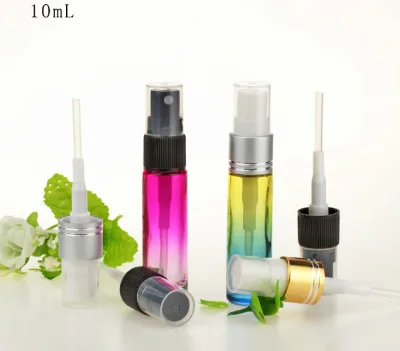
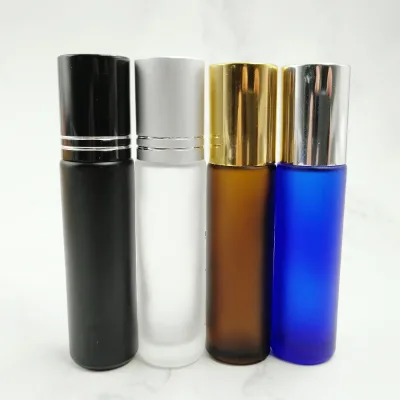
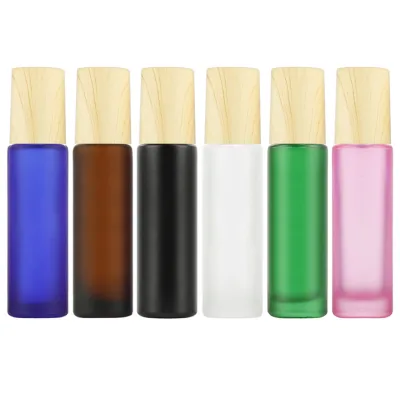
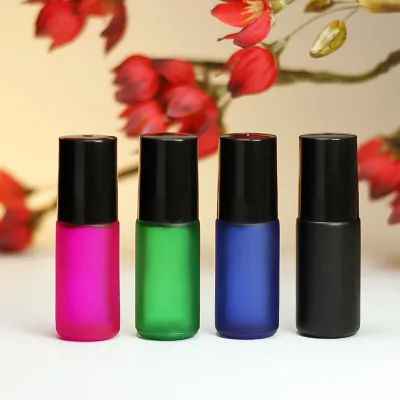
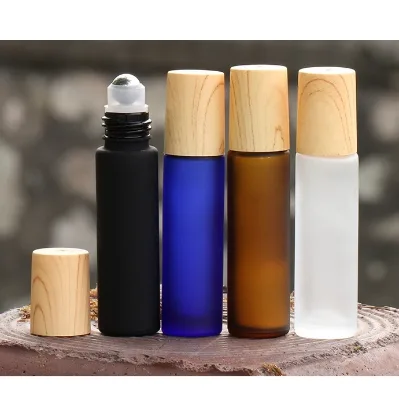
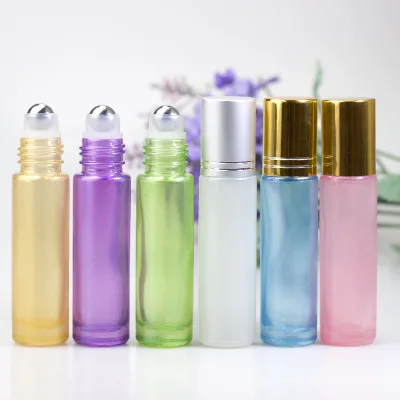
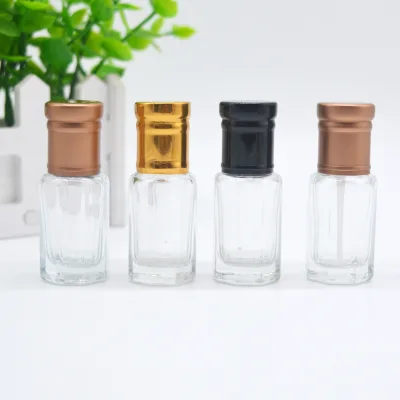


50ml 60ml Cosmetic Package Plastic Roll on Bottle for Perfume Deodorant
$0.07 - $0.16
MOQ: 10000 Pieces


Frosted 10ml Roll on Essence Oil Glass Bottle Transparent Perfume Bottle
$0.05 - $0.50
MOQ: 5000 Pieces


Comprehensive Sourcing Guide
Frosted Roll On Perfume Bottle Sourcing Guide
Sourcing frosted roll on perfume bottles requires a careful balance between aesthetic appeal and functional integrity, particularly when dealing with volatile essential oils and fragrances. The market offers a diverse range of glass containers that combine the visual softness of a matte or frosted finish with the practical application method of a roller ball. Buyers must navigate a landscape where customization options, such as gradient effects or specific cap colors, intersect with strict material requirements like stainless steel rollers and glass bodies. Understanding the interplay between these design elements and their impact on product shelf life and user experience is the first step in developing a successful procurement strategy.
The procurement process is further complicated by varying supplier capabilities regarding minimum order quantities (MOQs) and lead times. While some suppliers may offer low MOQs for standard clear or transparent options, customized frosted finishes often trigger higher thresholds due to the additional processing steps involved in surface treatment and printing. Furthermore, the origin of the product, frequently cited as regions like Ningbo or Hebei in China, influences logistics and quality control protocols. Buyers need to establish clear communication channels early to align on production timelines, which can extend to twenty-five days or more, and to ensure that the final product meets both aesthetic and regulatory expectations.
Product Scope and Observed Listing Signals
The observed product landscape for frosted roll on perfume bottles reveals a strong emphasis on customization and specific material compositions. Listings frequently highlight glass as the primary body material, often paired with stainless steel roller balls to ensure durability and smooth application. The capacity range is typically small, spanning from 1ml to 50ml, with common sizes including 1ml, 5ml, 10ml, and 15ml. This size versatility allows buyers to target different market segments, from travel-sized samples to full-sized luxury items. The presence of gradient or matte finish decorations indicates a trend toward premium visual aesthetics, which can significantly enhance brand perception on retail shelves.
Application scope is broad, covering perfumes, essential oils, aromatherapy blends, serums, and hair oils. This versatility suggests that the packaging is not limited to traditional fragrance markets but also serves the growing personal care and skincare industries. Suppliers often list usage for medicine, chemicals, and cosmetics, indicating the robustness of the glass construction against various chemical compositions. However, buyers should verify the compatibility of the specific frosted coating with their particular formula, as certain aggressive solvents might interact with surface treatments. The inclusion of screw caps or roll-on sealing types further defines the functional scope, ensuring leak-proof performance during transport and use.
Technical Specifications to Verify
Verifying the technical specifications of the roller ball mechanism is critical for ensuring a consistent and controlled application of the product. The roller ball material is typically stainless steel, which offers corrosion resistance and hygiene, but buyers must confirm the grade and finish to prevent rusting or staining over time. The sealing type, whether it is a standard roll-on mechanism or a more complex sprayer cap variant, must be tested for leakage and flow rate. Inconsistent flow can lead to product waste or user frustration, so requesting samples to test the viscosity compatibility with different oil densities is a necessary step before placing bulk orders.
Surface printing and decoration techniques, such as screen printing, hot stamping, or gradient effects, require close scrutiny to ensure longevity and adhesion. The listed specifications mention options for Pantone code cap colors and custom bottle colors, which necessitate precise color matching processes. Buyers should verify how the frosted or matte finish is achieved, whether through acid etching, sandblasting, or a specialized coating, as this affects the tactile feel and resistance to scratching. Additionally, the model numbers and standard sizes, such as 10ml or 15ml, should be cross-referenced with actual physical samples to ensure that the internal volume matches the labeled capacity, preventing regulatory issues related to net content discrepancies.
Compliance and Safety Documentation
Compliance with international standards is non-negotiable for packaging materials that come into direct contact with consumer products. Suppliers often cite certifications such as SGS, TUV, ISO8317, and GCC, which indicate adherence to specific quality and safety benchmarks. ISO8317, in particular, is relevant for glass containers used in the pharmaceutical and cosmetic industries, ensuring that the glass has the necessary chemical resistance and durability. Buyers must request valid, up-to-date certification documents and verify their authenticity, as these credentials are essential for entering regulated markets in Europe, North America, and Asia.
Safety documentation should also include material safety data sheets (MSDS) for any coatings or inks used in the decoration process. Even if the primary material is glass, the additives used for frosted finishes or printed designs must be free from harmful substances like lead or cadmium, especially for products applied to the skin. The absence of reed diffuser components in some listings simplifies the safety profile, but buyers must still ensure that the roller ball mechanism does not harbor bacteria or degrade over time. Clear communication regarding the industrial use classification, such as cosmetic or personal care, helps align the supplier’s compliance efforts with the buyer’s regulatory requirements.
Cost Drivers and Commercial Terms
The cost of frosted roll on perfume bottles is influenced by several key factors, including material quality, customization complexity, and order volume. The base price for standard clear glass bottles is generally lower, but the addition of frosted or matte finishes, gradient decorations, and custom Pantone cap colors introduces significant cost premiums. These aesthetic enhancements require additional processing steps, such as specialized painting or etching, which increase labor and material costs. Buyers should anticipate a price range that reflects these variables, understanding that higher customization levels will correlate with higher unit costs.
Minimum order quantities (MOQs) play a crucial role in determining the final landed cost. While some suppliers may accept low MOQs for standard items, customized frosted bottles often have MOQs starting at 10,000 units, with color-specific MOQs potentially reaching 20,000 units. This threshold is designed to amortize the setup costs for custom molds, colors, and printing plates. Lead times, typically around twenty-five days, also impact cash flow and inventory planning. Buyers should negotiate clear terms regarding sample costs, which are often provided as two to three free samples, and clarify who bears the responsibility for shipping and customs duties to avoid unexpected expenses.
Supplier Qualification and Quality Control
Qualifying a supplier for frosted roll on perfume bottles involves assessing their manufacturing capabilities and quality control systems. Suppliers originating from regions like Ningbo or Hebei in China often have established supply chains for glass and metal components, but buyers must verify their ability to maintain consistent quality across large batches. Requesting references or case studies from previous clients in the cosmetic or essential oil industry can provide insight into the supplier’s reliability and responsiveness. It is also advisable to conduct factory audits or hire third-party inspection services to evaluate their production lines, particularly the areas responsible for surface finishing and roller ball assembly.
Quality control protocols should include rigorous testing for leakage, roller ball rotation smoothness, and coating adhesion. Buyers should establish clear acceptance criteria for visual defects, such as uneven frosted finishes or misaligned prints, and define the allowable defect rate. The packing method, typically involving cartons and pallets, must be designed to prevent breakage during transit, given the fragility of glass products. Implementing a pre-shipment inspection process ensures that the final goods meet the agreed-upon specifications before they leave the factory, reducing the risk of receiving substandard inventory that could damage the buyer’s brand reputation.
Long-Term Procurement Checks
Long-term procurement success depends on establishing a sustainable relationship with suppliers who can adapt to changing market demands and regulatory landscapes. Buyers should regularly review supplier performance metrics, including on-time delivery rates, defect rates, and responsiveness to issues. Continuous improvement initiatives, such as exploring new eco-friendly materials or more efficient production techniques, can help reduce costs and environmental impact over time. Maintaining open communication channels allows for collaborative problem-solving and ensures that both parties are aligned on future product developments and volume commitments.
As consumer preferences evolve, the demand for unique aesthetic features and functional improvements may shift. Buyers should stay informed about emerging trends in packaging design, such as new frosted textures or innovative roller mechanisms, and work with suppliers to integrate these features into their product lines. Regularly updating compliance documentation and verifying that suppliers adhere to the latest international standards is essential for maintaining market access. By proactively managing these long-term factors, buyers can secure a reliable supply of high-quality frosted roll on perfume bottles that meet both current and future business needs.
FAQs
What customization options are available for these bottles?
Customization is available for these glass roll-on bottles, allowing buyers to specify details like color and printing. The product supports custom colors and hot stamping or screen printing. Buyers can request specific Pantone codes for cap colors to match their brand identity.
Can I get free samples before placing a large order?
Yes, free samples are available, typically ranging from two to three units per request. This allows buyers to verify the quality of the frosted roll-on glass perfume bottle before committing to a bulk purchase. The sample policy helps ensure the product meets specific application needs.
What is the minimum order quantity for custom colors?
The minimum order quantity for custom colors is 20,000 units, while the standard MOQ is 10,000 units. This distinction applies to the glass roll-on bottles used for perfumes and essential oils. Buyers must plan their inventory accordingly to meet these specific volume thresholds for color customization.
Which certifications do these glass bottles hold?
These bottles hold certifications including SGS, TUV, ISO8317, and GCC. These standards ensure the glass roll-on bottles meet safety and quality requirements for cosmetic and chemical applications. The certifications provide assurance for buyers sourcing products for medicine, personal care, or aromatherapy markets.
How long does delivery take for these roll-on bottles?
The standard delivery time for these products is 25 days. This lead time applies to the frosted roll-on glass perfume bottles sourced from Ningbo or Hebei. Buyers should account for this duration when planning their supply chain and inventory replenishment schedules.
What capacities are available for these glass roll-on bottles?
Available capacities range from 1ml to 50ml, with specific models like 15ml and 10ml commonly listed. These glass roll-on bottles are suitable for serums, perfumes, and essential oils. The variety in capacity allows buyers to select the right size for different product formulations and packaging requirements.
What materials are used for the roller ball and bottle?
The roller ball is made of stainless steel, while the bottle body is made of glass. This combination ensures durability and chemical resistance for storing perfumes and essential oils. The glass material is available in clear or frosted finishes with gradient or matte decoration options.