Source Frozen Mixed Vegetables for Soups, Stir-fries, and Salads
Compare 30 listings of Frozen Mixed Vegetables from Shandong and Hebei suppliers. Buyers can evaluate processing methods like IQF and LQF, certifications including BRC and FDA, and packaging options for bulk or retail use; compare the available evidence and request quotations based on your requirements.
Updated
Key considerations
Products List


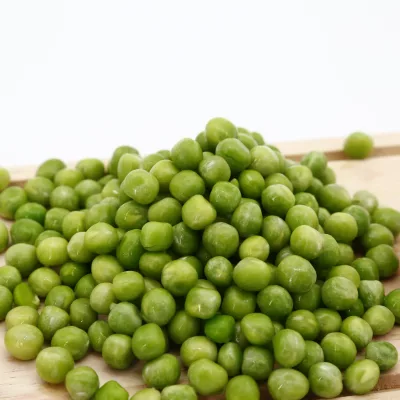
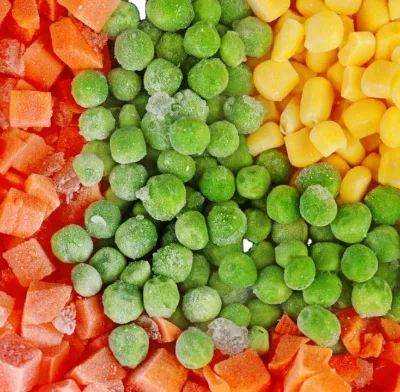
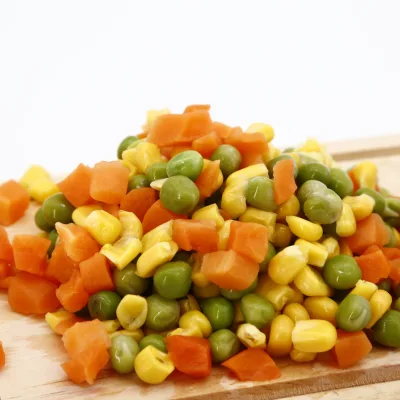
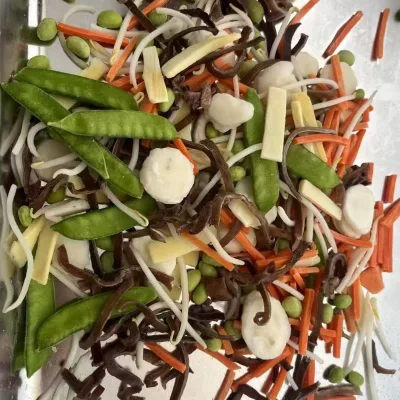
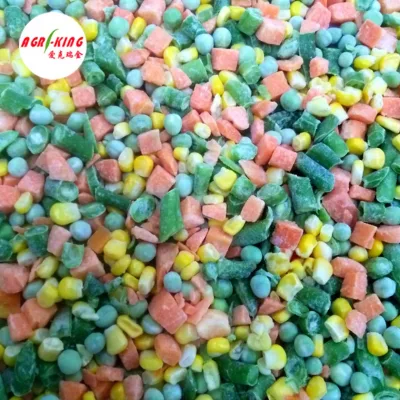
New Crop of Frozen Mixed Vegetables 3 Ways Mixed for Wholesales
$1030.2477 - $1236.2973
MOQ: 10 Minimum
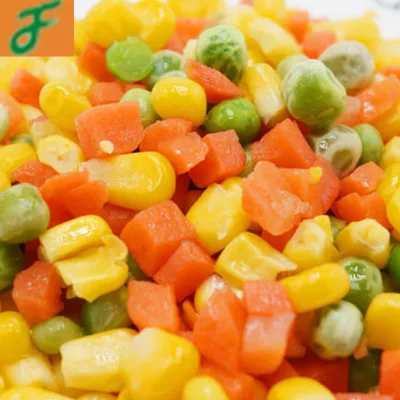
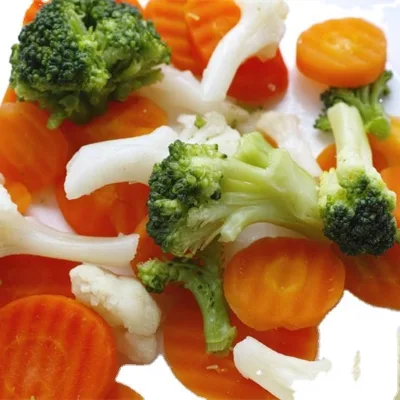
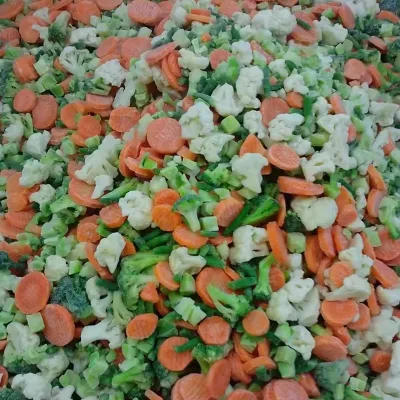
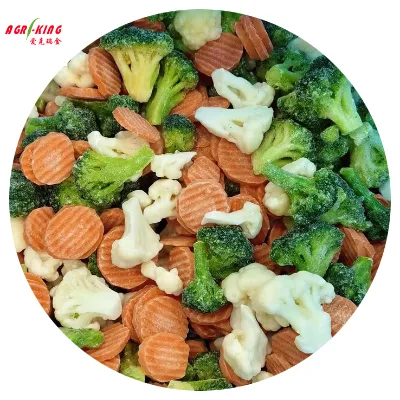
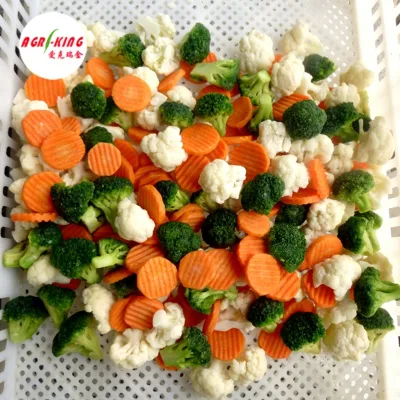
HACCP Factory Price Frozen Mixed Vegetables Carrot Cauliflower Broccoli
$618.1486 - $824.1982
MOQ: 1 Minimum
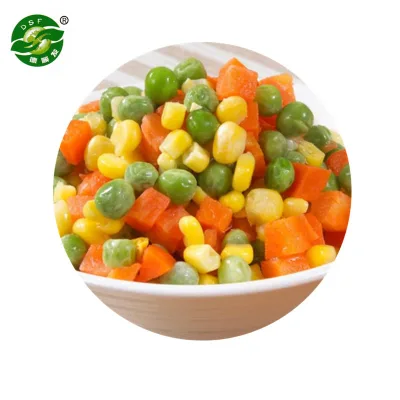
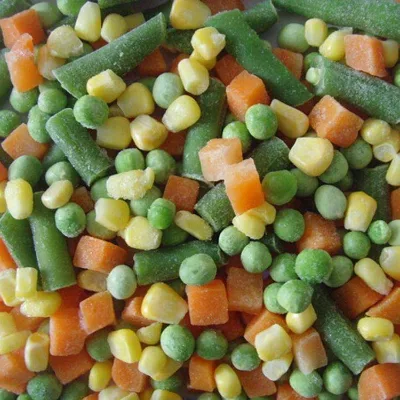
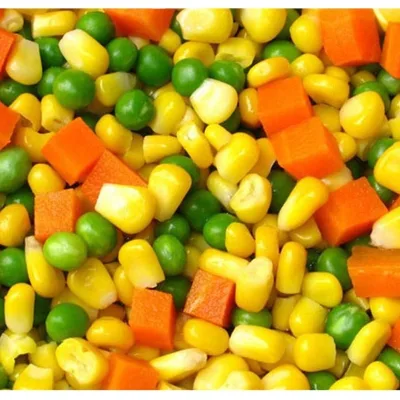
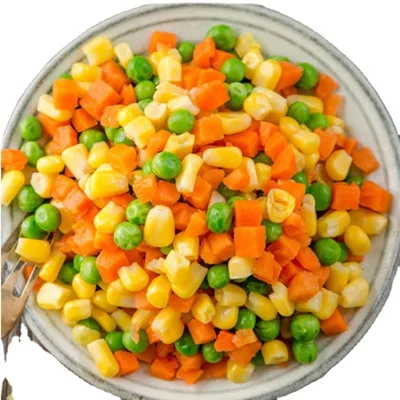
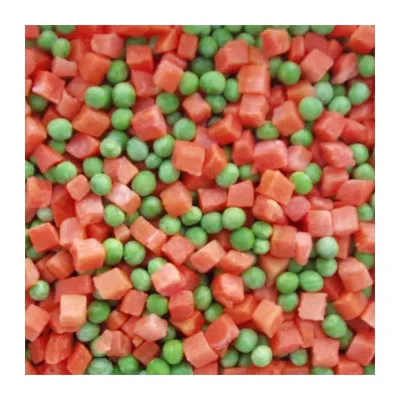
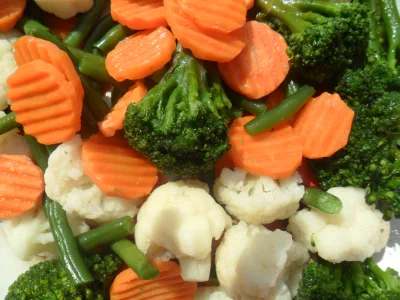
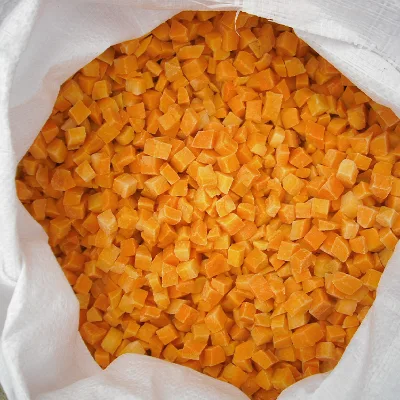
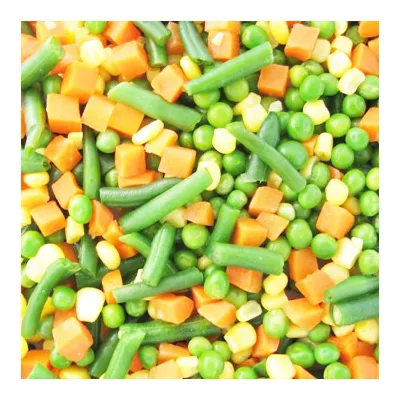
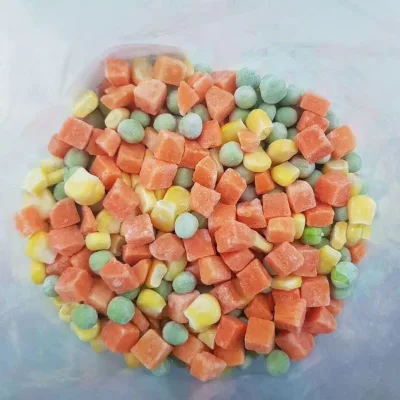
Classic Frozen Mixed 4 Way in Large Volumes Premium Genre of Frozen Vegetables
$300.00 - $600.00
MOQ: 10 Minimum


Comprehensive Sourcing Guide
Frozen Mixed Vegetables Sourcing Guide
Procuring Frozen Mixed Vegetables requires a disciplined approach to verifying processing methods and storage integrity, as these factors directly dictate product quality and shelf life. Buyers must distinguish between IQF (Individually Quick Frozen) and LQF (Liquid Quick Frozen) techniques, as the chosen method affects texture, clumping, and ease of portioning during production. The observed market signals indicate a strong presence of suppliers in Shandong and Hebei provinces, China, which are established hubs for agricultural processing. Understanding the specific freezing process is critical because it influences how the vegetables behave during thawing and subsequent cooking, ensuring consistency in final dish presentation and nutritional value.
Storage temperature requirements are non-negotiable for maintaining the safety and quality of Frozen Mixed Vegetables. The supplied data confirms that products must be stored at temperatures below -18°C to preserve freshness and prevent microbial growth. Buyers should verify that their cold chain logistics maintain this threshold from the supplier’s factory in locations like Qingdao to the final destination. Any deviation in temperature control can lead to ice crystal formation, texture degradation, and potential spoilage. Therefore, establishing robust cold chain monitoring protocols is essential to protect the investment and ensure that the mixed vegetables arrive in optimal condition for further processing or retail distribution.
Product Scope and Observed Listing Signals
The current market listings reveal a diverse range of product attributes, including mixed vegetable blends, whole fish products, and specialized shapes, indicating a broad supplier capability. Observed price points vary significantly, ranging from $0.78 to $1540.07 USD, reflecting differences in packaging, volume, and specific vegetable compositions. Minimum Order Quantities (MOQ) also fluctuate, with some suppliers requiring bulk purchases of 10 metric tons, while others offer smaller MOQs of just one carton. This variability allows buyers to tailor their procurement strategy based on their storage capacity and demand volume, whether they are large-scale manufacturers or smaller specialty food producers.
Packaging and branding details provide additional insights into supplier professionalism and product handling. Common packaging materials include bags and cartons, with some products labeled as bulk packaging or boxed units. Brand names such as Shiweiku appear in the listings, suggesting established commercial entities in the sector. The products are often described with keywords like "healthy," "high dietary fiber," and "original flavor," which appeal to health-conscious consumers. Buyers should carefully review these descriptive attributes to ensure they align with their target market’s preferences, while also verifying that the physical packaging meets their logistical and labeling requirements for international trade.
Technical Specifications to Verify
Verifying the physical specifications of Frozen Mixed Vegetables is crucial for ensuring they meet production line requirements. Key attributes to confirm include the shape, such as special shapes or standard cuts, and the content composition, which may include various vegetables or specific blends. The observed listings mention specifications like 500g portions and mixed vegetable contents, which help in planning portion control and recipe standardization. Buyers must also check the gross weight per batch, which is listed as 1.000 kg in some cases, to ensure accurate inventory management and cost calculation. These details directly impact how the product integrates into existing manufacturing processes and final product formulations.
Shelf life and cooking instructions are vital technical parameters that affect inventory turnover and operational efficiency. The supplied data indicates shelf lives of 12 to 24 months when stored at -18°C, providing flexibility in stock management. Cooking instructions vary, with some products requiring frying for 5-10 minutes, while others are suitable for raw consumption or mixed preparation. Buyers should verify these instructions to ensure their kitchen staff or production teams are trained appropriately. Additionally, the cultivation type, noted as common in some listings, and the flavor profile, described as natural or original, should be confirmed to match the desired taste and quality standards of the end consumer.
Compliance and Safety Documentation
Compliance with international food safety standards is a prerequisite for sourcing Frozen Mixed Vegetables from China. The observed certifications include BRC, FDA, HACCP, ISO, Halal, and Kosher, which indicate a high level of regulatory adherence and quality management. Buyers must request and verify these certificates to ensure that the supplier meets the legal requirements of their target markets. These certifications cover various aspects of production, from raw material sourcing to processing and packaging, providing assurance that the products are safe for consumption. Maintaining up-to-date compliance documentation is essential for avoiding customs delays and ensuring market access in regions with strict food safety regulations.
Quality assurance processes should be rigorously evaluated to mitigate risks associated with agricultural products. Buyers should inquire about the supplier’s quality control measures, including testing for contaminants, microbial loads, and foreign materials. The listed quality attribute of "High Quality" suggests a commitment to excellence, but this must be substantiated by detailed quality reports and audit results. Additionally, the service level, such as 24-hour online support, can be valuable for addressing any post-purchase issues or queries. Establishing a clear communication channel for quality-related concerns ensures that any deviations from agreed standards are promptly identified and resolved, protecting the buyer’s brand reputation.
Cost Drivers and Commercial Terms
Understanding the cost drivers in frozen mixed vegetable procurement helps buyers negotiate better commercial terms. Factors such as packaging material, batch size, and processing method significantly influence the final price. The observed MOQs range from 1 carton to 10 metric tons, allowing for flexible purchasing options based on budget and storage constraints. Buyers should analyze the cost per unit weight to compare offers accurately, considering that bulk purchases may offer economies of scale. Additionally, the selling units, often in multiples of 10, should be factored into the total cost calculation to avoid unexpected expenses or inventory mismatches.
Commercial terms, including payment methods and delivery conditions, play a crucial role in the overall procurement strategy. Buyers should clarify the lead times and shipping arrangements with suppliers, especially given the cold chain requirements. The factory locations in Shandong and Hebei, with shipping points in Qingdao, are strategic for export logistics. Understanding the Incoterms and freight responsibilities is essential for accurate cost forecasting. Furthermore, buyers should negotiate terms that allow for quality inspections before shipment, ensuring that the products meet the specified standards before payment is finalized. This proactive approach minimizes financial risk and ensures value for money.
Supplier Qualification and Quality Control
Supplier qualification involves a thorough assessment of their production capabilities and historical performance. Buyers should verify the supplier’s factory location and capacity to ensure they can meet demand volumes consistently. The presence of multiple certifications suggests a mature quality management system, but on-site audits or third-party inspections can provide deeper insights into operational practices. Evaluating the supplier’s ability to maintain consistent product quality across batches is critical, especially for mixed vegetable blends where ingredient ratios must be precise. Building a relationship with a reliable supplier ensures stability in supply and quality, which is vital for long-term business success.
Quality control measures should be integrated into the procurement process to maintain high standards. Buyers should establish clear quality specifications and acceptance criteria in their contracts, including parameters for color, flavor, and texture. Regular sampling and testing of incoming goods can help detect any deviations early. The supplier’s service commitment, such as 24-hour online support, can be leveraged for quick resolution of any quality issues. Additionally, buyers should monitor the supplier’s response to feedback and their willingness to implement corrective actions. A collaborative approach to quality control fosters continuous improvement and ensures that the Frozen Mixed Vegetables meet the evolving needs of the market.
Long-Term Procurement Checks
Long-term procurement success depends on continuous monitoring of supplier performance and market trends. Buyers should regularly review supplier certifications and quality reports to ensure ongoing compliance with regulatory standards. Tracking changes in product specifications, such as packaging sizes or ingredient compositions, helps in adapting to market demands. Additionally, staying informed about advancements in freezing technologies, such as IQF and LQF, can provide opportunities for cost savings or quality enhancements. Building a diversified supplier base can mitigate risks associated with single-source dependencies, ensuring resilience in the supply chain.
Strategic relationship management is key to securing favorable terms and priority service from suppliers. Buyers should engage in regular performance reviews, discussing areas for improvement and exploring new product opportunities. Leveraging the supplier’s expertise in product development, such as creating new mixed vegetable blends, can drive innovation in the buyer’s own product line. Furthermore, maintaining open communication channels facilitates quick responses to market fluctuations or supply disruptions. By focusing on long-term partnerships rather than transactional relationships, buyers can achieve greater stability, cost efficiency, and competitive advantage in the Frozen Mixed Vegetables market.
FAQs
What certifications do the Frozen Mixed Vegetables have?
The products hold Brc, FDA, HACCP, ISO, Halal, and Kosher certifications. These credentials ensure compliance with international food safety standards. Buyers can verify these documents to meet regulatory requirements in their respective markets. The factory in Shandong, China, maintains these quality systems for all exported goods.
How should Frozen Mixed Vegetables be stored?
Store the product at temperatures below -18°C to maintain quality. The shelf life is 12 to 24 months when kept frozen. Proper storage prevents thawing and preserves the original flavor and texture. Keep the packaging sealed until use to avoid freezer burn and contamination.
What is the minimum order quantity for these vegetables?
The MOQ varies by supplier, ranging from 1 carton to 10 metric tons. Some vendors accept small trial orders of one carton, while others require bulk purchases. Buyers should check specific supplier listings to find options that match their volume needs and budget constraints.
Can these vegetables be cooked directly from frozen?
Yes, the instruction for use indicates they can be cooked directly. They are IQF or LQF processed for easy separation. Cooking methods include frying or boiling, typically taking 5-10 minutes. This convenience makes them suitable for quick meal preparation in commercial or home kitchens.
What packaging materials are used for these products?
The products are packaged in bags and cartons for bulk shipping. Some listings specify box packaging for individual batches. The packaging material is designed to protect the frozen vegetables during transit. This ensures the product arrives in good condition, ready for storage or immediate processing.
Where are these frozen vegetables manufactured?
The factory location is in Shandong and Hebei, China. Qingdao is also listed as a key address for operations. This region is known for agricultural production, ensuring fresh raw materials. Buyers can trace the origin to verify supply chain transparency and logistical efficiency for exports.