Source Front Wheel Housing Liner for Trucks, Trailers, Commercial Vehicles
Compare 30 listings for Front Wheel Housing Liner from verified Chinese suppliers. Buyers can evaluate steel and aluminum options with custom thickness, logos, and zinc or chrome finishes for truck, trailer, and commercial applications.
Key considerations
Products List


$2.15 - $3.65
MOQ: 100 Pieces


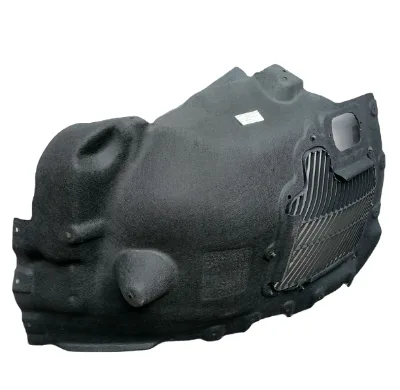


$720.00 - $860.00
MOQ: 1 Boxes


Comprehensive Sourcing Guide
Strategic Sourcing Guide for Front Wheel Housing Liners
Navigating the global market for front wheel housing liners requires a disciplined approach that balances technical compatibility with rigorous supplier verification. These components, often referred to as wheel hub covers or protective liners, serve critical functions in protecting wheel assemblies from road debris, moisture, and corrosion while maintaining aerodynamic efficiency for commercial vehicles. For procurement professionals, the challenge lies in distinguishing between generic aftermarket parts and high-specification OEM-grade components that meet the stringent demands of truck, trailer, and commercial fleet operations. The following guide outlines the essential factors for sourcing these parts effectively, grounded in observed market data and technical realities.
Technical Specifications and Material Compatibility
The foundation of a successful procurement strategy for front wheel housing liners begins with a precise understanding of material composition and dimensional specifications. Market observations indicate a diverse range of materials utilized in this sector, including steel, iron, and aluminum. Steel remains a dominant choice for heavy-duty applications due to its structural integrity, while aluminum offers weight reduction benefits for fleets prioritizing fuel efficiency. Buyers must verify the specific grade of the raw material, as options range from standard steel sheets to seamless tubes and specialized plates. The distinction between "Original" and "Copy" grades is particularly significant; original materials typically ensure superior durability and fitment, whereas copy materials may vary in tensile strength and longevity.
Dimensional accuracy is equally critical. The product models observed in the market span a wide spectrum, from specific part numbers like C00076597 and 2992113 to generic designations like "Wheel Hub Front Hub." The physical dimensions of the liner must align with the wheel hub diameter, which typically ranges from 16 to 20 inches in commercial applications. Furthermore, the standardization of these parts varies; some are manufactured to universal standards, while others are custom-made to specific customer needs. Buyers should confirm whether the liner is a non-standard component requiring bespoke tooling or a standard part with established compatibility. The processing technology, such as CNC stamping, seamless welding, and bending, directly influences the final product's precision and the elimination of sharp burrs, which can compromise safety and aesthetics.
Compliance, Certification, and Regulatory Standards
In the commercial vehicle sector, compliance is not merely a formality but a prerequisite for market entry and operational safety. When sourcing front wheel housing liners, buyers must demand verifiable certifications that attest to the product's quality and safety. The market data highlights several key certifications, including ISO, TUV, VIA, DOT, and CE. These standards indicate that the product has undergone rigorous testing for durability, impact resistance, and material safety. For instance, the "Via DOT TUV" test attribute suggests that the component meets specific Department of Transportation and technical inspection body requirements, which is essential for fleets operating in regulated environments.
Additionally, the production process must adhere to recognized quality management systems. The presence of a "TSI" certification or similar quality marks suggests adherence to specific industrial standards. Buyers should verify that the supplier's quality assurance protocols include 100% testing of finished goods, as indicated by observed product attributes. It is crucial to understand that while some suppliers may claim "Standard" compliance, others may offer "By The Customer Needs" customization, which requires a more detailed review of the specific contractual standards. The absence of a specific certification in a supplier's documentation should trigger a request for third-party test reports rather than an assumption of compliance.
Cost Drivers and Pricing Structures
Understanding the cost structure of front wheel housing liners is vital for budgeting and negotiation. The observed price range in the market is extensive, spanning from $0.94 to $860 USD. This variance is driven by several factors, including the complexity of the manufacturing process, the quality of raw materials, and the level of customization required. A basic steel liner with standard finishing will naturally fall on the lower end of the spectrum, while a custom-engineered aluminum unit with advanced surface treatments and proprietary certifications will command a premium price.
The Minimum Order Quantity (MOQ) also plays a significant role in the total cost of ownership. The market shows an MOQ range from 1 to 1000 units. For small fleet operators or those testing new suppliers, an MOQ of 1 allows for low-risk evaluation. However, larger fleets can leverage economies of scale by ordering in bulk, potentially reducing the per-unit cost. Buyers should also consider the impact of packaging and logistics on the final price. Products shipped via ocean freight in export-standard cartons or on pallets may incur different freight costs compared to those packed in simple cartons. The customization options, such as support for custom thickness or printed logos, will invariably add to the unit cost and should be factored into the total procurement budget.
Typical Applications and Operational Environments
Front wheel housing liners are primarily designed for use in heavy-duty environments where exposure to the elements and road hazards is constant. The primary application areas identified include trucks, trailers, and commercial vehicles. These components are essential for protecting the wheel hub assembly from mud, water, salt, and debris, which can lead to premature bearing failure and increased maintenance costs. The "Universal" standard observed in some products suggests broad applicability across various vehicle models, while specific model numbers indicate tailored solutions for particular truck or trailer configurations.
The environment in which the vehicle operates dictates the required specifications. For instance, liners used in coastal regions or areas with heavy winter salting require superior corrosion resistance. This is where the finishing process becomes a critical selection criterion. Options such as black electrostatic powder coating, zinc plating, and chrome finishing offer varying degrees of protection against rust and wear. The "Rust-Proof" attribute is a key indicator of a liner's suitability for harsh conditions. Buyers should match the finishing technology to the specific operational challenges of their fleet to ensure long-term performance and minimize downtime.
Supplier Evaluation and Manufacturing Capabilities
Evaluating a supplier for front wheel housing liners requires a deep dive into their manufacturing capabilities and supply chain transparency. The production process involves multiple stages, including stamping, bending, brazing, and coating. A capable supplier should demonstrate proficiency in all these areas, utilizing advanced technologies like CNC stamping to ensure precision. The location of the manufacturing facility is also a factor; while many products originate from China, specific hubs like Jinan are noted for their industrial output. Buyers should verify the origin of the raw materials, ensuring they are sourced from reputable suppliers to guarantee the "Original" grade of the steel or aluminum.
Furthermore, the supplier's ability to handle customization is a key differentiator. The market indicates that support for customized thickness and printed logos is available. This flexibility allows fleet operators to brand their vehicles or meet specific dimensional requirements. However, this capability must be balanced with the supplier's lead time and quality control measures. A supplier that offers extensive customization but lacks a robust quality assurance process may deliver inconsistent results. Buyers should request samples and review the supplier's sample time, which typically ranges from 5 to 7 days, to gauge their responsiveness and production efficiency.
Quality Control and Long-Term Procurement Considerations
Quality control is the final gatekeeper in the procurement process. The observed attribute of "100% Tested" quality suggests that a reputable supplier should have a systematic approach to inspecting every unit before shipment. Buyers should not rely solely on the supplier's claims but should implement their own incoming quality control protocols. This includes verifying the physical dimensions, checking the surface finish for defects like burrs or uneven coating, and ensuring the packaging is secure to prevent damage during transit. The "Ocean Freight" and "Carton" packing options indicate that the packaging must be robust enough to withstand long-distance shipping without compromising the product's integrity.
Long-term procurement considerations extend beyond the initial purchase. Buyers should evaluate the supplier's ability to maintain consistent quality over time and their capacity to scale production as fleet needs grow. The delivery time, ranging from 7 to 35 days, is a critical factor in supply chain planning. Variations in lead time can impact inventory levels and operational continuity. Additionally, the payment terms, such as TT (Telegraphic Transfer), should be negotiated to align with the company's financial policies. By focusing on these long-term factors, buyers can build a resilient supply chain that ensures a steady flow of high-quality front wheel housing liners, minimizing risk and maximizing the value of their procurement investment.
Comparative Analysis of Product Attributes
To facilitate decision-making, the following table summarizes the key attributes observed in the market for front wheel housing liners. This comparison highlights the variability in materials, standards, and finishing options that buyers must consider when selecting a supplier.
| Attribute Category | Observed Options | Key Considerations for Buyers |
|---|---|---|
| Material | Steel, Iron, Aluminum | Select based on weight requirements and corrosion resistance needs. |
| Grade | Original, Copy | "Original" grade ensures higher durability and fitment precision. |
| Standard | Universal, Custom, 10kg, 363225 | Verify if the part fits the specific vehicle model or requires customization. |
| Finishing | Black, Chrome, Zinc, Powder Coating | Choose based on environmental exposure (e.g., rust-proof for coastal areas). |
| Certification | ISO, TUV, VIA, DOT, CE | Essential for regulatory compliance and fleet safety standards. |
| Processing | CNC Stamping, Bending, Brazing | Advanced processing ensures smooth burr-free edges and precise dimensions. |
| Packaging | Carton, Pallet, Export Standard | Ensure packaging protects the liner during ocean freight transit. |
| Origin | China, Jinan | Consider logistics and lead times associated with the manufacturing location. |
By systematically evaluating these attributes against the specific needs of their fleet, procurement professionals can make informed decisions that balance cost, quality, and operational reliability. The diversity of the market offers solutions for every scenario, from small-scale replacements to large-scale fleet standardization, provided that the buyer maintains a rigorous approach to verification and quality assurance.
FAQs
What materials are used for front wheel housing liners?
Front wheel housing liners are commonly made from steel, iron, or aluminum. Steel offers structural integrity for heavy-duty use, while aluminum reduces weight for fuel efficiency. Buyers should verify the grade, as original materials ensure superior durability compared to copy grades.
Which certifications should I look for in these liners?
Look for ISO, TUV, VIA, DOT, and CE certifications to ensure regulatory compliance and safety. These marks indicate the product has undergone rigorous testing for durability and impact resistance. Always request third-party test reports if specific certifications are not explicitly documented.
How long does delivery typically take for these parts?
Delivery times typically range from 7 to 35 days depending on the supplier and order volume. Customization options like printed logos or specific thicknesses may extend the lead time. Buyers should confirm the exact schedule before finalizing orders to manage inventory levels effectively.
Can I customize the thickness or branding on the liners?
Yes, suppliers support customization for thickness and printed logos on the liners. This flexibility allows fleets to meet specific dimensional requirements or brand their vehicles. However, custom orders may incur higher unit costs and require a sample time of 5 to 7 days for approval.
What is the price range for front wheel housing liners?
The price range spans from 0.94 to 860 USD based on material and complexity. Basic steel liners with standard finishing cost less, while custom-engineered aluminum units command a premium. Minimum order quantities vary from 1 to 1000 units, affecting the total cost of ownership.
Which finishing options provide the best rust protection?
Black electrostatic powder coating, zinc plating, and chrome finishing offer varying degrees of rust protection. For harsh environments like coastal areas, rust-proof attributes are critical. Select the finishing technology based on the specific operational challenges your fleet faces to ensure long-term performance.