Source Fruit Pattern Dog Car Seat for Travel, Rear Seats, and Small Dogs
Buyers sourcing a Fruit Pattern Dog Car Seat can compare 30 listings covering waterproof fabric construction, woven technics, square shapes, and four-season use. Evaluate sizes, colors, OEM logo options, MOQ ranges, and packing formats before requesting quotes from Zhejiang and Dongguan suppliers.
Key considerations
Products List

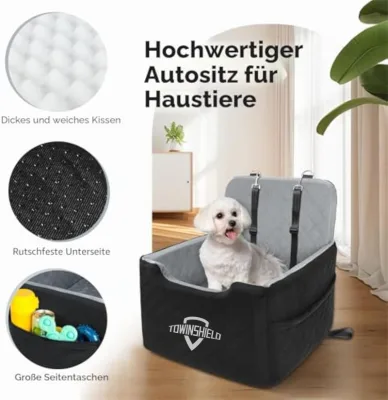
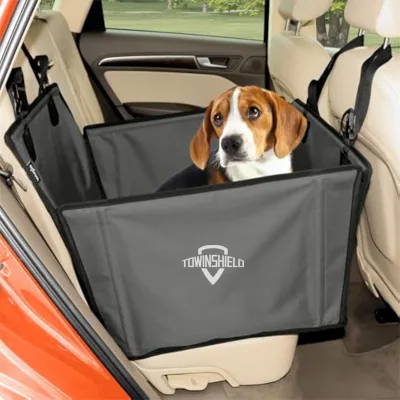
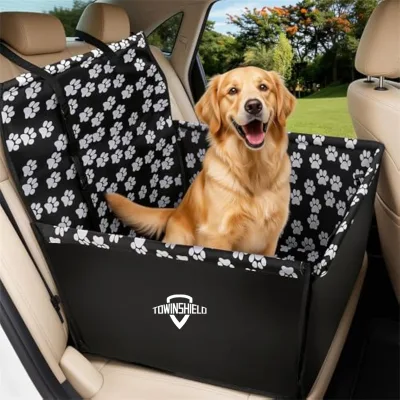
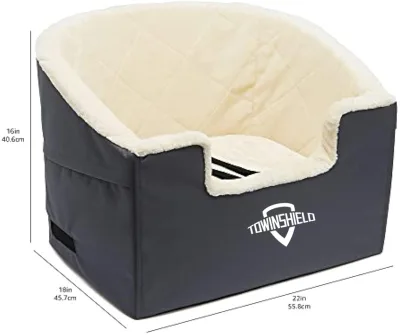
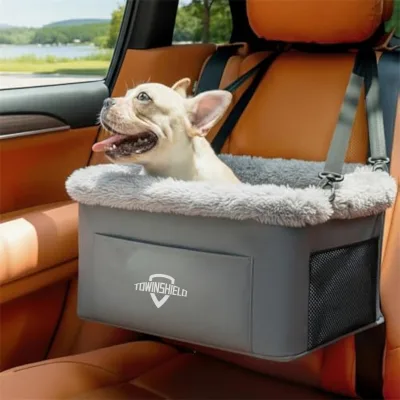
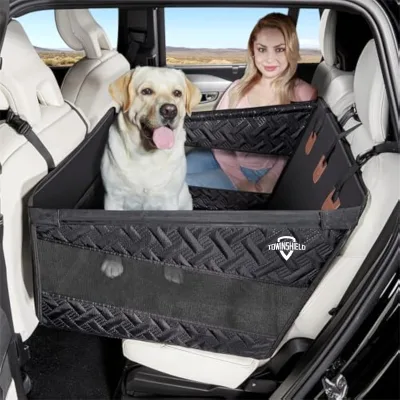


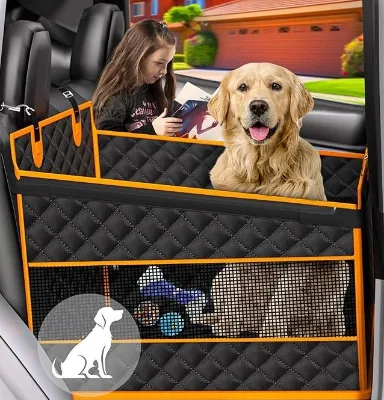
Multi-Purpose Hot Selling Car Interior Accessories Pet Dog Car Seat Covers
$9.57 - $10.63
MOQ: 300 Pieces
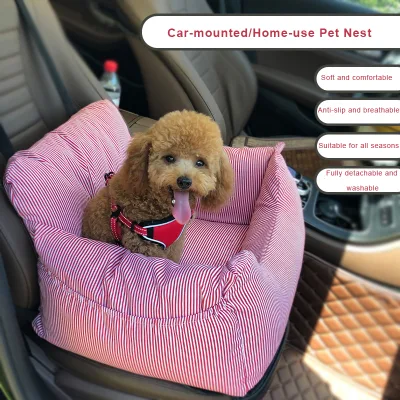
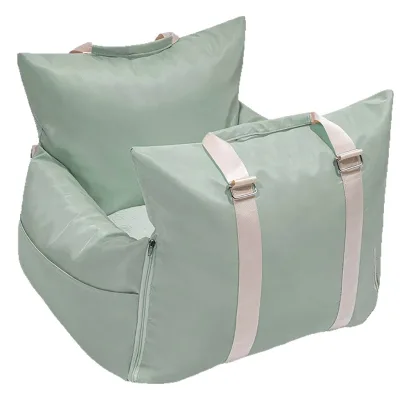


Dog Car Seat Pet Travel Bed Safety Dog Booster Seat with Removable Cover
$8.00 - $11.34
MOQ: 100 Pieces



Comprehensive Sourcing Guide
Fruit Pattern Dog Car Seat Sourcing Guide
Sourcing a Fruit Pattern Dog Car Seat requires balancing aesthetic customization with rigorous safety and durability standards. Buyers must recognize that while the visual appeal of fruit motifs drives consumer interest, the underlying product must meet strict functional requirements for pet safety and vehicle compatibility. The market offers a wide variety of designs, but successful procurement depends on verifying that the decorative elements do not compromise the structural integrity or safety certifications of the seat. This guide provides a structured approach to evaluating suppliers, understanding technical specifications, and managing commercial risks associated with this specialized automotive accessory.
The procurement process begins with a clear definition of the target market and specific use cases. Whether the seat is intended for small dogs, cats, or general pet transport, the design must accommodate the animal’s size and behavior while fitting securely into various vehicle types. Buyers should prioritize suppliers who demonstrate flexibility in customization, as the fruit pattern requirement often involves specific printing techniques or fabric choices that may not be standard in their catalog. Understanding the balance between off-the-shelf availability and bespoke design is crucial for managing lead times and inventory costs effectively.
Product Scope and Observed Listing Signals
The current market landscape for pet car seats includes a diverse range of models, from universal fit covers to specialized bucket seats designed for small dogs. Observed listings indicate a strong presence of products labeled as "Washable Pet Car Seat," "Stable Dog Car Seat," and "Raised Pet Car Bucket Seat," suggesting that buyers have access to multiple form factors. These variations cater to different vehicle interiors and pet needs, with some models emphasizing stability and others focusing on ease of cleaning. The presence of these distinct model numbers highlights the importance of selecting a product that aligns with the specific safety and comfort requirements of the end-user.
Material composition is a critical differentiator in this category, with listings showing options made from fabric, cotton, and PVC-backed materials. The use of PVC backing often indicates a focus on waterproofing and durability, which is essential for protecting vehicle interiors from pet accidents. Meanwhile, cotton or woven fabric options may appeal to buyers seeking a softer, more breathable surface for their pets. The observed color options, including black, gray, yellow, and custom colors, demonstrate the potential for aesthetic customization, but buyers must verify that the fruit pattern can be applied consistently across different material types without affecting the seat’s performance or safety features.
Technical Specifications to Verify
When evaluating technical specifications, buyers must prioritize dimensions, weight, and packaging details to ensure logistical efficiency and product fit. Standard sizes such as 137x145cm are observed in some listings, while others offer customized dimensions to fit specific vehicle models. It is essential to verify the single package size and gross weight, as these factors directly impact shipping costs and storage requirements. For instance, a single package size of 40x30x20 cm and a gross weight of 3.0 kg provide a baseline for calculating freight expenses, but buyers should confirm these metrics for each specific model to avoid unexpected logistics costs.
The construction techniques and material properties also play a significant role in the product’s longevity and safety. Woven fabric and water-resistant features are common attributes, but buyers should verify the specific type of weave and the quality of the waterproofing treatment. Additionally, the presence of a mattress or cushioning layer can enhance comfort, but it must be securely attached to prevent shifting during travel. Buyers should request detailed technical drawings or samples to assess the stitching quality, the durability of the fruit pattern print, and the overall structural stability of the seat under dynamic conditions.
Compliance and Safety Documentation
Safety and compliance are paramount when sourcing pet car seats, as these products are used in a dynamic environment where failure can result in injury. Buyers must verify that suppliers hold relevant certifications such as RoHS, ISO, and CE, which indicate adherence to international standards for material safety and quality management. These certifications are not merely formalities but serve as evidence that the supplier has implemented rigorous quality control processes. Buyers should request copies of these certificates and verify their validity with the issuing bodies to ensure that the products meet the regulatory requirements of their target markets.
In addition to certifications, buyers should inquire about specific safety tests and performance standards relevant to pet car seats. While specific test results may not be publicly listed, suppliers should be able to provide data on the seat’s ability to withstand impact, its slip resistance, and the durability of its fastening mechanisms. The use of eco-friendly materials is another important consideration, as it aligns with growing consumer demand for sustainable products. Buyers should verify the claims of eco-friendliness by requesting information on the sourcing of raw materials and the manufacturing processes used to produce the fruit pattern and seat structure.
Cost Drivers and Commercial Terms
Cost drivers in the pet car seat market include material costs, customization complexity, and order volume. The observed price range of 0.85 to 25.5 USD reflects the diversity of products available, from basic covers to more complex, multi-layered seats. Buyers should understand that the fruit pattern customization may incur additional costs due to the need for specialized printing or fabric sourcing. Minimum Order Quantities (MOQs) vary significantly, with some suppliers requiring as few as 10 pieces and others demanding up to 5000 pieces. Understanding these MOQs is crucial for managing inventory risk and cash flow, especially for new buyers entering the market.
Commercial terms such as payment methods, lead times, and shipping ports also impact the total cost of ownership. Suppliers based in Zhejiang and Dongguan, China, often offer competitive pricing and efficient logistics through ports like Shanghai and Ningbo. However, buyers should negotiate clear terms regarding sample costs, production lead times, and penalties for delays. It is also important to clarify the packaging requirements, as options like OPP bags with color cards or PE bags can affect the product’s presentation and protection during transit. Buyers should seek transparent pricing structures that include all costs, from manufacturing to shipping, to avoid hidden fees.
Supplier Qualification and Quality Control
Supplier qualification is a critical step in ensuring the reliability and consistency of the product supply. Buyers should conduct thorough due diligence on potential suppliers, including verifying their business licenses, production capabilities, and quality control systems. Suppliers who offer OEM logo acceptance and customization services demonstrate flexibility, but buyers must assess their ability to maintain consistent quality across large orders. Requesting references from existing clients and conducting factory audits can provide valuable insights into the supplier’s operational efficiency and commitment to quality.
Quality control measures should be integrated into the procurement process from the outset. Buyers should establish clear quality standards and inspection criteria, including checks for material defects, print accuracy, and structural integrity. Implementing a pre-shipment inspection process can help identify and rectify issues before the products are dispatched. Additionally, buyers should consider implementing a continuous improvement program with their suppliers to address any recurring quality issues and enhance product performance over time. Building a strong relationship with the supplier based on mutual trust and clear communication is essential for long-term success.
Long-Term Procurement Checks
Long-term procurement success depends on the ability to adapt to market changes and maintain product relevance. Buyers should regularly review customer feedback and market trends to identify opportunities for product improvement or new design iterations. The fruit pattern trend may evolve, and buyers must be prepared to update their product offerings to meet changing consumer preferences. This requires close collaboration with suppliers to ensure that new designs can be produced efficiently and cost-effectively.
Sustainability and ethical sourcing are increasingly important factors in the pet accessory market. Buyers should monitor their suppliers’ practices to ensure compliance with environmental and labor standards. This includes verifying the sourcing of raw materials and the disposal of manufacturing waste. By prioritizing sustainable practices, buyers can enhance their brand reputation and appeal to environmentally conscious consumers. Regular audits and continuous engagement with suppliers on these issues are essential for maintaining a responsible and resilient supply chain.
FAQs
Can I get a custom logo on the Fruit Pattern Dog Car Seat?
Yes, OEM logo acceptance is available for this product. The supplier allows customization of the logo on the fabric and PVC backing materials to meet your branding needs.
What are the standard dimensions for the dog car seat?
The product standard size is 137x145cm, though customized sizes are also available. Specific single package dimensions are 40x30x20 cm with a gross weight of 3.0 kg per unit.
Which certifications does the dog car seat hold?
The product holds RoHS, ISO, and CE certifications. These standards ensure the materials and manufacturing processes meet international safety and quality requirements for pet accessories.
How is the Fruit Pattern Dog Car Seat packaged?
The item is packaged in an OPP bag with a color card or a PE bag depending on the specific model. This packaging protects the fabric and PVC backing during transit.
What is the minimum order quantity for this car seat?
The minimum order quantity is 600 pieces for standard orders, though some listings show 500 pieces. Buyers should confirm the exact MOQ with the specific manufacturer before placing an order.
Where are these dog car seats manufactured?
The products originate from Zhejiang and Dongguan in China. These locations are known for producing woven fabric and PVC-backed pet accessories with water-resistant features.
Is the dog car seat suitable for all seasons?
Yes, the product is classified for four seasons use. It is designed with water-resistant features and durable fabric to protect car seats from pets year-round.