Source Eco-Friendly Disposable Toilet Bowl Cleaner for Bathrooms, Hotels, Offices
Find 30 verified options for Eco-Friendly Disposable Toilet Bowl Cleaner designed for bathrooms, hotels, and offices. Compare specifications, prices, and customization features from multiple suppliers to streamline your procurement process; compare the available evidence and request quotations based on your requirements.
Key considerations
Products List
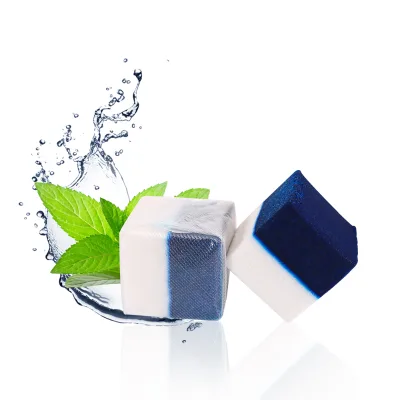


Removing Odor Blue Color Toilet Cleaner Toilet Bowl Cleaner Toilet Bowl Liquid
$0.35 - $0.40
MOQ: 5000 Pieces


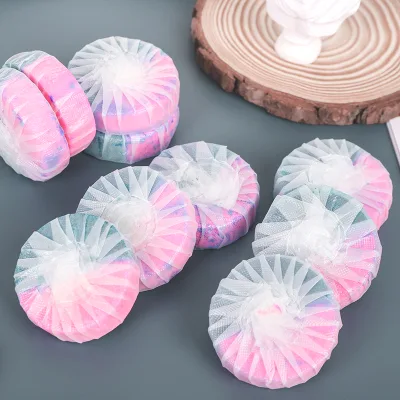


Eco Friendly Toilet Cleaner Liquid Bathroom Wc Cleaner for Daily Maintenance
$1.19 - $1.88
MOQ: 10000 Pieces


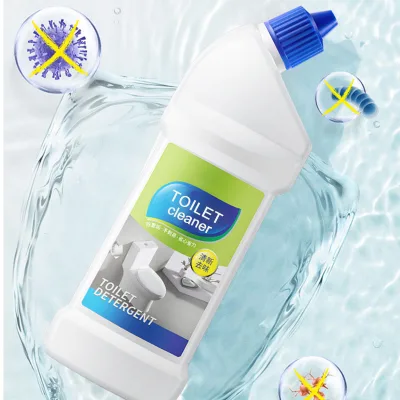





Comprehensive Sourcing Guide
Eco-Friendly Disposable Toilet Bowl Cleaner Sourcing Guide
Sourcing an Eco-Friendly Disposable Toilet Bowl Cleaner for retail or commercial distribution requires balancing cleaning performance, formulation safety, and packaging presentation. Category listings observed in this segment show solid-form automatic toilet bowl cleaner blocks positioned for bathroom use, alongside complementary pumice cleaning stones for hard-water and stain removal. Buyers should treat these as distinct product families under one sourcing strategy, since the chemical block is a consumable with repeat-purchase potential while the pumice stone is a durable tool with lower reorder frequency.
This guide organizes the procurement process around verified listing signals, specification verification, documentation, cost structure, supplier qualification, and long-term quality management. Observed data points include origins in Zhejiang and Jiangsu, China, a listed monthly productivity of one million pieces for the cleaner block, active ingredient content stated above 25 percent, and private-label acceptance. Use these observations as screening anchors rather than guarantees; each supplier must confirm attributes, certifications, and commercial terms directly before commitment, and sample evaluation should precede any volume order.
Product Scope and Observed Listing Signals
The observed catalog centers on a solid automatic toilet bowl cleaner block under model numbers HH-2001/2/3-1, marketed with deep-cleaning function, stocked and disposable features, and available in blue, pink, and green colors. The listing states an unscented variant alongside natural fragrance options in the adjacent pumice stone listing, so buyers should confirm scent positioning per SKU. A standard pack of 15g x 24 tabs per carton is listed, which is a common retail-ready format for supermarket channels, and the commercial buyer field explicitly names super markets as the target channel.
Complementary products in the same supplier environment include pumice cleaning stones with observed sizes of 10x7x4cm and 20x10x9cm, packed at 120 and 12 pieces per carton respectively. This suggests the supplier ecosystem supports a bundled bathroom-cleaning assortment, which buyers can leverage for mixed-container programs. Holiday and seasonal selection is marked as not supported, indicating everyday-use positioning; procurement planning should therefore emphasize steady replenishment rather than seasonal promotions. Room space customization support is listed, allowing buyers to tailor product positioning to specific retail shelf contexts.
Technical Specifications to Verify
Before sampling, request a full technical data sheet from each candidate supplier. The listing cites active ingredient content above 25 percent, but buyers should verify which actives are present, their concentration ranges, dissolution rate in standing water, and color release behavior in the cistern. Confirm the block's hardness and dimensional stability across storage temperatures, since soft blocks can deform in humid warehouses and overly hard blocks dissolve too slowly to deliver visible cleaning benefit. The stated 15g per-tab weight should be confirmed with actual weighing across a production batch.
For physical products like the pumice stone, verify dimensions against the stated 153.22.5cm standard and check abrasive consistency, edge integrity, and density. Packaging specifications matter for both product families: shrink package and carton packing are listed, and the 24-tab carton format should be validated for drop resistance and moisture barrier performance during transit. Buyers should also confirm compatibility claims, such as whether the block is safe for standard cistern components and septic systems, requesting supplier test evidence rather than accepting catalog descriptions at face value.
Compliance and Safety Documentation
Chemical household products moving across borders require consistent safety documentation. The listing references MSDS certification, which is a baseline document; buyers should request the current MSDS covering the specific formulation, not a generic family document, and verify it matches the confirmed ingredient list. Ask for ingredient declarations suitable for destination-market labeling, including hazard classification, first-aid statements, and child-resistant packaging considerations where destination regulations require them for corrosive or irritant formulations.
Because the observed origins are Zhejiang and Jiangsu, China, buyers shipping to the USA, France, or Spain—the stated main markets—must confirm destination-specific chemical registration and labeling obligations with their own compliance advisors, as requirements differ by market and the listing does not assert conformity with any specific regime. Request documentation of manufacturing batch traceability, and confirm whether the supplier can support third-party testing of finished goods. For the pumice stone, obtain material safety confirmation confirming it is free of hazardous additives. Never accept verbal assurance in place of dated, signed documents tied to the exact production batch purchased.
Cost Drivers and Commercial Terms
Observed pricing spans a wide range from roughly $0.06 to $2.38 per unit, reflecting the difference between lightweight consumable blocks and larger pumice stones, as well as order-volume tiers. Buyers should not compare unit prices across product types directly; instead, benchmark within a product family and request tiered quotations. The observed MOQ range runs from 3 pieces to 200,000 pieces, with specific listings showing 1,000-piece minimums for both the cleaner block and the pumice stone, so confirm the MOQ that applies to your chosen specification and customization level.
Cost drivers include active ingredient concentration, color and fragrance addition, packaging format, private-label printing, and carton configuration. Customization and logo acceptance are listed features, but buyers should clarify whether customization changes the MOQ, unit price, or lead time before committing to private-label runs. Free samples are listed, which reduces pre-contract cost, but buyers should budget for freight and for paid pre-production samples when customized. Clarify Incoterms, payment structure, and whether quoted prices include export packaging, since carton packing specifications materially affect landed cost per sellable unit.
Supplier Qualification and Quality Control
Supplier qualification should begin with verification of the stated production capability: the listing claims productivity of one million pieces per month, which buyers should stress-test by asking for evidence of actual output, production line count, and current capacity utilization. Confirm the supplier's role—manufacturer versus trading company—through business license review and, ideally, a factory audit conducted directly or via a third-party inspection firm. Ask which production stages occur in-house versus outsourced, particularly formulation mixing and packaging.
Quality control planning should cover incoming raw materials, in-process checks on block weight and hardness, and finished-goods inspection using agreed AQL sampling. Define acceptance criteria for appearance, color uniformity, dissolution performance, and packaging seal integrity before the first production order. For the pumice stone, add density and dimensional checks. Require pre-shipment inspection on every initial order and agree on remediation terms for failed lots. Establish a documented specification sheet that both parties sign, so that quality disputes reference an agreed standard rather than catalog descriptions, and retain retained samples from each lot for comparison.
Long-Term Procurement Checks
Sustainable supply in this category depends on formulation and packaging consistency over time. Schedule periodic re-verification of the active ingredient content and dissolution performance, since suppliers may adjust formulations in response to raw material cost fluctuations. Request advance notification of any formulation, color, or packaging changes, and treat unannounced changes as grounds for requalification. Monitor the supplier's capacity headroom as your volumes grow, especially if you consolidate multiple SKUs with one producer.
Commercial resilience checks should include dual-sourcing evaluation for the consumable block, since repeat-purchase products create dependency risk if a single supplier encounters disruption. Review packaging sustainability expectations with your retail customers, as "eco friendly" positioning increasingly requires documented material choices, and confirm what the supplier can substantiate. Track landed cost trends including freight and packaging material pricing, and revisit commercial terms annually. Maintain a rolling quality scorecard covering defect rates, on-time delivery, and documentation accuracy, using it to guide order allocation and to trigger corrective-action discussions before issues reach retail shelves.
FAQs
What is the active ingredient content in this cleaner?
The active ingredient content is more than 25 percent. This high concentration ensures effective deep cleaning for toilet bowls while maintaining an eco-friendly chemical formula suitable for everyday bathroom use without requiring special holiday selections.
Can I customize the logo and packaging for this product?
Yes, customization is available for both logos and packaging. Buyers can request private labels and specific carton or shrink package options. The manufacturer accepts customized orders with a minimum quantity of one thousand pieces for these tailored requirements.
What are the available colors and shapes for the tablets?
The tablets come in blue, pink, and green colors with a solid shape. These eco-friendly chemical formula blocks are designed specifically for toilet applications. The standard size measures approximately fifteen by three point two by two point five centimeters.
How much is the minimum order quantity for this item?
The minimum order quantity is one thousand pieces. Some listings may show different ranges, but the standard requirement for customization and bulk orders starts at this volume. This applies to the toilet cleaner tablets sourced from Zhejiang, China.
What is the production capacity of the manufacturer?
The manufacturer has a monthly productivity of one million pieces. This high capacity supports large orders for super markets and other commercial buyers. The facility is located in Zhejiang, China, ensuring consistent supply for global markets.
Does the product come with a specific certification?
Yes, the product holds MSDS certification. This document confirms safety standards for the chemical composition used in the toilet cleaner tablets. It is essential for international shipping and compliance with safety regulations in various global markets.
Is the product suitable for use in different room spaces?
The product is primarily designed for bathroom spaces but can be used in kitchens and for cleaning digital products. It features a solid shape and is available in unscented or natural fragrance options. The formula supports deep cleaning across multiple household areas.