Source Fruit Tree Netting for Garden, Agriculture, and Plant Protection
Compare 30 listings for Fruit Tree Netting from Chinese manufacturers offering PE, PP, and HDPE materials with customizable sizes and shading rates. Buyers can evaluate options for bird, hail, and general garden protection.
Key considerations
Products List






Comprehensive Sourcing Guide
Strategic Sourcing Guide for Fruit Tree Netting Procurement
Understanding Material Composition and Structural Integrity
When sourcing Fruit Tree Netting, the primary decision point involves selecting the correct polymer base that balances durability, UV resistance, and cost-effectiveness. Based on current market observations, the industry utilizes a diverse range of materials, with Polyethylene (PE) and Polypropylene (PP) being the most prevalent. PE-based nets are frequently observed in applications requiring high flexibility and impact resistance, often utilized in safety netting contexts. Conversely, PP variants are commonly found in specific agricultural protection scenarios, such as skipping ropes or general mesh structures, offering a different balance of tensile strength.
A critical advancement in modern agricultural netting is the inclusion of UV stabilization. High-density polyethylene (HDPE) nets are frequently engineered with UV stabilizers to extend their useful life. Procurement data indicates that these stabilized nets can offer a functional lifespan ranging from 2 to 8 years, depending on the intensity of solar exposure and environmental conditions. This longevity is a direct function of the material formulation; without UV stabilization, standard PE or PP nets may degrade rapidly under direct sunlight, leading to premature failure and increased replacement costs. Buyers must verify the specific resin composition and the presence of stabilizers in the technical datasheet before committing to a large order.
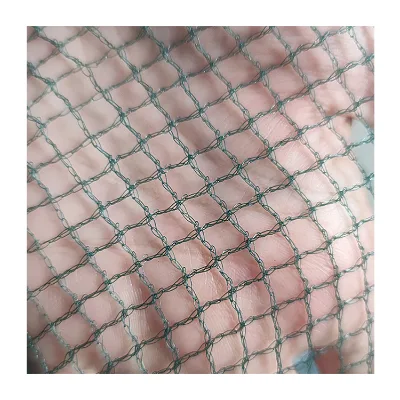
The structural integrity of the net is also defined by its knot type. The market offers both knotted and knotless varieties. Knotless nets, constructed through advanced extrusion and weaving techniques, provide a smoother surface that is less likely to snag on fruit or branches, making them particularly suitable for delicate fruit trees. The mesh size is another variable that requires precise definition. Available specifications range from small apertures of 12mm to large openings of 1000mm, with the option for custom requests. For fruit protection, the mesh size must be selected to exclude specific pests while allowing adequate airflow and light penetration to the canopy.
Technical Specifications and Customization Parameters
Defining the technical specifications is essential for ensuring the netting meets the specific agronomic needs of the orchard. The physical dimensions of the netting are highly customizable. Widths are commonly available in a range from 1 meter to 10 meters, allowing for coverage of wide tree rows or specific canopy sections. Lengths are often provided as per customer request, with standard rolls observed in lengths of 25m, 45m, 50m, 75m, and 100m. This flexibility allows buyers to minimize waste by ordering exact coverage requirements.
The weight of the netting, often expressed in grams per square meter (gsm), is a key indicator of density and durability. Observed standards in the market include weights ranging from 40gsm to 150gsm. A higher gsm generally correlates with a denser mesh and greater resistance to tearing, which is beneficial for withstanding bird strikes or heavy fruit loads. However, heavier nets may also reduce light transmission, potentially affecting photosynthesis. Therefore, the selection of gsm must be balanced against the shading requirements of the specific fruit variety.
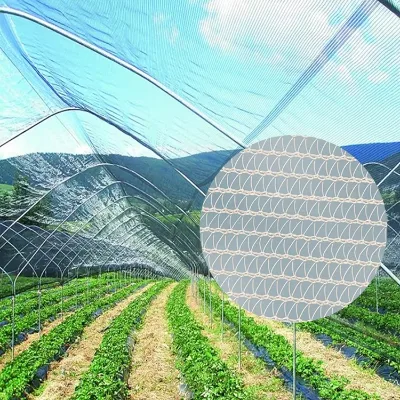
Shading rate is another critical technical parameter. Fruit trees often require specific light conditions to optimize fruit quality and sugar content. Available netting options provide shading rates between 30% and 90%. A 30% shading net might be suitable for light protection or windbreaks, while a 90% shading net could be used for shade-loving crops or to prevent sunscald on sensitive fruit skins. Buyers should calculate the required shading percentage based on the local climate and the specific physiological needs of the fruit tree species being cultivated.
| Specification Parameter | Observed Range / Options | Procurement Consideration |
|---|---|---|
| Material | PE, PP, HDPE + UV Stabilized | Verify UV stabilizer content for longevity. |
| Mesh Size | 12mm - 1000mm (Custom) | Match to target pest size and airflow needs. |
| Width | 1m - 10m | Ensure coverage matches orchard row width. |
| Length | 25m, 45m, 50m, 75m, 100m (Custom) | Order exact lengths to reduce waste. |
| Weight (GSM) | 40gsm - 150gsm | Higher GSM offers better tear resistance. |
| Shading Rate | 30% - 90% | Balance light needs with pest exclusion. |
| Knot Type | Knotless, Knotted | Knotless preferred for fruit protection. |
| Color | Black, Green, White, Brown, Blue, Sand | Color affects heat absorption and visibility. |
Compliance, Certification, and Environmental Standards
In the B2B agricultural sector, compliance with environmental and safety standards is increasingly important, though specific certification data varies by supplier. Buyers should verify that the netting materials comply with relevant international standards for agricultural plastics. While specific certification names may vary, the production standards often reference multiple models or custom specifications that must be confirmed directly with the manufacturer.
One area of compliance involves the chemical safety of the materials. Since the netting is in direct contact with food crops, it is vital to ensure that the polymers and additives used do not leach harmful substances into the fruit. Buyers should request documentation confirming that the materials are food-grade safe or compliant with local agricultural regulations. Additionally, the UV stabilizers and colorants used must be non-toxic and environmentally stable to prevent soil contamination upon disposal.
Environmental sustainability is also a growing consideration. The sourcing of raw materials, such as HDPE and PP, often involves recycled content. Buyers should inquire about the percentage of post-consumer or post-industrial recycled material used in the manufacturing process. Some suppliers offer nets with high recycled content, which can help meet corporate sustainability goals. Furthermore, the end-of-life management of the netting is crucial. Buyers should evaluate whether the supplier offers recycling programs or if the netting is designed for easy separation and recycling after its useful life of 2 to 8 years.
Cost Drivers and Economic Factors
The total cost of ownership for Fruit Tree Netting is influenced by several factors beyond the unit price. Material composition is the primary driver; HDPE with UV stabilization typically commands a higher price than standard PE or PP due to the added processing and stabilizer costs. The weight of the netting (gsm) also directly impacts cost, as higher density requires more raw material per square meter.
Customization is another significant cost driver. While standard widths and lengths are often available at competitive rates, custom mesh sizes, specific shading rates, or unique color requirements may incur additional tooling or setup fees. The MOQ (Minimum Order Quantity) varies widely, ranging from as low as 2 units to 10,000 units. Smaller orders may carry a higher per-unit cost due to setup inefficiencies, whereas bulk orders can leverage economies of scale.
Logistics and packaging also affect the final landed cost. Netting is typically shipped in rolls, cartons, or boxes. The single package size can be substantial, with some rolls measuring up to 300x200x100 cm. This large volume can lead to high shipping costs, particularly if the netting is not compressed efficiently. Buyers should negotiate packaging specifications to optimize container utilization. Additionally, the lead time, which is observed to be around 30 days for production, must be factored into the procurement timeline to avoid delays in the planting or protection season.
Typical Applications and Usage Scenarios
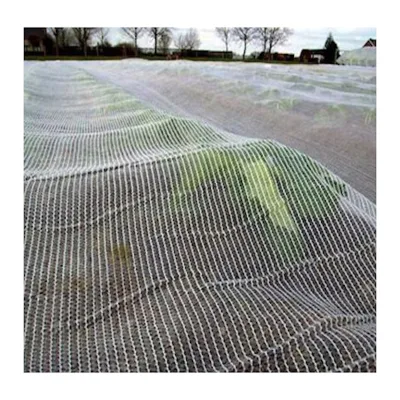
Fruit Tree Netting serves multiple protective functions in agricultural settings. The primary application is bird protection, preventing birds from consuming ripe fruit. The mesh size and color are selected to deter specific bird species while remaining visible to the birds to prevent entanglement. Beyond birds, these nets are used for hail protection, shielding trees from physical damage caused by falling ice. The high tensile strength of HDPE nets makes them suitable for withstanding the impact of hailstones.
Wind protection is another critical application. In regions prone to strong winds, netting acts as a windbreak, reducing the physical stress on tree branches and preventing fruit drop. The shading rate of the netting can be adjusted to provide partial shade, protecting the fruit from sunscald, a condition where direct sunlight causes the fruit skin to burn and discolor. This is particularly important for apples, pears, and stone fruits.
The versatility of the netting extends to general garden protection. It can be used to create barriers against larger pests or to define specific growing areas. The color of the netting also plays a role in its application; green nets blend with foliage for a natural look, while black or white nets may be used for specific light management or visibility purposes. The processing services available, such as cutting and moulding, allow for the creation of custom shapes and sizes to fit unique orchard layouts.
Supplier Evaluation and Quality Control
Evaluating suppliers requires a rigorous approach to ensure product consistency and reliability. The geographic origin of the product is a key indicator of manufacturing capabilities. Major production hubs include Wuhan, Shandong, and Henan in China. Buyers should verify the specific factory location to assess the supplier's logistical capabilities and potential for on-site audits.
Quality control should be a central part of the selection process. Buyers must request detailed technical data sheets that confirm the material composition, UV stability, and tensile strength. It is essential to verify that the "useful life" claims, such as the 2-8 year range, are backed by independent testing or historical performance data. The processing services offered, including moulding and cutting, should be evaluated for precision and consistency.
Supplier reliability is also measured by their ability to meet lead times and handle customization. A lead time of 30 days is common, but buyers should confirm if this can be expedited for urgent orders. The ability to provide samples for testing is a strong indicator of a supplier's confidence in their product. Buyers should test samples for UV resistance, tear strength, and mesh consistency before placing a large order. Additionally, the packaging quality should be assessed to ensure the netting arrives without damage or deformation.
Long-Term Procurement Considerations
Sourcing Fruit Tree Netting is not a one-time transaction but part of a long-term agricultural strategy. The durability of the netting directly impacts the annual operating costs. Investing in higher-quality, UV-stabilized HDPE nets may have a higher upfront cost but can result in significant savings over time by reducing replacement frequency. The useful life of 2 to 8 years means that the netting will need to be replaced periodically, and the procurement plan should account for this lifecycle.
Scalability is another consideration. As orchards expand, the ability of the supplier to handle increased order volumes without compromising quality is crucial. Buyers should establish relationships with suppliers who can scale production to meet growing demands. Customization capabilities are also vital for long-term success, as orchard requirements may change due to new pest pressures or crop varieties.
Finally, sustainability and end-of-life management should be integrated into the procurement strategy. Buyers should prioritize suppliers who offer eco-friendly options and clear disposal guidelines. The ability to recycle the netting or repurpose it for other agricultural uses can reduce waste and align with broader environmental goals. By focusing on these long-term factors, buyers can ensure a reliable and cost-effective supply of Fruit Tree Netting that supports the productivity and sustainability of their agricultural operations.
FAQs
What materials are used for Fruit Tree Netting?
Fruit Tree Netting is primarily made from PE, PP, or HDPE with UV stabilization. These materials offer varying levels of durability and flexibility, with HDPE providing a useful life of 2 to 8 years when properly stabilized against sunlight.
How wide and long can the netting be?
The netting width ranges from 1 to 10 meters, while lengths are customizable or available in standard rolls of 25m, 45m, 50m, 75m, and 100m. Buyers can request specific dimensions to minimize waste and ensure full orchard coverage.
What mesh sizes are available for pest protection?
Mesh sizes range from 12mm to 1000mm and can be customized to specific requirements. Selecting the correct aperture ensures exclusion of target pests like birds while maintaining adequate airflow and light penetration for the fruit trees.
Can the netting be customized for specific needs?
Yes, customization is available for mesh size, shading rate, color, and dimensions. Buyers can request specific models or adjust parameters like shading rates between 30% and 90% to suit the unique agronomic needs of their crops.
What is the typical lead time for production?
The standard lead time for production is approximately 30 days. This duration accounts for manufacturing processes like moulding and cutting, as well as packaging in rolls, cartons, or boxes depending on the order specifications.
Which colors are offered for the netting?
Available colors include black, green, white, brown, blue, and sand. The color choice affects heat absorption and visibility, allowing buyers to select options that blend with foliage or provide specific light management for their orchard.