Source Fruit Wash Mesh Bag for Food, Transport, and Household
Find 30 listings for Fruit Wash Mesh Bag options made from PP or PE materials. Buyers can compare waterproof, antibacterial, and recyclable features alongside various sizes and sealing methods for food, transport, and household applications; compare the available evidence and request quotations based on your requirements.
Updated
Key considerations
Products List


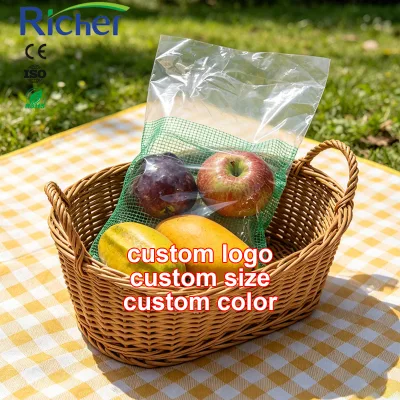
Woven Mesh Bags Plastic Mesh Bags for Fruit & Vegetable Packaging Bags
$0.09 - $0.10
MOQ: 10000 Pieces

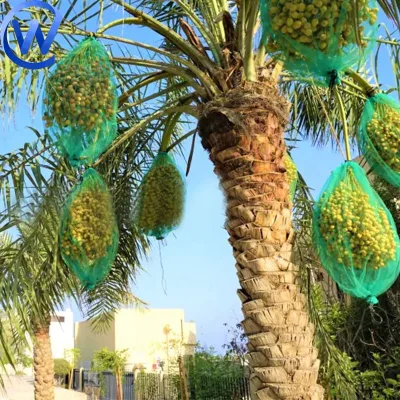
Extruded Mesh Netting Bags for Fruit Packing PE Packing Mesh Net Bags
$0.012 - $0.015
MOQ: 2000 Pieces

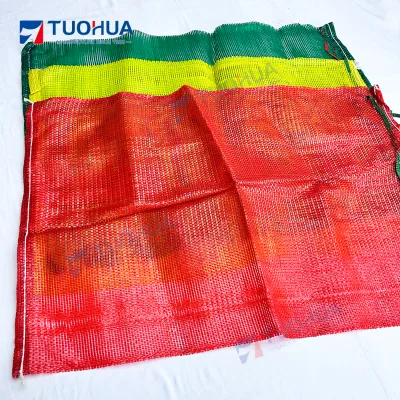
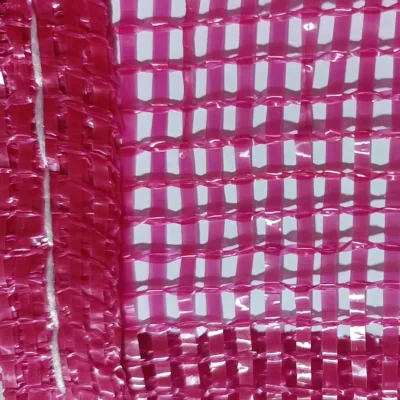
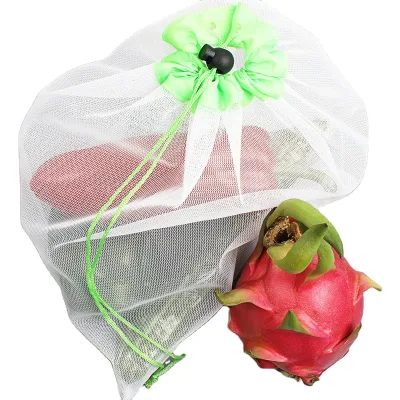
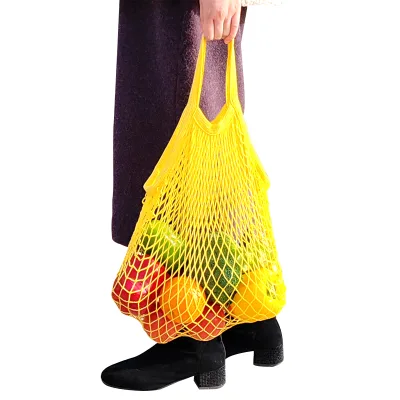
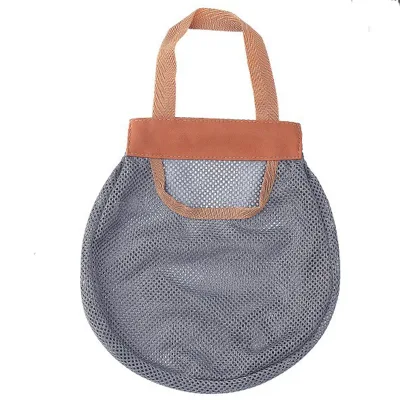
Washable Fruit Vegetable Customized Long Handle Cotton Mesh Laundry Net Shopping Bag
$0.6198 - $1.0329
MOQ: 500 pieces
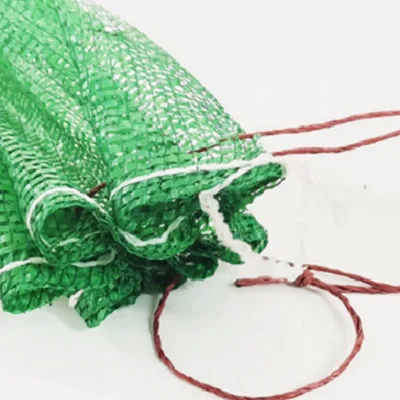
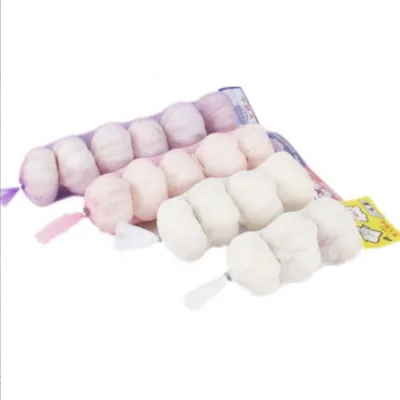
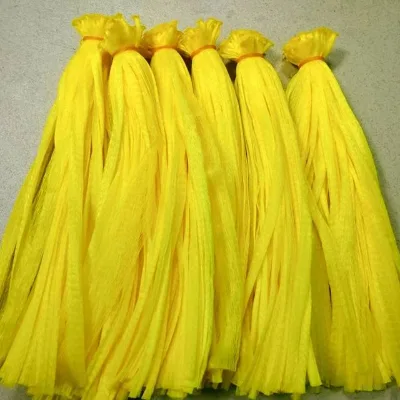

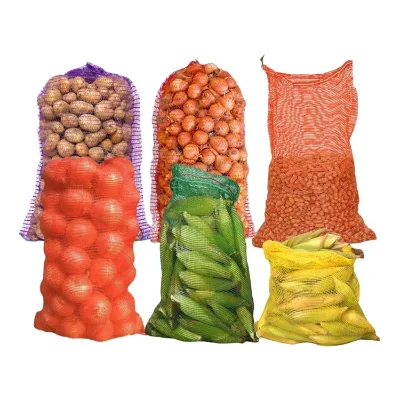
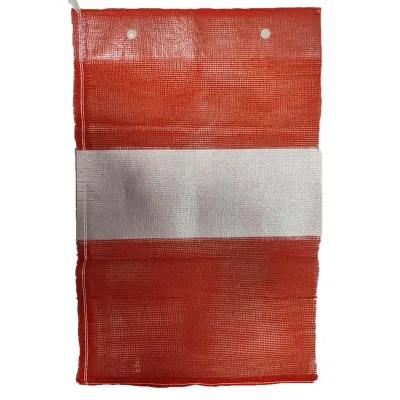
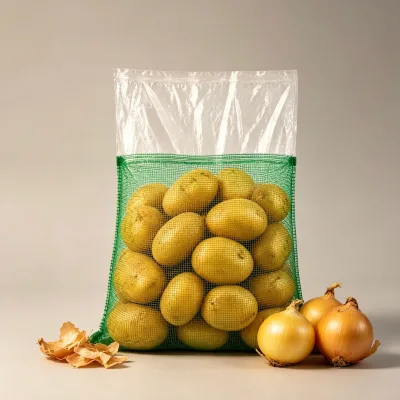
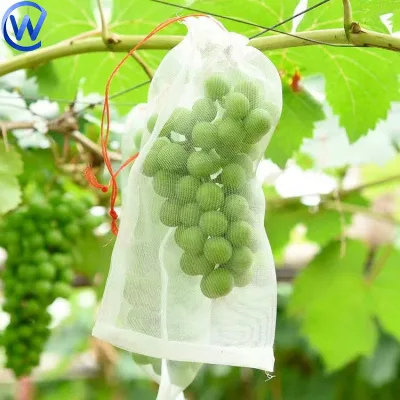
50X80cm PP Mesh Bag for Onion Potato Vegetable Fruit Mesh Net Bag Wholesale
$0.039 - $1.80
MOQ: 50000 Minimum

Comprehensive Sourcing Guide
Fruit Wash Mesh Bag Sourcing Guide
Sourcing fruit wash mesh bags requires a clear understanding of the diverse material compositions and structural designs available in the current market. Buyers must distinguish between polypropylene (PP) and polyethylene (PE) variants, as each offers distinct performance characteristics for food handling and transport. The observed product landscape includes specialized mesh bags designed for vegetables, fruits, and general food promotion, with features ranging from antibacterial properties to moisture proofing. Understanding these material differences is the first step in selecting the right packaging solution for specific supply chain needs.
Procurement teams should also evaluate the functional attributes that define usability, such as transparency, waterproof performance, and sealing methods. Many listings highlight heat-sealing capabilities and upright bag varieties, which are critical for automated packaging lines. Additionally, features like double stevedore straps and flat bottoms suggest heavy-duty applications for transport, while mesh holes sized at 5x10mm indicate specific ventilation requirements. These technical details directly impact how the bags perform during washing, storage, and retail display, making them essential criteria for initial supplier screening.
Product Scope and Observed Listing Signals
The current market offers a wide range of mesh bag specifications, with observed models including LS-MG123 and LS-MB789, alongside generic woven mesh designs. Standard dimensions frequently cited include 50x80 cm, 65 cm, 80 cm, and 30x60 cm, indicating a need for precise size verification during ordering. Buyers will encounter products described as special bags, straight bags, or back seal bags, each serving different filling and sealing workflows. The variety in bag shapes and sizes suggests that suppliers cater to both bulk transport needs and individual retail packaging requirements.
Color options and packaging methods also vary significantly across listings, with red, yellow, orange, and green options available for branding purposes. Products are often packed in plastic weaving cloth, bundles, or individual pieces, which affects logistics and storage efficiency. Some suppliers offer recyclable and reusable features, aligning with sustainability goals, while others focus on robust construction with safety factors of 8:1 for heavy loads. These observed signals help buyers narrow down suppliers based on their specific operational constraints and branding strategies.
Technical Specifications to Verify
When verifying technical specifications, buyers must confirm the raw materials used, as listings indicate both polypropylene and polyethylene options. The making process is typically described as plastic packaging bags or woven bags, which influences durability and flexibility. It is crucial to verify the hole size, with 5x10mm being a common specification for ventilation, and to check if the bags are designed for heat-sealing or other closure methods. These technical details ensure that the bags will perform correctly in automated filling and sealing equipment.
Additionally, buyers should verify the top and bottom options, such as top full open or flat bottom designs, which affect how the bags are filled and stacked. The loop option, including double stevedore straps, is important for handling heavy loads during transport. Transparency and waterproof performance are also key technical attributes to confirm, especially for applications where product visibility and moisture protection are required. These specifications must be explicitly stated in the product details to avoid mismatches between expectations and delivered goods.
Compliance and Safety Documentation
Compliance and safety documentation are critical for food-related packaging, even though specific certifications like BSCI or Reach are listed as low-confidence background information. Buyers should request evidence of food-grade compliance for both PP and PE materials, ensuring that the bags do not leach harmful substances into fruits and vegetables. While En71 is mentioned in the background, it is primarily a toy safety standard, so buyers must seek relevant food contact material regulations instead.
Suppliers should provide material safety data sheets and test reports confirming the antibacterial and moisture-proof claims made in product descriptions. It is essential to verify that the raw materials meet local and international food safety standards, such as FDA or EU regulations, depending on the destination market. Buyers should not assume compliance based on general product descriptions but must obtain documented proof from the supplier to mitigate regulatory risks.
Cost Drivers and Commercial Terms
Cost drivers for fruit wash mesh bags include material type, bag dimensions, and order volume, with observed prices ranging from $0.01 to $2300 USD. The minimum order quantity (MOQ) varies widely, from 2 to 500,000 units, allowing flexibility for both small and large buyers. Buyers should negotiate based on the specific material and feature requirements, as customizations and special shapes may incur additional costs. Understanding these variables helps in budgeting and comparing quotes from different suppliers accurately.
Commercial terms also involve packaging methods, such as bundles or individual pieces, which impact shipping costs and handling efficiency. Lead times and payment terms should be clarified early in the negotiation process to ensure smooth transactions. Buyers should consider the total cost of ownership, including logistics and storage, rather than just the unit price. Transparent communication about these terms helps avoid unexpected expenses and ensures a predictable procurement process.
Supplier Qualification and Quality Control
Supplier qualification should focus on verifying the origin of production, with many listings indicating Anping, Hebei, China, as a common manufacturing hub. Buyers should assess the supplier’s production capacity and quality control processes, especially for customized mesh bags with specific hole sizes and sealing methods. It is important to request samples to test the durability, transparency, and waterproof performance of the bags before placing large orders.
Quality control checks should include verifying the safety factor of 8:1 for heavy-duty bags and ensuring that the double stevedore straps are securely attached. Buyers should also inspect the color consistency and print quality if branding is required. Establishing a clear quality agreement with the supplier, including acceptance criteria and rejection procedures, helps maintain product standards and reduces the risk of receiving defective goods.
Long-Term Procurement Checks
Long-term procurement checks involve monitoring supplier performance and product consistency over multiple orders. Buyers should track metrics such as delivery times, defect rates, and responsiveness to quality issues to ensure reliable supply chain operations. Regular audits of the supplier’s production facilities and quality management systems can help identify potential risks early and maintain high standards.
Additionally, buyers should stay updated on changes in material regulations and sustainability trends, as the market increasingly favors recyclable and reusable packaging solutions. Building a strong relationship with suppliers through clear communication and fair negotiation practices can lead to better pricing and priority service. Continuous evaluation of the procurement process helps optimize costs and ensures that the fruit wash mesh bags meet evolving business needs.
FAQs
What materials are used for fruit wash mesh bags?
These bags are primarily manufactured from Polypropylene (PP) and Polyethylene (PE) plastics. The raw materials ensure durability and flexibility for repeated use. Some variants are explicitly labeled as recyclable, supporting sustainable sourcing goals. Buyers can select between woven mesh types or standard plastic netting depending on specific ventilation and strength requirements for their produce packaging needs.
Can these mesh bags be customized for specific sizes?
Yes, customization is available for various dimensions. Standard specifications include sizes like 50x80 cm, 20x35 cm, and 30x60 cm. Other common sizes are 40x70 cm, 65 cm, and 80 cm. Buyers can request specific measurements to fit their packaging lines. The bags are designed as upright or straight shapes, allowing for tailored solutions that meet precise operational requirements for fruit and vegetable transport.
What are the typical applications for these mesh bags?
These bags are widely used for food packaging, specifically for fruits and vegetables. They are also suitable for transport and promotional household uses. The mesh design provides necessary ventilation to keep produce fresh during shipping. Additionally, the waterproof and moisture-proof features make them ideal for various storage conditions. The antibacterial feature in some models further enhances food safety and hygiene standards for end consumers.
How are the mesh bags packaged for shipment?
The bags are typically packed in bundles or individual plastic bags. Some listings specify packing in plastic weaving cloth for added protection. This method ensures efficient handling and storage during logistics. The packaging is designed to prevent damage during transit. Buyers should confirm the specific packing method with suppliers, as options may vary between piece packing and bundled configurations depending on the order volume and supplier capabilities.
What sealing methods are used for these plastic bags?
The primary sealing method for these bags is heat-sealing. This technique ensures a secure closure that maintains the integrity of the contents. The bags are designed as back seal bags or upright bags, facilitating easy filling and sealing processes. Heat-sealing is compatible with standard packaging machinery. This method provides a reliable seal that protects the produce from external contaminants while allowing for efficient automated packaging operations in industrial settings.
Where are these mesh bags typically manufactured?
These products are primarily manufactured in Anping, Hebei, China. This region is known for its extensive production of wire mesh and plastic packaging materials. The origin indicates a strong supply chain infrastructure for these specific goods. Buyers sourcing from this location can often benefit from competitive pricing and established manufacturing capabilities. The concentration of suppliers in Hebei facilitates easier logistics and coordination for international orders.