Source Full Color Night Vision Pod for Security, Surveillance, and Patrol
Compare 30 Full Color Night Vision Pod options featuring AI ISP, 4MP resolution, and IP45 protection. These drone pods support tracking and remote control for security, surveillance, and patrol applications; compare the available evidence and request quotations based on your requirements.
Key considerations
Products List


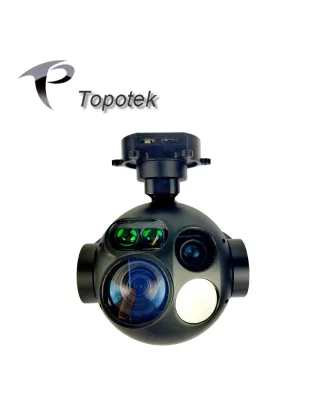
FH30G619L15NA Four Light Pan Tilt Camera Night Vision Distance Measuring Pod
$12451.45 - $12457.25
MOQ: 1 pieces


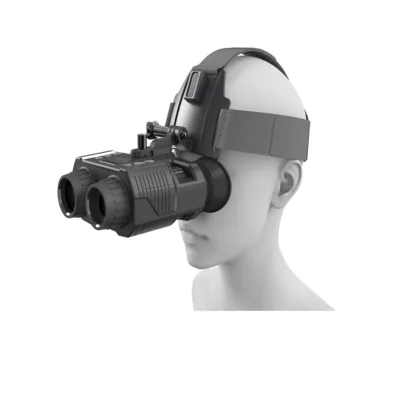
NV8000 Night Vision Binoculars for Adults Helmet Night Vision Binoculars Vabsce Digital
$67.31 - $73.94
MOQ: 5 pieces
Comprehensive Sourcing Guide
Full Color Night Vision Pod Sourcing Guide
Procuring a Full Color Night Vision Pod requires a strategic approach to balancing optical performance with operational reliability in low-light environments. These devices are engineered to capture high-fidelity video during nighttime conditions, leveraging advanced sensor technology to maintain color accuracy where traditional infrared systems fail. Buyers must prioritize units that utilize ultra-starlight grade sensors, such as 1/1.8-inch CMOS variants, which are critical for maximizing light sensitivity. The selection process should focus on verifying the specific sensor architecture and the accompanying AI ISP algorithms that enable full-color night vision capabilities.
Beyond the sensor, the mechanical and electrical integration of the pod into UAV platforms is a primary concern. The physical dimensions, weight, and power consumption must align with the payload capacity of the target drone model. For instance, observing products with weights around 390g to 490g helps in estimating the impact on flight endurance. Buyers should also evaluate the controllable rotation range, ensuring that pitch and yaw limits meet the specific surveillance requirements of the mission profile without compromising the structural integrity of the gimbal system.
Product Scope and Observed Listing Signals
The current market for full color night vision pods presents a diverse range of specifications, with observed prices spanning from $1 to $40,000 USD. This wide variance reflects differences in sensor resolution, lens quality, and integrated AI processing capabilities. Minimum order quantities typically range from 1 to 500 units, indicating that suppliers accommodate both prototype development and large-scale deployment needs. Buyers should carefully analyze the listing signals to distinguish between basic optical modules and advanced, AI-enhanced systems that offer superior target tracking and identification features.
Observed product attributes highlight a strong emphasis on high-resolution imaging, with many units supporting up to 2688*1520@4MP resolution at 25fps. The inclusion of H.264/H.265 video codecs ensures efficient data transmission and storage, which is vital for real-time monitoring applications. Additionally, features such as 120db wide dynamic range and 8X digital zoom are common indicators of a robust imaging system. Buyers should verify these specifications against their operational requirements, ensuring that the pod can handle high-contrast scenes and distant target acquisition effectively.
Technical Specifications to Verify
When evaluating technical specifications, the aperture and field of view are critical parameters that define the optical performance of the pod. An aperture of F1.0 is often observed, which allows for significant light intake, enhancing night vision capabilities. The field of view, such as 48.1° horizontal by 42.1° vertical, determines the coverage area and must be matched to the specific surveillance needs. Buyers should also check the focal length options, which may include fixed lenses of 10mm or 15mm, to ensure the desired balance between zoom capability and wide-area monitoring.
The mechanical stability and control speed of the gimbal are equally important for maintaining image quality during flight. Observed models often feature a pitch range of -75° to +30° and a yaw range of -35° to +35°, with control speeds up to 120°/s. These specifications ensure that the pod can quickly adjust to track moving targets while minimizing motion blur. Additionally, the presence of electronic anti-shake features, whether standard or optional, should be verified to enhance image stability. Buyers must also confirm the data output capabilities, including tracking ID, target type, and distance information, which are essential for advanced analytics.
Compliance and Safety Documentation
Compliance with international standards is a prerequisite for deploying full color night vision pods in global markets. Buyers should verify that suppliers provide necessary certifications, such as CE, FCC, and ISO9001, which attest to the product's adherence to safety and quality management standards. These certifications are crucial for ensuring that the electronic components meet electromagnetic compatibility requirements and do not interfere with other onboard systems. Additionally, the product's origin, often listed as China or specific provinces like Jiangsu, should be considered in the context of supply chain reliability and regulatory compliance.
Environmental resilience is another key aspect of compliance, particularly for outdoor UAV operations. Products should be tested for operation in varying temperatures, typically ranging from -20°C to +50°C, and storage temperatures up to +60°C. The protection level, such as IP45, indicates resistance to dust and water jets, which is essential for maintaining functionality in adverse weather conditions. Buyers must also confirm that the pod can operate normally under light rain conditions, as specified in the product testing results, to ensure reliability in diverse operational environments.
Cost Drivers and Commercial Terms
The cost of a Full Color Night Vision Pod is influenced by several factors, including sensor resolution, lens quality, and integrated AI features. Higher resolution sensors, such as 4MP CMOS units, and advanced AI ISP algorithms for full-color night vision typically command higher prices. Buyers should also consider the power consumption, with stable usage often capped at ≤15W, as this impacts the overall energy budget of the UAV. Understanding these cost drivers helps in making informed decisions that balance performance with budget constraints.
Commercial terms, such as minimum order quantities and customization options, play a significant role in the procurement process. Suppliers often offer flexible MOQs, starting from single units for prototyping up to 500 units for bulk orders. Customization is frequently available, allowing buyers to tailor the pod to specific drone models or operational requirements. Buyers should also evaluate the packaging options, which may include standard or customized packaging, to ensure safe delivery and ease of integration. Clear communication of these terms is essential for establishing a mutually beneficial procurement agreement.
Supplier Qualification and Quality Control
Supplier qualification is a critical step in ensuring the reliability and consistency of full color night vision pods. Buyers should assess the supplier's manufacturing capabilities, quality control processes, and track record in the UAV component industry. Verifying the supplier's adherence to ISO9001 standards and their ability to provide comprehensive technical support is essential. Additionally, buyers should inquire about the supplier's experience with similar products, such as the KLW-W1 or HY-310F models, to gauge their expertise and reliability.
Quality control measures should include rigorous testing of the pod's performance under various conditions. Buyers should request test reports that verify the sensor's sensitivity, the gimbal's stability, and the pod's environmental resilience. It is also important to confirm the supplier's ability to provide consistent product quality across batches, especially for large orders. Establishing a clear quality assurance protocol, including pre-shipment inspections and post-delivery support, helps mitigate risks and ensures that the procured pods meet the specified technical and operational requirements.
Long-Term Procurement Checks
Long-term procurement success depends on establishing a sustainable supply chain and maintaining ongoing quality assurance. Buyers should regularly review supplier performance metrics, including delivery times, product defect rates, and responsiveness to technical issues. Building a strong relationship with the supplier can facilitate better pricing, priority support, and access to new product developments. Additionally, buyers should stay informed about advancements in sensor technology and AI algorithms to ensure that their procurement strategy remains aligned with evolving operational needs.
Continuous monitoring of the pod's performance in the field is essential for identifying potential issues and implementing corrective actions. Buyers should collect feedback from end-users regarding image quality, tracking accuracy, and durability under real-world conditions. This data can be used to refine procurement specifications and negotiate improvements with the supplier. Furthermore, buyers should plan for future scalability, considering the availability of spare parts, firmware updates, and potential upgrades to the pod's capabilities. A proactive approach to long-term procurement checks ensures that the investment in full color night vision pods delivers sustained value and operational effectiveness.
FAQs
What sensor type enables full color night vision in this pod?
This drone pod utilizes a 1/1.8-Inch CMOS Ultra Starlight Grade sensor to achieve full color night vision capabilities. The integrated AI ISP algorithm processes low-light images effectively, ensuring clear visibility even in challenging dark environments without requiring external lighting sources.
How does the pod handle wide dynamic range in varying light?
The device supports a 120db Wide Dynamic Range to manage extreme lighting contrasts effectively. This feature ensures that both bright highlights and dark shadows are captured clearly, maintaining image detail across diverse outdoor conditions where lighting changes rapidly or unpredictably.
Can the pod operate reliably in light rain conditions?
Yes, the unit is designed to function normally under light rain conditions as verified by specific rain tests. With an IP45 protection level, the housing shields internal components from moisture, allowing consistent operation in wet weather without immediate performance degradation or failure.
What is the maximum control speed for the pan and tilt mechanism?
The maximum control speed for the pitch axis reaches 120 degrees per second for rapid target tracking. The controllable rotation range allows pitch movement from negative seventy-five to positive thirty degrees, while yaw covers a range of negative thirty-five to positive thirty-five degrees.
Which video codecs are supported for data output and transmission?
The system supports both H.264 and H.265 image codecs for efficient video compression and transmission. These standards enable high-definition streaming at 2688 by 1520 resolution with a frame rate of 25 frames per second, ensuring smooth video delivery over network connections.
What power supply requirements must be met for stable operation?
The pod requires a DC power supply ranging from 7.2 volts to 40 volts, typically operating at 12 volts with 1 ampere current. Stable power consumption remains at or below 15 watts, ensuring efficient energy usage during extended missions or continuous surveillance operations.
Does the product offer customization options for specific buyer needs?
Customization is available for this drone pod to meet specific buyer requirements or integration needs. Buyers can request tailored packaging or specific modifications, allowing the product to align precisely with unique operational constraints or branding standards required for specialized applications.